Removing a nose ring can be a straightforward process if you follow the right steps. Whether you’re changing your jewelry or simply need to take it out for a while, knowing how to do it safely is crucial. This guide will equip you with the best techniques and tips for removing a nose ring without pain or complications, ensuring that you maintain the health of your piercing throughout the process.
Understanding Your Nose Ring Type

Different types of nose rings include studs, hoops, and screws, each requiring unique removal methods. Understanding the type of jewelry you have is essential for a smooth removal process. For instance, a stud typically consists of a post and a decorative front, while a hoop is a circular piece that may have a clasp or an open end. Screw-type nose rings feature a threaded post that requires a gentle twisting motion to remove. Familiarizing yourself with your specific nose ring type will help you select the appropriate technique, thereby reducing the chances of injury or irritation during removal.
Preparing for Removal
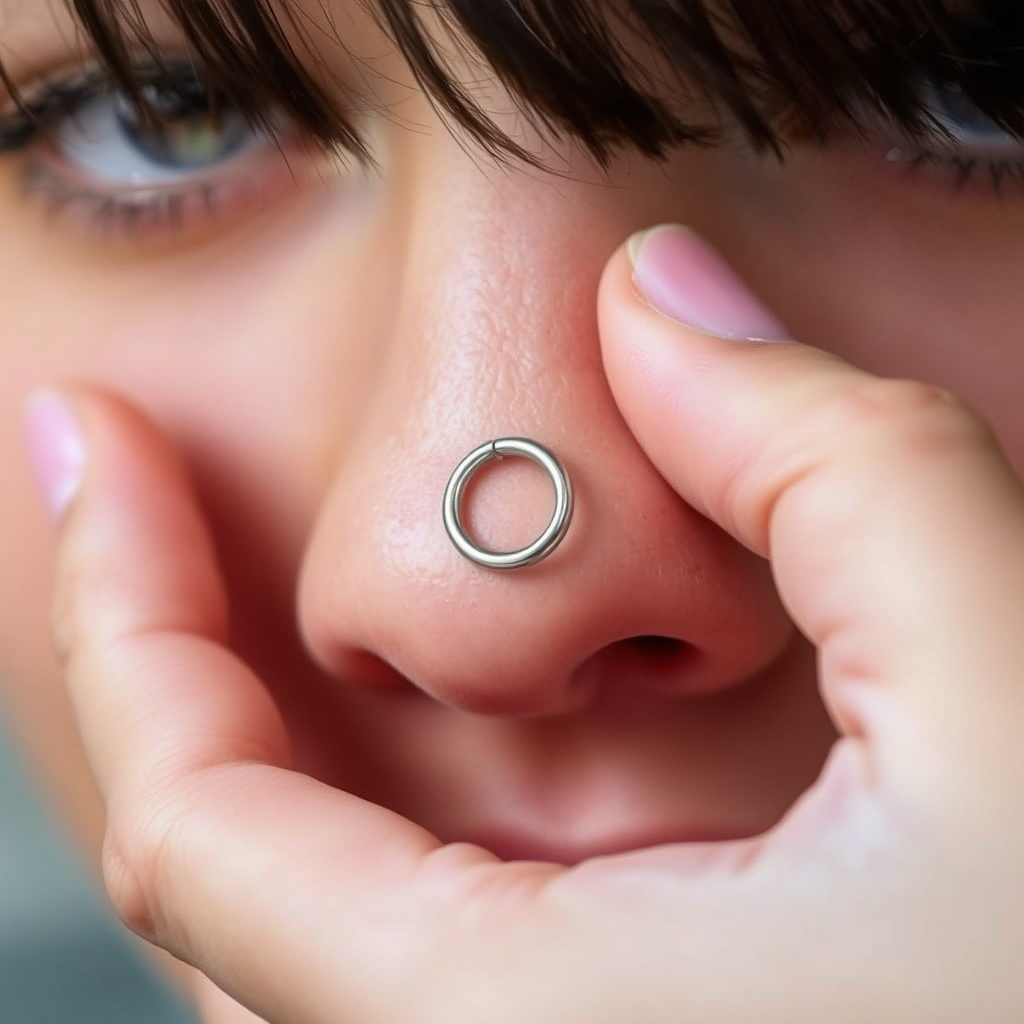
Before you attempt to remove your nose ring, ensure that your hands are clean to prevent introducing bacteria into the piercing. Wash your hands thoroughly with soap and water, and consider using antibacterial wipes to sanitize the area around your nose. Gathering necessary tools can also enhance the removal process; use a well-lit mirror to help you see the jewelry clearly. Some people find it helpful to wear gloves to maintain hygiene and prevent direct contact with the piercing. Additionally, having some antiseptic solution or saline on hand can be beneficial for cleaning the area post-removal.
Steps to Remove a Stud Nose Ring
To begin, gently grasp the stud with one hand while holding the back of the earring with the other. This dual grip is essential for stability and control. Next, twist the stud slightly to loosen it; this motion helps disengage any tightness that may have developed over time, particularly if the jewelry has been in place for an extended period. Once you feel it has loosened, pull the stud straight out of the piercing. Avoid any abrupt motions, as this could lead to discomfort or even damage to the tissue surrounding the piercing. After removal, clean the area with saline solution to prevent any potential infection.
Steps to Remove a Hoop Nose Ring
For hoop nose rings, the removal process is slightly different. First, locate the opening of the hoop; some hoops have a hinge or clasp mechanism that allows for easier removal. If your hoop is the type that opens, gently twist it to create a small gap. Be cautious during this step, as excessive force can bend or break the jewelry. Once you have made enough space, slide the hoop out of the piercing. It’s important to be gentle and avoid pulling or tugging aggressively, as this can irritate the skin or cause pain. After the hoop is removed, clean the area around the piercing to ensure it remains healthy.
Dealing with Stuck Jewelry
Occasionally, you may encounter a situation where your nose ring seems stuck. In such cases, avoid forcing it out, as this can lead to injury or pain. Instead, apply a few drops of lubricant, such as coconut oil or a water-based product, to help ease the removal process. Allow the lubricant to sit for a minute before attempting to remove the jewelry again. If discomfort persists or if the ring remains stuck, it is advisable to consult a professional piercer. They have the expertise and tools necessary to safely remove your jewelry without causing harm.
Aftercare Following Removal
Once you have successfully removed your nose ring, it’s essential to clean the piercing area thoroughly with saline solution or alcohol to prevent infection. This step helps to eliminate any bacteria that may have accumulated around the piercing during the removal. Additionally, keeping the area moisturized can aid in the healing process, especially if you have worn the jewelry for an extended time. Monitor the piercing for any signs of irritation, such as redness, swelling, or discharge. If you notice these symptoms, take extra care of the area and consider seeking advice from a healthcare professional or a reputable piercer.
When to Seek Professional Help
If you experience excessive pain, bleeding, or signs of infection such as increased redness or pus, it’s crucial to consult a healthcare professional or a reputable piercer. These symptoms can indicate that your piercing requires medical attention. Regular check-ups with a piercer can also be beneficial; they can provide insights on proper aftercare and assess the health of your piercing. Professional piercers can offer advice tailored to your specific jewelry type and skin sensitivity, ensuring that your piercing remains healthy and free from complications.
Removing your nose ring doesn’t have to be a daunting task. By following these steps and tips, you can ensure a smooth and safe removal process. Remember to take your time, maintain hygiene, and be gentle to avoid any discomfort. If you’re ever unsure or uncomfortable, reaching out to a professional for help is always a sound decision. Taking care of your piercing not only keeps it healthy but also enhances your overall experience with body jewelry. Happy piercing care!
Frequently Asked Questions
What tools do I need to remove a nose ring safely?
To safely remove a nose ring, you typically need a pair of clean, sanitized pliers or a dedicated jewelry removal tool, especially if you have a hoop or captive bead ring. It’s also helpful to have some saline solution or antiseptic handy to clean the area before and after removal, minimizing the risk of infection. Make sure your hands are washed thoroughly to prevent introducing bacteria into the piercing.
How do I remove a nose ring without pain?
To remove a nose ring without pain, start by gently twisting the jewelry to loosen it from your piercing. If it’s a stud, hold the post steady while you twist the back off, ensuring you’re not pulling on the skin. If you encounter resistance, don’t force it; instead, consider using a lubricant like saline solution or a few drops of olive oil to help ease the removal.
Why can’t I remove my nose ring?
You may struggle to remove your nose ring for several reasons, including swelling from a recent piercing, irritation from excessive touching, or the jewelry being too tight. Additionally, some types of jewelry, like captive bead rings, can be tricky to remove without the proper technique. If you are unable to remove it, it’s advisable to consult a professional piercer for assistance to avoid injury.
What is the best method to remove a hoop nose ring?
The best method to remove a hoop nose ring involves gently twisting or pulling the ends apart if it’s a flexible hoop. If it’s a rigid hoop, look for a small gap where the hoop can be separated. Be cautious to avoid any abrupt movements that could cause pain or damage to the piercing. If you’re unsure, visiting a professional piercer can ensure it’s done correctly without harm.
Which aftercare steps should I take after removing my nose ring?
After removing your nose ring, it’s crucial to clean the area with saline solution to prevent infection and promote healing. Avoid touching the piercing with dirty hands and refrain from putting any new jewelry in immediately, especially if the hole is still healing. Monitor the area for any signs of irritation, and if you plan to reinsert jewelry, ensure it’s of high quality and suitable for your skin type.
References
- Nose piercing
- https://www.ncbi.nlm.nih.gov/pmc/articles/PMC4649330/
- https://www.healthline.com/health/nose-ring-care
- https://www.verywellhealth.com/nose-piercing-care-5180932
- https://www.aarp.org/health/healthy-living/info-2020/piercings-care.html
- https://www.hopkinsmedicine.org/health/conditions-and-diseases/piercings-and-tattoos-what-you-need-to-know