To effectively sanitize your nose ring, it’s essential to clean both the jewelry and the piercing site regularly. This practice not only prevents infections but also promotes healing, ensuring that your nose ring remains a stylish and safe accessory. In this guide, you will discover the best methods and products to safely sanitize your nose ring, keeping it sparkling clean and your piercing healthy.
Why Sanitizing Your Nose Ring is Important

Sanitizing your nose ring is a critical aspect of body jewelry care. First and foremost, it prevents infection by eliminating bacteria and germs that can accumulate around the piercing site. A nose piercing is an open wound, and without proper sanitation, it becomes susceptible to infections that can lead to painful complications.
Additionally, for those with newly pierced noses, regular cleaning promotes faster healing. The healing process can take anywhere from a few weeks to several months, depending on the individual and the aftercare routine. By maintaining a clean environment for your piercing, you encourage the natural healing process while minimizing irritation.
Moreover, proper sanitization helps maintain the appearance and longevity of the jewelry itself. Nose rings made from high-quality materials can tarnish or degrade if not cleaned appropriately. Regular cleaning not only keeps your nose ring looking pristine but also extends its lifespan, making your investment worthwhile.
Recommended Cleaning Solutions
When it comes to cleaning your nose ring, choosing the right cleaning solution is paramount. A saline solution or sea salt mixed with warm water is one of the gentlest and most effective options. The saline solution mimics the body’s natural fluids and can help reduce inflammation while cleansing the piercing site.
For those looking for alternatives, alcohol-free antibacterial solutions specifically designed for piercings are also a good choice. These products are formulated to be gentle on the skin while effectively killing bacteria, ensuring that your piercing remains safe from infection.
It’s crucial to avoid harsh chemicals like hydrogen peroxide or bleach, as these can irritate the skin and hinder the healing process. Such substances may strip away natural oils, leading to dryness and potential complications. Instead, opt for solutions that prioritize skin health and the integrity of the jewelry.
Step-by-Step Cleaning Process
To ensure your nose ring and piercing site are properly sanitized, follow these detailed steps:
1. Wash Your Hands: Before you touch your nose ring, thoroughly wash your hands with soap and water for at least 20 seconds. This step is vital to prevent transferring any bacteria from your hands to the piercing.
2. Prepare Your Cleaning Solution: If you’re using a saline solution, mix one teaspoon of non-iodized sea salt with eight ounces of warm distilled water. Ensure the salt is fully dissolved before using it.
3. Soak a Cotton Ball or Pad: Dip a clean cotton ball or pad into your chosen cleaning solution. Gently squeeze out any excess liquid to avoid dripping.
4. Clean Around the Piercing: Carefully clean around the piercing site, ensuring that you remove any crust or debris without applying excessive pressure. Be gentle, as the area may still be sensitive, especially if it is newly pierced.
5. Rinse with Clean Water: After cleaning, rinse the area with clean, lukewarm water to remove any residue from the cleaning solution. This step is crucial to prevent irritation from leftover cleaning agents.
6. Dry the Area: Use a clean paper towel or let the area air dry. Avoid using cloth towels, as they may harbor bacteria.
Following this cleaning process not only keeps your nose ring sanitized but also helps you develop a routine that can contribute to the longevity of your piercing.
Frequency of Cleaning
The frequency of cleaning your nose ring and piercing site largely depends on how recently it was pierced. During the initial healing phase, it is advisable to clean your nose ring and the surrounding area daily. This consistent care minimizes the risk of infection and aids in a smoother healing process.
Once the initial healing period is over—typically around 6 to 8 weeks—you can reduce the frequency to 2-3 times a week. However, remain vigilant and always clean your nose ring after exposure to environments that may introduce bacteria, such as gyms, swimming pools, or crowded public places.
Remember, if you engage in activities that might lead to additional dirt or bacteria accumulation, such as workouts or swimming, it’s wise to clean your piercing afterward, regardless of your established routine.
Signs You Need to Reassess Your Cleaning Routine
Even with a diligent cleaning routine, there may be times when your nose ring or piercing shows signs that indicate a need for reassessment. Key indicators include:
– Increased Redness, Swelling, or Pain: If you notice any of these symptoms, it could suggest an infection. While some sensitivity is normal during the healing phase, significant discomfort may require immediate attention.
– Unusual Discharge or Foul Smell: Any discharge that is not clear or has a foul odor is a red flag. This could indicate a bacterial infection that needs addressing.
– Signs of Allergic Reactions: Itching or a rash around the piercing site could mean that your body is reacting negatively to the metal in your nose ring, particularly if it is not made from hypoallergenic materials.
If you observe any of these signs, it’s essential to consult a professional piercer or healthcare provider to evaluate the situation and receive appropriate care.
Tips for Maintaining Nose Ring Hygiene
Maintaining proper hygiene for your nose ring extends beyond just cleaning. Here are several additional tips to ensure your piercing remains healthy:
– Avoid Touching Your Nose Ring: Limit direct contact with your nose ring, as your hands can transfer bacteria. If you must touch it, ensure your hands are clean.
– Keep Hair Products and Cosmetics Away: Hair sprays, perfumes, and makeup can irritate the piercing. Be cautious and keep these products away from the area, especially during the initial healing phase.
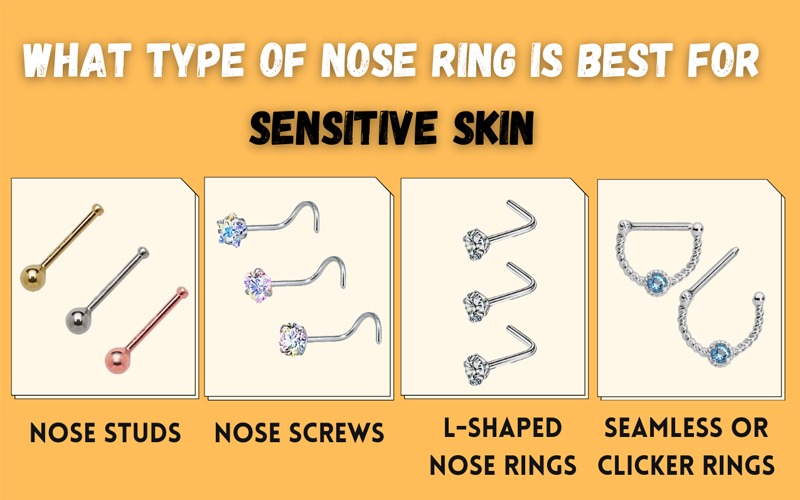
– Choose High-Quality, Hypoallergenic Materials: When selecting a nose ring, opt for materials such as surgical stainless steel, titanium, or gold that are less likely to cause allergic reactions. This choice minimizes irritation and promotes healing.
By following these guidelines, you can significantly reduce the risk of complications and enjoy your nose ring as a beautiful accessory.
Maintaining the hygiene and health of your nose ring is crucial for a successful piercing experience. Regular cleaning, utilizing the right products, and being attentive to any signs of irritation or infection are key components of effective aftercare. By adhering to these practices, you not only enhance the longevity of your jewelry but also ensure that your piercing remains a safe and stylish addition to your personal aesthetic. For personalized advice or concerns regarding your piercing, do not hesitate to reach out to a professional piercer or healthcare provider. Start your cleaning routine today to keep your nose ring sparkling and your piercing healthy!
Frequently Asked Questions
How often should I sanitize my nose ring?
It is recommended to sanitize your nose ring at least once a week to maintain proper hygiene. However, if you have recently changed your nose piercing or if you notice any irritation, it’s advisable to clean it more frequently. Regular sanitization helps prevent infections and ensures that your piercing remains healthy.
What is the best solution to use for sanitizing a nose ring?
The best solution for sanitizing a nose ring is a saline solution or a mild antiseptic. You can create a saline solution by mixing 1/4 teaspoon of non-iodized sea salt with 8 ounces of distilled water. Alternatively, you can use alcohol-free antibacterial wipes for convenience, as they are gentle and effective at killing germs without causing irritation.
Why is it important to sanitize my nose ring?
Sanitizing your nose ring is essential to prevent infections and allergic reactions. The nose is home to many bacteria, and without proper cleaning, these can enter the piercing, leading to complications such as swelling, redness, or pus formation. Regular sanitization helps to maintain the integrity of the piercing and promotes healing.
How do I properly sanitize my nose ring at home?
To properly sanitize your nose ring at home, start by washing your hands thoroughly to avoid introducing any bacteria. Next, soak a clean cotton ball or pad in saline solution or an antiseptic, and gently clean the nose ring and the area around the piercing. Rinse with clean water and pat dry with a paper towel, ensuring everything is kept sterile.
Which materials are best for nose rings that are easy to sanitize?
The best materials for nose rings that are easy to sanitize include surgical stainless steel, titanium, and gold (14k or higher). These materials are hypoallergenic, resistant to corrosion, and can withstand regular cleaning without degrading. Choosing the right material not only makes sanitization easier but also reduces the risk of allergic reactions and infections.
References
- https://www.healthline.com/health/body-piercing-aftercare
- https://www.webmd.com/beauty/piercing-aftercare
- https://www.mayoclinic.org/healthy-lifestyle/adult-health/expert-answers/piercing-aftercare/faq-20057915
- https://www.ncbi.nlm.nih.gov/pmc/articles/PMC6350715/
- https://www.aafp.org/pubs/afp/issues/2003/0901/p1007.html