Removing a nose ring can be a straightforward process, provided you approach it with care and the right technique. The key to a successful removal lies in identifying the type of nose ring you have and following appropriate steps. This guide will equip you with the knowledge to safely and comfortably remove your nose ring, whether it’s a stud, hoop, or captive bead, ensuring minimal discomfort and safeguarding your piercing.
Understanding Your Nose Ring Type
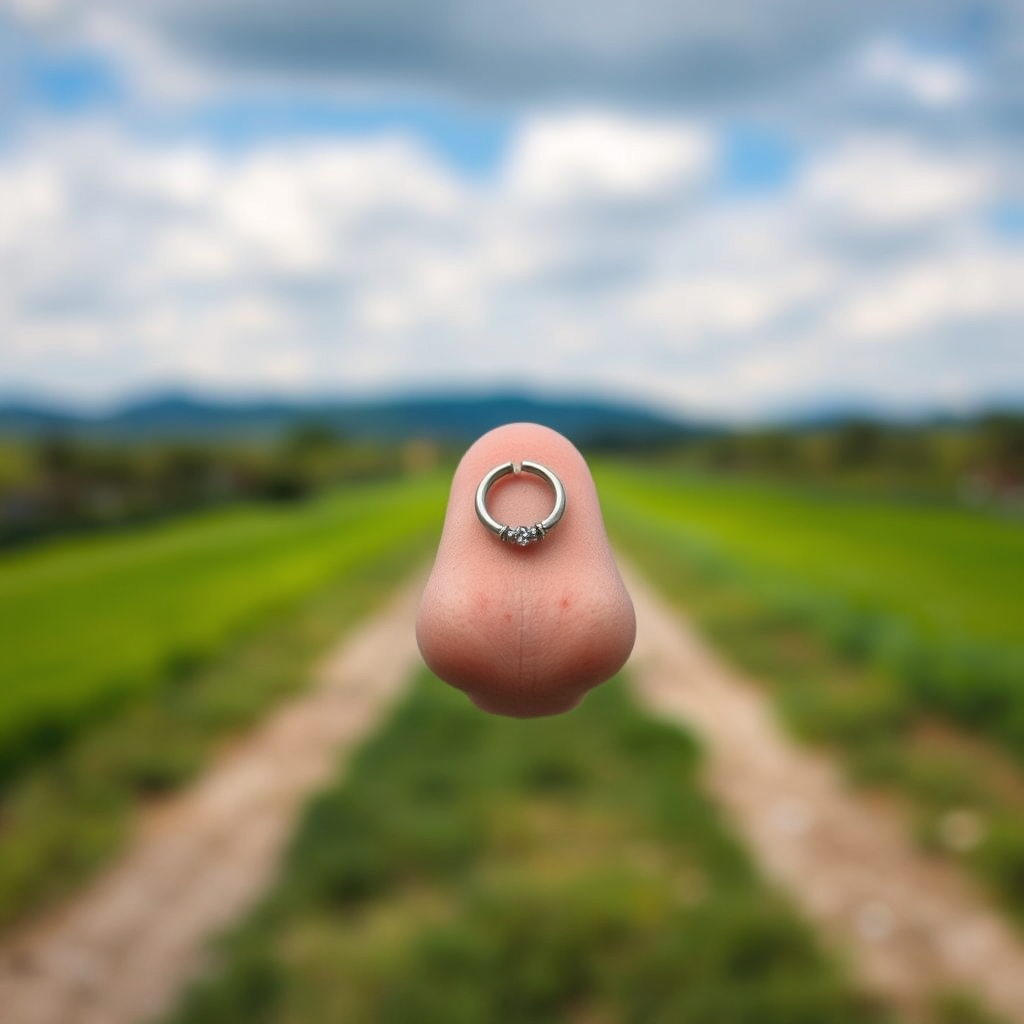
The first step in removing a nose ring is identifying the specific type you have. Nose rings generally fall into three categories: studs, hoops, and captive bead rings.
– Studs are characterized by a post that goes through the piercing and a decorative end that sits on the outside of the nostril. They are typically secured by either a push-back or screw-back mechanism.
– Hoops are circular pieces of jewelry that encircle the nostril. They can be continuous or feature a break that allows for easier insertion and removal.
– Captive bead rings feature a small bead that holds the ring closed. The bead can be removed, allowing the ring to be taken out easily.
Understanding these distinctions is crucial, as each type requires a specific method for removal. Misidentifying the type could lead to unnecessary frustration or even damage to your jewelry or piercing.
Preparing for Removal
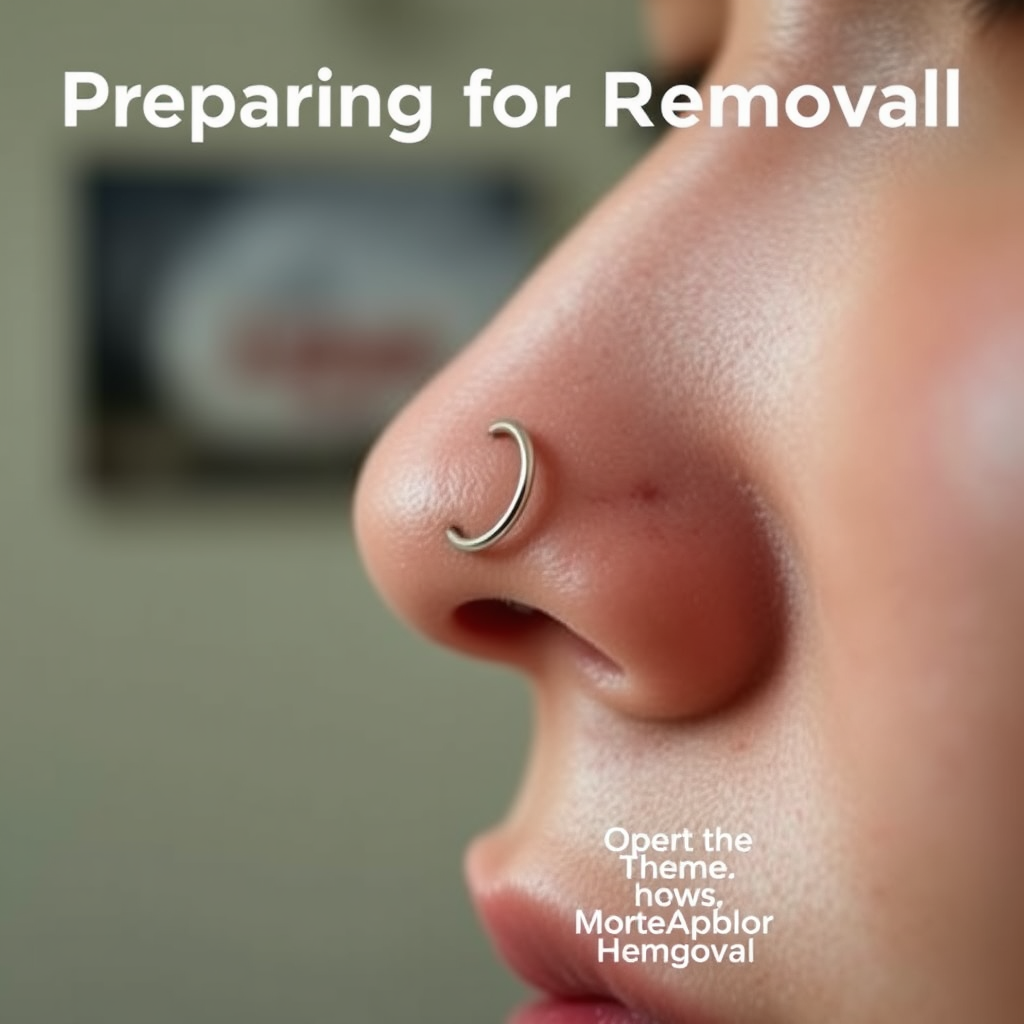
Before you begin the removal process, preparation is key. Start by washing your hands thoroughly with soap and water. This step is essential in preventing any potential infection, as dirty hands can introduce bacteria into the piercing site.
Next, gather any necessary tools. While most nose rings can be removed by hand, having a pair of gloves can keep your hands clean. If you have a hoop nose ring, a pair of pliers might be helpful for gently pulling apart the ends. Ensure that these tools are clean to maintain hygiene during the process.
Removing a Stud Nose Ring
To remove a stud nose ring, begin by holding the decorative end firmly with your fingers. It’s important to twist the stud gently to loosen it, avoiding any abrupt movements that could cause discomfort.
Once the stud is loose enough, carefully pull the back of the stud away from your nose. If your stud has a screw-back, you’ll need to twist it counterclockwise to remove it completely. Ensure that you maintain a steady grip to prevent any accidental slipping. This method of removal minimizes the risk of irritation to the piercing site.
Removing a Hoop Nose Ring
Removing a hoop nose ring involves a slightly different technique. First, locate the opening of the hoop. Depending on the design, you may need to pull apart the ends gently. This action should be done with care to avoid bending or damaging the hoop.
Once the ends are separated, slide the hoop out of your nostril. It’s crucial to ensure that you are not forcing the hoop out, as doing so could lead to discomfort or injury. If you encounter resistance, double-check the alignment of the hoop and adjust your grip before attempting to remove it again.
Removing a Captive Bead Ring
Captive bead rings require a bit more finesse during removal. Start by using the pliers to carefully squeeze the sides of the ring. This action will release the tension on the bead that holds the ring closed.
Once the bead is free, gently remove it and set it aside. With the bead out of the way, you can now slide the ring out of your nose. Be cautious during this process; if you feel any resistance, take a moment to assess the situation rather than forcing the ring out.
Aftercare Post-Removal
Once the nose ring is successfully removed, it’s important to care for the piercing site to avoid any potential complications. Begin by cleaning the area with a saline solution or mild soap. This step is crucial for removing any bacteria or debris that may have accumulated around the piercing.
After cleaning, monitor the area for any signs of irritation, redness, or infection in the days following the removal. If you notice any unusual symptoms, such as increased swelling or discharge, it’s advisable to consult with a professional piercer or a healthcare provider to address any concerns promptly.
Tips for Future Nose Piercings
For those considering future nose piercings, it’s beneficial to seek professional help. A trained piercer can ensure that the jewelry is placed correctly and provide guidance on how to care for it, making future removal easier.
Additionally, maintaining cleanliness is vital. Regularly clean your jewelry and ensure that there is no buildup of dirt or oils, which can complicate removal and lead to irritation. Consider investing in high-quality jewelry made from materials like surgical steel or titanium, as these options are less likely to cause allergic reactions or irritation.
Taking out a nose ring doesn’t have to be a daunting task. By following these steps and understanding the various types of nose rings, you can confidently remove your jewelry with ease and care. Should you experience any discomfort or complications, don’t hesitate to consult a professional piercer for assistance. With the right approach and knowledge, you can ensure a smooth removal experience and maintain the health of your piercing.
Frequently Asked Questions
How do I safely remove a nose ring at home?
Safely removing a nose ring at home involves a few simple steps. First, wash your hands thoroughly with soap and water to prevent infection. Next, gently hold the nostril and twist the ring slightly to loosen it, ensuring not to pull aggressively. If it’s a stud, carefully push it through from the inside of your nostril while holding the back securely. If you experience resistance or pain, it’s best to consult a professional piercer.
Why is my nose ring stuck and how can I get it out?
A nose ring may feel stuck for various reasons, including swelling, scarring, or a tight fit. To alleviate this, try applying a warm compress to the area to reduce swelling. If the ring is still stuck, avoid forcefully pulling it out, as this can cause injury. Instead, consider using a lubricant like saline solution or olive oil to help slide the ring out more easily. If you’re unable to remove it, seeking help from a professional piercer is advisable.
What should I do if I can’t remove my nose ring and there’s swelling?
If you can’t remove your nose ring and notice swelling, it’s important to take immediate action to avoid further complications. Start by cleaning the area gently with saline solution to prevent infection. Applying a cold compress can help reduce swelling. If the swelling persists or worsens and you still can’t remove the ring, consult a professional piercer or a healthcare provider for assistance.
Which tools are best for removing a nose ring if it’s stuck?
The best tools for removing a stuck nose ring include a pair of sterilized tweezers or a small pair of pliers designed for jewelry, but these should be used with caution. Additionally, a saline solution or lubricant can help ease the removal process. It’s crucial to keep the area clean and avoid using excessive force to prevent injury. If you’re unsure, it’s safest to seek help from a professional piercer.
What are the risks of trying to remove a nose ring without professional help?
Attempting to remove a nose ring without professional help can lead to several risks, including infection, excessive bleeding, and damage to the piercing or surrounding tissue. If the ring is stuck or causes pain, forced removal can worsen any swelling or irritation. To minimize these risks, consider consulting a professional piercer, especially if you’re experiencing discomfort or complications, as they can provide safe and effective solutions.