If you suspect your nose ring may be infected, look for signs such as redness, swelling, or discharge. Promptly addressing these symptoms can prevent complications and ensure proper healing. An infection can occur due to a variety of factors, and recognizing the early signs is crucial for effective treatment. This article will explore the common signs of infection, delve into the causes, outline treatment options, and advise when to seek professional help, as well as preventive measures for future piercings.
Common Signs of Infection

Identifying an infection early is essential for effective treatment and recovery. The most prevalent signs include:
– Redness and Swelling Around the Piercing Site: An initial indication of infection is the presence of redness surrounding the piercing. This is often accompanied by swelling, which indicates inflammation as your body’s immune response kicks in to fight off potential pathogens.
– Pus or Unusual Discharge: If you notice a thick, yellow, or green discharge emanating from the piercing, it is a significant indicator of infection. Normal healing may involve some clear fluid, but any change in color or consistency should raise concern.
– Increased Tenderness or Pain: While some discomfort is typical after getting a nose piercing, an increase in tenderness or sharp pain can signal a developing infection. Pay attention to how the area feels, as heightened sensitivity may indicate that your body is fighting an infection.
Recognizing these symptoms early can help you take action promptly, reducing the risk of more severe complications.
Causes of Nose Ring Infections

Understanding the causes of infections is critical to preventing them. Several factors can contribute to an infection at the site of a nose piercing:
– Poor Hygiene Practices: Neglecting proper hygiene when handling your nose ring can lead to infections. It’s crucial to wash your hands thoroughly before touching your piercing and to clean the area regularly with a suitable solution.
– Allergic Reactions to Jewelry Materials: Some materials, such as nickel, can cause allergic reactions that may mimic infection symptoms. If you are prone to metal allergies, consider opting for jewelry made from hypoallergenic materials like titanium or surgical stainless steel.
– Trauma or Irritation: Frequent touching, changing, or playing with the jewelry can irritate the piercing site. This irritation can lead to inflammation and, ultimately, an infection. It is advisable to minimize contact and avoid unnecessary adjustments during the healing process.
Recognizing these causes can help you take proactive measures to safeguard your piercing against infection.
How to Treat an Infected Nose Ring
If you suspect your nose ring is infected, immediate treatment is essential. Here are effective steps you can take:
– Clean the Area: Start by gently cleaning the infected area with a saline solution or mild antibacterial soap. Saline helps to flush out bacteria and promotes healing. Avoid using alcohol or hydrogen peroxide, as these can further irritate the skin.
– Avoid Removing the Jewelry: While it may be tempting to remove the jewelry to clean the area, it is essential to leave it in place. Removing the jewelry can cause the wound to close, trapping the infection inside and making it more difficult to treat.
– Apply a Topical Antibiotic: If recommended by a healthcare professional, applying a topical antibiotic can help combat the infection. Be sure to follow the instructions provided for optimal results.
In severe cases, over-the-counter pain relief may be necessary, but always consult with a healthcare provider before starting any medication.
When to Consult a Professional
While many mild infections can be treated at home, certain symptoms warrant a visit to a healthcare professional:
– Worsening or Non-Improving Symptoms: If your symptoms worsen or do not improve within three to five days of self-treatment, it’s essential to consult a professional. Delaying treatment can lead to complications such as abscess formation.
– Fever or Significant Pain: The presence of fever or significant, persistent pain can indicate a more serious infection that requires medical intervention. These symptoms should never be ignored.
– Spread of Infection: If you notice the infection spreading beyond the piercing site, such as redness or swelling extending to surrounding tissue, it is crucial to seek immediate medical attention.
Being vigilant about these symptoms can safeguard your health and allow for timely treatment.
Preventive Measures for Future Piercings
Taking preventive measures is vital in ensuring a smooth healing process for future piercings. Here are some strategies to consider:
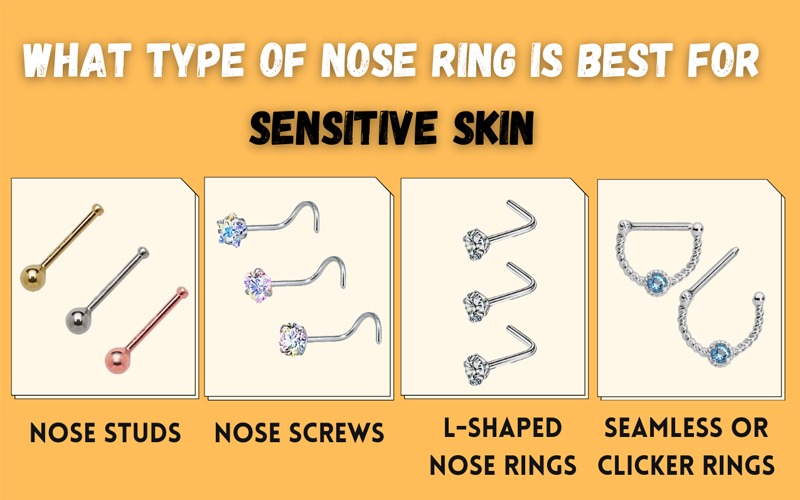
– Choose High-Quality Jewelry: Invest in jewelry made from surgical-grade materials such as titanium or surgical stainless steel, which are less likely to cause allergic reactions or infections.
– Follow Aftercare Instructions: Always adhere to the aftercare guidelines given by your piercer. This often includes cleaning protocols, avoiding certain activities, and ensuring you don’t irritate the area.
– Maintain Proper Hygiene: Regularly wash your hands before touching your piercing and keep the area clean. Avoid exposing your piercing to excessive moisture, such as swimming in pools or hot tubs, until it has fully healed.
These preventive measures can significantly reduce the risk of infection and promote faster healing.
Home Remedies for Mild Infections
For minor infections, several home remedies can provide relief and aid in healing:
– Warm Compresses: Applying a warm compress to the infected area can help reduce swelling and promote drainage. Soak a clean cloth in warm water and apply it gently to the piercing for about 10-15 minutes several times a day.
– Diluted Tea Tree Oil or Chamomile Tea: Rinsing the area with diluted tea tree oil or chamomile tea can offer anti-inflammatory benefits. Tea tree oil has natural antiseptic properties; however, ensure it is adequately diluted to avoid skin irritation.
– Staying Hydrated and Healthy: Maintaining proper hydration and a balanced diet rich in vitamins and minerals can support your body’s healing processes. Foods high in vitamin C and zinc can particularly aid in skin repair and immune function.
These home remedies can be useful adjuncts to more formal treatments, fostering a conducive environment for healing.
Keeping an eye on your nose ring and understanding the signs of infection is crucial for a healthy piercing. If you notice any symptoms, take action quickly to treat them. Remember to prioritize hygiene and take preventive steps for future piercings. If issues persist, don’t hesitate to consult a healthcare professional for guidance. Prioritizing your health and well-being will ensure that your nose piercing remains a safe and beautiful expression of your individuality.
Frequently Asked Questions
How can I tell if my nose ring is infected?
Signs of an infected nose ring can include increased redness, swelling, pain, and warmth around the piercing site. You might also notice pus or unusual discharge, as well as a foul odor. If you experience a fever or the infection spreads beyond the immediate area, seek medical attention immediately.
What should I do if my nose ring is infected?
If you suspect your nose ring is infected, start by cleaning the area gently with saline solution or a non-alcoholic antiseptic. Avoid removing the piercing, as this can trap bacteria inside. If symptoms persist after a few days of self-care or worsen, consult a healthcare professional for appropriate treatment, which may include antibiotics.
Why did my nose ring get infected after piercing?
An infection after a nose piercing can occur for several reasons, including poor aftercare, touching the piercing with dirty hands, or using non-hypoallergenic jewelry. Additionally, factors such as exposure to irritants or an allergic reaction to the metal in the nose ring can contribute to infection. Proper aftercare is crucial in preventing these issues.
What is the best way to care for a new nose piercing to prevent infection?
To prevent infection in a new nose piercing, follow a diligent aftercare routine. Clean the area twice a day with a saline solution and avoid using harsh soaps or alcohol-based products. Also, refrain from touching your nose ring with unwashed hands and avoid swimming in pools or hot tubs until the piercing has fully healed.
Which types of nose rings are less likely to cause infections?
Nose rings made from materials like surgical stainless steel, titanium, or gold (at least 14k) are less likely to cause infections, as they are hypoallergenic and less likely to irritate the skin. Avoid using jewelry made from nickel or other alloys that can lead to allergic reactions. Always consult with your piercer for recommendations on safe jewelry options.
References
- https://www.healthline.com/health/nose-piercing-infection
- https://www.medicalnewstoday.com/articles/nose-piercing-infection
- https://www.mayoclinic.org/diseases-conditions/piercing-infection/symptoms-causes/syc-20310602
- https://www.webmd.com/skin-problems-and-treatments/piercing-infection
- https://www.ncbi.nlm.nih.gov/pmc/articles/PMC7010549/
- https://www.cdc.gov/nceh/ehs/docs/piercing.pdf
- https://www.aafp.org/pubs/afp/issues/2014/1101/p676.html