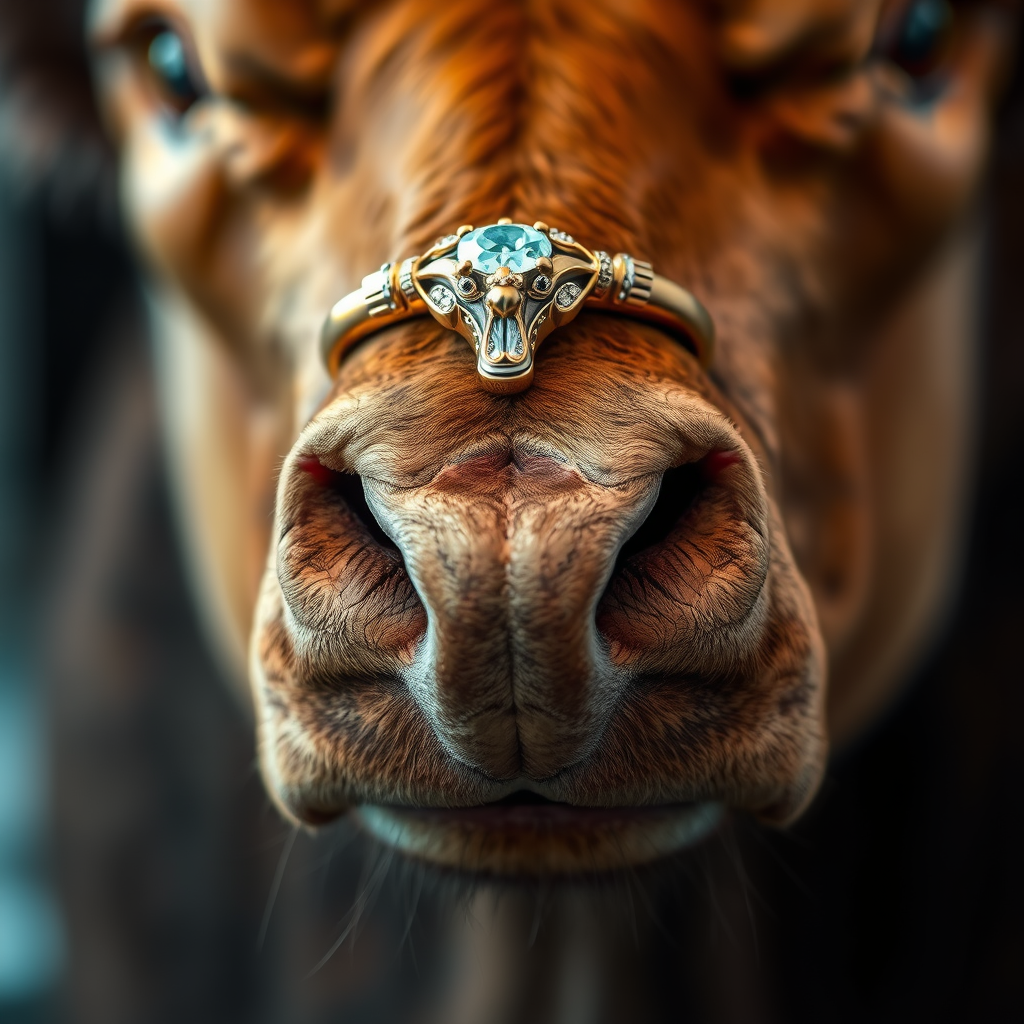
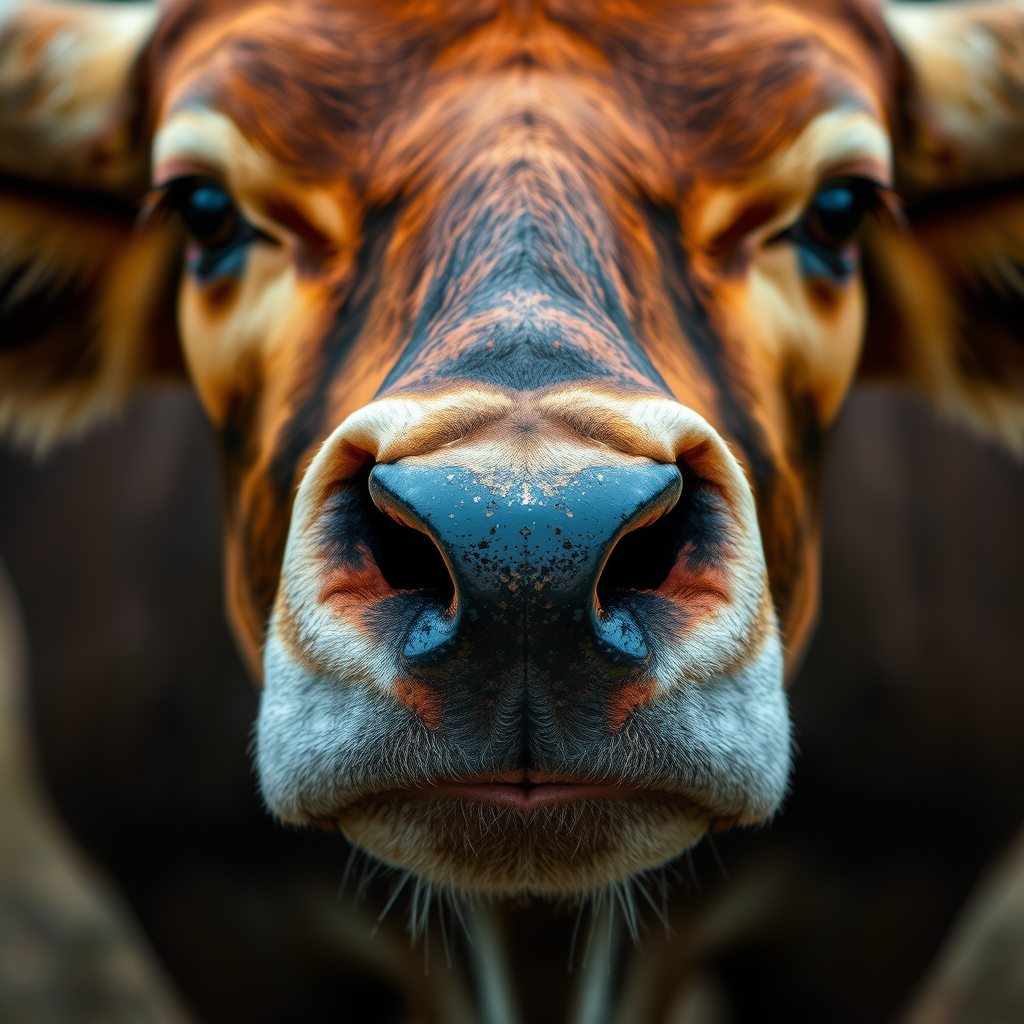
Bull nose rings are physical tools used primarily for managing livestock, especially bulls, and they symbolize both practical applications in animal husbandry and deeper cultural significance. These rings enable farmers and handlers to lead, restrain, or control bulls during various activities, reflecting a blend of historical practices and modern agricultural techniques. In this article, you’ll learn about the history, purposes, and meanings behind bull nose rings, shedding light on their multifaceted role in livestock management.
Historical Significance of Bull Nose Rings
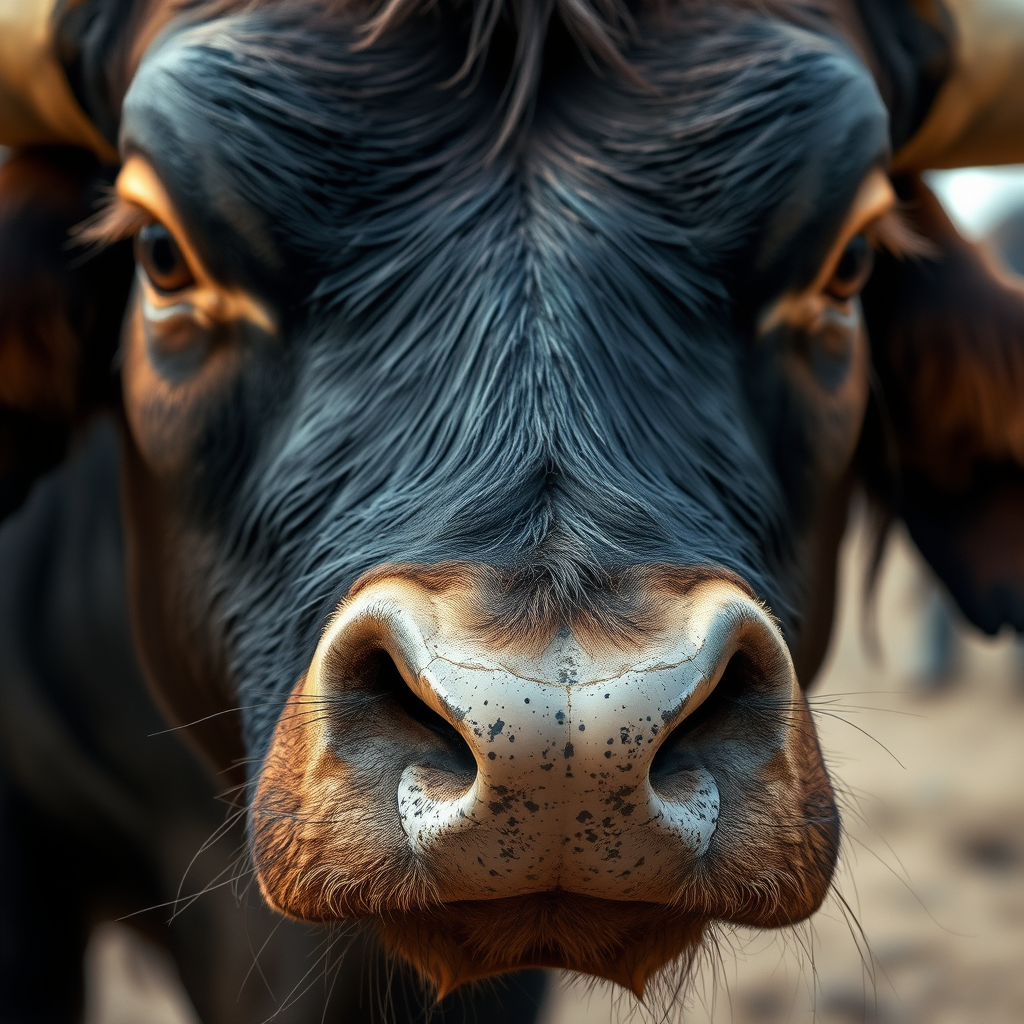
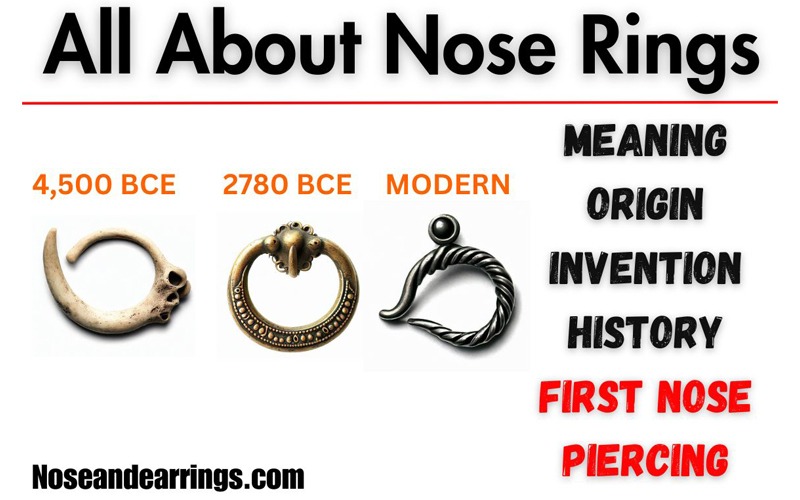
Bull nose rings have a long-standing history, with origins tracing back to ancient civilizations where they were initially developed for livestock management. Archaeological findings suggest that early agricultural societies in Mesopotamia and Egypt utilized such rings to facilitate the handling of large ungulates. The practicality of using a nose ring made it easier for farmers to control powerful animals during herding and breeding activities.
In various cultures, bull nose rings have also symbolized strength and power. For instance, in ancient Hindu traditions, bulls were revered as sacred animals, and adornments like nose rings were often used to signify their importance in agricultural practices and rituals. This emphasis on the bull as a symbol of fertility and virility has persisted over centuries, making the bull nose ring not only a functional tool but also a representation of cultural reverence for these majestic animals.
Practical Uses of Bull Nose Rings
The practicality of bull nose rings cannot be understated, as they serve multiple purposes in livestock management. Primarily, they facilitate easier handling and transportation of bulls, which can be notoriously strong and difficult to control. By inserting a ring through the bull’s nose, handlers can lead the animal with greater ease and safety, minimizing the risk of injury to both the animal and the handlers.
Moreover, bull nose rings provide essential safety during breeding and medical procedures. When bulls are being examined for health issues or prepared for breeding, the nose ring allows for secure restraint, preventing sudden movements that could result in accidents. This use underscores the importance of maintaining safety protocols in animal husbandry, ensuring that both bulls and handlers remain unharmed during necessary interventions.
Cultural Interpretations of Bull Nose Rings
In numerous cultures, the bull nose ring extends beyond its functional role to signify masculinity and dominance. In agricultural communities worldwide, a bull is often viewed as a symbol of strength and virility, and the presence of a nose ring can amplify these attributes. In some traditions, the act of placing a nose ring on a bull is considered a rite of passage, marking the animal’s maturity and readiness for breeding.
Additionally, bull nose rings appear in various rituals and ceremonies, often symbolizing fertility and agricultural prosperity. In many cultures, bulls adorned with decorative nose rings are featured prominently during harvest festivals or community celebrations, emphasizing their role in sustaining agricultural practices. This cultural significance highlights how bull nose rings serve as a bridge between practical necessity and symbolic representation in human societies.
Perception in Modern Society
The perception of bull nose rings in modern society is increasingly nuanced and often controversial. As awareness of animal welfare issues grows, many individuals and organizations express concerns regarding the ethics of using physical restraints like nose rings. Critics argue that these practices can lead to unnecessary stress and discomfort for the animals, advocating for more humane alternatives in livestock management.
Conversely, bull nose rings have found their way into popular culture through art, literature, and media representations. They are often depicted as symbols of strength and masculinity, reinforcing traditional associations while simultaneously inviting discussions about modern ethical considerations in farming practices. This duality in perception reflects a broader societal shift towards prioritizing animal welfare while acknowledging historical and cultural contexts.
Alternatives to Bull Nose Rings
As the conversation around animal welfare evolves, so too do the methods employed in livestock management. There is a growing discourse on humane handling techniques and equipment that provide effective alternatives to bull nose rings. Innovations such as gentle halters, head gates, and electronic collars allow for safer and more humane control of bulls without the need for physical restraints that can cause pain or distress.
The rise of modern methods emphasizes the importance of fostering a compassionate approach to animal husbandry. Techniques such as positive reinforcement training and low-stress handling practices are gaining traction, encouraging handlers to engage with bulls in ways that prioritize the animals’ well-being. This shift not only enhances the quality of life for livestock but also aligns with the ethical standards expected by consumers and society at large.
The Future of Bull Nose Rings
Looking ahead, the future of bull nose rings is likely to be shaped by trends in animal husbandry that emphasize more ethical practices. As consumer awareness of animal welfare grows, farmers and ranchers are increasingly adopting methods that reduce reliance on traditional tools like nose rings. The integration of technology, such as tracking devices and automated feeding systems, is expected to revolutionize livestock management, allowing for more humane treatment of animals.
Innovations in livestock management that prioritize animal welfare may eventually render traditional practices like using bull nose rings obsolete. As the agricultural industry adapts to changing societal values, it is vital for stakeholders to consider how they can evolve their practices to reflect a commitment to humane treatment while still achieving operational efficiency.
In conclusion, bull nose rings carry a rich history and multifaceted meanings, reflecting both practical and cultural aspects of livestock management. As society evolves, so too will the practices surrounding these tools, emphasizing the importance of humane treatment in agriculture. For further reading on ethical animal management, check out our other articles.
Frequently Asked Questions
What does a bull nose ring symbolize in different cultures?
A bull nose ring, often associated with livestock management, symbolizes strength, control, and domestication. In various cultures, particularly in agricultural societies, it signifies the owner’s authority over the animal. Additionally, in some cultures, the nose ring can represent fertility, prosperity, and a connection to the earth, highlighting the animal’s role in sustaining human life.
How is a bull nose ring used in animal husbandry?
In animal husbandry, a bull nose ring is primarily used for controlling and managing bulls during handling and transportation. The ring is inserted into the bull’s nose, allowing handlers to lead the animal safely and prevent aggressive behavior. This practice helps ensure the safety of both the animal and the handlers, making it a critical tool in livestock management.
Why do some people choose to pierce their own noses like a bull nose ring?
Some individuals opt for bull nose ring piercings as a form of self-expression or to make a fashion statement. This trend may draw inspiration from the symbolism associated with bull nose rings in various cultures, representing strength and individuality. Additionally, the aesthetic appeal and versatility of the jewelry can attract those looking to enhance their body art and personal style.
What are the best materials for a bull nose ring piercing?
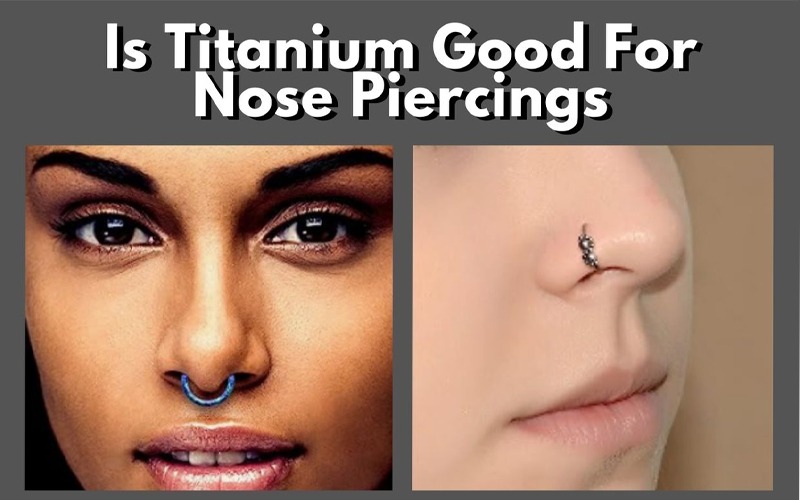
The best materials for a bull nose ring piercing include surgical stainless steel, titanium, and gold, as these materials are hypoallergenic and less likely to cause irritation. Surgical stainless steel is a popular choice due to its durability and affordability, while titanium is lightweight and offers excellent biocompatibility. Gold, specifically 14k or higher, is also a good option for those seeking a more luxurious look without compromising on quality.
Which care tips should I follow after getting a bull nose ring piercing?
After getting a bull nose ring piercing, it’s essential to practice proper aftercare to ensure healing and prevent infection. Clean the area regularly with saline solution or a gentle saline spray, avoiding alcohol or hydrogen peroxide, which can irritate the skin. Additionally, avoid touching the piercing with dirty hands, refrain from swimming in pools or hot tubs, and wear loose-fitting clothing to minimize irritation during the healing process.