The smallest size nose ring typically measures 20 gauge (0.8 mm) or smaller, with some options even going down to 22 gauge (0.6 mm). This range allows for a delicate and understated appearance that many individuals prefer for their nose piercings. In this article, you’ll discover the different sizes available, how to choose the right one for your piercing, and the factors to consider for comfort and style.
Understanding Nose Ring Sizes
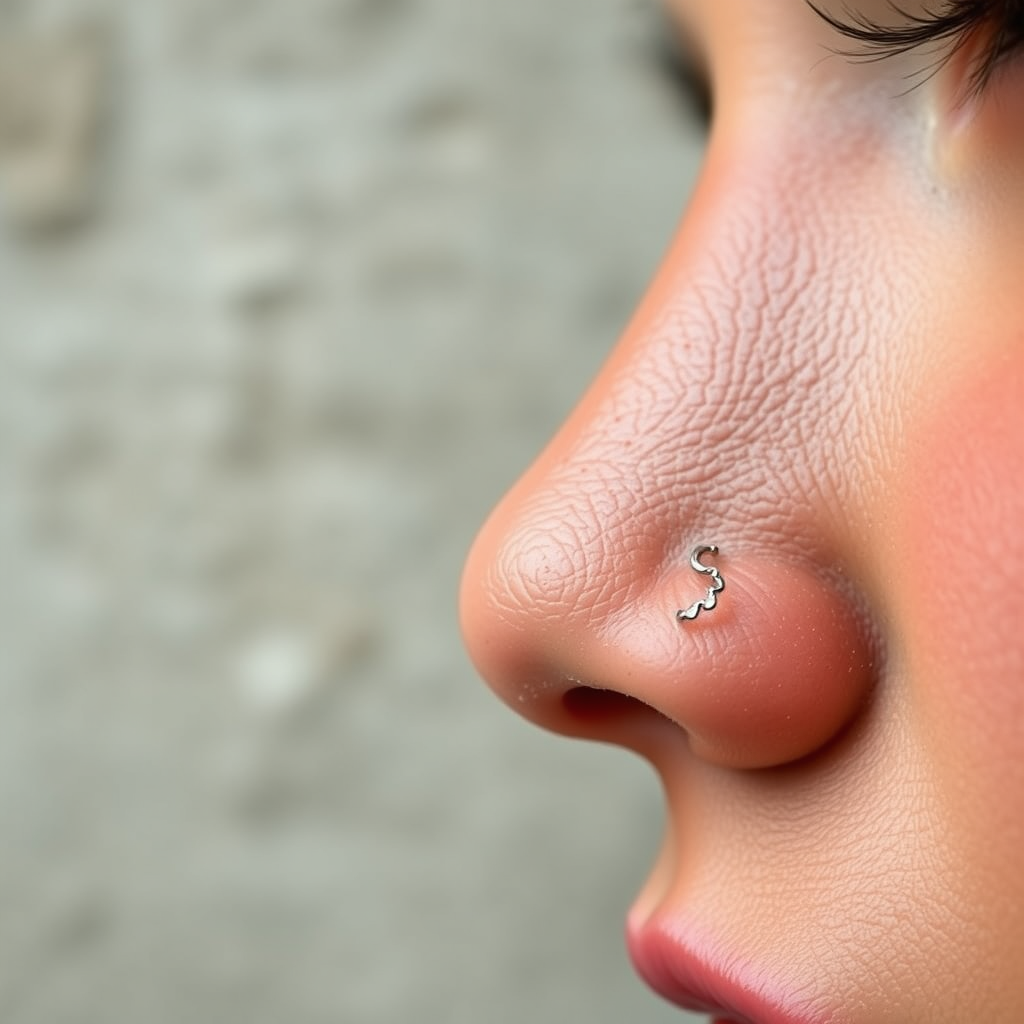
Nose rings come in a variety of gauges, which correspond to the thickness of the jewelry. The gauge system is inversely proportional; that is, the lower the gauge number, the thicker the jewelry. Common sizes for nose rings generally range from 18 gauge (1.0 mm) to 22 gauge (0.6 mm), with 20 gauge being the most popular for standard nostril piercings. Choosing the correct size is crucial not only for aesthetic purposes but also for ensuring the longevity of the piercing and reducing the risk of complications. Thicker jewelry, such as 18 gauge, is often recommended for initial piercings to accommodate swelling and healing, while smaller gauges like 20 or 22 can be used for healed piercings or for those seeking a more subtle look.
Choosing the Right Size
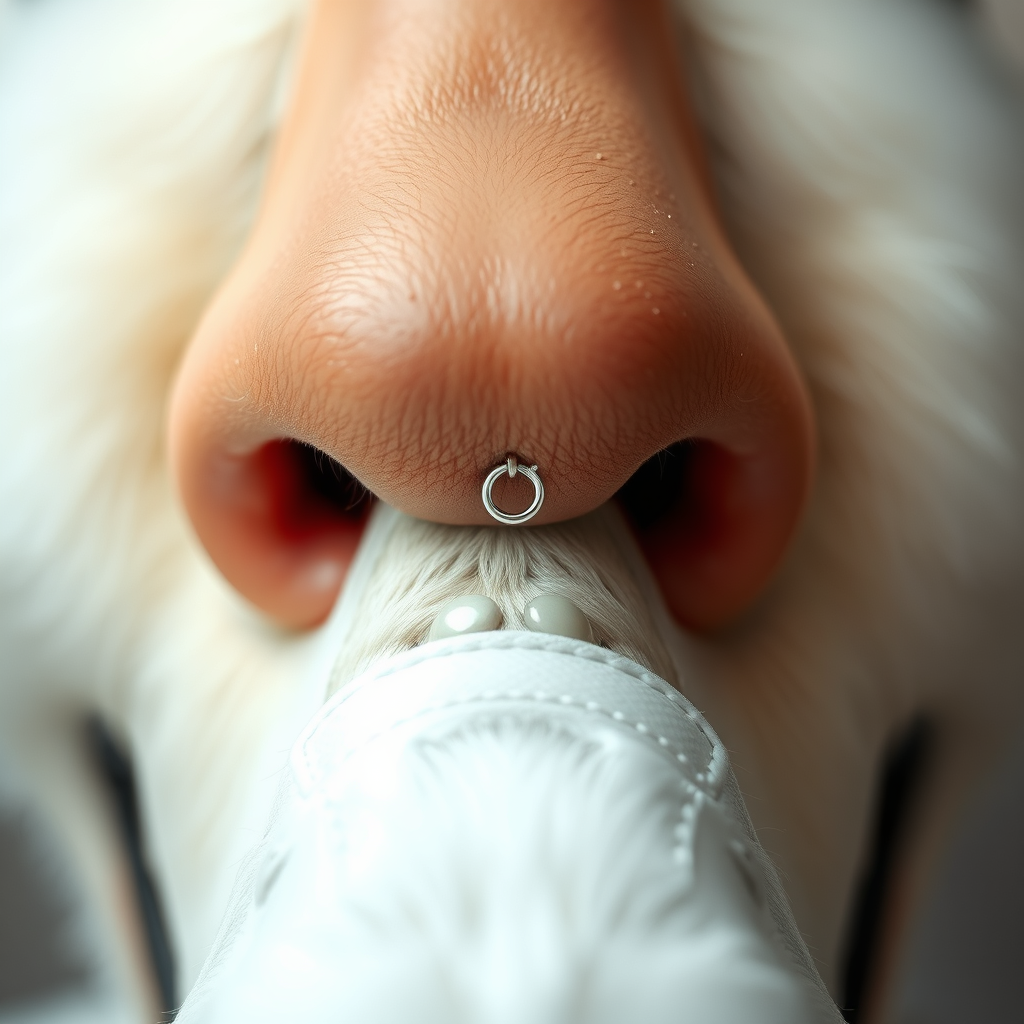
When selecting the appropriate nose ring size, personal comfort should be at the forefront of your decision-making process. Smaller sizes, such as 20 and 22 gauge, can create a more delicate appearance, but they may not be suitable for everyone. Factors such as your anatomy, the specific placement of the piercing, and your lifestyle can all influence the best size for you. Consulting with a professional piercer is advisable; they can assess your individual anatomy and recommend a size that ensures both comfort and a secure fit. It’s also essential to consider that smaller rings may be less visible, appealing to those who prefer a more understated look, while others may opt for a slightly larger gauge for a more pronounced style.
Types of Nose Rings
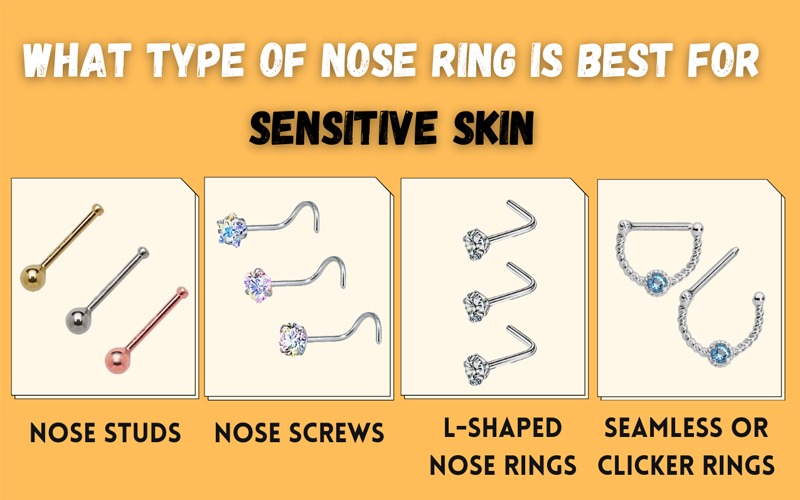
Nose rings come in various designs, including studs, hoops, and septum rings, each available in multiple sizes and styles. For those interested in the smallest designs, delicate studs or tiny hoops can offer a subtle elegance without overwhelming the facial features. Studs, which can come in plain metal or adorned with gemstones, are a popular choice for their simplicity and versatility. Hoops, on the other hand, can range from tiny huggie styles to slightly larger circular designs, providing options for those who enjoy a bit more flair. Septum rings, which are worn through the cartilage of the septum, also come in various sizes and styles, allowing for a unique expression of personal style.
Materials for Small Nose Rings
The material of your nose ring is just as important as the size, especially for those with sensitive skin. Common materials used for small nose rings include titanium, surgical steel, and gold, all of which are known for their hypoallergenic properties. Titanium is particularly favored for its strength and resistance to corrosion, making it an excellent choice for new piercings. Surgical steel is another popular option due to its durability and relatively low cost. Gold, particularly 14k or 18k varieties, is not only aesthetically pleasing but also less likely to cause allergic reactions, making it suitable for long-term wear. When selecting a material, it is vital to ensure compatibility with your skin type to prevent irritation and potential infections.
Aftercare for Small Nose Rings
Proper aftercare is crucial for maintaining the health of your piercing, especially for smaller sizes which may be more prone to irritation. New piercings require diligent care to ensure they heal properly. Keeping the area clean is essential; gently washing the piercing with saline solution or a mild soap can help prevent infection. It’s advisable to avoid touching the piercing with unwashed hands and to refrain from changing the jewelry too soon after the initial piercing. Generally, the healing process for nostril piercings can take anywhere from 6 to 8 weeks, and during this period, it’s important to monitor for signs of irritation or infection. If any unusual symptoms occur, consulting a healthcare provider or a professional piercer is recommended.Style Tips for Wearing Small Nose Rings
Wearing small nose rings opens up a world of styling possibilities, particularly for those who appreciate minimalism. Pairing small nose rings with other delicate jewelry, such as thin necklaces or understated earrings, can create a cohesive and elegant look. Mixing and matching different materials can also enhance your overall aesthetic, allowing you to express your individuality. For instance, pairing a gold nose stud with silver hoops can create an interesting contrast. Additionally, consider the placement of the nose ring in relation to other facial features and overall makeup to achieve a balanced and harmonious appearance. Experimenting with various styles and materials will help you determine what complements your unique style best.
The smallest size nose ring can be a stylish yet understated choice, perfect for those looking to enhance their facial features subtly. By understanding the options available and ensuring proper care, you can enjoy both comfort and style in your nose piercing journey. Consider visiting a professional piercer for personalized advice and to explore the best options tailored to your preferences. Choosing the right size, material, and style will not only enhance your look but also ensure a positive experience with your nose piercing.
Frequently Asked Questions
What is the smallest size nose ring available?
The smallest size nose ring typically available in the market is 20 gauge, which measures approximately 0.8 mm in diameter. However, some jewelers may offer even smaller sizes, such as 22 gauge (0.6 mm), especially for those with more delicate or dainty piercings. It’s essential to consult with a professional piercer to ensure the right size for your specific anatomy and to minimize the risk of irritation or infection.
How do I choose the right size for a nose ring?
Choosing the right size for a nose ring involves measuring the gauge and diameter that fits comfortably in your piercing. If you’re starting fresh or considering a smaller gauge, it’s advisable to consult with a professional piercer who can recommend the appropriate size based on your nostril shape and healing stage. Additionally, factors such as the type of metal and design can also influence comfort, so consider these elements when making your choice.
Why would someone opt for a smaller size nose ring?
Many individuals opt for a smaller size nose ring for aesthetic reasons, as smaller rings tend to provide a more subtle and delicate look. Additionally, smaller gauge rings can be more comfortable for those with sensitive skin or those who prefer a minimalistic style. Choosing a smaller size can also be practical for those who lead active lifestyles, as they are less likely to catch on clothing or other objects.
What is the best material for the smallest size nose ring?
The best materials for the smallest size nose ring include surgical stainless steel, titanium, and gold. Surgical stainless steel is a popular choice due to its durability and hypoallergenic properties, making it suitable for sensitive skin. Titanium is another excellent option for those with metal allergies, while gold offers a luxurious look and is generally considered safe for healing piercings, especially when using 14k or higher purity.
Which nose ring styles are available in smaller sizes?
Smaller size nose rings are available in various styles, including studs, hoops, and screw-in designs. Nose studs, particularly those with a flat back, are popular for their comfort and low-profile appearance. Hoops can also come in smaller sizes, providing a trendy look while still being subtle. When selecting a style, consider what complements your facial features and fits comfortably in your piercing.