The standard nose ring gauge typically ranges from 20 to 18 gauge, with 20 gauge being the most common size for new piercings. Selecting the right gauge is essential for comfort, aesthetics, and the overall success of your piercing journey. This article will delve into the specifics of nose ring gauges, guide you on how to choose the right size for your piercing, and provide valuable tips for maintaining your nose ring.
Understanding Nose Ring Gauges
Nose ring gauges are a crucial aspect of body jewelry that dictate the thickness of the jewelry used in your piercing. The gauge measurement operates on a reverse scale: the lower the gauge number, the thicker the piece of jewelry. For example, a 20 gauge nose ring is thinner than an 18 gauge nose ring. This measurement system can be somewhat confusing for newcomers, but understanding it is vital for selecting jewelry that fits well and promotes healing.
When you get your nose pierced, the piercer will typically use a specific gauge needle to create the hole, and it is advisable to wear jewelry of the same gauge or slightly larger during the healing process. This ensures that the piercing remains open and reduces the risk of complications such as scarring or closing. The distinction in gauges can also impact how the piercing feels during the healing process, with thinner gauges generally being more comfortable immediately post-piercing.
Common Sizes for Nose Rings
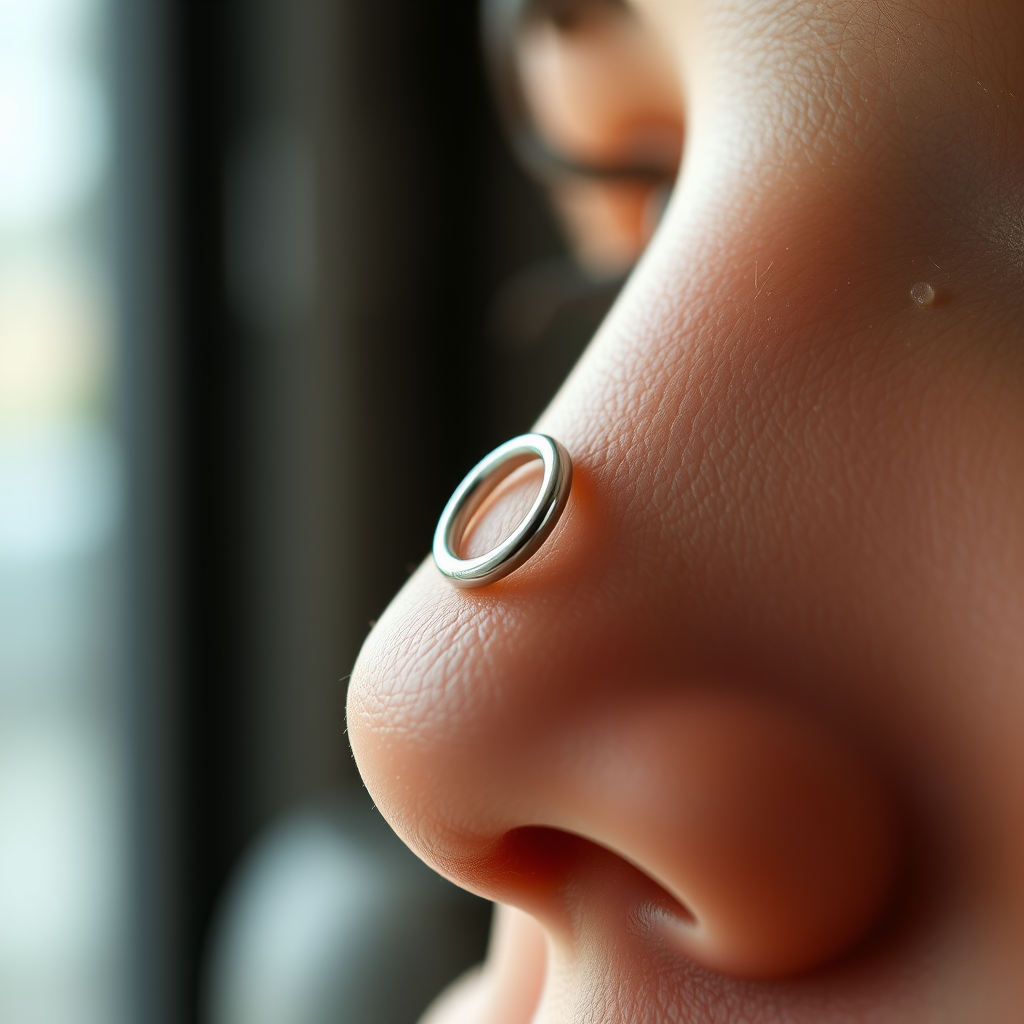
The most prevalent sizes for nose rings are 20 gauge (0.8 mm) and 18 gauge (1.0 mm). The choice between these sizes often depends on individual preference, aesthetic considerations, and the intended style of jewelry. For example, the 20 gauge is ideal for those who prefer a delicate look, whereas the 18 gauge offers slightly more durability and can accommodate a wider range of jewelry styles, such as studs and hoops.
Some people may opt for a 16 gauge (1.2 mm) for larger piercings or if they desire a bolder statement piece. However, it’s important to note that larger gauges can be more painful to pierce and may require a longer healing time. Additionally, individuals with thicker skin or those who have previously worn larger gauges may find 16 gauge more suitable.
Choosing the Right Gauge for Your Piercing
When selecting the right gauge for your nose piercing, several factors come into play. Healing time is a primary consideration; thinner gauges, such as 20 gauge, may be more comfortable initially and can help minimize the trauma to the skin. However, personal preference and style also significantly influence gauge size selection.
If you have a specific type of jewelry in mind, such as a particular style of stud or hoop, you should choose a gauge that accommodates that jewelry while still being appropriate for your piercing. Additionally, consider consulting with a professional piercer who can provide guidance tailored to your anatomy and personal style.
It’s also essential to think about how the size of the jewelry will complement your features. Thinner jewelry may create a more subtle look, while thicker pieces can make a bolder statement. Ultimately, the choice should align with your comfort, healing considerations, and aesthetic preferences.
Materials Used in Nose Rings
The materials used in nose rings are just as important as the gauge size. High-quality materials like titanium, surgical steel, and gold are recommended for new piercings due to their biocompatibility and resistance to corrosion. Titanium is particularly favored for its lightweight properties and hypoallergenic nature, making it an excellent option for individuals with sensitive skin or a history of allergic reactions.
Surgical steel is another popular choice known for its durability and strength, but it is essential to ensure it is of high quality to avoid any nickel content that could trigger allergies. On the other hand, gold can be an excellent option for those looking for something more luxurious; however, it’s crucial to choose solid gold (14k or higher) rather than gold-plated options, as the latter can wear off over time and may lead to irritation.
Avoid cheap materials, such as brass or low-quality metals, as they can increase the risk of infection or allergic reactions. Always prioritize your health and comfort when selecting jewelry for your nose piercing, as this will contribute to a more enjoyable experience in the long run.
Tips for Maintaining Your Nose Piercing
Proper maintenance of your nose piercing is vital to ensure quick healing and prevent infections. Cleaning your piercing regularly with saline solution or an antiseptic recommended by your piercer is essential. Saline solution can be easily made at home by mixing one teaspoon of salt with eight ounces of distilled water, creating a gentle cleaning solution that helps keep the area free from bacteria.
Additionally, avoid touching or changing your nose ring too soon, as this can lead to irritation and complications. Allow the piercing to heal fully—typically 4 to 6 months for a nose piercing—before considering any changes to the jewelry. During this healing phase, monitor the piercing for any signs of irritation or infection.
It’s also beneficial to avoid swimming in pools, hot tubs, or natural bodies of water during the healing process, as these environments can introduce bacteria that may jeopardize the healing of your piercing.
Signs of Trouble with Your Nose Piercing
Be vigilant for signs that may indicate complications with your nose piercing. Symptoms such as excessive redness, swelling, or discharge—especially if it is a green or yellow color—could suggest an infection. Other warning signs include persistent pain, an increase in temperature around the piercing site, or the development of a lump.
If you notice any of these concerning symptoms, it’s crucial to consult a professional piercer or healthcare provider as soon as possible. They can assess the situation, provide treatment options, and guide you on how to care for your piercing effectively.
Nose piercings can be a beautiful form of self-expression, and understanding the standard gauge sizes helps ensure you choose the right jewelry for your needs. By following the recommendations outlined in this article, you can enjoy your piercing safely and stylishly. If you’re considering getting a nose ring, take the time to research and choose wisely!
Frequently Asked Questions
What is the standard nose ring gauge size?
The standard nose ring gauge size typically ranges from 20 to 18 gauge. The 20 gauge is thinner, measuring about 0.8 mm in diameter, while the 18 gauge is slightly thicker at approximately 1.0 mm. Most piercers recommend starting with a 20 gauge for initial piercings, as it’s less likely to cause discomfort and allows for easier healing.
How do I choose the right gauge for my nose ring?
Choosing the right gauge for your nose ring depends on your personal preference and the specific piercing. If you’re getting your nose pierced for the first time, a 20 gauge is commonly used, but some may opt for an 18 gauge for a sturdier option. It’s essential to consult with your professional piercer, who can recommend the best gauge based on your anatomy and the type of jewelry you prefer.
Why does the gauge size matter for nose rings?
The gauge size matters for nose rings because it affects both the fit and comfort of the jewelry. A smaller gauge (thinner) can be less noticeable and more comfortable, while a larger gauge (thicker) may be more durable but can cause irritation if the piercing is new. Additionally, the gauge size influences the type of jewelry available, as some designs may only be compatible with specific gauges.
Which materials are best for nose rings in standard gauges?
The best materials for nose rings in standard gauges include surgical stainless steel, titanium, and niobium, as they are hypoallergenic and suitable for sensitive skin. Gold (14k or higher) is also a popular choice, but ensure it’s alloyed properly to avoid irritation. Avoid cheap metals, as they may contain nickel or other allergens that can cause infections or allergic reactions.
What should I do if my nose ring feels too tight or loose?
If your nose ring feels too tight, it may be a sign of swelling or irritation, especially if the piercing is new. In such cases, try not to touch or change the jewelry until the swelling subsides. If the ring feels too loose, it could lead to the ring falling out or getting lost, so consider visiting your piercer for a size adjustment or to get a different gauge that fits better. Regular monitoring of your nose ring’s fit is essential for maintaining comfort and preventing complications.