Getting the right size for a nose ring is crucial for comfort and style. The most common standard size for nose rings is typically 20 gauge (0.8 mm) for nostril piercings, although there are variations depending on personal preference and anatomy. Selecting the right size ensures not only a comfortable fit but also enhances the overall aesthetic appeal of the jewelry. In this article, you will learn about the standard sizes, types of nose rings, and tips for selecting the perfect one.
Understanding Nose Ring Gauges

The gauge of a nose ring refers to its thickness, with a lower number indicating a thicker piece of jewelry. The standard gauges for nose rings typically range from 18 to 22, where 20 gauge is the most commonly chosen size for nostril piercings. Understanding gauge sizing is essential, as it impacts both the comfort level and the visual impact of the jewelry.
For example, a 20 gauge nose ring will sit comfortably in a healed nostril piercing without causing irritation, while an 18 gauge (1.0 mm) option may offer a more substantial look but could feel tighter for some individuals. Conversely, 22 gauge (0.6 mm) rings provide a more delicate appearance but may not be suitable for everyone, especially those with thicker cartilage. It’s important to consider these variations when selecting the right gauge for your nose ring.
Types of Nose Rings

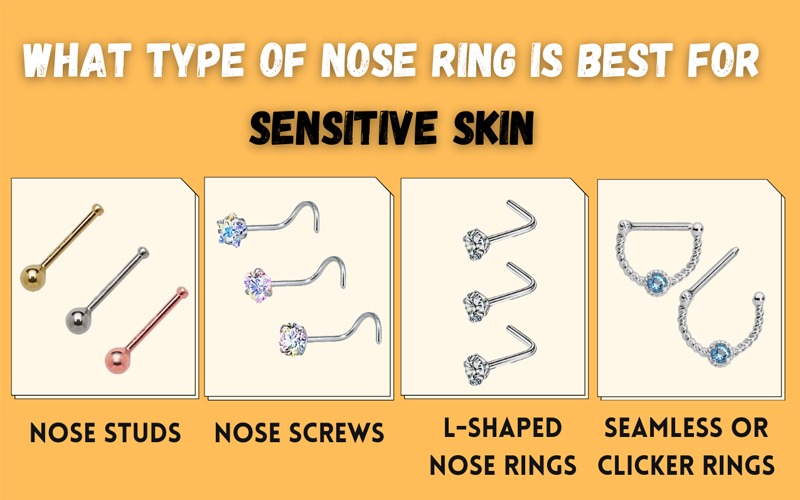
Nose rings come in a variety of styles, each offering a distinct look and feel. The most popular types include hoops, studs, and captive bead rings, each of which may require different gauge sizes for a proper fit.
– Hoops: These are circular rings that can vary in diameter and thickness. Hoops are often chosen for their boldness and can range in size from small, subtle hoops to larger statement pieces. It’s essential to select a hoop that fits snugly but comfortably in the piercing to avoid irritation.
– Studs: This style typically features a decorative element on one end, such as a gemstone or charm, and a post that fits through the piercing. Studs are often available in various gauge sizes, with 20 gauge being standard, and are ideal for everyday wear due to their low profile.
– Captive Bead Rings: These consist of a metal ring with a bead that is held in place by the tension of the ring. They are versatile and can be worn in various piercings, including nostrils and septums. The gauge size for captive bead rings is crucial, as it determines how securely the bead fits, impacting comfort and safety.
When choosing a style, consider how it aligns with your personal aesthetic and the overall vibe you wish to convey.
Measuring for the Right Size
Measuring for the right size is crucial to ensure your nose ring fits appropriately. You can use a caliper or a ruler to measure the diameter and gauge of your existing jewelry. If you’re considering a new piercing, visit a professional piercer who can help determine the best gauge and size based on your anatomy.
When measuring, take into account not only the thickness of the jewelry but also the distance between the piercing and the surrounding skin. This will help you avoid jewelry that is too tight or too loose, both of which can lead to discomfort. Additionally, different styles of nose rings may affect how they sit in your piercing, so be sure to factor in the type of jewelry you plan to wear.
Materials Used for Nose Rings
The material of your nose ring plays a significant role in both comfort and aesthetics. Common materials include surgical steel, titanium, gold, and acrylic, each offering distinct advantages.
– Surgical Steel: This is a popular choice due to its durability and affordability. Surgical steel is also hypoallergenic, making it suitable for individuals with sensitive skin.
– Titanium: Known for its lightweight nature and strength, titanium is an excellent option for those prone to allergies or skin irritations. It is often used in higher-quality jewelry and is available in various colors.
– Gold: Gold nose rings, whether solid or plated, provide a luxurious look. However, it is essential to ensure that the gold is of high quality (14k or higher) to minimize the risk of allergic reactions.
– Acrylic: Often used for decorative pieces, acrylic nose rings are lightweight and come in a range of colors and designs. While they may be less durable than metal options, they can be a fun addition to your jewelry collection.
Choosing hypoallergenic materials can help prevent irritation and allergic reactions, making it a vital consideration for anyone with sensitive skin or a history of allergic reactions to metal.
Tips for Choosing a Nose Ring
When selecting a nose ring, there are several factors to consider that can enhance your experience and enjoyment of the jewelry.
1. Consider Your Lifestyle: Think about how often you’ll wear the ring and in what situations. If you lead an active lifestyle, a stud may be more practical than a hoop, which could get caught on clothing or equipment.
2. Personal Style: Your nose ring should complement your overall look. Consider the colors, shapes, and materials that resonate with your personal style. For example, if you prefer minimalist fashion, a simple stud may be the best choice, while a bold hoop could suit someone who enjoys making a statement.
3. Comfort and Fit: Ensure that the jewelry feels comfortable throughout the day. If possible, try on different styles and sizes to find the most suitable fit. Remember that a well-fitting nose ring should not cause pain or irritation.
4. Consultation: If you’re uncertain about the right size or style, don’t hesitate to consult with a professional piercer. They can provide valuable insights based on your specific anatomy and preferences.
5. Research Trends: Stay informed about current trends in nose jewelry, as styles can evolve. Following fashion influencers or visiting jewelry stores can provide inspiration for your next purchase.
Aftercare for Nose Piercings
Proper aftercare is essential to ensure a healthy healing process for your nose piercing. Following a few simple guidelines can help prevent infection and irritation.1. Cleaning Routine: Clean your piercing regularly with a saline solution or a mild, fragrance-free soap. Avoid using alcohol or hydrogen peroxide, as these can dry out the piercing and delay healing.
2. Avoid Touching: Refrain from touching your nose ring with unwashed hands, as this can introduce bacteria. If you need to adjust your jewelry, be sure to wash your hands first.
3. Changing Jewelry: Avoid changing your jewelry too soon. Allow your piercing to heal completely, which typically takes about 6 to 8 weeks for nostril piercings. Changing jewelry prematurely can lead to complications, including irritation and infection.
4. Monitor for Issues: Keep an eye on your piercing for any signs of infection, such as excessive redness, swelling, or discharge. If you notice any concerning symptoms, consult a healthcare professional.
5. Avoid Swimming: During the healing process, it’s advisable to avoid swimming pools, hot tubs, and natural bodies of water to reduce the risk of infection.
In summary, the standard size for a nose ring is typically 20 gauge, but it can vary based on personal preference and the specific style you choose. Make sure to consider factors such as material, fit, and aftercare when selecting your nose ring. By understanding the different types, gauges, and care practices, you can confidently choose a nose ring that not only fits well but also reflects your unique style. Explore different styles and find the one that best suits your personality!
Frequently Asked Questions
What is the standard size for a nose ring?
The standard size for a nose ring typically varies between 20 gauge (0.8 mm) and 18 gauge (1.0 mm). Most people choose a 20 gauge for nostril piercings, while 18 gauge is often used for septum piercings. It’s important to consider the thickness of the jewelry, as this can affect comfort and healing.
How do I choose the right size for my nose ring?
To choose the right size for your nose ring, you should first determine the gauge of your piercing, which can usually be found in your piercer’s records. Additionally, consider the diameter of the ring; standard nostril rings often have a diameter ranging from 6 mm to 10 mm. If you’re unsure, consulting with a professional piercer can help you find the best fit for your unique anatomy.
Why is it important to know the size of a nose ring?
Knowing the size of a nose ring is crucial for ensuring comfort and proper healing post-piercing. An ill-fitting nose ring can lead to irritation, increased risk of infection, or difficulties in wearing the jewelry. Understanding the correct size also allows you to select jewelry that enhances your look without compromising on safety.
What is the best material for a standard nose ring size?
The best materials for a standard nose ring size include surgical stainless steel, titanium, and gold, especially for those with sensitive skin. Surgical stainless steel is hypoallergenic and resistant to tarnishing, making it an excellent choice for new piercings. Titanium is even more biocompatible and lighter, while gold (14k or higher) provides a luxurious option that is still safe for most wearers.
Which nose ring styles are most popular for standard sizes?
Popular nose ring styles for standard sizes include studs, hoops, and captive bead rings. Studs are ideal for a subtle look and are commonly used for nostril piercings, while hoops and captive bead rings offer a bolder appearance and can be used for both nostrils and septum piercings. Each style can be found in various materials and designs, allowing for personal expression while adhering to standard sizing.