The Significance of Tupac’s Nose Ring
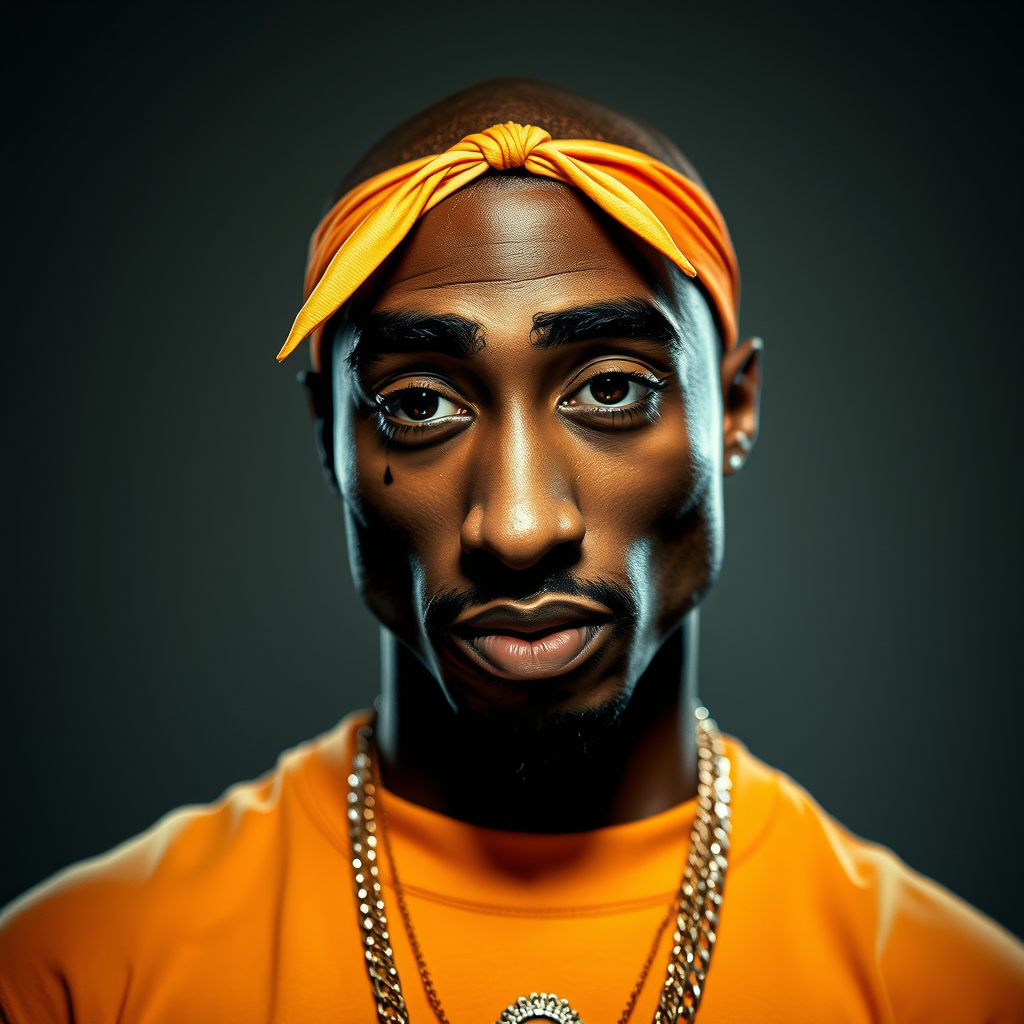
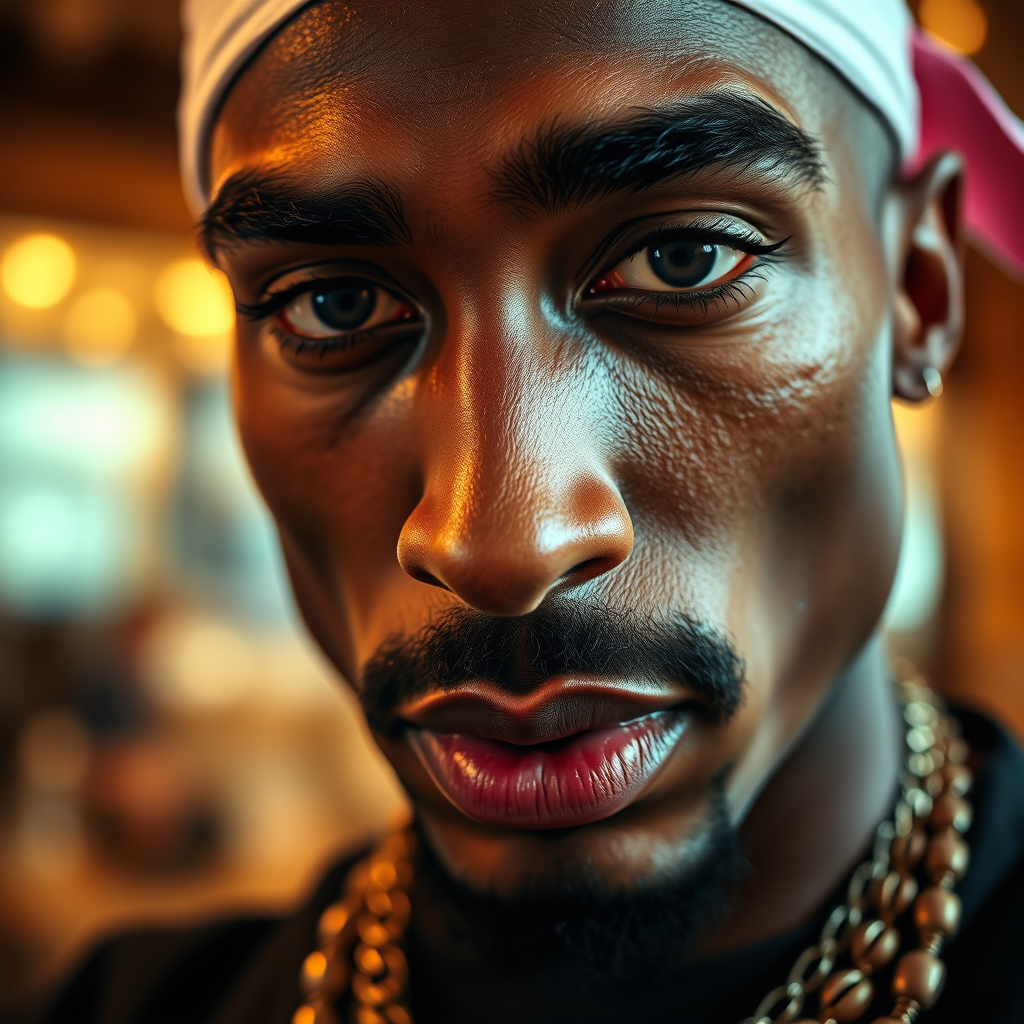
The nose ring was a symbol of Tupac’s rebellious spirit, embodying his defiance against societal norms and expectations. In a world where mainstream artists often conformed to traditional standards of masculinity, Tupac’s choice to wear a nose ring challenged those conventions. It served as a testament to his individuality and willingness to express himself in a manner that resonated with the struggles and aspirations of his audience.
Furthermore, the nose ring reflected his deep connection to street culture and hip-hop fashion, which were integral to his identity as an artist. The 1990s were marked by a surge of creativity in hip-hop, where fashion became an essential component of an artist’s persona. For Tupac, the nose ring was part of a broader aesthetic that included baggy clothing, statement jewelry, and a bold attitude. It was a visual representation of his authenticity and an emblem of the raw emotions that permeated his music.
Tupac’s Style and Image
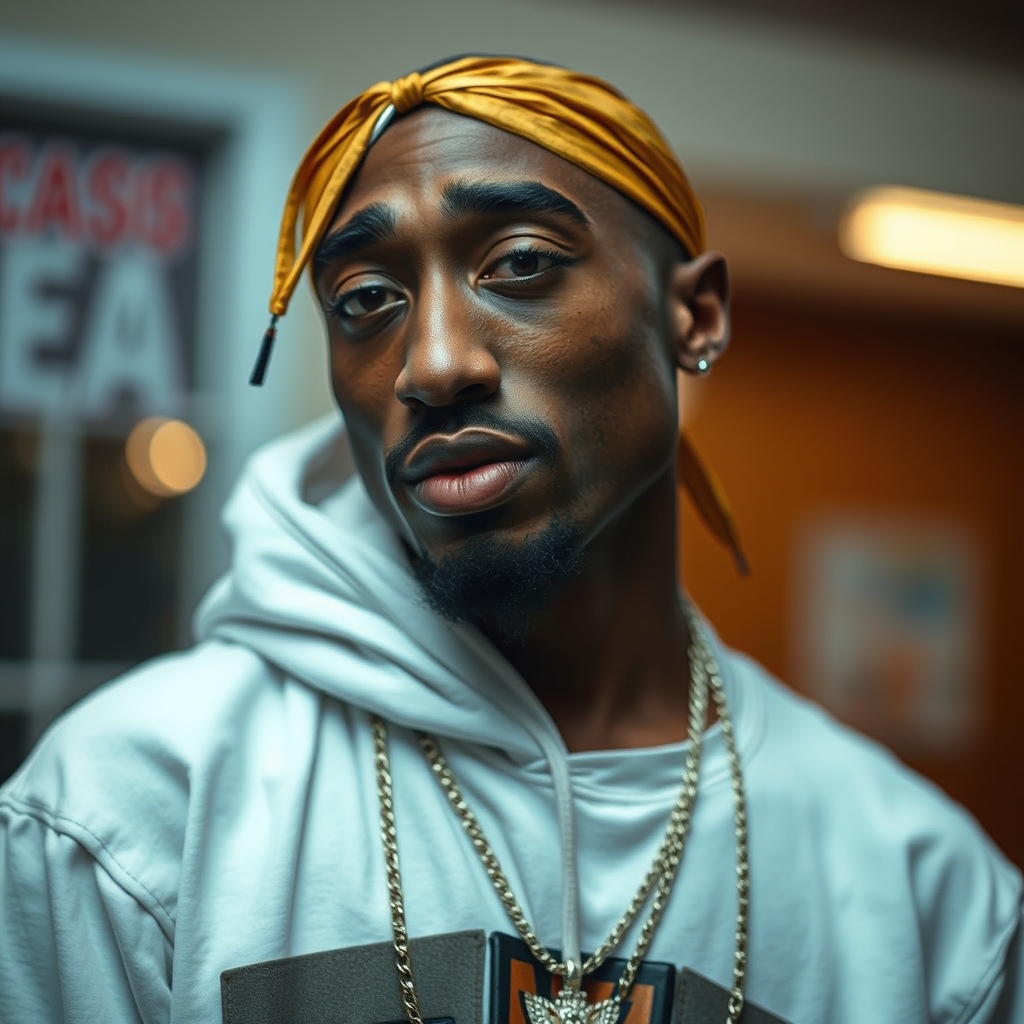
Tupac’s nose ring contributed significantly to his overall persona as a rapper, shaping how fans and critics perceived him. His style was a fusion of streetwear and high fashion, often characterized by a blend of casual and provocative elements. The nose ring, prominently displayed on his right side, complemented his intense gaze and fierce demeanor, adding to his magnetic presence.
His fashion choices had a profound influence on fans and the hip-hop community at large. Many young fans sought to emulate his look, adopting similar styles that included nose rings, tattoos, and oversized clothing. This phenomenon created a ripple effect, solidifying Tupac’s status as a cultural icon. The nose ring became more than just an accessory; it was a part of a movement that encouraged self-expression and individuality within the hip-hop genre.
Cultural Context of Nose Rings
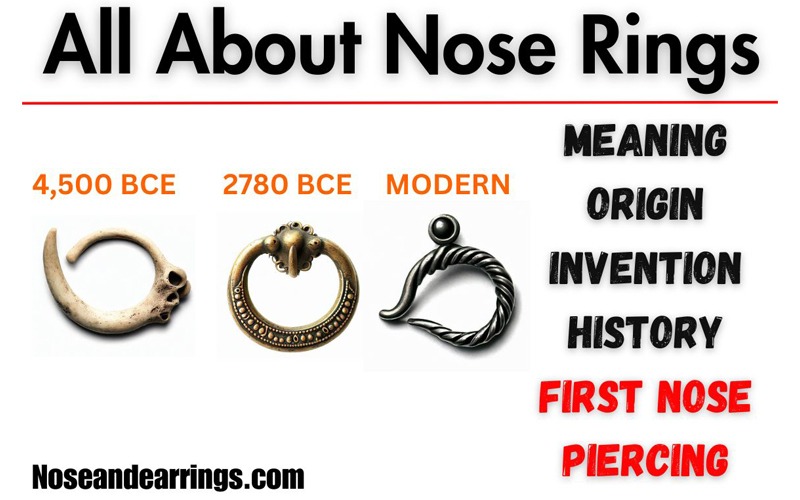
The history of nose rings spans various cultures and carries multiple meanings. In many South Asian cultures, for example, nose rings are traditionally worn by women as a symbol of marriage or cultural identity. In contrast, in Western contexts, nose rings have often been associated with rebellion, nonconformity, and alternative lifestyles.
Tupac’s choice to wear a nose ring in the 1990s reflected these broader cultural trends, as the decade saw a rise in body modification as a form of personal expression. His decision to wear the ring on the right side also had its roots in cultural symbolism, with some interpretations linking it to ideas of masculinity and sexuality. By adopting this accessory, Tupac not only paid homage to various cultural traditions but also positioned himself as a leader in a transformative era for hip-hop and fashion.
Fan Reactions and Interpretations
Fans have had diverse opinions about the meaning behind Tupac’s nose ring, reflecting the complexity of his identity. For some, the ring represented a fearless embrace of self-expression, while for others, it was emblematic of a deeper commentary on societal expectations. Many fans viewed it as a badge of honor, signifying Tupac’s refusal to conform to the limitations imposed by society.
The impact of the nose ring on Tupac’s legacy is undeniable. It has become an iconic symbol that continues to evoke discussions about identity, artistry, and the power of personal expression. As a result, the nose ring has transcended its original context, becoming a part of the mythology surrounding Tupac and contributing to his enduring influence in music and culture.
Comparison with Other Artists
Tupac was not the only artist to embrace the nose ring as a form of self-expression; other notable artists have also worn them, each with their unique significance. For instance, artists like Lil Wayne and A$AP Rocky have sported nose rings, often using them to convey their individuality and style. These choices reflect a broader trend among contemporary artists who utilize fashion as a means of self-definition.
However, Tupac’s style set trends in the music industry that resonated deeply within the hip-hop community. He was often seen as a pioneer, and his bold fashion statements, including the nose ring, paved the way for future artists to explore their identities through fashion. This legacy extends beyond just the nose ring, as Tupac’s overall image influenced countless musicians in their quest for authenticity and self-expression.
Legacy of Tupac’s Nose Ring
The lasting impact of Tupac’s fashion choices, particularly his nose ring, on hip-hop culture cannot be overstated. His ability to blend personal style with social commentary has inspired numerous artists who followed in his footsteps. The nose ring has become a symbol of rebellion and individuality, encouraging future generations of musicians to embrace their unique identities.
Moreover, the influence of Tupac’s style can still be seen in today’s hip-hop and pop culture, where artists continue to use fashion as a powerful form of self-expression. The nose ring has evolved into a statement piece that many young artists adopt to convey messages of empowerment, making Tupac’s legacy resonate long after his passing.
His decision to wear the nose ring on the right side has become an essential part of his legacy, representing more than just a fashion statement. It serves as a reminder of the importance of authenticity and self-expression in music and culture, inspiring discussions that remain relevant today.
In summary, Tupac’s nose ring is far more than a simple piece of jewelry; it is a powerful symbol of his artistic identity and cultural significance. From its roots in rebellion and individuality to its lasting impact on hip-hop fashion, the nose ring continues to serve as a testament to Tupac’s enduring legacy in music and beyond.
Frequently Asked Questions
What side was Tupac’s nose ring on?
Tupac Shakur famously wore his nose ring on the right side. This distinctive accessory became one of his signature looks, symbolizing his bold personality and unique style. Fans and admirers often associate the right-side nose ring with his iconic image, adding to his allure as a cultural and musical figure.
Why did Tupac choose to wear a nose ring?
Tupac chose to wear a nose ring as a form of self-expression and individuality. In the 1990s, body piercings were becoming more popular in hip-hop culture, and for Tupac, the nose ring represented rebellion against societal norms. His bold fashion choices, including the nose ring, helped solidify his identity as an influential artist who pushed boundaries in both music and style.
How did Tupac’s nose ring influence hip-hop fashion?
Tupac’s nose ring significantly influenced hip-hop fashion by popularizing body piercings among male artists. His unique style, characterized by bandanas, oversized clothing, and the iconic nose ring, inspired a new wave of fashion that embraced personal expression and individuality. This trend has continued to evolve, with many contemporary hip-hop artists incorporating similar accessories into their looks.
Which other celebrities have worn nose rings like Tupac?
Several celebrities have embraced nose rings, inspired by Tupac’s bold style. Notable figures include rappers like Lil Wayne and Travis Scott, as well as artists like Rihanna and Miley Cyrus. These stars have contributed to the ongoing popularity of nose rings in mainstream culture, showcasing how this accessory can enhance personal style and statement-making fashion.
What does wearing a nose ring symbolize in today’s culture?
In today’s culture, wearing a nose ring can symbolize various meanings, including individuality, rebellion, and non-conformity. It often signifies a person’s unique identity or a desire to stand out. As an accessory, it has transcended its initial cultural associations, becoming a popular fashion choice among diverse demographics, reflecting personal style and self-expression.