Getting a nose ring is exciting, but knowing when to change it can be confusing. Generally, you should wait about 6 to 8 weeks before changing your nose ring after getting it pierced. This timeframe allows for proper healing and reduces the risk of infection. However, the healing process can vary based on several factors, so it’s essential to understand the nuances involved. In this article, we’ll explore healing timelines, signs your piercing is ready for a jewelry change, and tips for making the switch safely.
Understanding the Healing Process
The healing time for a nose piercing typically ranges from 4 to 6 months, depending on various individual factors. During the initial healing phase, which usually lasts about 6 to 8 weeks, your body works to form tissue around the piercing site. This tissue, known as granulation tissue, is sensitive and may cause discomfort. It is crucial to allow this initial healing period to complete before considering a change in jewelry. Rushing the process can lead to complications such as infections, prolonged healing times, or even piercing rejection.
Moreover, it’s vital to recognize that the outer appearance of the piercing might appear healed sooner than the underlying tissue. Therefore, patience is key. Even if the area looks good on the surface, the piercing may still be healing internally, which is why adhering to the recommended timeframe is essential.
Factors Influencing Healing Time
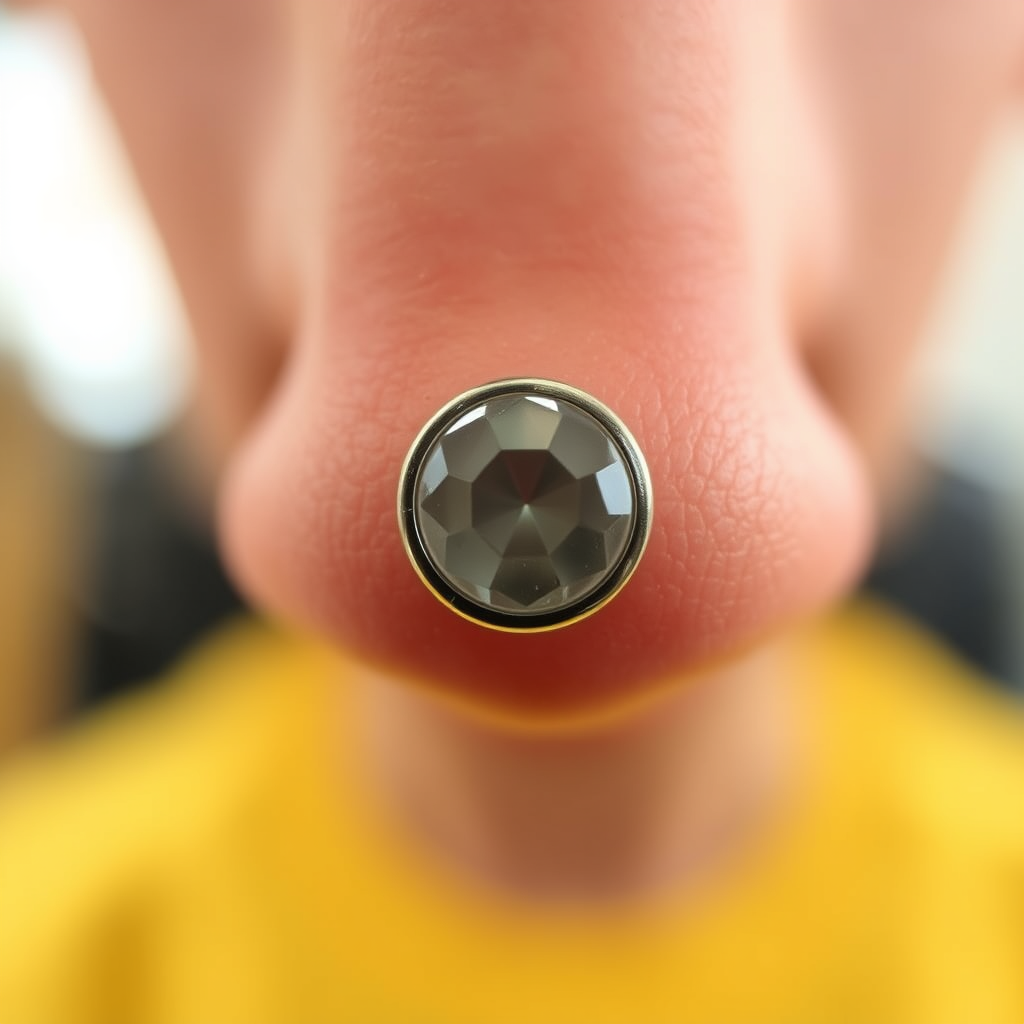
Several factors can influence how quickly your nose piercing heals. Individual healing rates vary significantly based on skin type, age, and overall health. For instance, younger individuals and those with generally healthy skin may experience faster healing than older adults or those with skin conditions. The location of the piercing itself also plays a role; piercings near the nostrils may heal differently compared to those done in the septum.
Lifestyle choices and habits can further affect healing. If you smoke, have certain chronic health conditions, or engage in activities that might irritate the piercing, you may experience delayed healing. Additionally, the material of the jewelry can impact healing; for example, nickel and other non-hypoallergenic metals can cause allergic reactions, increasing the likelihood of complications. Therefore, choosing the right jewelry material and maintaining proper aftercare routines are critical.
Signs Your Nose Piercing is Ready for a Change
Before changing your nose ring, it’s important to recognize the signs that indicate your piercing is ready. A healed piercing will generally show reduced tenderness, swelling, and any discharge. You should not experience any persistent pain, itching, or burning sensations. If the area feels comfortable and appears free from redness or irritation, it’s a good indication that it’s safe to switch out your jewelry.
Monitoring your piercing for these signs can help you avoid premature changes that might lead to complications. If you have any doubts, it’s wise to consult your piercer or a healthcare professional for personalized advice. They can assess the site and confirm whether it’s ready for a jewelry change.
Choosing the Right Jewelry
When it comes time to select your new nose ring, choosing the right jewelry is essential for both comfort and health. Opt for hypoallergenic materials such as titanium, surgical stainless steel, or gold (at least 14k) to minimize the risk of allergic reactions and irritation. These materials are durable and less likely to cause sensitivities compared to cheaper alternatives.
In addition to the material, consider the gauge size of the jewelry. A gauge that is too large may not fit comfortably, while one that is too small could lead to complications. It’s best to consult with your piercer regarding the appropriate gauge for your newly healed piercing. Style options are also abundant, from studs to hoops, allowing you to express your unique personality while ensuring that your choice is practical and safe.
Safe Changing Techniques
Changing your nose ring should be done with care to avoid any trauma to the piercing. Always wash your hands thoroughly before touching your piercing or jewelry. This step is crucial in preventing any introduction of bacteria that could lead to infection.
Before changing the jewelry, clean the area with a saline solution to reduce the risk of infection. Applying a bit of antiseptic or an antimicrobial solution can also be beneficial. When removing the old jewelry, do so gently to avoid causing any damage to the surrounding tissue. Insert the new jewelry with a steady hand; if you encounter resistance, don’t force it, as this could lead to injury.
After changing the jewelry, continue to monitor the piercing for any signs of complications, such as unusual swelling or discharge.
Aftercare Tips Post-Change
Once you have successfully changed your nose ring, it’s essential to continue practicing good aftercare to ensure the health of your piercing. Clean the area regularly with a saline solution, ideally twice a day, to keep it free from bacteria and irritation. Be gentle when cleaning; avoid harsh scrubbing that could traumatize the healing tissue.
Additionally, keep an eye on your piercing for any unusual symptoms, such as persistent redness, pain, or discharge that has a foul odor. If you notice any of these signs, it may indicate an infection, and seeking professional advice promptly is crucial. Avoid swimming in pools or hot tubs and refrain from using makeup on the area until it is fully healed to minimize the risk of irritation.
Maintaining proper care and being aware of your body’s healing process is essential when it comes to changing your nose ring. By following these guidelines, you can enjoy your new jewelry while ensuring your piercing remains healthy. If ever in doubt, consult with your piercer for personalized advice and recommendations. Ultimately, understanding the healing process and its influencing factors will empower you to make informed decisions regarding your nose piercing care.
Frequently Asked Questions
When is the best time to change my nose ring after piercing?
The best time to change your nose ring after piercing is typically between 2 to 3 months. However, this can vary based on individual healing rates and the type of piercing. It’s crucial to ensure that the piercing has fully healed to avoid complications such as irritation or infection. Always consult with your piercer or a healthcare professional if you’re unsure.
How can I tell if my nose piercing is healed enough to change the ring?
To determine if your nose piercing is healed enough to change the ring, look for signs such as reduced swelling, no discharge, and a consistent skin color around the piercing. If the area feels tender or painful, or if you notice any unusual redness, it’s best to wait longer before changing the jewelry. Patience is key, as rushing the process can lead to complications.
Why is it important to wait before changing my nose ring?
It is important to wait before changing your nose ring because the piercing needs adequate time to heal, which usually takes about 2 to 4 months. Changing the jewelry too soon can irritate the piercing, leading to infections or scarring. Proper healing allows the skin to settle around the jewelry, reducing the risk of complications.
What type of jewelry is best for changing my nose ring after piercing?
The best type of jewelry for changing your nose ring after piercing is high-quality, hypoallergenic materials such as titanium, surgical stainless steel, or gold that is at least 14k. These materials are less likely to cause allergic reactions or irritation, ensuring a safer and more comfortable transition. Avoid cheap metals or jewelry with nickel, as these can exacerbate irritation.
Which aftercare practices should I follow before and after changing my nose ring?
Before and after changing your nose ring, it’s essential to follow proper aftercare practices. Clean your hands thoroughly and use saline solution or a gentle antiseptic to clean the area around the piercing. After changing the ring, continue with regular cleaning and avoid touching the area unnecessarily to prevent irritation. Keeping the piercing clean and dry will help ensure a smooth transition.
References
- https://www.aafp.org/pubs/afp/issues/2011/0315/p672.html
- https://www.ncbi.nlm.nih.gov/pmc/articles/PMC5370802/
- https://www.healthline.com/health/nose-piercing-care
- https://www.mayoclinic.org/healthy-lifestyle/adult-health/expert-answers/nose-piercing/faq-20057810
- https://www.verywellhealth.com/nose-piercing-aftercare-5072780