Nose rings can develop an unpleasant smell due to a buildup of bacteria, dead skin cells, and oils from your skin. This odor is often exacerbated by improper cleaning, the choice of jewelry material, or even an infection. Understanding the factors that contribute to this issue allows for better maintenance and care, ensuring that your piercing remains both comfortable and aesthetically pleasing. In this article, we will explore the reasons behind the smell, how to maintain your nose ring, and tips for preventing odors.
Understanding the Causes of Nose Ring Odor

One of the primary reasons why a nose ring may emit a foul smell is bacterial growth. The human body is home to countless microorganisms, and when a piercing is present, these natural bacteria can thrive in the environment created by the piercing. The moisture and warmth around the nose ring create an ideal habitat for these bacteria, leading to the production of odor.
Additionally, skin oils and sweat contribute significantly to this problem. The body’s sebaceous glands produce oils that help to keep the skin moisturized; however, these oils can accumulate around the piercing site, especially if the area is not cleaned regularly. When combined with dead skin cells, this buildup can create an unpleasant smell that can be quite off-putting.
Jewelry Material Matters
The material of your nose ring is crucial in determining not only comfort but also the potential for odor. For individuals with a nickel allergy, wearing jewelry that contains this metal can lead to irritation, inflammation, and ultimately, a distinctive odor. Nickel allergies are relatively common and can manifest as redness or a rash around the piercing site, further contributing to the unpleasant smell.
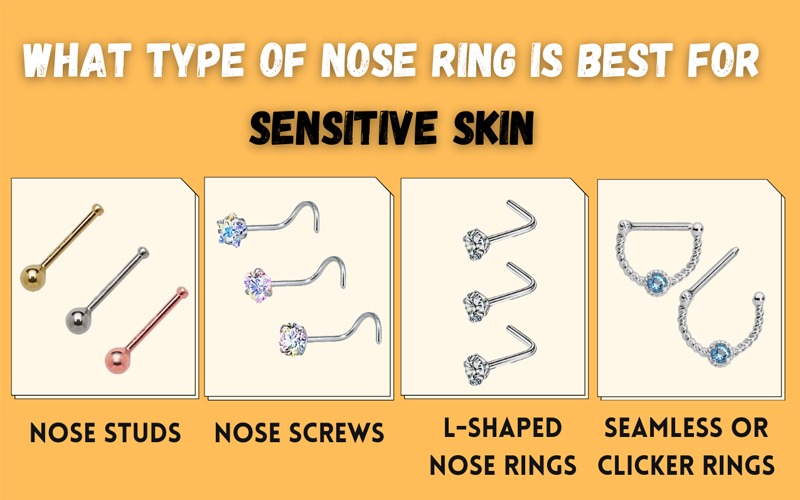
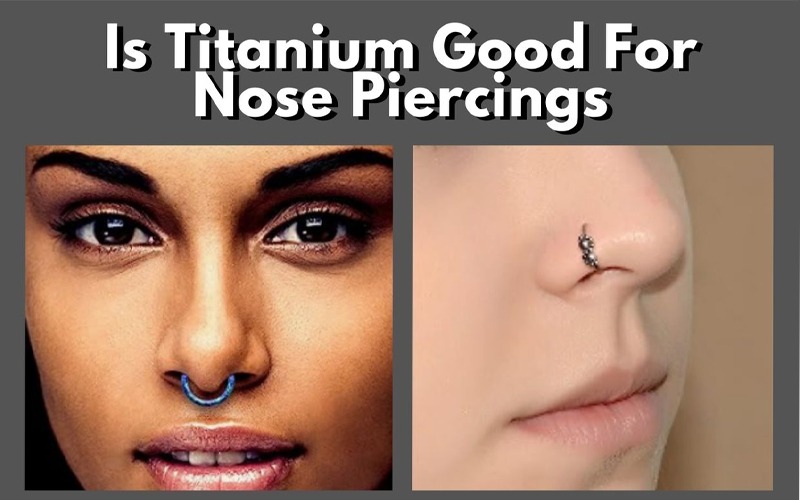
Moreover, the quality of the jewelry itself plays a significant role in odor production. Low-quality materials can corrode over time, releasing compounds that emit unpleasant smells. Investing in high-quality jewelry made from materials like surgical stainless steel, titanium, or gold can minimize these risks. These materials are less likely to react with the skin or corrode, making them a more hygienic choice.
Proper Hygiene Practices
Maintaining proper hygiene is essential for preventing odor from your nose ring. Regular cleaning is vital; ideally, you should clean your nose ring daily to minimize the buildup of bacteria and oils. You can use a saline solution or a specialized piercing solution recommended by professional piercers. These solutions help to cleanse the area effectively without causing irritation.
When cleaning your nose ring, be gentle. Use a soft cloth or a cotton swab to avoid causing unnecessary trauma to the piercing. Avoid using harsh chemicals or alcohol-based products, as they can dry out the skin and lead to irritation, ultimately creating a more favorable environment for bacteria.
Signs of Infection
It’s important to recognize the signs of infection, as these can often be accompanied by an odor. Increased redness or swelling around the piercing site is a common indicator that something may be wrong. If these symptoms are present and accompanied by a foul smell, it’s crucial to take action.
Another significant sign of infection is the presence of discharge. If you notice pus or any unusual discharge coming from the piercing, this is a clear signal that you need to seek medical attention. Infections can escalate quickly if left untreated, leading to more severe complications such as abscess formation or systemic infections.
Tips for Preventing Nose Ring Smell
Preventing unpleasant smells from your nose ring involves a combination of choosing the right jewelry and maintaining good hygiene practices. First and foremost, opt for high-quality jewelry made from materials that are less likely to cause irritation, such as surgical stainless steel, titanium, or gold. These materials not only minimize the risk of allergic reactions but also resist corrosion, reducing the likelihood of unpleasant odors.
Additionally, it is advisable to avoid touching your nose ring unnecessarily. Each time you touch your nose or jewelry, you transfer oils and bacteria from your hands to the piercing site. The less you touch your nose ring, the lower the chance of odor development.
Regularly changing any piercings and allowing your skin to breathe can also help in maintaining freshness. If you’ve had your piercing for a while, consider consulting with a professional about switching to a new piece of jewelry that may better suit your skin type.
When to Seek Professional Help
If you find that your nose ring has a persistent odor despite following proper hygiene practices, it may be necessary to consult a piercer or healthcare professional. A persistent smell can indicate an underlying issue that might require professional intervention.
Additionally, if you notice any symptoms of infection, such as severe swelling, pain, or discharge, it is critical to seek medical advice promptly. Early intervention can help prevent complications and ensure that your piercing heals properly.
Maintaining your nose ring can help prevent unpleasant odors and ensure your piercing stays healthy. By understanding the causes and implementing proper care, you can enjoy your nose ring without the worry of unwanted smells. If you notice persistent issues, don’t hesitate to consult a professional for further assistance. Taking proactive steps in your nose ring care will not only enhance your comfort but also contribute to a more pleasant wearing experience.
Frequently Asked Questions
Why does my nose ring smell bad?
A bad smell from your nose ring can be attributed to several factors, including the accumulation of bacteria, dead skin cells, and sebum (natural oil produced by the skin). When these substances build up around the piercing, they can create an unpleasant odor. It’s important to maintain proper hygiene by cleaning the area regularly with saline solution or a gentle antiseptic to prevent this issue.
How can I prevent my nose ring from smelling?
To prevent your nose ring from developing a foul odor, make sure to clean your piercing daily with a saline solution or an antiseptic designed for piercings. Additionally, avoid touching your nose ring with dirty hands and be mindful of products like makeup or lotions that can lead to build-up. Regularly changing the jewelry to high-quality materials such as titanium or surgical stainless steel can also help minimize odor.
What should I do if my nose ring smells despite cleaning it?
If your nose ring continues to smell despite regular cleaning, it may indicate an infection or an allergic reaction to the jewelry material. In this case, it’s best to consult a professional piercer or a healthcare provider to assess the situation. They may recommend removing the jewelry temporarily and switching to hypoallergenic materials to prevent further irritation.
Which types of materials are best for preventing nose ring odor?
The best materials for preventing nose ring odor include surgical stainless steel, titanium, and niobium, as they are less likely to cause allergic reactions or irritation. Avoid using jewelry made from materials like nickel or brass, which can lead to increased bacteria growth and unpleasant smells. Opting for high-quality jewelry not only reduces odor but also promotes better healing of the piercing.
Why does my nose piercing smell like metal?
If your nose piercing has a metallic smell, it could be due to a reaction between your skin’s natural oils and the metal of the jewelry. This reaction can occur if the jewelry is made from lower-quality materials that corrode easily. To mitigate this issue, consider switching to higher-quality, non-reactive metals and ensure you keep the area clean to reduce odor and irritation.
References
- https://www.healthline.com/health/nose-ring-smell
- https://www.medicalnewstoday.com/articles/why-does-my-nose-ring-smell
- https://www.webmd.com/skin-problems-and-treatments/what-to-know-about-piercing-smell
- https://www.ncbi.nlm.nih.gov/pmc/articles/PMC3905691/
- Adrenal fatigue: What causes it? – Mayo Clinic
- https://www.verywellhealth.com/nose-piercing-care-5182675
- https://www.piercing.org/faq/nose-piercing-smell
- https://www.aafp.org/pubs/afp/issues/2014/1115/p861.html