A ring is placed in a bull’s nose primarily to help manage and control the animal. This practice serves various purposes, including enhancing safety for handlers, easing the training process, and reducing aggressive behavior. Understanding the rationale behind this longstanding tradition reveals important insights into animal husbandry, safety protocols, and ethical considerations in livestock management.
The Purpose of Nose Rings
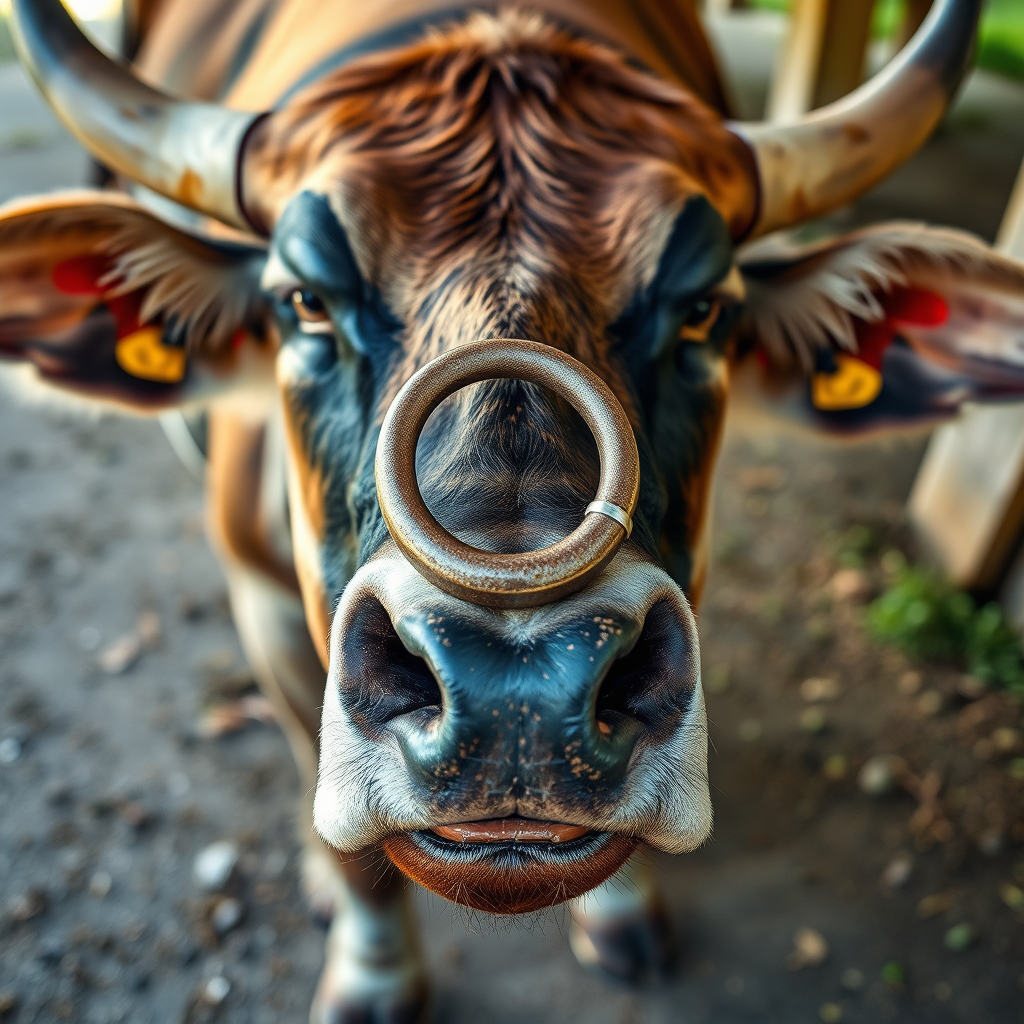
Nose rings serve multiple practical purposes in handling bulls.
– Control: The primary function of a nose ring is to provide a physical means for handlers to lead and manage bulls safely. The ring is attached to a lead or chain, allowing handlers to guide the animal with a degree of control that is essential in farm settings where bulls can exhibit unpredictable behavior. This control is particularly important when moving bulls from one location to another, whether it be from pasture to barn or during veterinary inspections.
– Behavior Management: Additionally, nose rings are instrumental in behavior management. They help to curb aggressive tendencies by allowing handlers to apply gentle pressure when necessary. This pressure can serve as a reminder for the bull to comply with the handler’s direction, thereby reducing the likelihood of confrontational behavior. With consistent handling, bulls can learn to associate the presence of the ring with guidance rather than discomfort, leading to a more harmonious relationship between the animal and its handler.
Historical Context
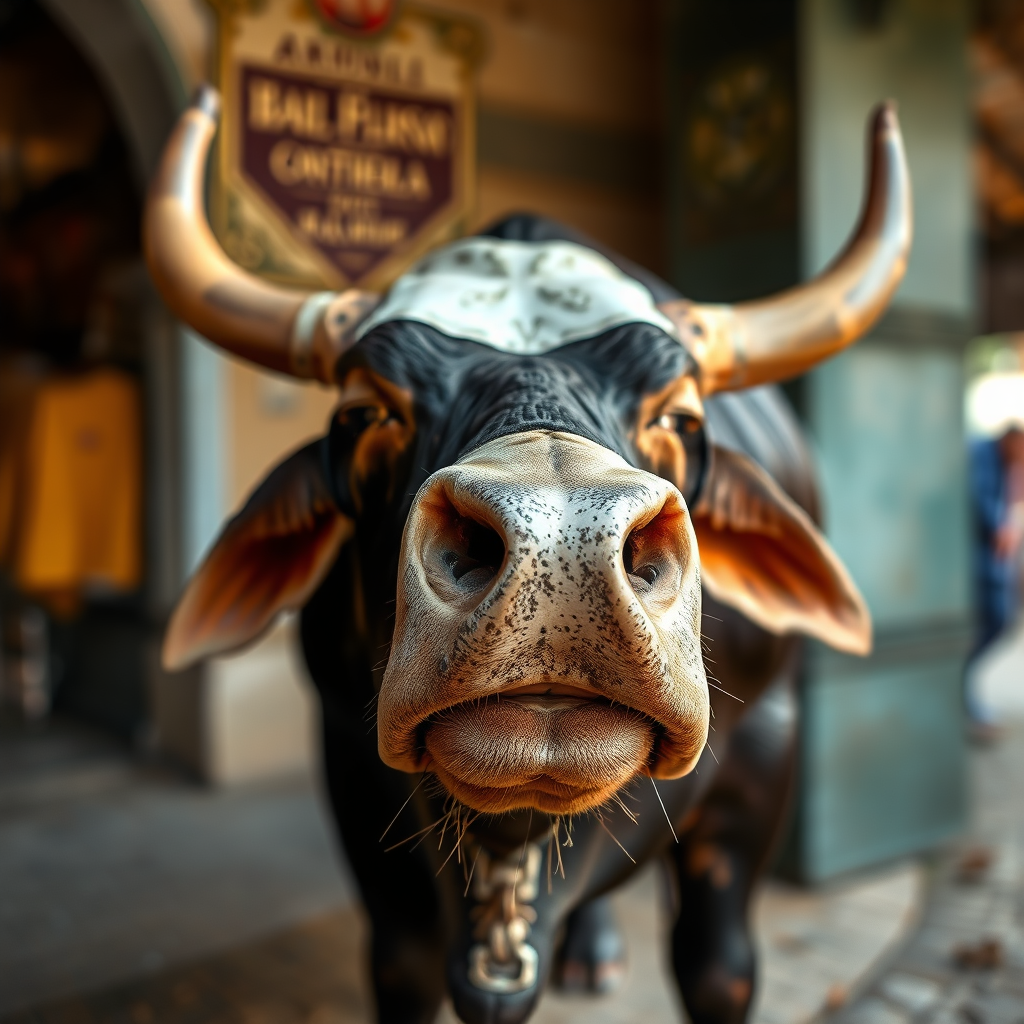
The use of nose rings is steeped in historical significance.
– Traditional Use: For centuries, various cultures have employed nose rings as an essential tool for managing livestock. In many agrarian societies, bulls have been revered for their strength and utility, making effective management crucial for both safety and productivity. Historical records indicate that ancient civilizations, including those in Mesopotamia and India, utilized nose rings as part of their livestock management strategies, highlighting the longstanding relationship between humans and domesticated animals.
– Evolution: Over time, the practice of using nose rings has evolved to adapt to modern farming techniques and animal husbandry. While traditional methods may have relied on simpler forms of restraint, advancements in materials and design have led to the development of more humane and effective nose rings. Today, many farmers are increasingly focused on animal welfare, leading to the creation of rings that ensure minimal discomfort while still providing the necessary control.
Safety for Handlers
Safety is an overarching concern in livestock management.
– Risk Mitigation: Bulls can be inherently unpredictable due to their size and strength. A nose ring significantly mitigates the risk of injury to handlers by providing a means to control and direct the animal without direct physical confrontation. For instance, when a bull becomes agitated, a handler can maneuver the animal away from crowded areas, preventing potential accidents and ensuring the safety of both the animal and the personnel involved.
– Training Aid: Beyond immediate safety concerns, the nose ring acts as a valuable training aid. It enables handlers to guide the animal effectively, reducing the need for forceful methods. This gentle guidance allows for a safer environment not only for the handler but also for the bull, fostering a cooperative spirit during training sessions.
Animal Welfare Considerations
The balance between control and compassion is an important topic in animal husbandry.
– Pain vs. Control: One of the most contentious debates surrounding the use of nose rings revolves around the question of whether the pain or discomfort inflicted by a ring is justified for easier management and safety. Critics argue that any form of restraint that causes pain should be avoided, as it can lead to stress and long-term psychological effects on the animal. Proponents, however, contend that when used correctly, nose rings can be an effective tool for managing behavior without causing significant harm.
– Alternatives: As the field of animal welfare continues to evolve, several alternatives to nose rings have emerged. Techniques such as positive reinforcement training, the use of halters, and other non-invasive handling methods are gaining traction. These alternatives aim to minimize discomfort while still ensuring that handlers can effectively manage their animals. Farmers are increasingly encouraged to explore these options, enhancing their practices to align with contemporary animal welfare standards.
Common Misconceptions
Misunderstandings about the use of nose rings are widespread.
– Myths: A common myth is that nose rings are solely instruments of punishment or cruelty. This perception often stems from a lack of understanding of the nuances in livestock management. In reality, the application of a nose ring is more about facilitating communication between the handler and the bull rather than enforcing dominance.
– Understanding: Clarifying these misconceptions is vital for fostering a more informed perspective on animal management. Nose rings serve as tools for control and communication, allowing handlers to establish a rapport with the animal. By seeing the ring as a means of partnership rather than a symbol of oppression, the relationship between humans and bulls can be significantly improved.
Training Techniques
Effective training is essential for harmonious human-animal relationships.
– Positive Reinforcement: When training bulls with nose rings, incorporating positive reinforcement can enhance the effectiveness of the process. Rewarding desired behaviors with treats or praise can encourage bulls to respond favorably to commands associated with the ring. This approach not only fosters a positive learning environment but also builds trust between the handler and the animal.
– Bonding: Building a bond of trust between handlers and bulls is crucial for effective training. Spending time with the animal outside of training sessions, engaging in gentle interactions, and using consistent cues can strengthen this bond. A well-bonded bull is often more compliant, reducing the need for stringent control measures and allowing for a more enjoyable experience for both the animal and the handler.
Legal and Ethical Implications
The legal landscape surrounding the use of nose rings is evolving.
– Regulations: Various jurisdictions have established laws governing the use of nose rings in livestock management. These regulations are designed to ensure humane treatment of animals and often stipulate guidelines on how and when nose rings can be used. Farmers and handlers must stay informed about these regulations to ensure compliance and uphold ethical standards in their practices.
– Ethical Farming: The discussion surrounding ethical farming practices is increasingly relevant in today’s agricultural landscape. As consumers become more aware of animal welfare issues, farmers are challenged to adopt practices that align with ethical standards. This includes evaluating the necessity and impact of nose rings in their operations and considering alternatives that prioritize the well-being of the animals.
Using a ring in a bull’s nose is a practice rooted in safety and control but raises vital discussions about animal welfare and training methods. As we have explored, this tradition has historical significance and serves practical purposes in modern farming. However, it is essential to continually assess the ethical implications and explore alternative practices that prioritize both safety for handlers and the welfare of the animals. By fostering a better understanding of these practices, we can work towards a future where animal husbandry techniques align with contemporary values of compassion and respect. For more insights on animal husbandry practices, stay tuned for future articles!
Frequently Asked Questions
Why do they put a ring in a bull’s nose?
A ring in a bull’s nose is primarily used for control and handling purposes. The nose ring allows handlers to lead and restrain the bull more easily, as it provides a leverage point that can deter aggressive behavior. Additionally, when a bull is in heat or during breeding, the ring helps prevent injury to both the animal and the handlers by keeping the bull calm and manageable.
How does a nose ring affect a bull’s behavior?
A nose ring can significantly influence a bull’s behavior by providing a means of restraint. When pressure is applied to the ring, it can create discomfort, discouraging aggressive or erratic actions. This method is particularly useful during veterinary procedures or transportation, as it helps to keep the bull calm and reduces the risk of injury to both the animal and the handlers.
What are the alternatives to putting a ring in a bull’s nose?
Alternatives to using a nose ring include the use of halters, head collars, or cattle prods. Halters can provide control without piercing the nose, allowing for more humane handling. Additionally, training methods that focus on behavioral conditioning can help manage a bull’s temperament without the need for invasive equipment.
Is putting a ring in a bull’s nose painful?
The process of inserting a ring into a bull’s nose can cause temporary discomfort, but it is typically quick and performed by trained professionals. Bulls have a high tolerance for pain, and the discomfort is generally minimal compared to the benefits of improved handling. However, proper care and management are essential to prevent infection or complications from the procedure.
Which breeds of bulls are commonly fitted with nose rings?
Nose rings are most commonly found in beef and dairy breeds that are typically used for breeding or handling in agricultural settings. Breeds such as Angus, Hereford, Holstein, and Jersey are often fitted with nose rings to facilitate management and breeding processes. The decision to use a nose ring depends on the bull’s temperament and the specific needs of the farm or ranch.
References
- Nose ring
- https://www.humanesociety.org/resources/what-nose-rings-are-and-why-animals-wear-them
- https://www.extension.purdue.edu/extmedia/AS/AS-575-W.pdf
- https://www.theguardian.com/environment/2018/jul/03/bullfighting-in-spain-should-be-banned-its-barbaric-say-animal-rights-activists
- Liam Carter – ABC News