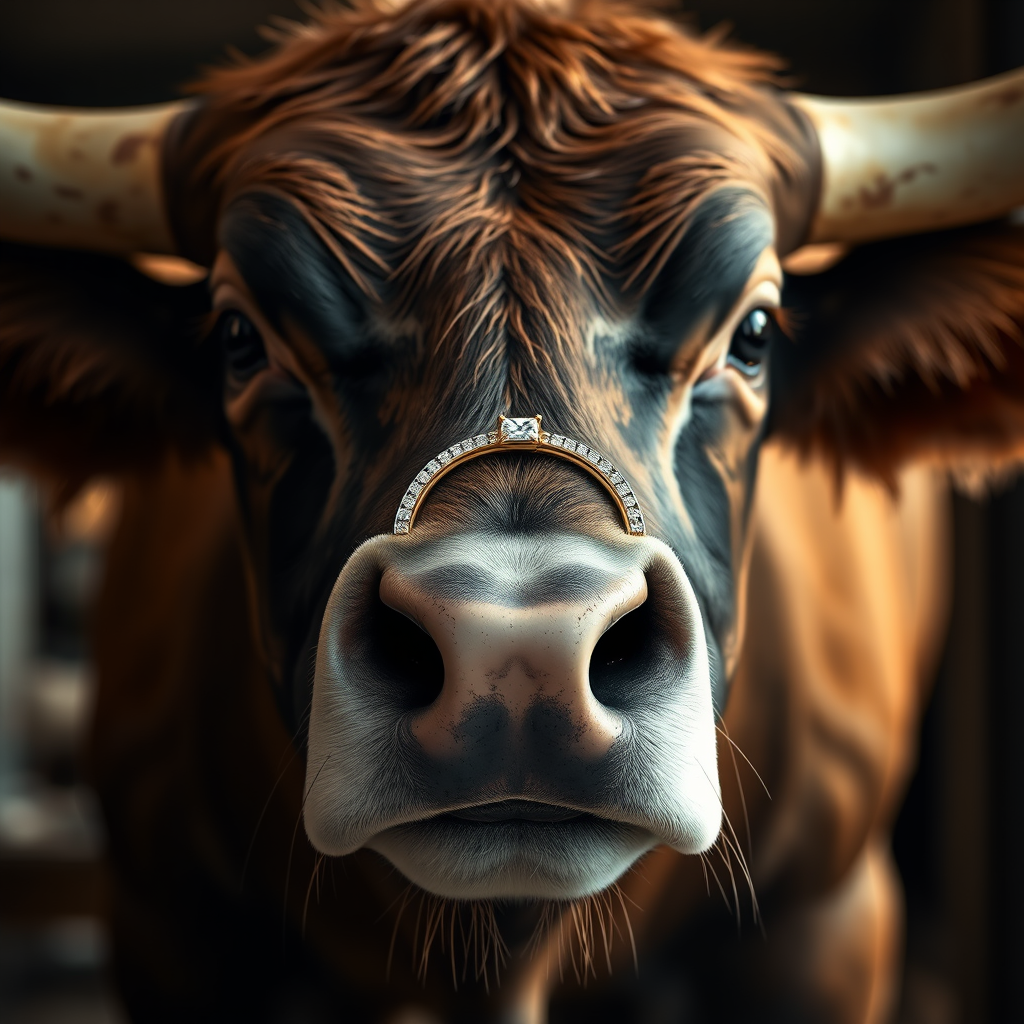
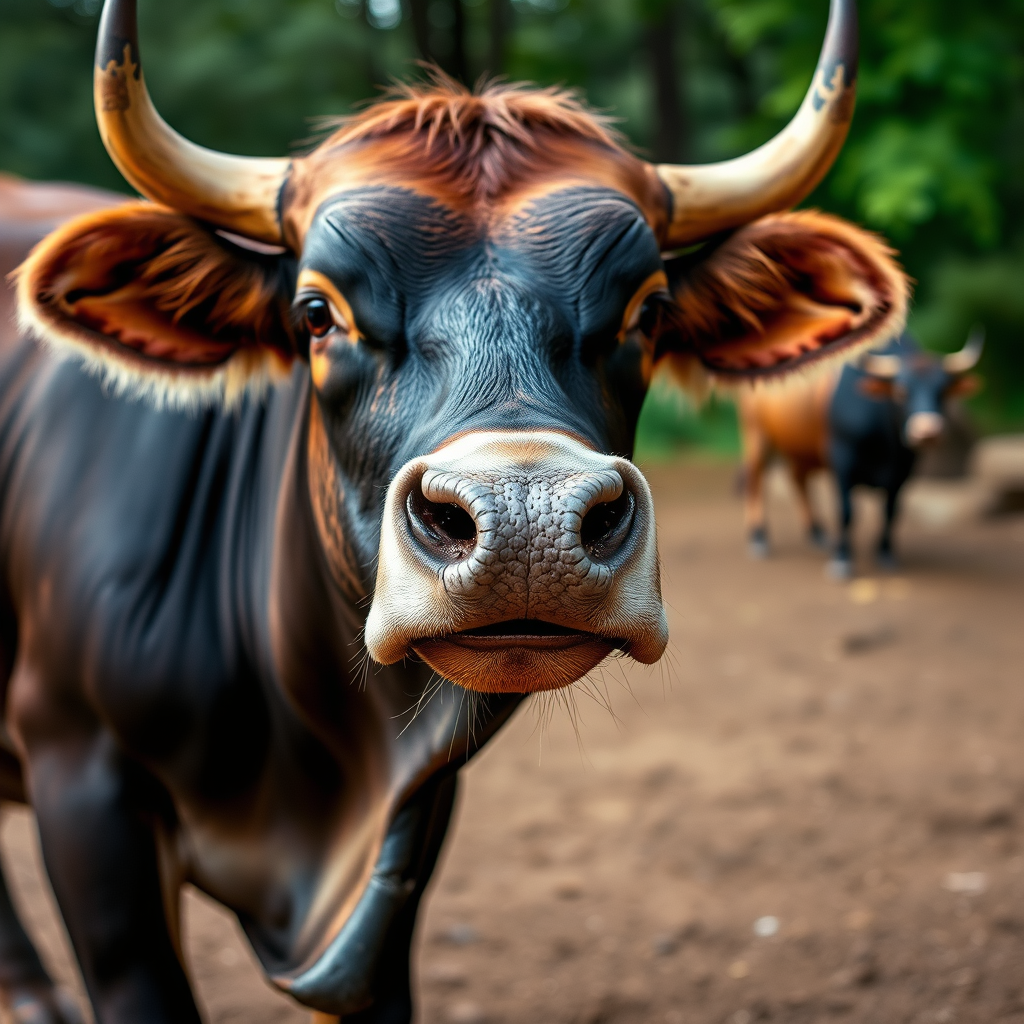
Bulls have rings in their noses primarily to facilitate handling and control by farmers and handlers. This practice helps prevent aggressive behavior and allows for more manageable interactions, particularly in settings that require close contact, such as veterinary care or breeding. The use of nose rings is a longstanding tradition in livestock management that raises important questions about animal welfare and modern farming practices. In this article, we will explore the reasons behind this common practice, its implications for animal welfare, and how it impacts the relationship between bulls and humans.
The Purpose of Nose Rings
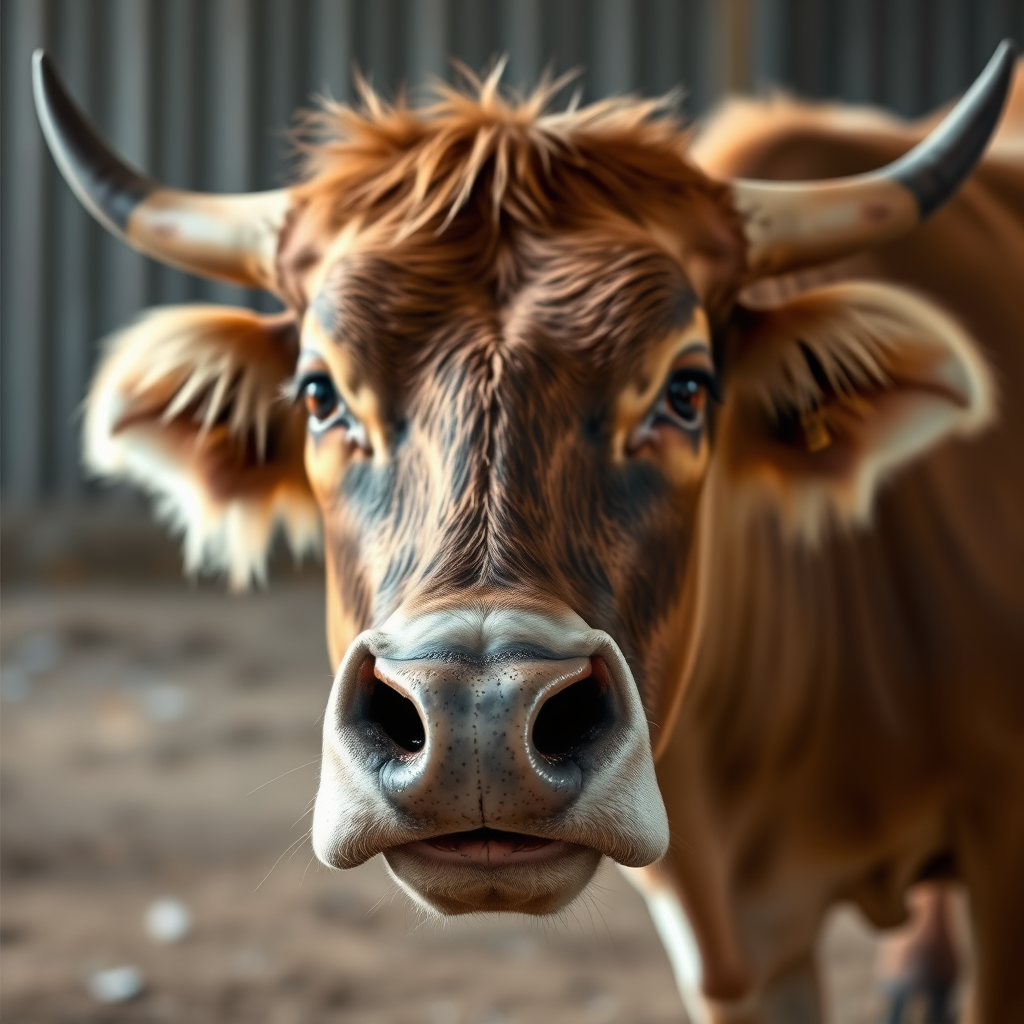
Nose rings serve a critical function in the management of bulls, providing a physical means for handlers to exert control over these powerful animals. One of the most significant advantages of using nose rings is the enhanced safety they offer during veterinary procedures. Bulls can become agitated or aggressive when restrained, and the presence of a nose ring allows handlers to guide the animal more effectively, minimizing the risk of injury to both the animal and the personnel involved. Additionally, nose rings help prevent dangerous behaviors such as charging or aggressive posturing, which can pose serious threats in environments where bulls are handled frequently. By providing a physical point of control, rings enable smoother interactions, allowing for necessary procedures without undue stress or risk.
Historical Context
The practice of using nose rings on bulls is not a modern phenomenon; it dates back centuries in livestock management. Historically, nose rings were common across various cultures, serving as a visible marker of ownership and control over the animal. In many agrarian societies, the ring was a tool not just for managing behavior but also for signifying the status of the animal within the herd. The historical significance of nose rings reflects a longstanding relationship between humans and livestock, illustrating the evolving techniques of animal husbandry that have emerged over time. This historical context is essential in understanding the current practices and the rationale behind their continued use.
Benefits for Farmers
From a practical standpoint, nose rings offer numerous benefits for farmers and handlers. They allow for safer handling during critical tasks such as breeding and transportation. For instance, during the breeding season, bulls often need to be moved between pastures or to breeding facilities. A nose ring helps to ensure that the animal can be led safely without the risk of sudden movements or aggressive behavior that could result in injury. Furthermore, the presence of a nose ring can significantly reduce the risk of injury to both the animal and the handler, creating a safer working environment. Farmers who utilize nose rings can manage their herds more effectively, ensuring a smoother operation that ultimately benefits productivity and animal health.
Animal Welfare Considerations
While nose rings provide practical benefits, they also raise ethical questions regarding animal welfare. Critics argue that the use of nose rings can cause unnecessary discomfort or pain to bulls, leading to debates about the morality of such practices in modern farming. Some animal welfare advocates argue that there are more humane alternatives available, such as behavioral training and comprehensive handling techniques that do not rely on physical restraints. These alternatives can include positive reinforcement training strategies that encourage gentle handling and reduce reliance on devices like nose rings. As the farming community increasingly focuses on animal welfare, it is crucial to find a balance between effective management and the ethical treatment of livestock.
Training and Behavior Management
Proper training is a fundamental aspect of minimizing the need for physical restraints like nose rings. Bulls, like all animals, respond to training and can learn to behave appropriately in various situations. By employing training techniques that promote calmness and cooperation, handlers can significantly reduce the risks associated with aggressive behavior. Understanding bull behavior is critical to creating a safe environment that does not rely solely on nose rings. This includes recognizing signs of stress or agitation and intervening appropriately before the situation escalates. For example, a handler trained in animal behavior may choose to redirect a bull’s energy through positive engagement rather than relying on a nose ring to control its movements. Such approaches not only enhance safety but also foster a more respectful and humane relationship between bulls and their handlers.
Regulations and Best Practices
The use of nose rings in livestock management is subject to various regulations aimed at ensuring the welfare of animals. These regulations often dictate the appropriate use of nose rings, including guidelines on size, material, and placement to minimize discomfort. Best practices for using nose rings include regular monitoring to ensure the ring is not causing injury or excessive discomfort, as well as training personnel in humane handling techniques. Farmers are encouraged to stay informed about current regulations and to adopt practices that prioritize the welfare of their animals while maintaining control. This includes exploring alternative methods of management that align with evolving standards of animal care and ethical farming practices.
The Future of Bull Handling
As livestock management continues to evolve, there are promising innovations that may reduce or eliminate the need for nose rings. Advances in technology, such as improved tracking systems and behavioral monitoring tools, offer new ways to manage bulls without resorting to physical restraints. Additionally, the growing focus on humane treatment and ethical farming practices is driving a shift towards more compassionate methods of handling livestock. Many farmers are exploring alternative training methods that emphasize positive reinforcement and stress reduction, which can lead to better outcomes for both the animals and the handlers. As the agricultural community embraces these changes, the future of bull handling may increasingly prioritize the well-being of bulls alongside practical management needs.
Bulls’ nose rings serve practical purposes in managing and controlling these powerful animals, but they also raise important questions about animal welfare and modern farming practices. As we move forward, it’s essential to consider both the needs of the farmers and the well-being of the bulls, exploring options that promote safe and humane handling. With a focus on training, regulations, and innovative practices, the agricultural sector has an opportunity to redefine its relationship with livestock, ensuring that both animals and handlers can coexist in a safe, respectful, and humane environment.
Frequently Asked Questions
Why do bulls have rings in their nose?
Bulls are often fitted with rings in their noses primarily to control their behavior. The nose ring provides a physical means for handlers to manage and direct the bull, as it is a sensitive area. When pressure is applied to the ring, it causes discomfort, making it easier to lead or restrain the animal during handling, training, and transportation.
How do nose rings affect a bull’s behavior?
Nose rings can significantly influence a bull’s behavior by providing handlers with a tool to maintain control. The discomfort from the ring discourages aggressive actions, making it safer for both the animal and the handlers. This method of control is especially useful in preventing unwanted behaviors during breeding or showing, where a calm demeanor is crucial.
What types of nose rings are used for bulls?
There are several types of nose rings used for bulls, including the standard bull ring, which is a simple loop that goes through the septum, and more specialized designs like the pinch or clamp-type rings. The choice of ring often depends on the age, size, and temperament of the bull, as well as the specific requirements of the handler. Each type is designed to provide varying degrees of control and comfort.
Are there any risks associated with using nose rings on bulls?
Yes, there are potential risks associated with using nose rings on bulls. If not properly fitted or maintained, a nose ring can cause injury or infection at the piercing site. Additionally, if a bull is not accustomed to wearing a nose ring, it may lead to stress or aggression. Therefore, it is crucial for handlers to ensure proper training and care when using nose rings.
Which breeds of bulls are most commonly seen with nose rings?
Nose rings are most commonly seen in larger breeds of bulls, particularly those used for beef production, such as Angus, Hereford, and Charolais. These breeds are often more aggressive and require greater handling control. However, nose rings may also be utilized in dairy breeds, like Holsteins, especially during breeding or showing events where behavior management is essential.
References
- https://en.wikipedia.org/wiki/Bull_rings
- https://www.abc.net.au/news/2020-02-27/why-do-bulls-have-noses-rings/11903372
- https://www.pbs.org/newshour/nation/why-do-bulls-have-nose-rings
- https://www.ncbi.nlm.nih.gov/pmc/articles/PMC4602783/
- Resource Library – AAEP
- https://www.wildlife.ca.gov/Conservation/Species/Western-Bullfrog