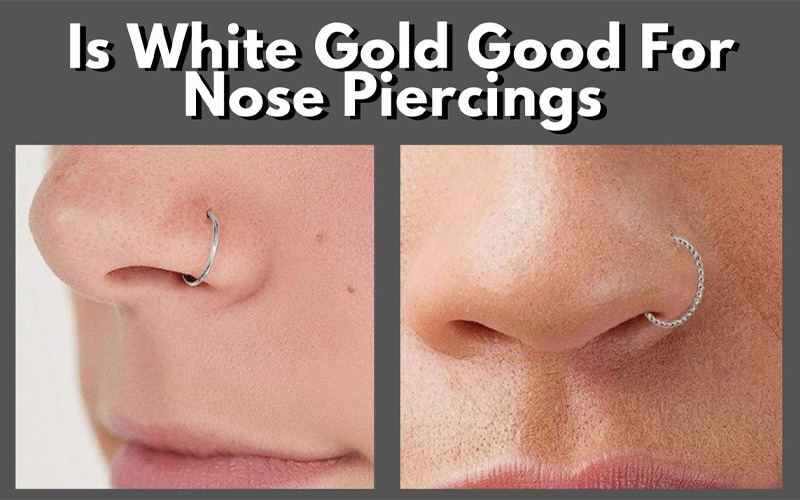
To cut out a nose ring safely, you will need a few essential tools and a careful approach to avoid injury. It is crucial to understand the type of nose ring you have and assess the condition of your piercing before proceeding. This guide will walk you through the necessary steps to remove your nose ring without causing damage to your skin or piercing, ensuring a safe and effective process.
Gather Necessary Tools
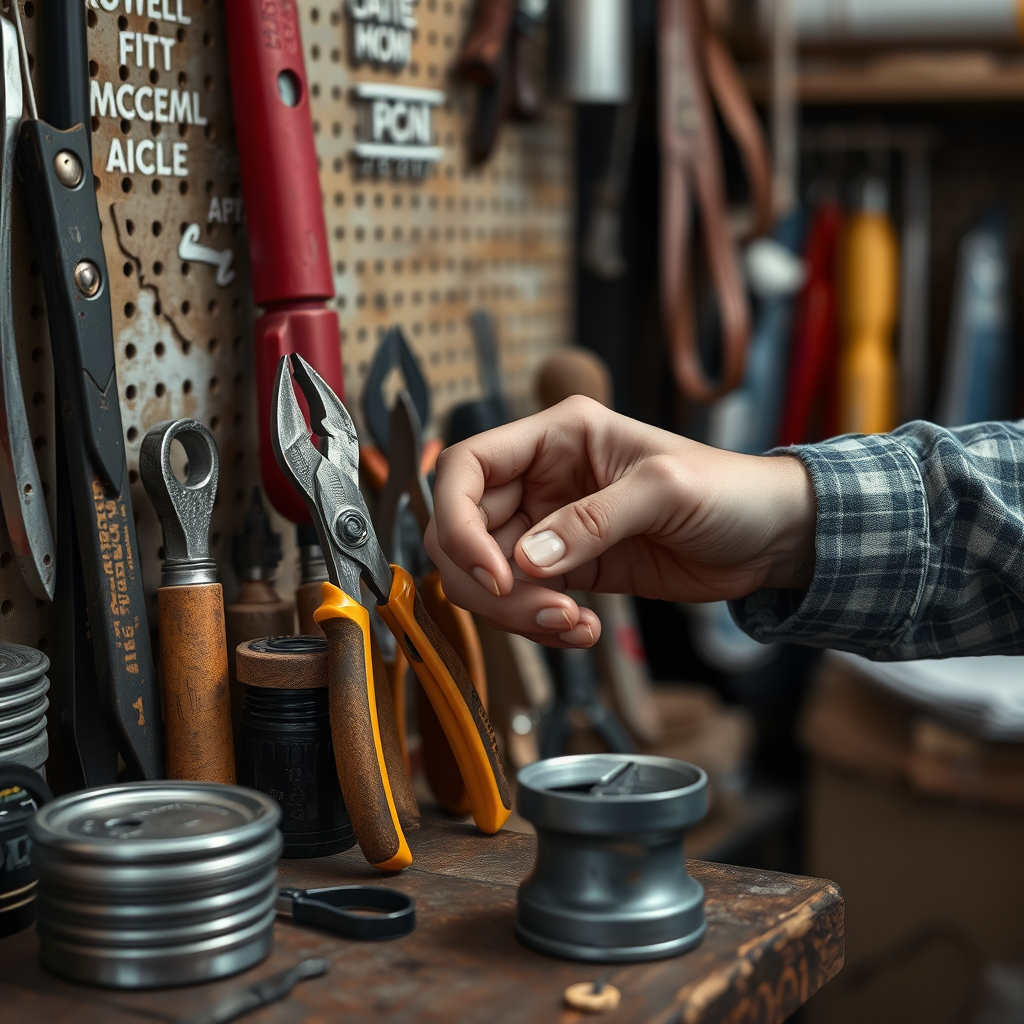
Before attempting to cut out a nose ring, it is essential to gather the necessary tools to ensure a smooth and safe removal process. The first item on your list should be sharp scissors or wire cutters. These tools should be clean and sterilized to prevent any risk of infection. You can achieve sterilization by wiping the blades with an alcohol swab or boiling them in water for a few minutes.
Next, you should have a pair of tweezers handy. Tweezers can be particularly useful for gripping the ring if it is difficult to handle or if you need to stabilize it while cutting. A clean cloth or gauze is also necessary to manage any potential blood or discharge that may occur during the process. Having these tools ready will help you to proceed with confidence and minimize any complications.
Assess the Situation
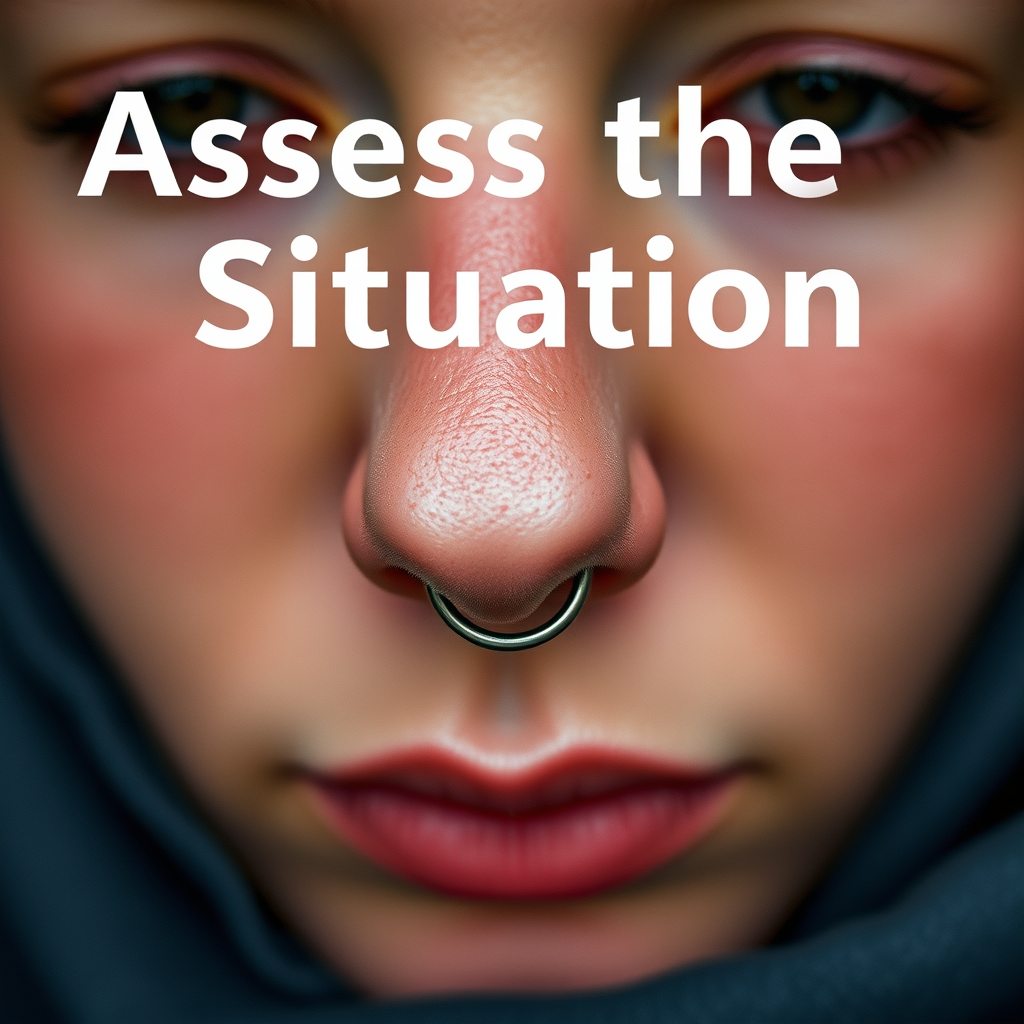
Before removing the nose ring, it is crucial to assess the situation thoroughly. Start by checking the type of nose ring you have. Nose rings can come in various forms, including studs, hoops, or captive beads. Understanding the specific style of your nose ring will help determine the best approach for removal. For instance, a captive bead ring may require a different technique than a simple stud.
Additionally, it is vital to identify any signs of infection around the piercing. Look for redness, swelling, or discharge, which may indicate that the piercing is not healthy. If you notice these symptoms, it is advisable to consult a professional piercer or healthcare provider before attempting to remove the ring. Addressing infections properly can prevent further complications and ensure the healing process is not disrupted.
Preparing for Removal
Preparation is key when it comes to safely removing a nose ring. Start by cleaning the area surrounding the piercing. Use an antiseptic solution, such as hydrogen peroxide or an alcohol-based cleaner, to sanitize both the piercing site and your tools. This step is crucial for minimizing the risk of infection during and after the removal process.
Once the area is clean, position yourself in a well-lit, comfortable space. A mirror is essential for visibility, allowing you to see the piercing clearly as you work. Ensure that you are calm and steady, as this will help you to maintain control throughout the process. If you feel anxious or uncertain, consider asking a trusted friend to assist you or to be present for support.
Cutting the Nose Ring
With your tools ready and the area prepared, you can now proceed to cut the nose ring. Begin by gently pulling the ring away from your nose. If needed, use tweezers to hold the ring steady, providing you with better leverage as you cut. It is important to be gentle during this step to avoid pulling on the piercing itself, which could cause pain or damage.
When you are ready to cut, carefully position your scissors or wire cutters. If you are using scissors, aim to cut only the part of the ring that can be safely removed without putting tension on the piercing. For a hoop, this may involve cutting through one side of the ring. If you are dealing with a captive bead ring, you may need to remove the bead before cutting the ring itself. Take your time and ensure each cut is deliberate and controlled to avoid any accidents.
Aftercare Post-Removal
Once you have successfully removed the nose ring, it is essential to focus on aftercare to promote healing and prevent infection. Start by cleaning the area once again with an antiseptic solution. Apply a small amount of antiseptic ointment to the piercing site to create a protective barrier against potential bacteria.
In the days following the removal, monitor the area closely for any signs of complications, such as persistent pain, increased swelling, or unusual discharge. These symptoms could indicate an infection or irritation. If you notice any changes that concern you, do not hesitate to consult a healthcare professional or a qualified piercer for advice. Proper aftercare is crucial for ensuring that the piercing heals correctly and without complications.
When to Seek Professional Help
In some cases, it may be necessary to seek professional help rather than attempting to cut out the nose ring yourself. If you experience persistent pain or swelling that does not subside after a few days, it is advisable to consult a healthcare provider. Ongoing discomfort may be a sign of an underlying issue that requires medical attention.
Additionally, if you find it difficult to remove the ring safely or if you are unsure about the process, do not hesitate to reach out to a professional piercer. Qualified piercers have specialized training and tools that can facilitate the safe removal of piercings without causing damage to your skin or the piercing itself. Their expertise can provide peace of mind, ensuring that the removal process is as smooth as possible.
Alternatives to Cutting
If you are hesitant about cutting out your nose ring, consider exploring alternative options. Professional piercers often have specialized tools designed to assist with the safe removal of various types of jewelry, including nose rings. These tools can provide a gentler approach to removal, reducing the risk of injury.
Another alternative is to visit a piercing studio for assistance. Professional piercers are equipped to handle various situations and can ensure that your piercing is removed safely and effectively. This option is particularly beneficial if you are facing difficulties or if you have concerns about the condition of your piercing.
Removing a nose ring can be straightforward if approached carefully. By following the outlined steps, you can minimize risk and promote healing. Always remember to assess the situation first, gather the necessary tools, and prioritize aftercare. If you encounter any uncertainties or difficulties, seeking assistance from a professional piercer is always the best course of action.
Frequently Asked Questions
What are the safest methods to cut out a nose ring at home?
The safest methods to cut out a nose ring at home involve using jewelry-specific tools such as wire cutters or a small pair of pliers. First, ensure your hands and tools are clean to avoid infection. Gently grip the nose ring with the pliers and apply steady pressure to cut through the metal, avoiding any skin contact. If you’re uncomfortable performing this procedure, it’s best to seek professional help from a piercer or medical professional.
How can I remove a stubborn nose ring that won’t unscrew?
If your nose ring won’t unscrew, first try applying a small amount of lubricant, like olive oil or a specialized piercing oil, to the threaded area to ease the removal process. Gently wiggle the ring while applying slight pressure in the direction of unscrewing. If it remains stuck, avoid excessive force to prevent injury; consider visiting a professional piercer who can safely remove it without damaging your skin.
Why would I need to cut out my nose ring instead of removing it normally?
You might need to cut out your nose ring if it has become embedded in the skin, is causing irritation, or if the threading is damaged and can no longer be unscrewed. Infections or allergic reactions to the metal can also necessitate removal. Cutting the ring is a last resort; it’s always best to consult a professional piercer or healthcare provider before taking this step to minimize any potential harm.
What type of nose rings are most difficult to remove and may require cutting?
Nose rings that are made from materials like titanium or surgical steel are generally more difficult to remove, especially if they are threaded or have a captive bead design. Additionally, nose rings that have been in place for an extended period can become embedded or cause tissue growth around them, making removal challenging. If you suspect your nose ring may be difficult to take out, consider seeking professional assistance to avoid complications.
Which tools are recommended for cutting a nose ring safely at home?
Recommended tools for cutting a nose ring safely at home include jewelry wire cutters, pliers, or even small scissors that have a fine tip. Ensure the tools are sterile and clean to prevent any risk of infection. Always take your time and work carefully, and if you encounter any resistance, stop and consider consulting a professional to avoid causing injury.
References
- https://www.healthline.com/health/nose-piercing-infections
- https://www.verywellhealth.com/nose-piercing-care-5088817
- https://www.medicalnewstoday.com/articles/320063
- https://www.webmd.com/beauty/what-to-know-about-nose-piercings
- https://www.ncbi.nlm.nih.gov/pmc/articles/PMC4072587/
- https://www.clevelandclinic.org/health/diseases/20809-nose-piercing-infection