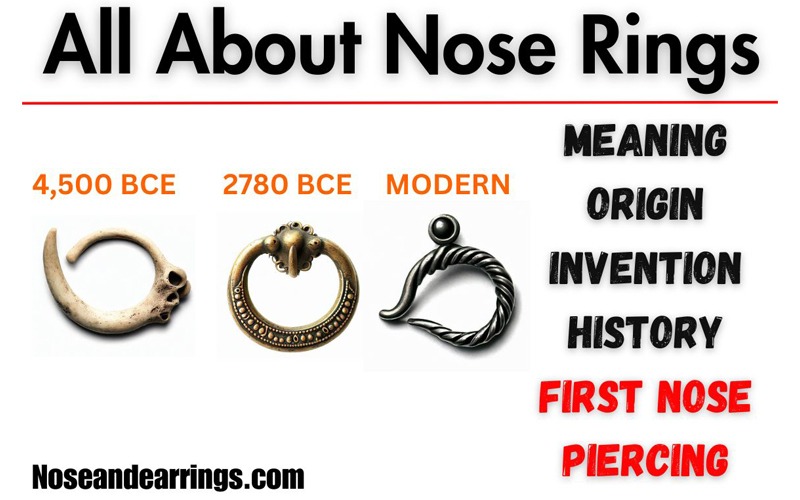
Nose rings originated in ancient cultures, with evidence tracing back over 4,000 years to regions such as the Middle East and South Asia. These ornamental pieces were not only fashion statements but also held cultural significance, serving as symbols of identity, status, and tradition. Their history reflects a fascinating journey through time, illustrating the evolving perceptions of body adornment. In this article, we will explore the history of nose rings, their cultural relevance, and how they evolved over time.
Ancient Origins of Nose Rings

Nose rings can be traced back to ancient civilizations, including the Indus Valley and Mesopotamia, where they were worn as early as 2000 BCE. Archaeological evidence suggests that these early nose ornaments were crafted from various materials, including gold, silver, and precious stones. In the Indus Valley Civilization, for instance, intricate jewelry pieces have been discovered, indicating that nose rings were an essential part of women’s adornments, symbolizing their social status and wealth.
In Mesopotamia, both men and women wore nose rings, which often featured elaborate designs that showcased artistry and craftsmanship. The use of nose rings in these ancient societies reflects not only a desire for beautification but also a means of expressing one’s identity and societal position. The significance of these adornments extended beyond mere aesthetics, often intertwining with religious and spiritual beliefs, suggesting a deeper connection to cultural heritage.
Cultural Significance Across Regions

The cultural relevance of nose rings varies significantly across different regions. In India, for example, nose rings—known as “nath”—are traditionally worn by women as part of bridal jewelry, symbolizing marital status and commitment. The nath is often adorned with intricate designs and gemstones, and its placement on the nose has deep-rooted cultural significance, often associated with femininity, beauty, and prosperity.
In various African cultures, nose rings represent tribal identity and social standing. For example, the Maasai people of Kenya and Tanzania often use large, decorative nose rings as part of their traditional attire, signifying a person’s age and social rank within the community. These adornments serve as markers of identity, helping to convey information about the wearer’s heritage, marital status, and community ties.
Other cultures, such as those in the Middle East and certain Indigenous tribes in North America, also have their unique interpretations and uses for nose rings. The diversity in styles, materials, and meanings underscores the multifaceted nature of this form of body art across the globe.
The Evolution of Nose Rings Through History
Nose rings transitioned from ancient practices to modern fashion statements, reflecting changes in societal norms and attitudes toward body adornment. Throughout the ages, nose rings have adapted to various cultural influences and trends. By the time of the Renaissance, nose rings were often seen as symbols of rebellion or defiance against traditional norms, particularly in Europe.
The 20th century marked a significant resurgence in the popularity of nose rings, particularly in Western fashion, influenced by counterculture movements, such as the punk and rock scenes of the 1970s and 1980s. Artists and musicians began to incorporate nose rings into their personal styles, challenging conventional beauty standards and promoting a message of individualism. This period saw a diversification of styles, with nose rings evolving from simple studs to elaborate hoops and septum rings.
As body jewelry gained traction in mainstream culture, designers began to experiment with innovative materials and designs, incorporating elements such as gemstones, intricate carvings, and contemporary styles. This evolution reflects broader societal changes, including the increasing acceptance of body modifications as a form of personal expression.
Nose Rings in Contemporary Fashion
Today, nose rings come in various designs, including studs, hoops, and septum rings, appealing to diverse fashion tastes. The contemporary market offers a plethora of options, ranging from minimalist designs suited for everyday wear to bold statements that can elevate any outfit. The versatility of nose rings allows individuals to express their unique personalities and styles, contributing to their widespread popularity.
Celebrities and fashion influencers have played a pivotal role in popularizing nose rings, making them a common accessory in mainstream fashion. High-profile figures, including Rihanna, Kylie Jenner, and Amandla Stenberg, have been seen sporting nose rings, further legitimizing their status as a fashionable accessory. Social media platforms, such as Instagram and TikTok, have also contributed to the trend’s virality, showcasing various styling options and encouraging individuals to experiment with body jewelry.
Moreover, the acceptance of nose rings has extended beyond casual settings, with many professionals incorporating them into their work attire. As fashion becomes increasingly inclusive, the stigma traditionally associated with body piercings, including nose rings, is gradually diminishing.
Common Misconceptions About Nose Rings
Despite their growing popularity, several misconceptions persist regarding nose rings. One common belief is that nose rings are only for certain subcultures or demographics. In reality, nose rings have transcended cultural boundaries and are now embraced across all demographics, regardless of age, gender, or background. The contemporary fashion landscape values diversity and self-expression, allowing individuals from various walks of life to incorporate nose rings into their personal style.
Another misconception relates to hygiene and professional settings. Some individuals may hesitate to wear nose rings due to concerns about cleanliness or appropriateness in the workplace. However, proper care and maintenance of nose rings can mitigate these concerns. Regular cleaning and opting for high-quality materials can enhance hygiene and minimize the risk of irritation. Additionally, many workplaces are becoming increasingly accommodating of body jewelry, reflecting changing attitudes toward personal expression in professional environments.
The Future of Nose Rings
Trends indicate a growing acceptance of body jewelry, including nose rings, in professional environments. As societal norms continue to evolve, more organizations are embracing diversity in appearance, recognizing that personal style can coexist with professionalism. This shift suggests a promising future for nose rings, as they may become a more accepted form of self-expression within corporate and formal settings.
Moreover, the fusion of traditional designs with modern aesthetics speaks to a broader trend of cultural appreciation and exploration. Designers are increasingly inspired by global influences, resulting in innovative jewelry that honors heritage while appealing to contemporary tastes. This blend of the old and the new ensures that nose rings will remain relevant in the ever-evolving fashion landscape.
Nose rings have a rich history that reflects cultural diversity and personal expression. As they continue to evolve in style and significance, they remain a fascinating topic within body adornment. The journey from ancient civilizations to modern-day fashion illustrates the enduring appeal of nose rings as symbols of identity, status, and individuality. Consider exploring different styles or cultural backgrounds of nose rings to appreciate their deep-rooted traditions and contemporary relevance, as this timeless adornment is likely to persist as a significant element in the realm of personal expression.
Frequently Asked Questions
What is the historical significance of nose rings and where did they originate?
Nose rings have a rich history that dates back over 4,000 years, with their earliest recorded use in ancient Indian culture. They are believed to symbolize various aspects, including marital status and social status. In other cultures, such as among the Bedouins and in ancient Mesopotamia, nose rings also represented wealth and were often linked to tribal or cultural identity, making them significant across different societies.
How did the practice of wearing nose rings spread to different cultures?
The practice of wearing nose rings spread primarily through trade routes and cultural exchanges. As people traveled for trade, they brought with them their customs and adornments, including nose rings. Over time, this practice was adopted and adapted by various cultures around the world, from the Middle East to Africa and eventually to Western societies, each adding their unique interpretations and styles.
Why are nose rings considered a symbol of rebellion in modern society?
In contemporary culture, nose rings have often been associated with countercultural movements, such as punk and alternative lifestyles, which challenge traditional norms and standards. This association with rebellion stems from a desire for self-expression and individuality, making nose rings a popular choice among those who wish to distinguish themselves from mainstream fashion. As such, they serve not only as a fashion statement but also as a form of resistance against societal expectations.
What are the different types of nose rings available today?
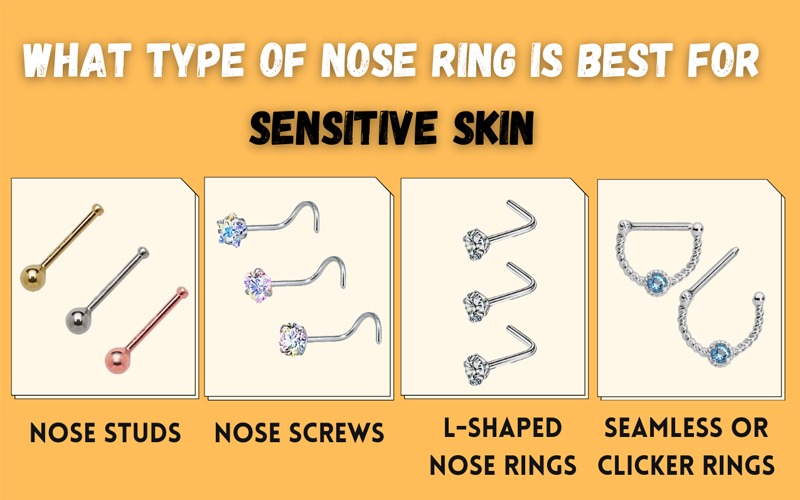
Today, there are several types of nose rings to choose from, including studs, hoops, and septum rings. Each style offers a unique aesthetic; for example, studs are often subtle and elegant, while hoops can be bold and eye-catching. Additionally, there are various materials available, such as gold, silver, and even biocompatible options for sensitive skin, allowing wearers to select according to their personal style and comfort.
Which cultures are most known for their traditional use of nose rings?
Cultures that are particularly known for their traditional use of nose rings include Indian, Middle Eastern, and some African tribes. In India, for instance, nose rings are often part of bridal adornments and are steeped in cultural significance. Similarly, in the Middle East, nose jewelry has historical roots that signify social status, while in Africa, various tribes use nose rings as markers of identity and tradition, showcasing the diverse meanings associated with this adornment across different cultures.
References
- Nose ring
- https://www.bbc.com/culture/article/20220125-the-history-of-nose-piercings
- https://www.history.com/topics/ancient-egypt/nose-piercing
- https://www.ncbi.nlm.nih.gov/pmc/articles/PMC6469465/
- https://www.verywellhealth.com/the-history-of-piercings-5194216