Pigs are often fitted with nose rings to prevent them from rooting in the ground, which can lead to significant damage in agricultural settings. This practice not only protects crops but also helps maintain the integrity of the pig’s environment. As farming practices evolve, understanding the reasons behind the use of nose rings, their effects on pig behavior, and the ethical considerations surrounding this practice is crucial for both farmers and animal welfare advocates.
The Purpose of Nose Rings in Pigs
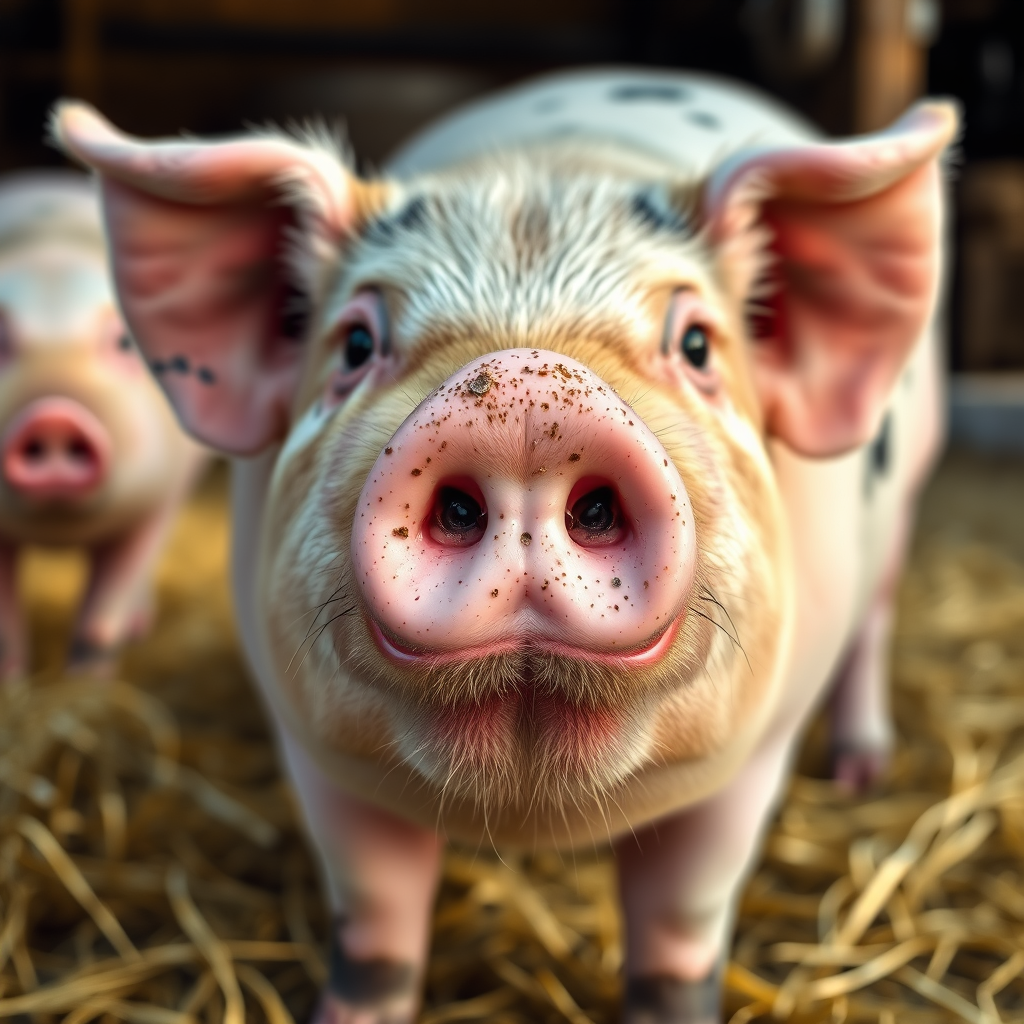
The primary purpose of fitting pigs with nose rings is to deter rooting behavior, which is a natural instinct for pigs. Rooting is the act of digging into the soil to find food, which can be detrimental in agricultural settings where crops are cultivated. Pigs have a natural tendency to root, driven by their innate foraging behavior, which can lead to significant soil disruption and crop damage. This behavior can not only affect the immediate agricultural output but can also lead to long-term degradation of the land.
By using nose rings, farmers can mitigate these issues, allowing them to maintain the integrity of their crops and soil. For instance, in a typical farming scenario, a pig rooting through a field can uproot plants, compromise soil structure, and create uneven surfaces that can affect irrigation and other farming operations. The economic loss incurred from crop damage can be substantial, leading farmers to adopt nose rings as a practical solution.
Behavioral Impact on Pigs
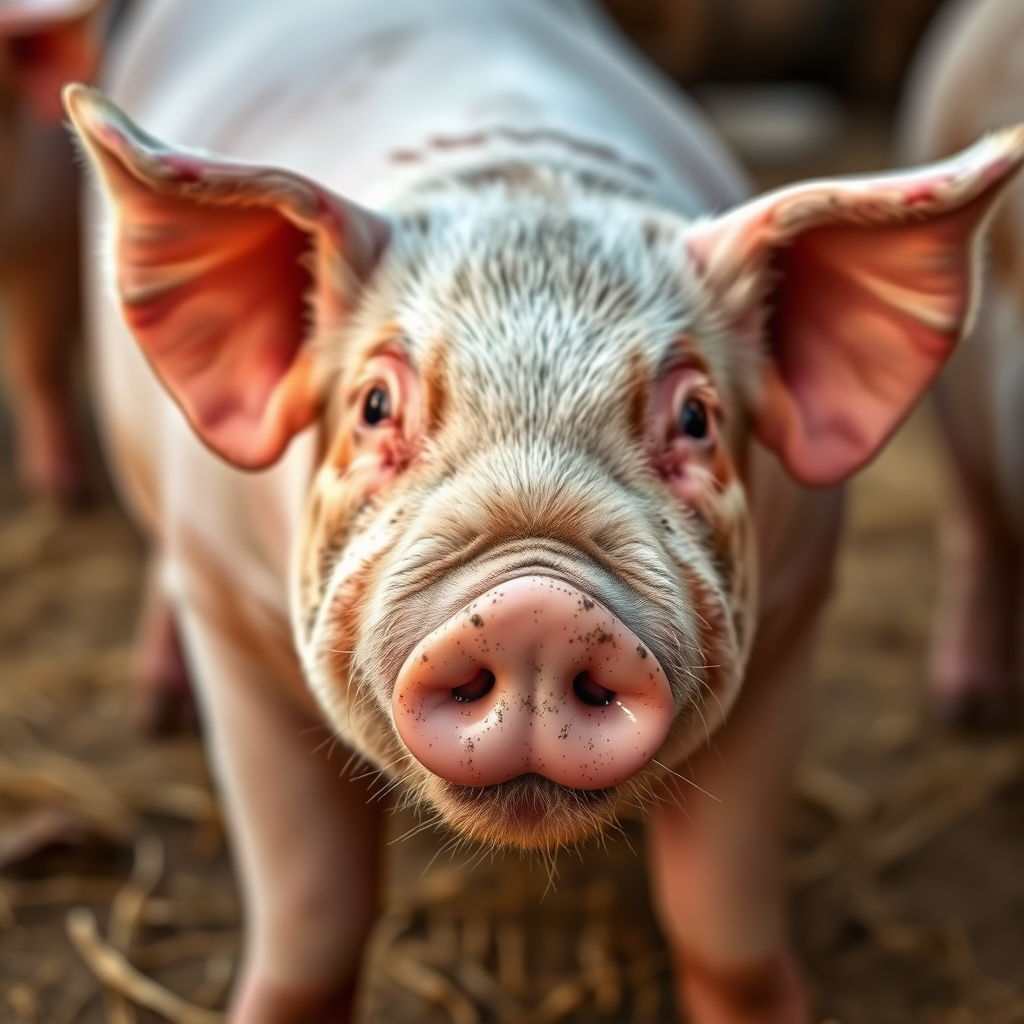
While nose rings serve a practical purpose, their use also significantly impacts pig behavior. The application of a nose ring can alter natural foraging behaviors, as it limits the pig’s ability to dig and explore its environment. This restriction can lead to frustration and stress for the animal, as pigs are intelligent creatures that thrive on engagement and stimulation.
Research has indicated that the discomfort associated with nose rings may result in increased stress levels, which can manifest in various ways, including altered social behaviors among pigs. For example, pigs fitted with nose rings might exhibit more aggressive behaviors or become withdrawn compared to those not subjected to such modifications. Furthermore, the psychological impact of wearing a nose ring could lead to a decrease in overall well-being, emphasizing the need for careful consideration of this practice.
Types of Nose Rings Used
There are several types of nose rings utilized in farming, each designed to address specific needs based on the age and size of the pig, as well as the particular farming practices employed. The simplest form is a basic ring that is inserted through the septum of the pig’s nose. This design is effective in deterring rooting but can cause varying levels of discomfort.
More complex devices, such as boar rings, are also available and are typically used in male pigs. These may incorporate features that prevent the pig from rooting while being more humane in terms of comfort. The choice of nose ring often depends on the specific goals of the farmer and the nature of the farm environment. It is essential for farmers to assess the suitability of the nose ring type in relation to the individual animal’s welfare and behavior.
Alternatives to Nose Rings
As the ethical implications of using nose rings come to the forefront, many farmers are exploring alternative methods to manage rooting behavior. Providing pigs with ample space and environmental enrichment can satisfy their natural rooting instincts without resorting to physical restraints. For example, creating pens that allow for free movement and exploration can help mitigate the need for nose rings.
Behavioral training is another alternative, where farmers can implement strategies to redirect rooting behavior by encouraging pigs to engage with designated rooting areas, such as dirt piles or rooting boxes filled with safe materials. These approaches not only support animal welfare but can also promote better overall health and productivity in pigs.
Ethical Considerations
The use of nose rings raises significant ethical questions regarding animal welfare. The discomfort and potential stress caused by these devices must be weighed against the agricultural necessity of protecting crops and maintaining farm productivity. Discussions surrounding the ethical implications of nose rings are ongoing within the agricultural community, with a growing emphasis on finding a balance between essential farming practices and humane treatment of livestock.
Animal welfare organizations advocate for the reduction or elimination of practices that may cause undue suffering to animals. This discourse encourages farmers to consider the long-term ramifications of using nose rings, not just for the animals but also for the reputation of the farming industry as a whole. Engaging with animal welfare guidelines and exploring humane alternatives are essential steps for farmers committed to ethical practices.
Regulatory Perspectives
The regulatory landscape concerning the use of nose rings varies significantly across different countries and regions. Some countries have implemented strict guidelines regarding animal welfare, including the use of invasive devices like nose rings. Understanding local laws and animal welfare guidelines is crucial for farmers to ensure compliance and promote responsible farming practices.
For example, in countries with robust animal welfare laws, farmers may face restrictions on the types of nose rings they can use or may be required to provide documentation proving the necessity of such practices. Staying informed about these regulations not only helps farmers avoid legal repercussions but also aligns their practices with evolving societal expectations regarding animal treatment.
Future Trends in Pig Farming
As the agricultural industry continues to evolve, innovations in animal husbandry may lead to a reduced reliance on nose rings. Advances in research related to pig behavior and welfare could provide insights for developing more humane farming practices that address rooting behavior without causing discomfort to the animals.
Emerging technologies, such as environmental enrichment tools and behavioral monitoring systems, are also being explored to create better living conditions for pigs. As public awareness of animal welfare increases, it is likely that more farmers will prioritize these innovations, fostering a movement towards sustainable and humane farming practices that benefit both the animals and the agricultural community.
The practice of using nose rings on pigs is rooted in agricultural necessity, but it also carries implications for animal welfare and behavior. As farmers seek to strike a balance between productivity and ethical treatment, exploring alternatives and understanding regulatory frameworks will be key. Engaging in informed discussions about humane farming practices is essential for the future of the agricultural industry, ensuring that both economic viability and animal welfare are upheld. If you’re interested in learning more about humane farming practices, consider researching further or engaging with local agricultural organizations.
Frequently Asked Questions
Why do farmers put nose rings in pigs?
Farmers use nose rings in pigs primarily to prevent rooting behavior, which is when pigs use their snouts to dig into the ground. This behavior can lead to damage in fields, rooting up crops, and causing land degradation. By placing a ring in the pig’s nose, it creates discomfort when they attempt to root, thus discouraging the behavior and protecting both the pig and the environment.
How do nose rings affect the behavior of pigs?
Nose rings can significantly alter a pig’s behavior by deterring them from rooting and foraging excessively. While some critics argue that it may cause discomfort, properly fitted nose rings can help manage pigs in farming environments, keeping them from damaging property or harming themselves. This behavior modification is essential for maintaining farm productivity and sustainability.
What are the alternatives to using nose rings on pigs?
Alternatives to using nose rings include providing pigs with enrichment activities, such as rooting boxes filled with straw or other materials that allow them to engage in natural behaviors without damaging the environment. Additionally, farmers can use training techniques to teach pigs to refrain from unwanted rooting. These methods not only promote animal welfare but also maintain agricultural integrity.
Are there any risks associated with using nose rings on pigs?
Yes, there are potential risks involved with using nose rings. If not properly installed or if the ring is too tight, it can cause pain, injury, or infections in the pig’s snout. Additionally, if pigs are not monitored closely, they may engage in aggressive behavior towards each other due to the discomfort. Therefore, it’s crucial for farmers to ensure proper fitting and regular monitoring of pigs wearing nose rings.
Which breeds of pigs are most likely to have nose rings?
Nose rings are commonly used in commercial breeds of pigs, such as Yorkshire, Landrace, and Duroc. These breeds are often raised for intensive farming practices where rooting behavior can lead to significant losses. Farmers may choose to use nose rings on these breeds to minimize damage in confined spaces and maintain their overall health and productivity while managing their natural instincts.
References
- https://en.wikipedia.org/wiki/Pig_nose_ring
- https://www.ncbi.nlm.nih.gov/pmc/articles/PMC4238587/
- https://www.humanesociety.org/resources/animal-welfare-pigs
- https://www.animalsciencepublications.org/publications/jas/articles/85/9/2258
- https://www.theguardian.com/environment/2020/nov/09/pig-nose-rings-animal-welfare-uk-farming
- https://www.ncbi.nlm.nih.gov/pmc/articles/PMC7000545/