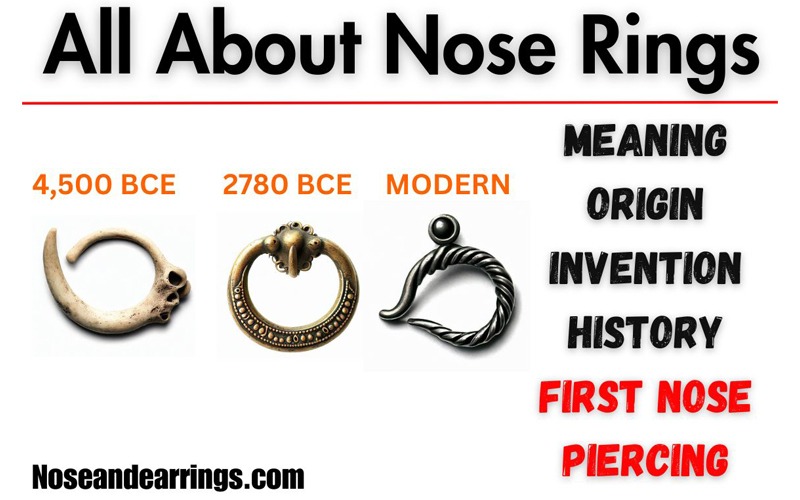
The smallest nose ring size you can typically use is around 20 gauge (0.8 mm) in thickness. This size is favored by many individuals looking for a more delicate appearance while still maintaining comfort and functionality. In this article, we will delve deeper into various nose ring sizes, the critical factors to consider when selecting the appropriate size, the types of nose rings available, the materials used, care tips for your jewelry, and dispel some common myths regarding nose ring sizes.
Understanding Nose Ring Gauges

Nose ring sizes are quantified in gauges, a system that inversely correlates with thickness; the lower the gauge number, the thicker the jewelry. For instance, a 20 gauge ring measures 0.8 mm, while an 18 gauge measures 1.0 mm. The 20 gauge is the smallest size widely available in the market, making it a popular choice for those who desire a subtle and understated look. It is essential to understand that the gauge size can influence both the appearance and comfort of the piercing. Smaller gauges, while aesthetically pleasing, may have implications for healing, especially for new piercings.
When selecting a gauge for your nose ring, it is beneficial to consult with a professional piercer who can provide insights based on your individual anatomy and preferences. Additionally, understanding the gauge system can aid in making informed decisions as you explore different styles and materials.
Factors to Consider When Choosing Size
When selecting the size of your nose ring, several factors play a crucial role in ensuring comfort and aesthetics.
– Personal Comfort: Each individual’s body reacts differently to various sizes and materials. Some may find that a 20 gauge is perfect for their needs, while others may prefer the slightly thicker 18 gauge. It is advisable to consider past experiences with body jewelry and choose a size that feels comfortable and secure for you.
– Healing Time: If you are getting a new piercing, the gauge of the ring can significantly impact the healing process. Smaller gauge rings, like the 20 gauge, are often more suitable for initial piercings as they allow for a less invasive insertion, which can promote better healing. However, it is essential to follow your piercer’s aftercare instructions regardless of the size chosen, to ensure a smooth healing process.
– Activity Level: If you lead an active lifestyle, you might want to consider a size that offers more stability. Thicker rings, such as 18 gauge, may be less prone to bending or accidental removal, which can be particularly beneficial for those engaged in physical activities.
Types of Nose Rings
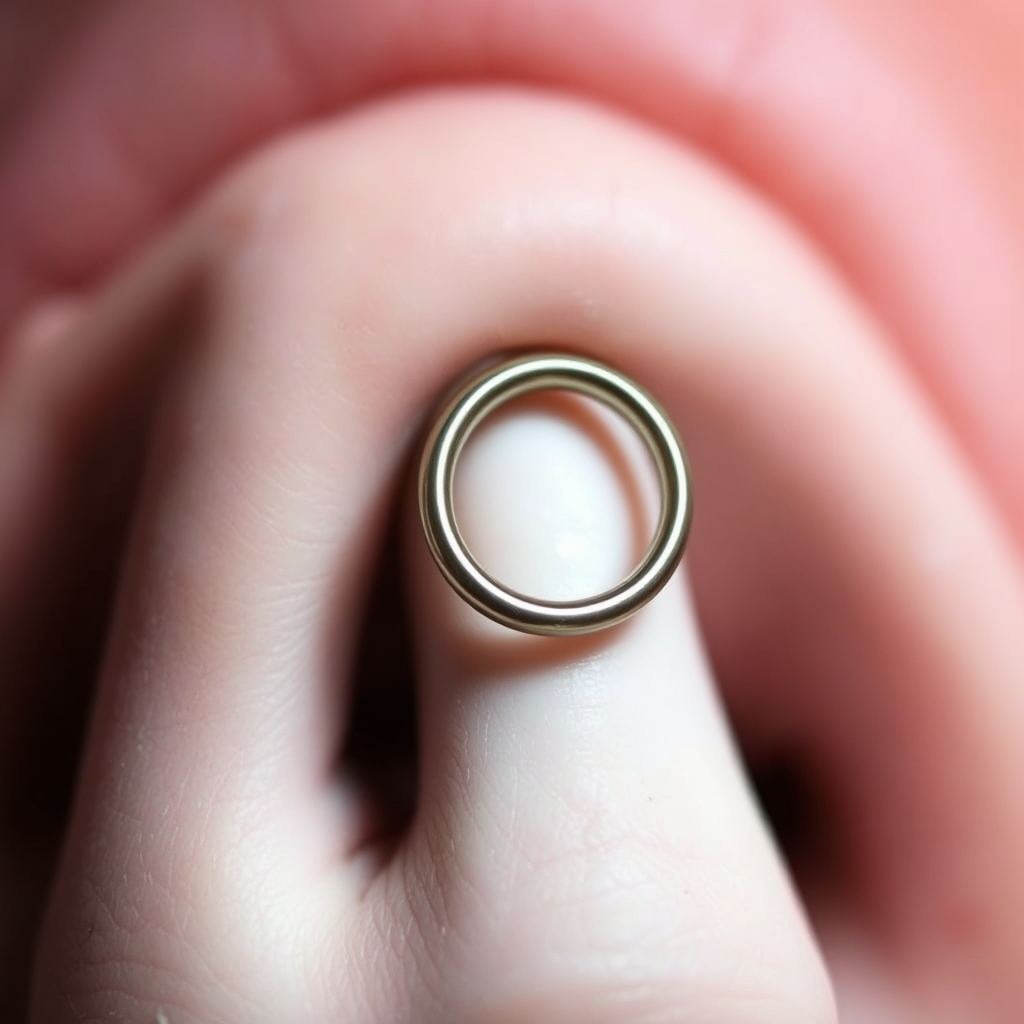
Nose rings come in various styles, each offering unique aesthetics and comfort levels.
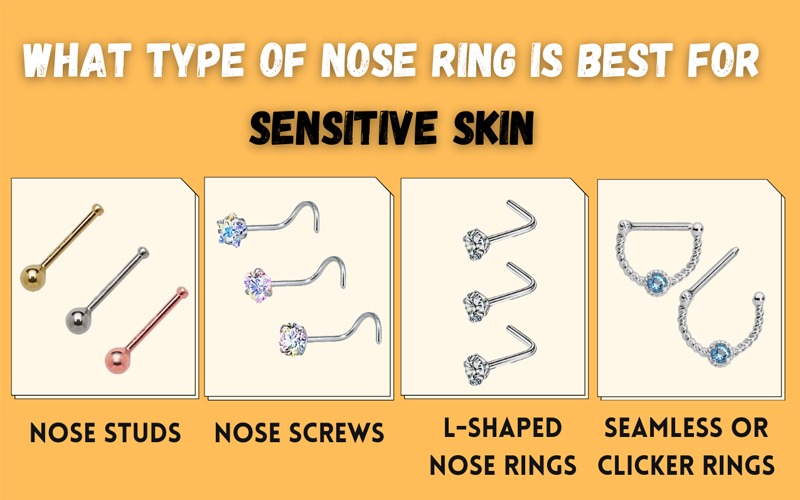
– Studs: Nose studs are one of the most common types of nose jewelry. They typically feature a small decorative element on one side, with a straight post on the other. Studs can come in numerous designs, from simple balls to intricate gemstones, allowing for personalization and style versatility.
– Hoops: Nose hoops are circular designs that can vary in size and thickness. Smaller versions of hoops are available for those who prefer a more subtle look. Hoops can be a great choice for those who want to make a statement while still keeping their appearance understated.
When choosing between studs and hoops, consider your personal style and what you find most comfortable. Some may prefer the ease of putting on a stud, while others might enjoy the aesthetic of a hoop.
Materials Used in Nose Rings
The materials used in nose rings are equally important and can influence both comfort and durability.
– Surgical Stainless Steel: This is one of the most commonly used materials for nose rings due to its durability and resistance to tarnishing. It is also relatively affordable, making it a popular option for many.
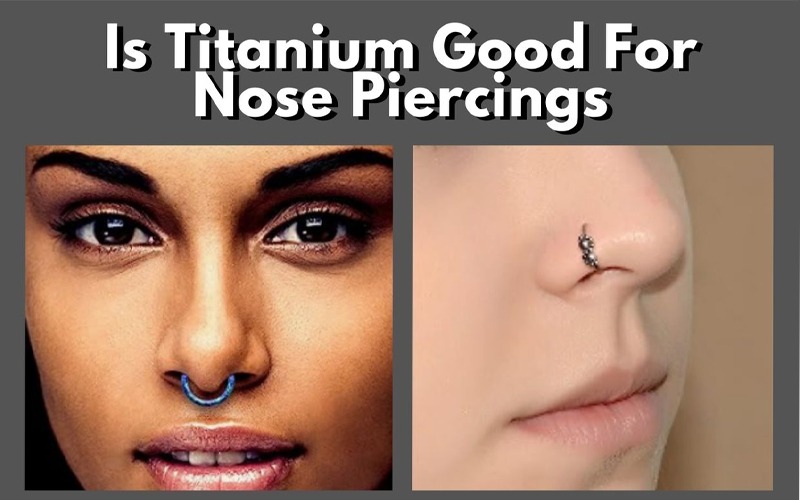
– Titanium: An excellent choice for those with sensitive skin or allergies, titanium is lightweight and hypoallergenic. It is often recommended for initial piercings, as it minimizes the risk of irritation.
– Gold: Gold nose rings, particularly those made of solid gold or gold-plated options, provide a luxurious appearance. However, it’s essential to ensure that the gold is of high quality (14k or higher) to prevent any allergic reactions or skin irritations.
When selecting a material, consider your skin sensitivity and lifestyle. If you are prone to allergic reactions, opt for hypoallergenic materials like titanium or surgical stainless steel.
Care Tips for Your Nose Ring
Maintaining your nose ring is crucial for both hygiene and prolonging the life of the jewelry.
– Regular Cleaning: Clean your nose ring regularly with a saline solution or a gentle cleanser to prevent infection and inflammation. Avoid using alcohol or harsh chemicals, as these can irritate the piercing.
– Avoid Changing Jewelry Too Soon: If you have just gotten your nose pierced, it is essential to avoid changing your jewelry too soon. Doing so can disrupt the healing process and lead to complications. Most professional piercers recommend waiting at least 6-8 weeks before changing your jewelry.
– Monitor for Irritation: Keep an eye on your piercing for any signs of irritation, redness, or swelling. If any of these symptoms arise, consult with your piercer or a healthcare professional for advice.
Common Myths About Nose Ring Sizes
Misconceptions about nose ring sizes can lead to confusion and poor choices. Here are a couple of common myths:
– Myth: Smaller rings are always better for healing. Truth: While smaller rings, like 20 gauge, can be suitable for some individuals, the ideal size depends on personal preference, anatomy, and specific circumstances surrounding the piercing.
– Myth: You can’t wear larger sizes if you’ve had a smaller gauge piercing. Truth: It is possible to gradually stretch your piercing to accommodate larger sizes, but this should be done cautiously and under the guidance of a professional to avoid damage.
Understanding these myths allows for informed decision-making, ensuring a better overall experience with your nose jewelry.
Your nose ring experience can be significantly enhanced by understanding the smallest sizes available and how they fit into your lifestyle. Selecting the right gauge, materials, and styles can provide both comfort and aesthetic appeal. With proper care and attention to your jewelry, you can enjoy your nose ring for years to come. Always consult with a professional piercer for personalized advice and to address any concerns or inquiries regarding your choices.
Frequently Asked Questions
What is the smallest nose ring size available?
The smallest nose ring size typically available is 20 gauge (0.8 mm in diameter). Some jewelers may also offer 22 gauge (0.6 mm) as an option, although it is less common. It’s important to choose a size that fits comfortably and securely, as a nose ring that is too small can cause discomfort or irritation.
How do I determine the right nose ring size for my nostril piercing?
To determine the right nose ring size for your nostril piercing, first, measure the thickness of your piercing with a caliper or ruler to find the gauge. If you are unsure, consult with a professional piercer who can recommend a suitable size based on your anatomy and healing status. Generally, most nostril piercings are done in either 18 gauge (1.0 mm) or 20 gauge (0.8 mm).
Why is it important to choose the right size for a nose ring?
Choosing the right size for a nose ring is crucial for both comfort and healing. A correctly sized ring ensures that it fits snugly without being too tight, which can cause irritation, swelling, or infection. Additionally, wearing the appropriate size helps to prevent migration or rejection of the piercing, allowing for better healing and aesthetic appearance.
What are the best materials for small nose rings?
The best materials for small nose rings include surgical stainless steel, titanium, and gold. Surgical stainless steel is hypoallergenic and durable, making it a popular choice for initial piercings. Titanium is lightweight and corrosion-resistant, while gold (preferably 14 karat or higher) is also a good option for those looking for a more luxurious style. Always ensure that the material is safe for sensitive skin.
Which style of nose ring works best for smaller sizes?
For smaller nose ring sizes, styles such as studs or hoops with a smaller diameter are often recommended. Studs, including flat-back options, tend to sit closer to the nostril, making them a discreet and comfortable choice. Small hoops or clickers can also be stylish and versatile, but ensure they are appropriately sized to avoid discomfort. Always prioritize comfort and ease of use when selecting a style.
References
- Nose piercing
- https://www.verywellhealth.com/nose-piercing-5191856
- https://www.healthline.com/health/nose-piercing
- https://www.ncbi.nlm.nih.gov/pmc/articles/PMC4563600/
- https://www.plannedparenthood.org/learn/teens/body/nose-piercings