Nose rings symbolize a variety of meanings across different cultures and personal expressions. Primarily, they can represent individuality, cultural identity, and even spirituality. As a form of body modification, nose rings have evolved from their historical roots into modern fashion statements and personal symbols. In this article, we will explore the historical significance, cultural interpretations, and contemporary meanings behind nose rings to give you a comprehensive understanding of what they signify.
Historical Significance of Nose Rings

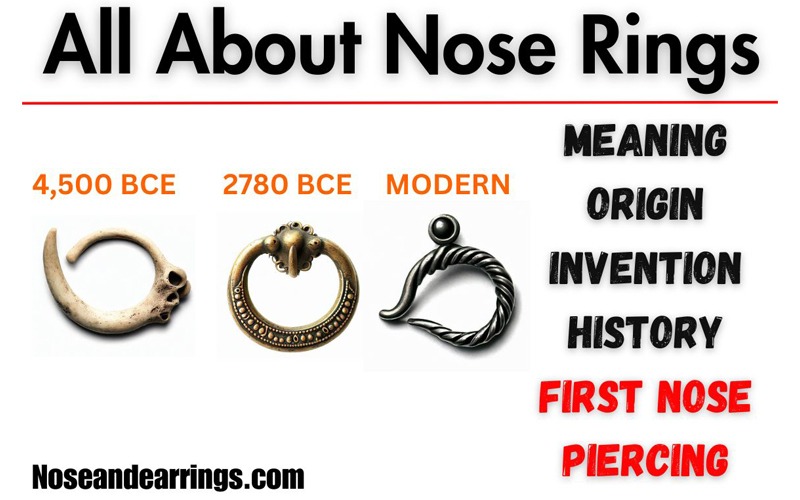
Nose rings have been worn for centuries, dating back to ancient civilizations such as the Indus Valley and Egypt. Archaeological evidence suggests that nose piercings were common in the Indus Valley civilization around 4,000 years ago, where they were often made from materials like gold and silver. In ancient Egypt, nose rings were not only a form of adornment but also a symbol of wealth and status, frequently worn by pharaohs and nobility. The usage of nose rings throughout history often reflected the wearer’s social standing, with elaborate designs indicating higher status.
In various ancient cultures, including those in the Middle East and Africa, nose rings were also believed to have protective or spiritual qualities. They were thought to ward off evil spirits or bring good luck to the wearer. This rich historical backdrop highlights how nose rings have transcended mere ornamentation to become symbols laden with meaning and significance.
Cultural Interpretations

In Hindu culture, nose rings, particularly in the form of a “nath,” are traditionally worn by married women. This adornment serves as a symbol of their marital status and commitment to their husbands. The nath is often beautifully crafted and can feature intricate designs, sometimes embellished with precious stones. Beyond marriage, nose rings in Hindu culture are also tied to various religious rituals, enhancing their importance in personal and spiritual identity.
Various Indigenous cultures have their own unique meanings associated with nose rings. For instance, among certain Native American tribes, nose piercing can signify tribal identity and be an essential part of rites of passage. The act of piercing is often accompanied by ceremonial practices that emphasize its significance in the individual’s life journey. These cultural interpretations underscore that nose rings are far more than mere fashion accessories; they are deeply embedded in cultural narratives and personal identities.
Modern-Day Symbolism
Today, nose rings are often associated with self-expression and rebellion against societal norms, especially among younger generations. This contemporary interpretation reflects a shift in societal attitudes towards body art and personal individuality. For many, a nose ring is a way to challenge conventional beauty standards and assert a unique identity. In urban and alternative communities, nose rings are embraced as symbols of freedom, creativity, and non-conformity.
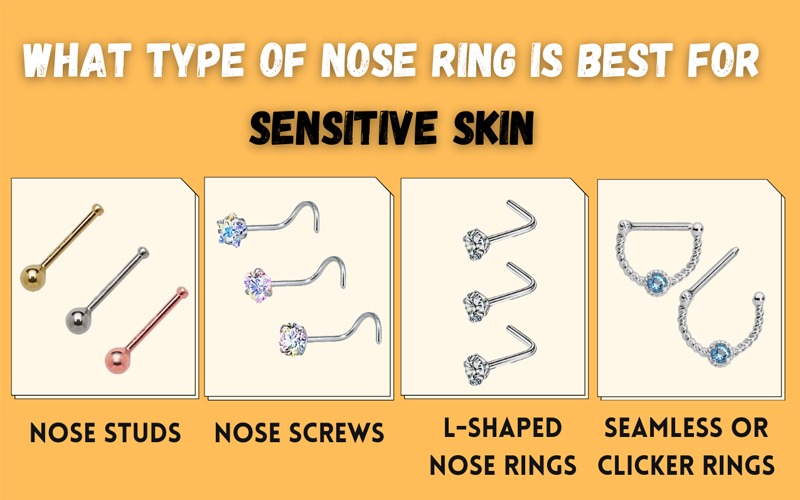
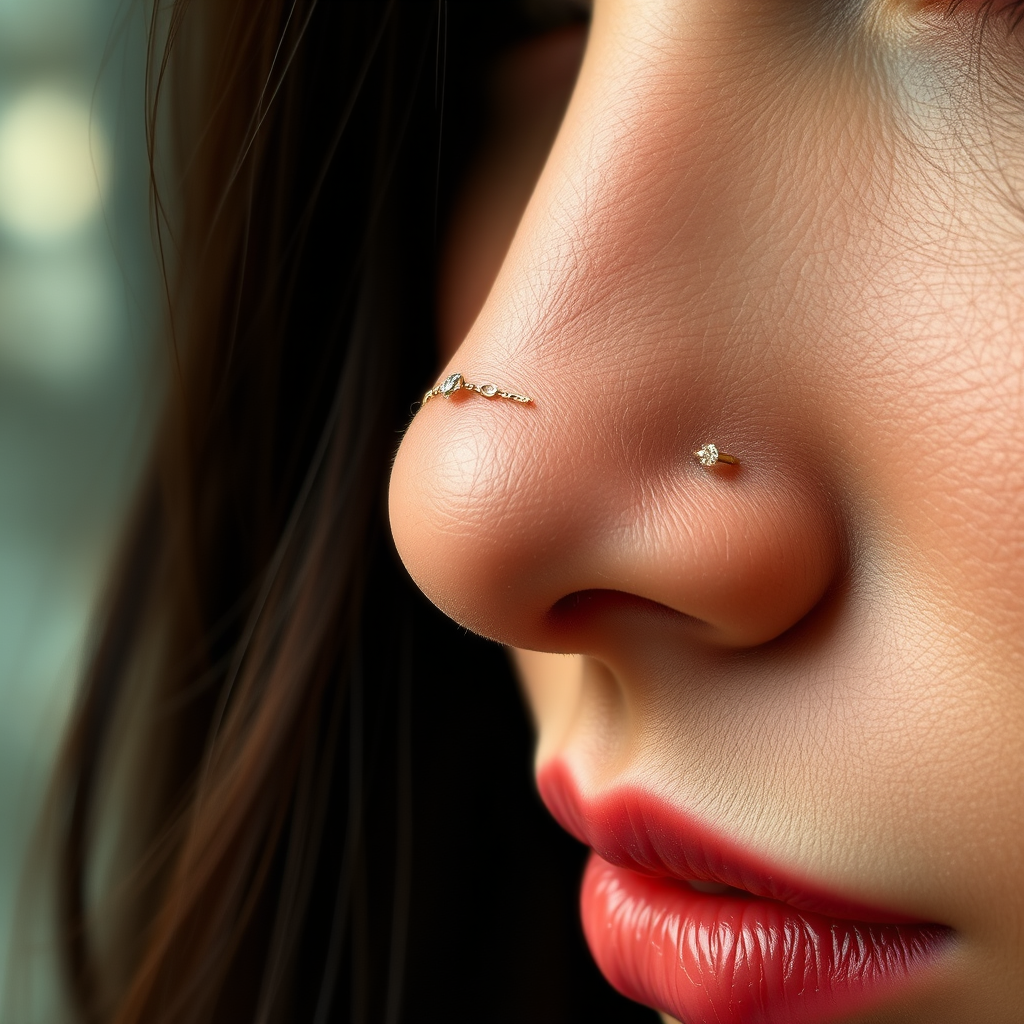
Moreover, many people view nose rings as a form of body art, celebrating personal identity and aesthetics. The variety of styles available—from simple studs to elaborate hoops—allows individuals to choose pieces that resonate with their personal taste and expressions. This evolution highlights how nose rings have transitioned from cultural symbols to widely accepted forms of self-expression across diverse communities.
Spiritual and Healing Associations
Some believe that nose piercings can have spiritual significance, such as promoting healing and enhancing intuition. In various spiritual practices, piercing specific areas of the body is thought to open energy pathways, thereby facilitating healing and balance within oneself. For example, in Ayurveda, the left nostril is associated with the feminine energy of the body, known as “Shakti.” Piercing it is thought to help balance energies and enhance intuition, allowing individuals to connect more deeply with their inner selves.
Additionally, some cultures believe that the act of piercing the nose can serve as a rite of passage, marking a transition into a new phase of life. This spiritual connection to body modification emphasizes the profound personal meanings that nose rings can hold beyond mere aesthetics.
Fashion and Trends
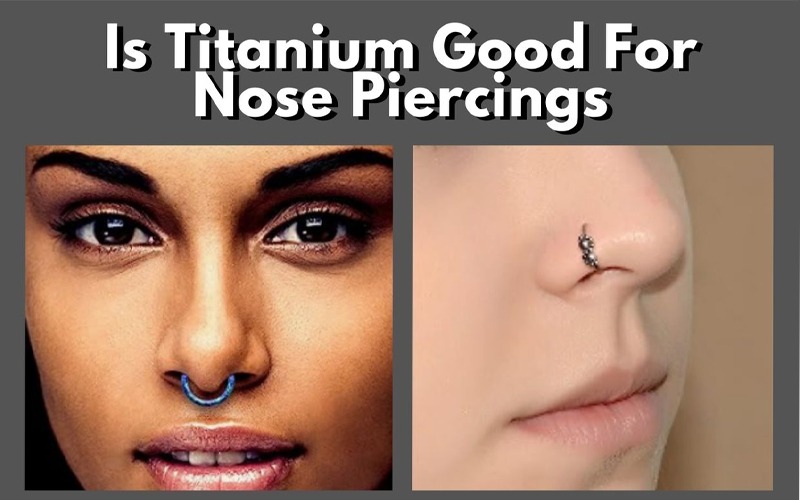
Nose rings have become a mainstream fashion accessory, with styles ranging from simple studs to elaborate hoops. As fashion evolves, so too do the designs and materials used in nose rings. Today, one can find nose rings made from a variety of materials, including stainless steel, gold, and even organic materials, accommodating diverse fashion preferences and lifestyles.
Influencers and celebrities play a significant role in popularizing different nose ring styles, influencing trends and public perception. High-profile figures such as Rihanna, Paris Hilton, and various fashion icons have sported nose rings, thereby contributing to their acceptance in mainstream culture. This visibility has led to an increased interest in nose piercings, encouraging more individuals to explore this form of self-expression.
Care and Maintenance of Nose Rings
Proper care is essential to avoid infections and ensure healing, particularly for new piercings. It is recommended that individuals clean their nose rings regularly with saline solution or a mild antiseptic to prevent bacterial growth. Avoiding irritants, such as harsh soaps or makeup, is also crucial during the healing process.
Personal Stories and Experiences
Many individuals share personal anecdotes about how their nose rings reflect their identity or beliefs. For some, a nose ring marks a significant life change, such as overcoming adversity or embracing one’s true self. These narratives can illustrate the diverse meanings that nose rings can hold for different people, demonstrating that each piece of jewelry carries a unique story.
For instance, a young artist might choose a nose ring as a declaration of their creative identity, while someone from a traditional background may wear one to honor their cultural heritage. These personal stories enrich the collective understanding of what nose rings symbolize and how they can resonate deeply with individual experiences.
Summarizing these various aspects of nose rings reveals their rich tapestry of meanings and significance. From cultural traditions to modern expressions of individuality, nose rings continue to be a powerful symbol for many. If you’re considering getting a nose ring, reflect on what it will mean for you personally and how it fits into your own narrative. Understanding the multifaceted meanings behind this form of body art can enhance not only your appreciation of it but also your connection to it as an expression of your identity.
Frequently Asked Questions
What do nose rings symbolize in different cultures?
Nose rings have a rich history and symbolize various meanings across different cultures. In India, they are often associated with marriage and femininity, traditionally worn by brides as a form of adornment. In Western cultures, nose rings can symbolize individuality, rebellion, or a fashion statement, reflecting personal style or counter-culture movements. Understanding these cultural significances helps appreciate the diverse meanings behind this type of body jewelry.
Why do people choose to wear nose rings?
People choose to wear nose rings for a myriad of reasons, including self-expression, cultural significance, or as a fashion statement. Nose rings allow individuals to showcase their personality and creativity, while in some cultures, they hold deeper meanings related to spirituality or tradition. Additionally, the growing trend of body modification has made nose rings a popular choice for those looking to stand out or express their identity.
How do nose rings affect perception in professional settings?
Nose rings can influence perceptions in professional settings, as attitudes toward body piercings vary widely by industry and company culture. In more conservative fields, such as finance or law, a nose ring may be viewed as unprofessional, while creative industries may embrace such expressions of individuality. It’s essential to consider the specific workplace culture and, if necessary, opt for subtle jewelry that aligns with professional expectations without compromising personal style.
Which types of nose rings are most popular and what do they represent?
The most popular types of nose rings include studs, hoops, and septum rings, each carrying different connotations. Nose studs typically symbolize simplicity and elegance, often worn for subtlety, while hoop nose rings can represent boldness and a free-spirited attitude. Septum rings, which are placed through the cartilage, have gained popularity as a statement of rebellion and nonconformity, appealing to those who wish to challenge societal norms.
What are the potential risks of getting a nose ring, and what do they symbolize in terms of commitment?
Getting a nose ring comes with potential risks such as allergic reactions, infections, or scarring if not done properly. Symbolically, choosing to get a nose ring can signify a commitment to self-expression and personal identity, as it often represents a willingness to embrace change and stand out. It’s crucial for individuals to weigh these factors before getting a nose ring, ensuring they are ready for the responsibilities that come with body modification.
References
- Nose ring
- https://www.bbc.com/culture/article/20210720-why-do-people-get-piercings
- https://www.ncbi.nlm.nih.gov/pmc/articles/PMC4378670/
- https://www.psychologytoday.com/us/blog/the-moment-youth/201702/the-meaning-body-piercing
- https://www.sciencedirect.com/science/article/abs/pii/S0191886919300333
- https://www.verywellmind.com/what-does-body-piercing-symbolize-2796157
- https://www.huffpost.com/entry/the-history-of-piercings_n_5a4b4908e4b0d7e4d0b59e18