Deciding whether to get a nose ring is a personal choice that hinges on your values, lifestyle, and aesthetic preferences. While a nose ring can be a vibrant form of self-expression, it’s crucial to evaluate various factors, such as cultural significance, potential pain, healing time, and social perceptions. This article will delve into the benefits, drawbacks, styles, and aftercare involved in getting a nose ring to help you make an informed decision.
The Benefits of a Nose Ring

One of the most compelling reasons to get a nose ring is personal expression. A nose ring can significantly enhance your style and serve as a reflection of your personality. Whether you prefer a subtle stud or a bold hoop, a nose ring allows you to convey your individuality in a way that is both fashionable and meaningful. Many individuals find that body modifications like nose rings can boost their confidence and help them feel more in tune with their identity.
Additionally, nose rings hold cultural significance in various societies around the world. For instance, in Indian culture, a nose ring or “nath” is often worn by married women as a symbol of marital status and is deeply embedded in traditional practices. In some indigenous cultures, nose piercings signify bravery or a rite of passage. Understanding the cultural relevance of nose rings can deepen your appreciation for the art of body modification and help you connect with a broader community.
Potential Drawbacks of Getting a Nose Ring

While the benefits are appealing, it’s essential to consider the potential drawbacks of getting a nose ring. One significant concern is the pain and healing process associated with the piercing. Pain tolerance varies among individuals, but you can expect some discomfort during and after the procedure. The healing time for a nose piercing typically ranges from 4 to 6 weeks, during which you may experience swelling, tenderness, or irritation.
Moreover, maintaining proper hygiene is critical to prevent complications. A nose piercing requires regular cleaning and care to avoid infections. Failure to adhere to aftercare guidelines could result in complications that necessitate removal of the jewelry and even scarring. Thus, it’s crucial to assess your readiness for the commitment involved in maintaining a new piercing.
Different Styles of Nose Rings
When it comes to nose rings, style options abound, allowing you to choose one that best suits your personality. The most common styles include studs, hoops, and septum rings. Nose studs are typically small and discrete, making them an excellent choice for individuals who prefer a minimalist look. Hoops, on the other hand, can range from small, delicate rings to larger, more statement-making options. Septum rings, which are worn through the cartilage between the nostrils, offer a bolder aesthetic and can be particularly striking.
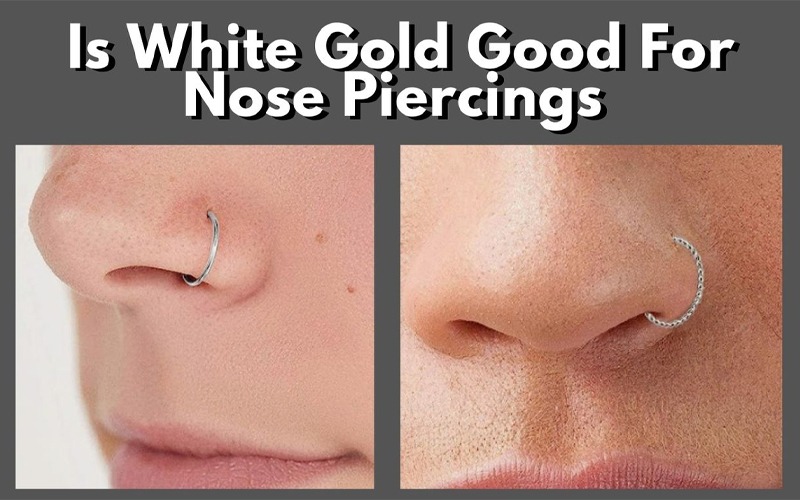
In addition to style, the materials used for nose rings are also an important consideration. Common materials include gold, silver, and titanium. Gold and silver may cause allergic reactions in some individuals, particularly if they contain nickel. Titanium, being hypoallergenic, is often recommended for sensitive skin. When selecting a nose ring, it’s imperative to choose a material that aligns with your skin type and lifestyle, ensuring both comfort and longevity.
Before getting a nose ring, it’s prudent to evaluate how it may be perceived in your social and professional circles. Workplace policies regarding piercings can vary widely depending on the industry and company culture. Some workplaces may be more permissive, embracing a more casual or creative environment, while others may adhere to formal dress codes that discourage visible piercings. It’s wise to consult your employee handbook or speak with HR if you are unsure.
Social reactions can also vary, as friends and family may have differing opinions about your decision. While some may celebrate your choice as a form of self-expression, others may express concern or disapproval based on their beliefs or cultural backgrounds. Being prepared for a range of reactions can help you navigate potential social dynamics and reinforce your commitment to your decision.
Aftercare Tips for Nose Piercings
Once you decide to go ahead with the piercing, proper aftercare is crucial for ensuring a smooth healing process. A recommended cleaning routine involves using saline solution to gently cleanse the area around the piercing twice a day. Avoid using alcohol or hydrogen peroxide, as these can irritate the piercing and delay healing. Always wash your hands before touching the piercing to minimize the risk of infection.
It’s also essential to be aware of the signs of infection. Symptoms may include increased redness, swelling, pain, or discharge that is yellow or green in color. If you experience these symptoms, seek medical advice promptly to prevent further complications. Staying vigilant during the healing process will ensure that your new nose ring remains a source of pride rather than a point of concern.
Alternative Options to Consider
If you’re uncertain about committing to a nose ring, there are alternative options worth exploring. Fake nose rings, which can be clipped on or worn without a piercing, allow you to enjoy the aesthetic without a long-term commitment. These come in various styles, from studs to hoops, offering flexibility to change your look as desired.
Additionally, consider other facial piercings that might align with your style. Options such as eyebrow piercings, lip piercings, or even dermal anchors can provide similar aesthetic benefits and may resonate more with your personal taste. Exploring these alternatives can help you find the right form of self-expression that feels comfortable and appropriate for you.
Getting a nose ring can be an exhilarating journey into self-expression, but it’s vital to weigh the pros and cons thoughtfully. By considering the benefits, potential drawbacks, styles available, and aftercare necessities, you can make an informed choice that aligns with your lifestyle and aesthetic preferences. If you remain uncertain, exploring alternative options or consulting with a professional piercer can provide further clarity and guidance. Ultimately, the decision should reflect who you are and what you value.
Frequently Asked Questions
What are the benefits of getting a nose ring?
Getting a nose ring can enhance your personal style and self-expression, acting as a unique accessory that complements your overall look. Additionally, many people find that a nose ring can symbolize cultural significance or personal beliefs, allowing for deeper connections to their identity. Finally, nose rings are available in various styles and materials, making them versatile options for anyone looking to make a fashion statement.
How much does it cost to get a nose ring?
The cost of getting a nose ring typically ranges from $30 to $100, depending on the type of jewelry you choose and the piercing studio’s location. This price usually includes the piercing itself, but additional costs may be incurred for high-quality materials or aftercare products. It’s essential to choose a reputable piercer to ensure a safe and hygienic experience, which can also influence the overall cost.
Why do some people experience pain or discomfort after getting a nose ring?
Pain or discomfort after getting a nose ring is common due to the body’s natural healing process. The piercing creates a wound that must heal, which can lead to swelling, tenderness, or irritation in the initial weeks. It’s crucial to follow proper aftercare instructions and avoid touching or changing the jewelry prematurely to minimize discomfort and ensure that the piercing heals correctly.
What should I consider before choosing a nose ring style?
Before choosing a nose ring style, consider factors such as your lifestyle, personal taste, and workplace policies regarding piercings. For a more subtle look, you might opt for a stud or a small hoop, while larger hoops or decorative styles can make a bolder statement. Additionally, think about the material of the jewelry; hypoallergenic options like titanium or surgical steel are best for sensitive skin.
Which aftercare steps are essential for maintaining a new nose ring?
Proper aftercare is crucial for a healthy healing process after getting a nose ring. Clean the area with a saline solution or a mild antiseptic twice daily and avoid touching the piercing with dirty hands. It’s also important to refrain from swimming or using saunas for at least a month to prevent infection, and avoid changing the jewelry until the piercing is fully healed, which can take anywhere from 2 to 6 months.
References
- Body piercing
- https://www.ncbi.nlm.nih.gov/pmc/articles/PMC3406866/
- https://www.healthline.com/health/nose-piercing
- https://www.verywellhealth.com/nose-piercing-care-5192843
- https://www.mayoclinic.org/healthy-lifestyle/adult-health/in-depth/piercings/art-20045608
- https://www.webmd.com/beauty/features/nose-piercing
- https://www.theguardian.com/lifeandstyle/2020/jul/02/nose-piercings-are-very-2020
- https://www.huffpost.com/entry/nose-piercing_n_5b4d47a0e4b0c5e5e5d7cb8c