Many individuals adorn their noses with rings as a form of self-expression, cultural significance, or fashion statement. The contemporary trend of nose rings is not just a modern phenomenon; it is deeply rooted in history and varies significantly across different cultures. This article will delve into the reasons behind this practice, its cultural significance, and how it has evolved over time.
Cultural Significance of Nose Rings
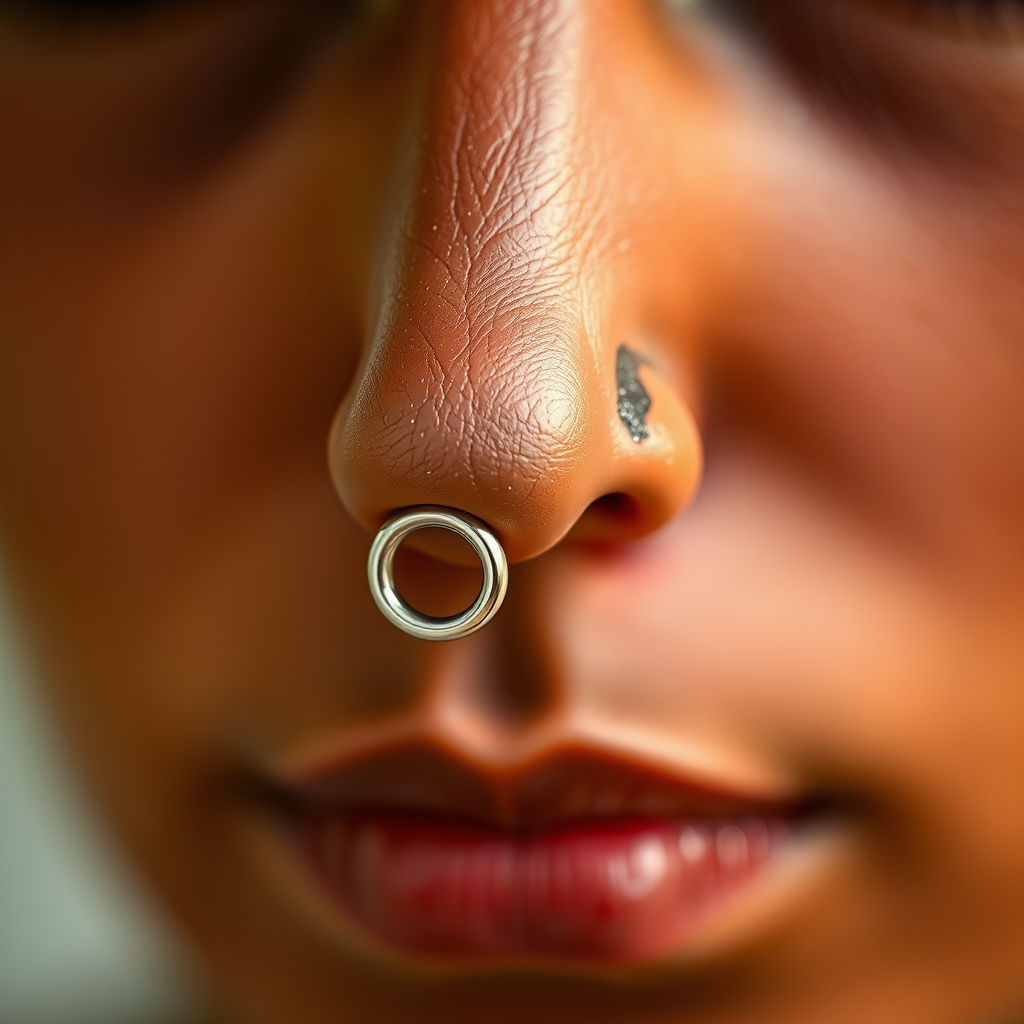
Nose rings carry profound cultural meanings in various societies around the globe. In South Asia, for instance, nose piercings are often associated with marriage, where a woman may wear a nose ring as a symbol of her marital status. The size and design of the ring can also denote social status within specific communities. In some Indian cultures, a nose ring is an integral part of bridal attire, symbolizing the transition into womanhood and the responsibilities that come with marriage.
Indigenous cultures, such as certain tribes in Africa and the Americas, also view nose piercings as significant rites of passage. These piercings can mark important life transitions, such as puberty, entering adulthood, or achieving a certain status within the community. The act of piercing tends to be accompanied by ceremonies that enhance its cultural importance, reinforcing social bonds and communal identity.
Fashion and Personal Expression

Beyond cultural implications, many individuals wear nose rings as a fashion choice that allows for personal expression. The diversity of nose jewelry—ranging from simple studs to elaborate hoops—enables wearers to showcase their unique styles. This versatility makes nose rings a popular accessory among various demographics, especially younger generations looking to make bold fashion statements.
Customization plays a significant role in the appeal of nose rings. With options available in various materials such as gold, silver, and even glass, individuals can select pieces that resonate with their personal aesthetics or even match their outfits. This level of personalization allows individuals to express themselves in ways that resonate with their identity, beliefs, and lifestyle.
Historical Context
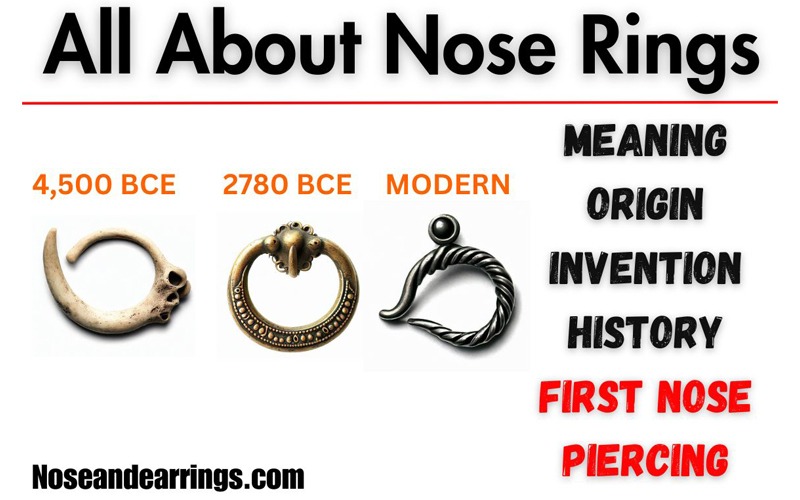
The practice of nose piercing is ancient, with evidence dating back thousands of years. Archaeologists have uncovered artifacts that suggest nose piercings were common in ancient civilizations, such as the Egyptians, who often adorned themselves with nose rings made from gold and precious stones. In the Indian subcontinent, historical texts and artifacts illustrate that nose rings have been a part of cultural practices for centuries, often linked to both beauty and social status.
By understanding the historical context of nose rings, one can appreciate how these practices have transcended time and geography. They are not merely trendy accessories but rather a continuation of rich traditions that have evolved over the centuries. This historical depth adds a layer of significance for those who choose to wear them today.
Psychological Aspects
The decision to pierce one’s nose and wear a ring often extends beyond aesthetics; it can also be a psychological journey. Body modification, including nose rings, can enhance self-esteem and serve as a form of personal empowerment. For many, the act of piercing is a reclamation of control over their bodies, allowing individuals to assert their identity in a profound way.
Research in psychology indicates that body modifications can lead to improved body image and increased confidence. In a society where individuality is often celebrated, wearing a nose ring can symbolize a break from conformity and an embrace of personal uniqueness. The act of wearing body jewelry often becomes a narrative of self-acceptance and a visible declaration of one’s identity.
Common Types of Nose Rings
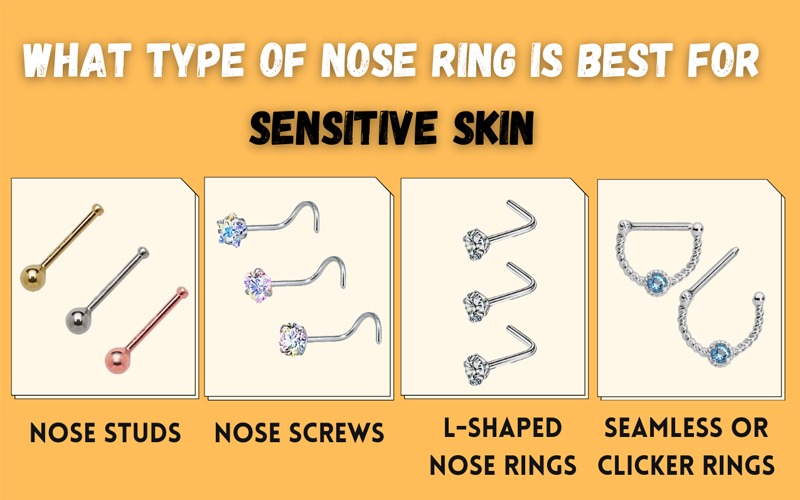
There is a myriad of styles when it comes to nose rings, each serving different aesthetic purposes. The most common types include:
– Nose Studs: These are small, often subtle pieces of jewelry that sit securely on the nostril. They come in various designs, allowing for personalization while maintaining a classic look.
– Hoops: Nose hoops are circular pieces that can vary in size and thickness. They offer a bolder look and can be particularly striking when paired with other facial jewelry.
– Septum Rings: Worn through the septum, the cartilage that divides the nostrils, septum rings have gained popularity in recent years. They can be understated or adorned with intricate designs, appealing to those who seek to make a statement.
The choice of type of nose ring often reflects personal taste, cultural influences, and even current trends, showcasing the broad spectrum of options available to those interested in nose jewelry.
Health and Safety Considerations
While nose rings can enhance personal style, it is crucial to consider health and safety aspects associated with the piercing process. Proper hygiene and aftercare are essential to prevent infections and ensure healing. Individuals should seek professional piercers who adhere to strict sanitation protocols to minimize risks.
It is advisable to follow aftercare instructions diligently, which may include cleaning the piercing with saline solution and avoiding touching it with unwashed hands. Understanding the signs of infection—such as excessive redness, swelling, or discharge—can be vital for prompt treatment. Consulting with a healthcare professional if any concerns arise can further ensure a safe and healthy experience.
Trends and Evolving Perceptions
In recent years, the popularity of nose rings has surged, particularly among younger generations who challenge traditional norms. Social media platforms have played a significant role in normalizing and popularizing nose jewelry as a mainstream trend. Influencers and celebrities showcasing their nose piercings have contributed to this shift, making it more acceptable in various professional and social settings.
As society becomes more inclusive and accepting of diverse expressions of identity, the stigma surrounding body modifications, including nose rings, continues to diminish. This cultural evolution reflects broader changes in societal attitudes toward personal expression, individuality, and beauty standards.
Nose rings serve as a powerful symbol of identity, culture, and personal expression. As we’ve explored, their significance goes beyond mere decoration, encompassing historical, cultural, and psychological dimensions. If you’re considering getting a nose ring, research your options and find a style that resonates with you. Embrace the opportunity to express your individuality!
Frequently Asked Questions
Why do people put rings in their nose?
People put rings in their nose primarily for personal expression and cultural significance. Nose rings, or nose piercings, are often seen as a form of self-identity, fashion statement, or a way to embrace cultural heritage. In some cultures, nose piercings are traditional and symbolize milestones like coming of age or marriage.
What are the different types of nose rings available?
There are several types of nose rings available, including studs, hoops, and septum rings. Nose studs can be simple beads or embellished designs, while hoops can range from small, delicate rings to larger styles for a more dramatic look. Septum rings, which are inserted through the tissue that separates the nostrils, offer a unique appearance and come in various styles as well.
How do I care for my new nose ring and piercing?
Caring for a new nose ring and piercing is essential to prevent infection and promote healing. It’s important to clean the area with a saline solution or a mild antiseptic recommended by your piercer twice a day. Avoid touching or twisting the ring, and refrain from swimming in pools or hot tubs until the piercing fully heals, which can take several weeks to months depending on individual healing rates.
Which materials are best for nose rings to avoid allergic reactions?
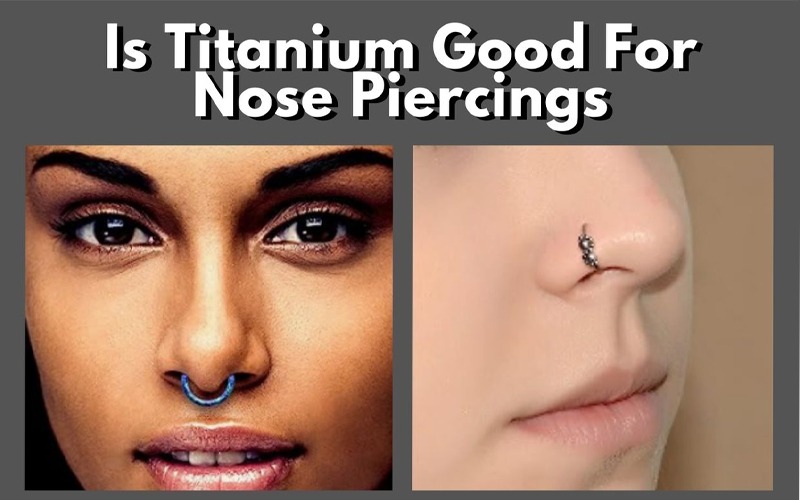
The best materials for nose rings that minimize the risk of allergic reactions include surgical stainless steel, titanium, and gold (at least 14k). These materials are hypoallergenic and less likely to irritate the skin. It’s important to avoid jewelry made from nickel or cheap metals, as these can cause allergic reactions and complications, especially in newly pierced areas.
Why might someone choose to remove their nose ring?
Someone might choose to remove their nose ring for various reasons, including changes in personal style, workplace policies, or lifestyle changes. Additionally, if someone experiences discomfort, irritation, or an allergic reaction, they may decide to take it out. It’s crucial to consider the healing time and consult a professional piercer before removing a nose ring, especially if it’s a fresh piercing.
References
- https://en.wikipedia.org/wiki/Nose_piercing
- https://www.ncbi.nlm.nih.gov/pmc/articles/PMC4974037/
- https://www.bbc.com/culture/article/20170606-why-we-pierce-our-bodies
- https://www.ncbi.nlm.nih.gov/pmc/articles/PMC5641538/
- https://www.verywellhealth.com/nose-piercings-5114158
- https://www.theatlantic.com/health/archive/2017/05/the-importance-of-body-modification/526330/