Bulls are often fitted with a ring in their noses to help manage their behavior and prevent them from causing harm. This practice is primarily used for safety reasons, both for handlers and the animals themselves. The ring allows for better control during handling and transportation, ensuring a safer environment for both the animals and the people working with them. In this article, we will explore the reasons behind this practice, its benefits, and some considerations for animal welfare.
The Purpose of Nose Rings in Bulls
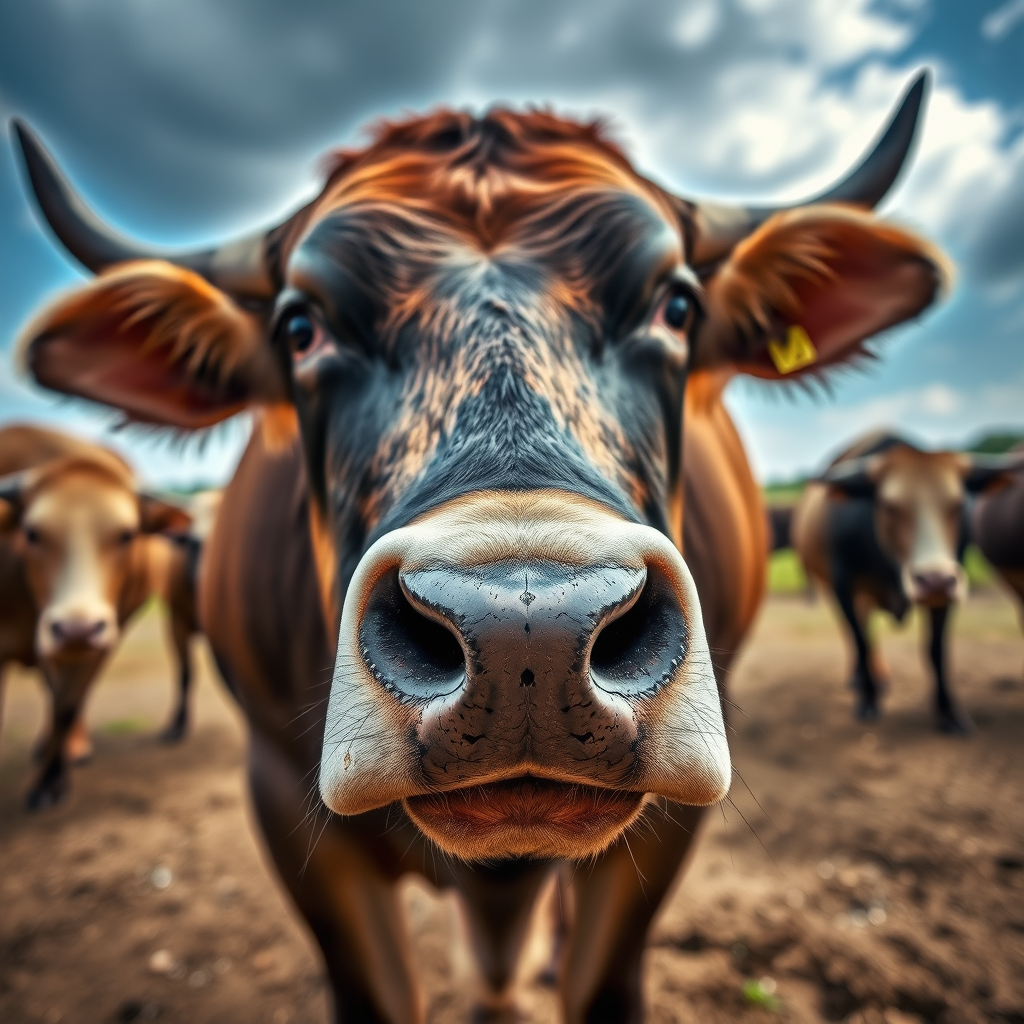
The primary purpose of a nose ring in bulls is to serve as an effective tool for controlling their movements. The ring is inserted through a small hole in the septum of the bull’s nose, which is a sensitive area of the animal. This sensitivity allows handlers to exert influence over the bull’s behavior; when the bull pulls against the ring, it experiences discomfort, making it more likely to comply with the handler’s directions.
Moreover, nose rings are particularly beneficial in preventing aggressive behavior during handling and transportation. When bulls are being moved or transported, the potential for stress and aggression increases significantly, which can lead to dangerous situations. The presence of a nose ring allows handlers to maintain control more effectively, reducing the likelihood of injuries to both the animals and the people involved. In essence, the ring acts as a physical reminder of the handler’s authority, fostering a safer environment for everyone.
Behavioral Management and Safety
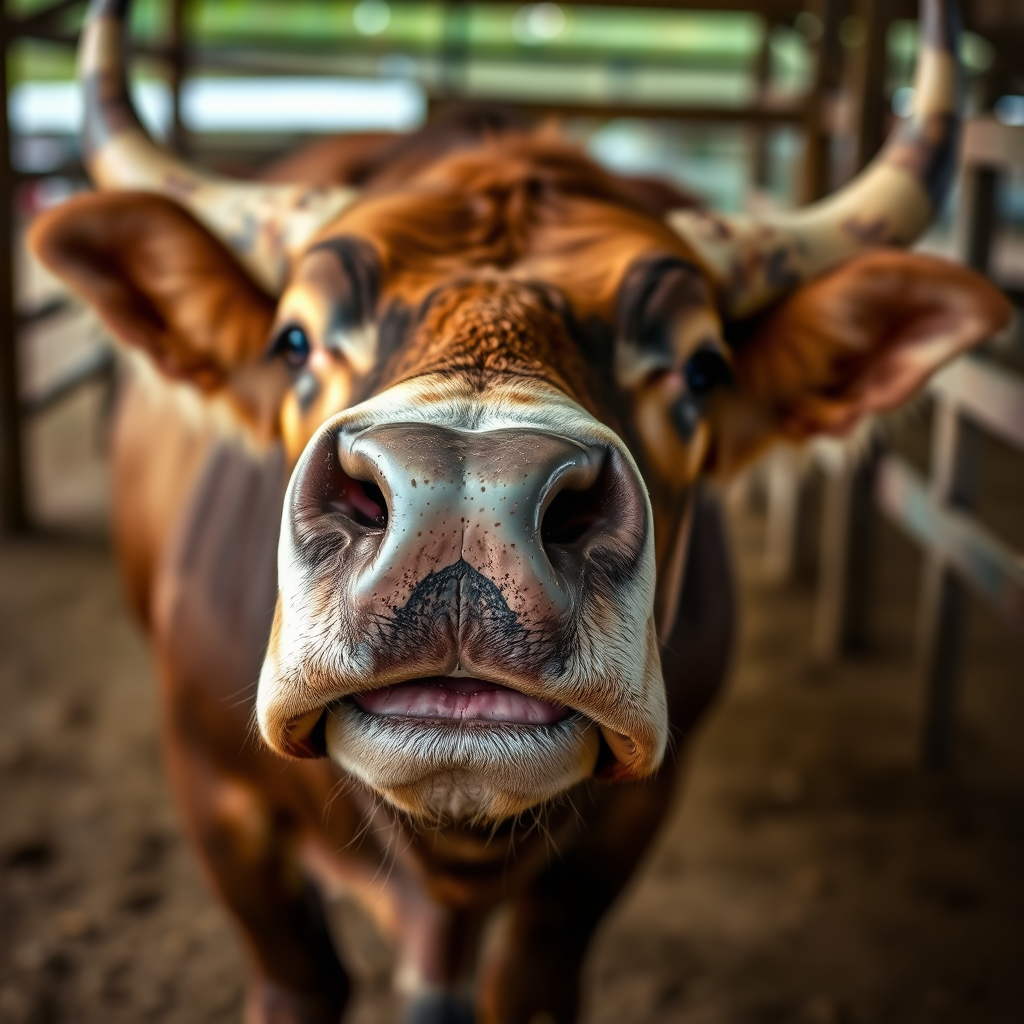
Bulls, by nature, can be incredibly strong and unpredictable animals. Their sheer size and power can pose a significant risk to handlers, especially when they feel threatened or agitated. The use of a nose ring provides an essential mechanism for behavioral management. When a bull attempts to resist or exhibit aggressive behavior, the discomfort caused by the nose ring can deter such actions, contributing to a calmer atmosphere during handling.
For example, during veterinary check-ups or routine vaccinations, the bull may become anxious or agitated. In these instances, the nose ring allows veterinarians and handlers to manage the animal’s movements more safely, ensuring that procedures can be conducted with minimal risk. This control is especially crucial when dealing with larger bulls, which can weigh over a thousand pounds and possess significant strength. Thus, the implementation of nose rings plays a vital role in ensuring safety in various scenarios, from routine care to emergency situations.
Historical Context of Nose Rings
The practice of using nose rings in bulls is not a modern invention; it has been utilized for centuries across various cultures for livestock management. Historically, farmers and herders recognized the need for effective tools to manage large and potentially dangerous animals. The nose ring, in this context, emerged as a practical solution, allowing for easier handling and transportation of livestock.
In many ancient agricultural societies, the use of nose rings was also a symbol of ownership and control. It signified that the animal was domesticated and could be managed by humans. As farming practices evolved, so too did the methods of livestock management, but the nose ring remained a constant feature due to its effectiveness. This historical significance underscores how deeply embedded this practice is in the culture of animal husbandry, reflecting an ongoing need to balance safety and control in livestock management.
Alternatives to Nose Rings
While nose rings serve an important purpose, there are humane alternatives for managing bulls that can be explored. Training techniques rooted in positive reinforcement have gained popularity in recent years, emphasizing the importance of building trust and a strong handler-animal bond. Methods such as clicker training or reward-based systems can effectively encourage desirable behaviors without the need for physical restraints like nose rings.
Additionally, some farmers and handlers have reported success with the use of head halters or other forms of gentle restraint. These alternatives can provide similar control without the discomfort associated with a nose ring. However, it is essential to understand that these methods require time and consistent training to be effective. As such, while alternatives exist, they may not be suitable for every situation or every animal, making it crucial for handlers to assess the individual needs of each bull.
Impact on Animal Welfare
The use of nose rings can be effective in managing bulls, but it raises important concerns regarding animal welfare. Critics argue that the insertion of a ring can cause pain and stress. The sensitivity of the bull’s nose means that while the ring serves a functional purpose, it can also lead to discomfort and anxiety for the animal. This aspect of animal welfare is increasingly coming under scrutiny as public awareness and concern for ethical treatment of livestock grow.
Understanding the balance between safety and animal welfare is crucial for modern livestock management. While the practicality of using nose rings cannot be denied, it is essential for handlers to consider the potential impact on the animals’ well-being. Regular monitoring of the bull’s behavior and responses to the nose ring is vital to ensure that the animal is not suffering and that its needs are being met appropriately. This balance is key to creating a more ethical and humane approach to livestock management.
Regulations and Best Practices
As awareness of animal welfare issues increases, various countries have implemented regulations governing the use of nose rings to ensure humane treatment. These regulations often outline specific requirements for the fitting and maintenance of nose rings, as well as the conditions under which they may be used. For instance, some guidelines recommend that the rings be fitted by trained professionals and that regular checks be made to ensure they are not causing undue harm or discomfort to the animal.
Best practices for using nose rings include ensuring proper fitting to minimize discomfort and regularly monitoring the bull for any signs of stress or pain. Providing an appropriate environment that allows for natural behaviors can also help mitigate the potential negative impacts of using a nose ring. Additionally, educating handlers about animal behavior and welfare can lead to better outcomes for both the animals and their caretakers, fostering a culture of responsibility and compassion in livestock management.
In closing, it’s important to weigh the benefits of using nose rings against the ethical considerations involved. For those involved in livestock management, exploring humane alternatives and adhering to best practices can lead to better outcomes for both the animals and their handlers. Consider researching more about animal welfare standards and alternatives to ensure a balanced approach. By prioritizing the well-being of bulls while maintaining safety, the agricultural community can work towards more humane and effective livestock management practices.
Frequently Asked Questions
Why do farmers put a ring in a bull’s nose?
Farmers typically put a ring in a bull’s nose to help control the animal. The ring, usually made of metal, allows handlers to lead and manage bulls more easily, as it provides a way to exert pressure on the sensitive nasal tissue. This practice is particularly important for large and strong bulls, which can be difficult to manage without proper restraint.
What is the purpose of a bull nose ring?
The primary purpose of a bull nose ring is to facilitate handling and training of the animal. It serves as a tool for preventing aggressive behavior and allows for safer interactions between the bull and humans. Additionally, the ring can help prevent the bull from breeding unwanted cows, contributing to better herd management.
How does a bull nose ring affect the animal’s behavior?
A bull nose ring can significantly influence the animal’s behavior by discouraging aggressive actions and making it easier for handlers to guide the bull. When pressure is applied to the nose ring, it can cause discomfort, prompting the bull to respond more submissively. Over time, this can lead to better-trained bulls that are easier to manage in various situations.
Are there any humane alternatives to using a bull nose ring?
Yes, there are humane alternatives to using a bull nose ring, such as halters, head collars, and other types of restraint systems designed for cattle. These alternatives can provide safe handling without causing pain or distress to the animal. It’s important for farmers to choose methods that prioritize animal welfare while still ensuring safety and control.
Which types of bulls typically require a nose ring for management?
Generally, larger and more aggressive breeds of bulls, such as Angus, Hereford, and Charolais, are more likely to require a nose ring for effective management. These bulls can exhibit strong instincts and behaviors that make them challenging to handle. Using a nose ring helps ensure the safety of both the animals and the handlers, especially during breeding or veterinary procedures.
References
- Bull ring
- https://www.peta.org/issues/animals-used-for-food/factory-farming/bull-rings/
- https://www.ncbi.nlm.nih.gov/pmc/articles/PMC6310526/
- https://www.aaep.org/animal-health-resources/bull-hemorrhagic-enteritis
- https://www.beefmagazine.com/mag/beef_bull_handling_0