Recurring infections in your nose ring can be attributed to several factors, including poor hygiene practices, allergic reactions to jewelry materials, and inadequate aftercare. Understanding these causes can empower you to take proactive steps to prevent infections and ensure a healthy healing process for your piercing. This article will delve into the common causes of nose ring infections, signs to watch for, the importance of proper aftercare, and tips for choosing the right jewelry, as well as when to seek professional assistance.
Common Causes of Nose Ring Infections
– Bacteria and Germs: One of the primary culprits behind nose ring infections is the introduction of bacteria and germs. Touching your nose ring with unwashed hands or coming into contact with contaminated surfaces can transfer harmful microorganisms to your piercing. Research indicates that even common bacteria, such as Staphylococcus aureus, can thrive in the warm, moist environment around a piercing, leading to infection. Regularly washing your hands and avoiding unnecessary touching of your nose ring is crucial in mitigating this risk.
– Poor Piercing Technique: The skill and experience of the piercer play a significant role in determining the likelihood of an infection. An inexperienced piercer may leave you with a poorly placed piercing, which can lead to complications such as excessive movement or irritation. Additionally, using improper tools or techniques can introduce bacteria during the initial piercing process. It is essential to choose a reputable and experienced professional for your nose piercing to minimize these risks. Always check customer reviews and seek recommendations before making an appointment.
Signs of an Infected Nose Ring
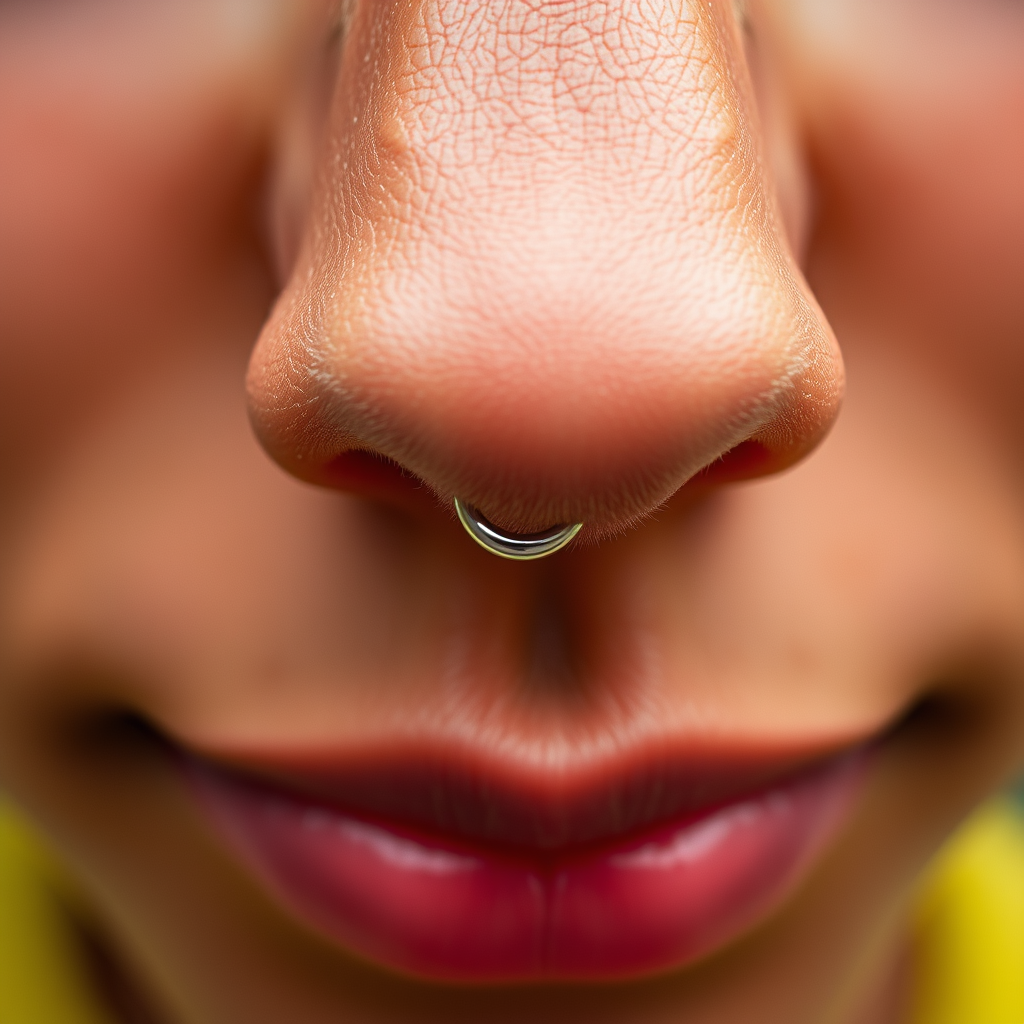
– Redness and Swelling: One of the first indicators that your body is reacting negatively to the piercing is the appearance of redness and swelling around the site. This inflammation is generally a natural immune response to perceived threats, but if it persists or worsens, it may signal an underlying infection. Monitoring the area for changes in color or size is vital for early detection.
– Pus Discharge: Another alarming sign of infection is the presence of pus, which may appear yellow or green and can be accompanied by a foul smell. This discharge often indicates that your body is fighting off an infection, and it requires immediate attention. If you notice pus, it is crucial to refrain from removing the jewelry, as this can trap bacteria inside the piercing and exacerbate the issue. Instead, consult a healthcare professional for appropriate treatment.
Importance of Proper Aftercare
– Cleaning Routine: Establishing a diligent cleaning routine is paramount in preventing infections. Cleaning your nose ring with a saline solution or an antibacterial soap can help eliminate bacteria and promote healing. It is advisable to clean the piercing at least twice a day, especially during the initial healing period, which can last anywhere from six weeks to several months. Avoid using alcohol-based products, as they can irritate the skin and delay healing.
– Avoiding Irritation: In addition to cleaning, it is essential to minimize contact with potential irritants. Products such as makeup, skincare items, and hair sprays can cause irritation and inflammation around the piercing. When applying products near your nose, be cautious and try to keep them away from the piercing site. Moreover, avoid sleeping on the side of your piercing, as this can create friction and lead to complications.
Choosing the Right Jewelry
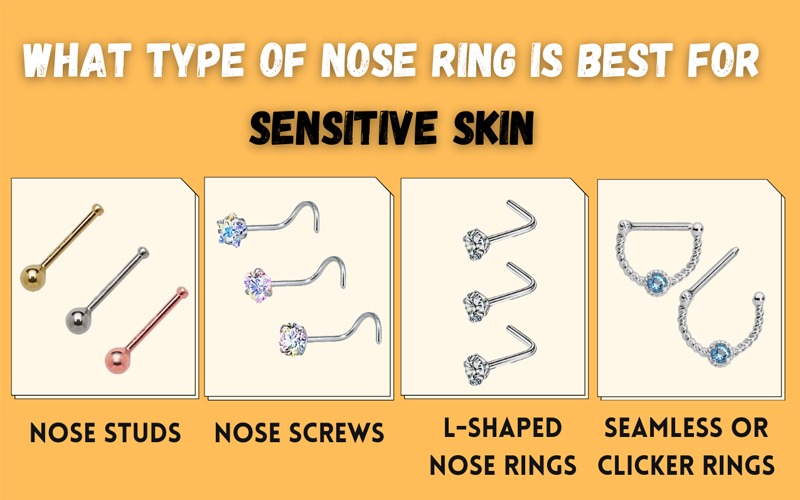
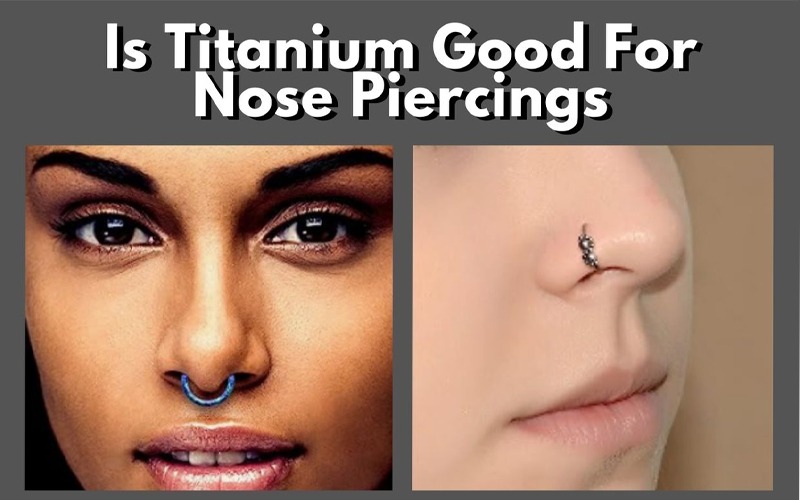
– Materials Matter: The type of jewelry you choose for your nose ring can significantly impact your risk of infection. Hypoallergenic materials, such as titanium, surgical stainless steel, or niobium, are less likely to cause allergic reactions and are ideal for sensitive skin. Avoid using jewelry made from nickel or cheap metals, as these can lead to irritation and allergic responses, increasing the likelihood of infection.
– Size and Fit: Proper sizing and fit of your nose ring are also critical. Jewelry that is too tight can constrict the area, leading to inflammation, while pieces that are too loose may move excessively, causing irritation. Consult with your piercer to ensure that the jewelry you select is appropriate for your piercing and provides a comfortable fit. Regularly inspecting your nose ring for signs of wear or damage is also advisable.
When to Seek Professional Help
– Persistent Symptoms: If you experience ongoing redness, swelling, or pain despite adhering to proper aftercare practices, it is essential to seek professional help. A healthcare provider can assess the severity of the infection and recommend appropriate treatments, which may include antibiotics or, in some cases, draining the infected area.
– Severe Reactions: If you notice severe allergic reactions, such as hives or difficulty breathing, or if you develop widespread symptoms like fever and chills, immediate medical attention is necessary. These symptoms may indicate a more serious infection or systemic allergic reaction that requires prompt intervention.
Tips for Preventing Future Infections
– Avoiding Touching: One of the simplest yet most effective ways to prevent infections is to avoid touching your nose ring. Keep your hands clean and refrain from fiddling with your jewelry, as this can introduce bacteria and disrupt the healing process. Developing a habit of being conscious of your actions can significantly reduce the risk of complications.
– Regular Cleaning: Consistency is key when it comes to maintaining a healthy piercing. Establish a regular cleaning routine that fits seamlessly into your daily hygiene practices. Consider setting reminders on your phone or keeping your cleaning supplies in a visible location to ensure you don’t forget.
Maintaining a healthy nose ring requires diligence and proper care. By understanding the causes of infections and following the right preventive measures, you can enjoy your piercing without complications. If you experience persistent issues, don’t hesitate to consult with a professional piercer or healthcare provider for further guidance. Prioritizing hygiene, choosing the right materials, and being vigilant about symptoms will go a long way in ensuring the longevity and safety of your piercing.
Frequently Asked Questions
Why does my nose ring keep getting infected?
Infections around a nose ring can occur for several reasons, including poor hygiene, allergic reactions to the metal, or improper aftercare. Bacteria can easily enter through an unhealed piercing or if the area is touched with dirty hands. To minimize the risk of infection, ensure that you clean the area regularly with a saline solution and avoid touching or changing the jewelry until the piercing is fully healed.
How can I tell if my nose ring is infected?
Signs of an infected nose ring include redness, swelling, pain, and pus or drainage from the piercing site. Sometimes, you may also experience a fever or a feeling of warmth around the area. If you notice these symptoms, it’s essential to seek medical advice to determine if treatment is needed, as early intervention can prevent complications.
What should I do if my nose ring is infected?
If you suspect your nose ring is infected, start by cleaning the area gently with saline solution or a mild antiseptic. Avoid removing the jewelry, as this can trap bacteria inside. If symptoms persist or worsen, consult a healthcare professional who may prescribe antibiotics or recommend further treatment to ensure proper healing.
Which materials are best for preventing nose ring infections?
The best materials for nose rings that minimize the risk of infections include surgical-grade stainless steel, titanium, and 14k or 18k gold. These materials are less likely to cause allergic reactions and are more biocompatible with the body. Avoid wearing jewelry made from nickel or other reactive metals, especially during the healing process.
How long does it take for a nose ring to heal to prevent infection?
Nose ring piercings typically take about 2 to 4 months to heal completely, although healing times can vary based on individual factors and aftercare practices. During this period, it is crucial to follow proper aftercare, such as cleaning the area regularly and avoiding unnecessary irritation, to reduce the risk of infection and promote faster healing.
References
- https://www.healthline.com/health/nose-piercing-infection
- https://www.webmd.com/skin-problems-and-treatments/piercing-infections
- https://www.mayoclinic.org/diseases-conditions/piercing-infection/symptoms-causes/syc-20357966
- https://www.ncbi.nlm.nih.gov/pmc/articles/PMC6836559/
- https://www.aafp.org/pubs/afp/issues/2005/1115/p1821.html
- https://www.cdc.gov/niosh/topics/piercing.html