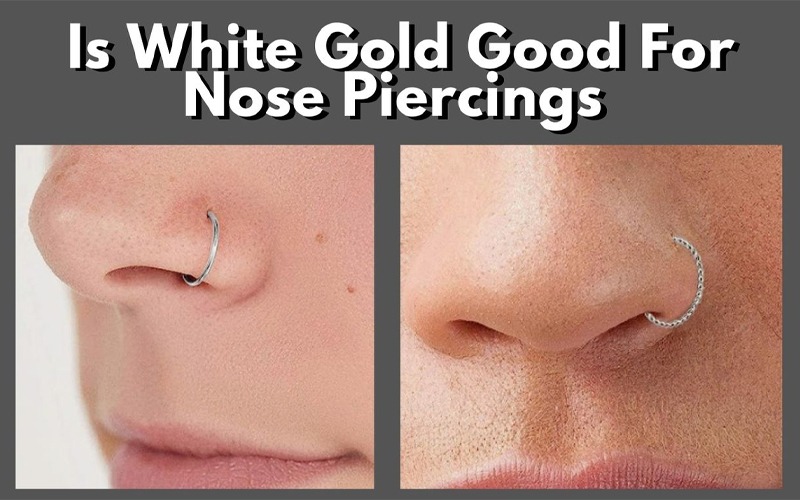
Inserting a nose ring screw can be a straightforward process if you follow the right steps. This guide outlines how to properly insert a nose ring screw, ensuring a smooth and secure fit while minimizing the risk of complications. Whether you’re new to body jewelry or simply looking for a refresher, mastering this technique will enhance your experience and comfort.
Understanding the Nose Ring Screw

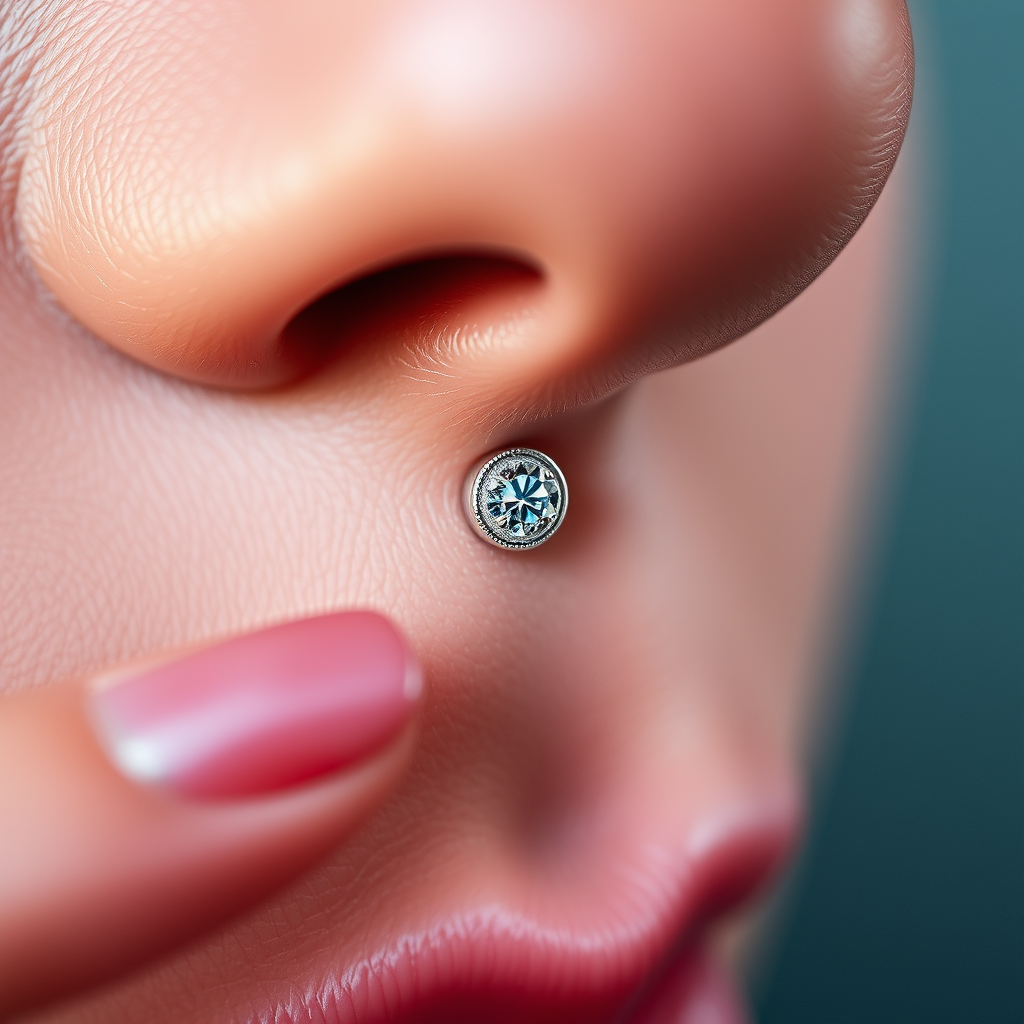
A nose ring screw is designed with a unique threaded mechanism that allows it to stay securely in place once inserted. This design is particularly beneficial for those who want to prevent their jewelry from falling out during everyday activities. The nose ring screw typically features a curved or straight post, culminating in a small, threaded ball or decorative end that screws into the piercing.
Before attempting to insert the nose ring screw, it’s essential to familiarize yourself with the anatomy of your nose piercing. Understanding the location and orientation of your piercing will help you achieve proper placement and avoid unnecessary discomfort. The piercing should be clean, and the surrounding skin healthy, to facilitate a smooth insertion.
Preparing for Insertion

Preparation is key when it comes to inserting a nose ring screw. Start by thoroughly cleaning your hands and the nose ring with an antiseptic solution, such as isopropyl alcohol or a saline solution. This step is crucial to prevent any risk of infection that might arise from bacteria transferring from your fingers to the piercing site.
Once your hands and the jewelry are sanitized, find a well-lit area and use a mirror to gain a clear view of your nose. Good lighting and a stable mirror help you see the piercing accurately, reducing the chances of making a mistake during the insertion process. If necessary, consider using a magnifying mirror to get a closer look at the area, ensuring you can maneuver the jewelry without difficulty.
Inserting the Nose Ring Screw
Now that you are prepared, it’s time to insert the nose ring screw. Begin by holding the ring so that the screw end is facing upwards. This orientation allows for easier access to the piercing. Gently insert the post of the screw into the piercing hole, ensuring that you are not forcing it through.
As you begin to twist the screw, do so in a clockwise direction to engage the threading. You should feel resistance as the screw catches the inside of the piercing. It’s crucial to ensure that the screw feels snug without being overly tight, as this could lead to irritation or pain. If you encounter significant resistance, stop and reassess the situation—forcing the screw can cause damage to both the jewelry and your piercing.
Troubleshooting Common Issues
Even with careful preparation, you may encounter some common issues during the insertion of a nose ring screw. If the ring doesn’t go in smoothly, it’s essential to check for any obstruction in the piercing. Sometimes, dried blood or skin cells can accumulate, blocking the way. If this is the case, gently clean the area with saline solution and try inserting the screw again.
If you experience pain while inserting the screw, remove it immediately and allow your piercing to relax for a moment. Pain can indicate that the jewelry is not aligned correctly or that the piercing may be irritated. If the discomfort persists after several attempts, consider consulting with a professional piercer who can provide guidance or assistance.
Caring for Your Piercing After Insertion
After successfully inserting your nose ring screw, proper care is vital for the healing process. Clean the area daily with a saline solution or a non-alcoholic antiseptic to promote healing and reduce the risk of infection. Saline solutions can be made at home by mixing non-iodized salt with distilled water, or you can purchase pre-made solutions at many pharmacies.
In addition to daily cleaning, avoid touching your piercing with dirty hands. This precaution is essential to minimize the risk of transferring bacteria, which can lead to irritation or infection. Be cautious when applying skincare products or makeup around the area, as these can also contribute to complications if they come into contact with the piercing.
When to Seek Professional Help
While inserting a nose ring screw is generally a simple process, there are times when professional help may be necessary. If you experience persistent pain, swelling, or unusual discharge from the piercing, it’s crucial to consult a professional piercer or healthcare provider. These symptoms could indicate infection or other complications that require medical attention.
A professional piercer can provide valuable advice and assistance, ensuring that your piercing heals correctly and that your jewelry fits properly. Do not hesitate to seek help if you are unsure about the health of your piercing or if you face recurring challenges with your jewelry.
By following these steps, you should be able to insert your nose ring screw with confidence. Remember to take your time and listen to your body throughout the process. If you need further assistance or reassurance, don’t hesitate to reach out to a professional piercer for advice or a demonstration. With proper care and attention, your nose piercing can be a beautiful expression of your individuality.
Frequently Asked Questions
How do I insert a nose ring screw correctly?
To insert a nose ring screw, start by holding the screw at the base and gently insert the tip into the piercing. Make sure the screw is aligned with your nostril and push it through until you feel resistance, then twist the screw clockwise to secure it in place. It’s important to do this slowly and carefully to avoid irritation or injury to the piercing.
What should I do if my nose ring screw won’t go in?
If your nose ring screw won’t go in, first ensure that the piercing is clean and free from any buildup. You can use saline solution or a mild antiseptic to clean the area. If you still experience resistance, it may be due to swelling or irritation; consider waiting a few days until the area calms down. If the problem persists, consult a professional piercer to avoid damaging your piercing.
Why does my nose ring screw keep falling out?
A nose ring screw may fall out due to improper fitting or if the screw is not securely twisted in place. Additionally, if your piercing is new, the hole might still be adjusting, causing the jewelry to loosen. Ensure that you are using the correct gauge size for your piercing and regularly check the tightness of the screw to prevent it from falling out.
What type of nose ring screw is best for sensitive skin?
For sensitive skin, the best type of nose ring screw is made from materials like titanium or surgical stainless steel, as these materials are hypoallergenic and less likely to cause irritation. Look for nose screws that are specifically marked as nickel-free and designed for sensitive skin to ensure maximum comfort and minimal risk of allergic reactions.
Which direction should I twist a nose ring screw to tighten it?
To tighten a nose ring screw, you should twist it clockwise. This direction secures the screw into the piercing, ensuring that it stays in place. Always be gentle when twisting to avoid causing discomfort or injury to your nose, and double-check that it is snug but not overly tight to allow for natural swelling and movement.
References
- Nose piercing
- https://www.ncbi.nlm.nih.gov/pmc/articles/PMC4740743/
- https://www.healthline.com/health/nose-piercing-care
- https://www.mayoclinic.org/healthy-lifestyle/adult-health/in-depth/piercings/art-20045784
- https://www.verywellhealth.com/nose-piercing-5112980
- https://www.cdc.gov/nceh/hsb/chemicals/metallic-piercings.html