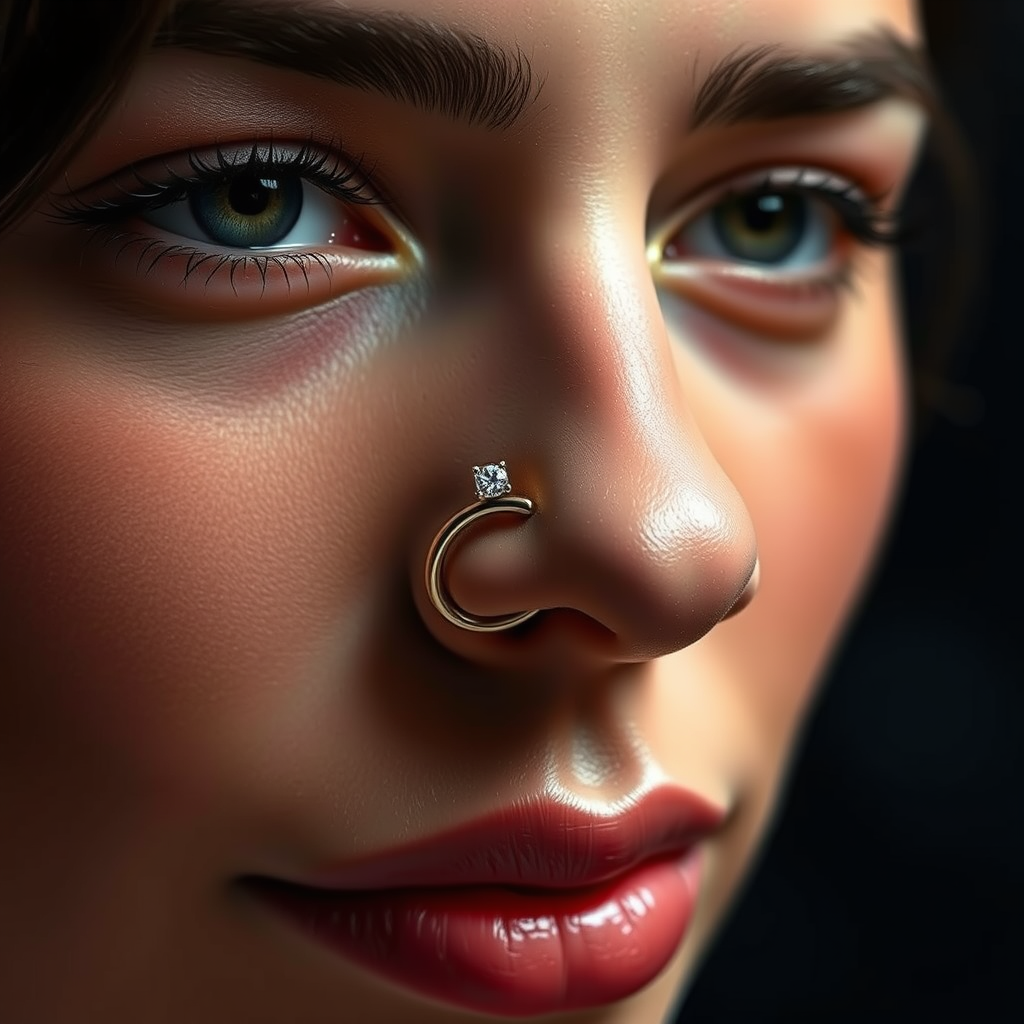
A nose ring is most commonly referred to as a “nose stud” or “nose hoop,” depending on its style. These terms not only describe the physical attributes of the jewelry but also hint at the cultural significance and personal expression associated with them. In this article, we will explore the various terms used in the world of nose jewelry, delve into the different styles available, and examine the cultural context that shapes these choices. Whether you are contemplating your first nose piercing or simply curious about this popular form of body art, this comprehensive guide will equip you with the knowledge you need.
Types of Nose Rings
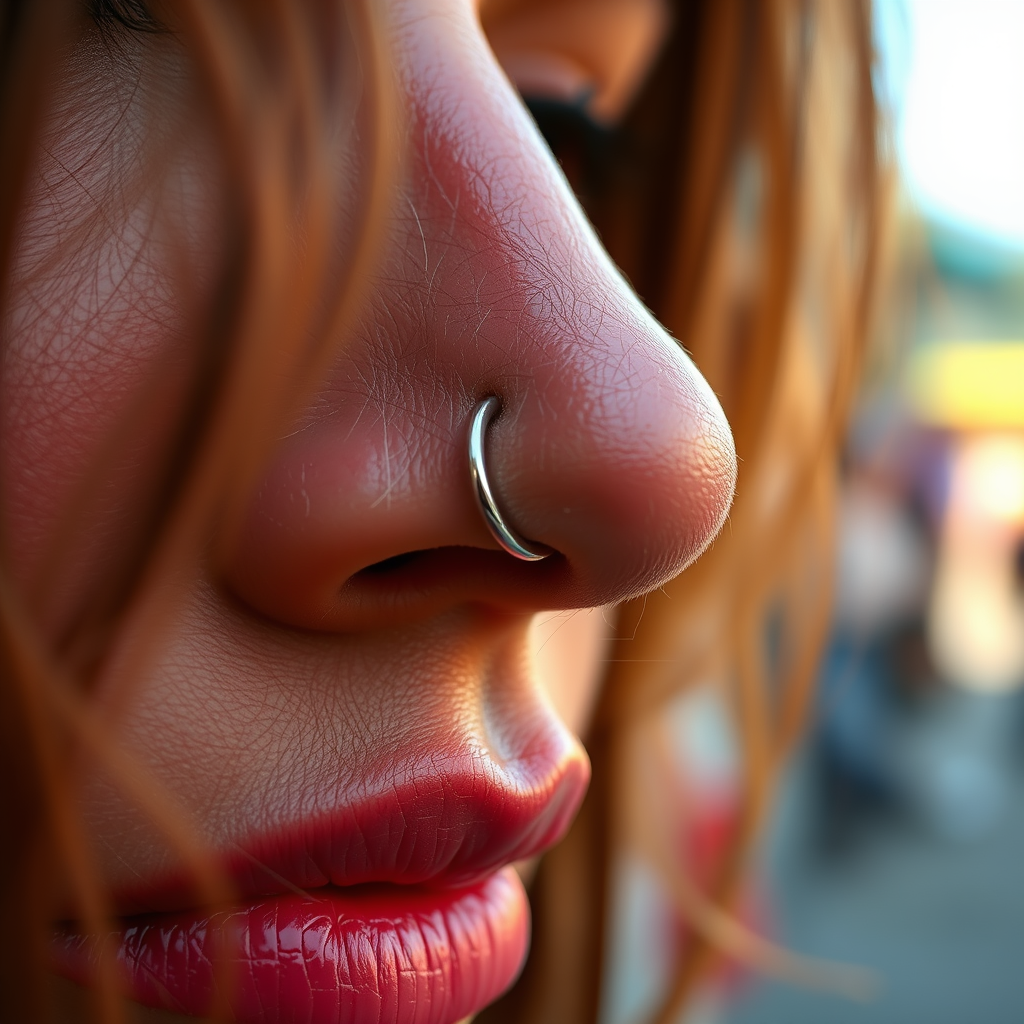
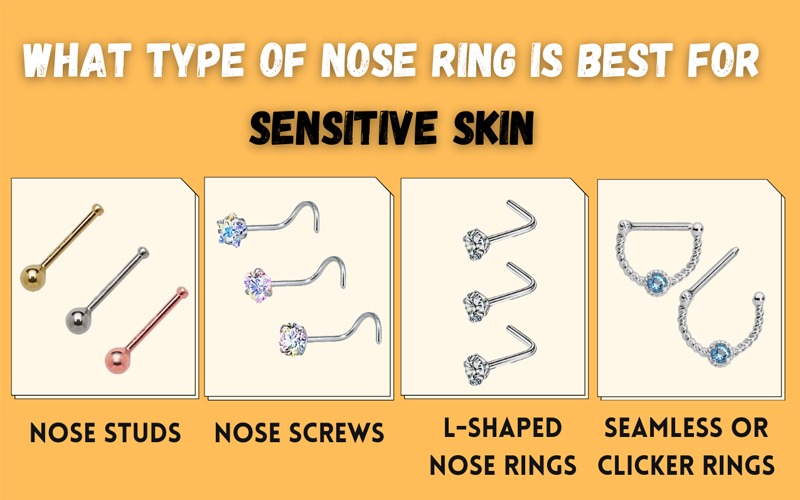
– Nose Studs: Nose studs are typically small pieces of jewelry that sit flat against the nostril, providing a subtle yet elegant look. They come in various designs, including simple balls, gems, or intricate patterns, allowing individuals to express their style without overwhelming their facial features. Nose studs are often crafted from materials like surgical steel or gold, making them a popular choice for first-time piercings due to their comfort and ease of wear.
– Nose Hoops: Nose hoops are circular rings that can be worn in various styles, including captive bead rings and seamless rings. These hoops can range from thin and delicate to thick and bold, offering a more pronounced statement than studs. The versatility of nose hoops allows for creative combinations with other facial piercings, making them a favorite among those who enjoy a more eclectic aesthetic.
Common Terminology

– Septum Piercing: A septum piercing specifically refers to a type of nose ring worn through the cartilage that separates the nostrils. This piercing has gained significant popularity due to its edgy appearance and is often adorned with a variety of jewelry styles, from simple circular barbells to ornate decorative pieces. The septum piercing offers a unique way to showcase individuality and has roots in various cultures, where it is often associated with rites of passage.
– Labiaplasty: Although primarily related to lip piercings, the term labiaplasty occasionally arises in discussions about facial jewelry. It’s important to note that labiaplasty is a surgical procedure aimed at altering the shape and size of the labia. In the context of nose jewelry, the mention of labiaplasty might indicate a broader conversation about body modifications and the societal perceptions of beauty. Understanding this terminology can provide insight into the complexities of body art and the motivations behind individual choices.
Materials Used
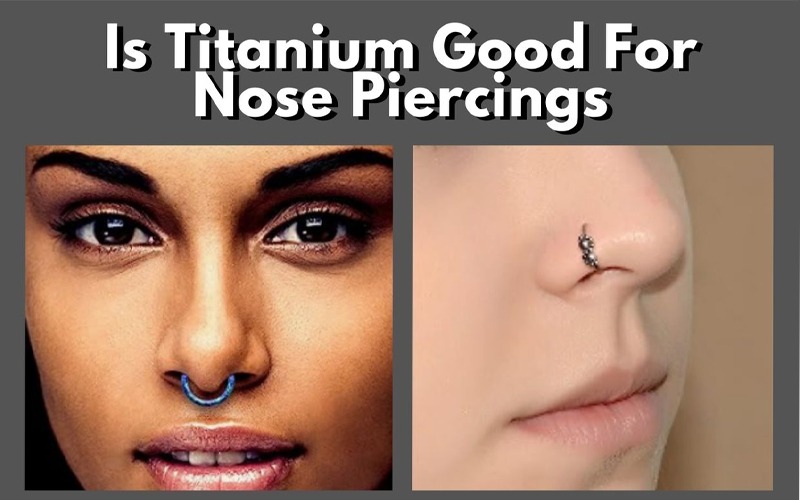
– Metals: The materials used in nose rings are varied, with options including surgical steel, titanium, and gold. Surgical steel is a popular choice for initial piercings due to its hypoallergenic properties and resistance to corrosion. Titanium, being lighter and even more hypoallergenic, is ideal for individuals with sensitive skin. Gold, while more traditional and luxurious, often comes in various karats, affecting its durability and price point.
– Non-Metal Options: In addition to metals, some people opt for non-metal materials such as acrylic or glass for their nose rings. Acrylic is particularly popular for its colorful designs and lightweight feel, while glass nose rings can provide a unique aesthetic that is both stylish and hypoallergenic. These options allow individuals to choose pieces that suit their personal style and comfort levels, especially for those who may have sensitivities to certain metals.
Cultural Significance
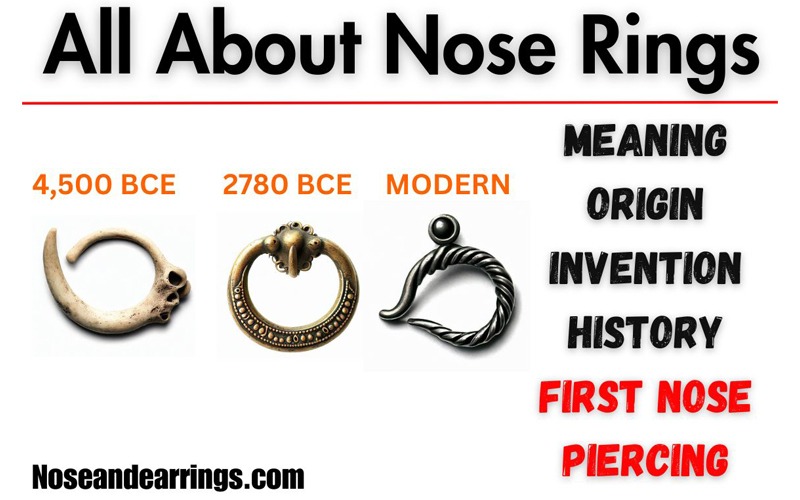
– Historical Context: Nose rings have been worn for centuries across various cultures, often symbolizing status, marital status, or spiritual beliefs. In ancient India, for instance, nose rings were traditionally associated with married women and were considered a sign of prosperity and commitment. In some African cultures, nose piercings signify tribal affiliation or maturity, while in the Middle East, they can represent wealth and beauty. Understanding these historical contexts enriches the appreciation of nose jewelry as more than just a fashion statement.
– Modern Trends: Today, nose rings have evolved into a popular form of self-expression and fashion, transcending cultural boundaries. They are embraced by people of all ages and backgrounds, often seen as a way to convey personal identity or rebellion against societal norms. Social media platforms have also played a significant role in the resurgence of nose rings, with influencers showcasing various styles and encouraging their followers to explore body art as a form of creative expression.
Care and Maintenance
– Cleaning: Regular cleaning of your nose ring is crucial to prevent infection and ensure proper healing. A saline solution, made from a mixture of salt and distilled water, is often recommended for daily cleaning. It’s essential to avoid using alcohol-based products or harsh chemicals, as they can irritate the piercing and delay the healing process. Maintaining cleanliness is particularly important during the initial healing period, which can last several weeks.
– Healing Time: Understanding the healing process can help you avoid complications during the initial weeks post-piercing. Generally, a nostril piercing takes about 2 to 4 months to heal, while a septum piercing may take around 6 to 8 weeks. During this time, it’s vital to avoid changing the jewelry too soon or engaging in activities that may irritate the piercing, such as swimming in pools or hot tubs. Consulting with a professional piercer about aftercare can provide additional insights tailored to your specific situation.
Choosing the Right Nose Ring
– Style Considerations: When selecting a nose ring, consider what complements your face shape and personal style. For instance, a delicate stud may enhance a more understated look, while a bold hoop can create a striking focal point. Additionally, think about the occasion and your lifestyle; some styles may be more appropriate for formal settings, while others are perfect for casual outings.
– Comfort and Fit: It’s essential to choose a size that feels comfortable and stays securely in place. If a nose ring is too tight, it can cause discomfort, while one that is too loose may fall out or become lost. Consulting with a professional piercer can help you find the ideal size and style that suits your anatomy and personal preferences.
The world of nose rings is diverse and rich with history. With the right knowledge, you can choose a piece that reflects your individuality and suits your style. Whether you opt for a classic stud or a bold hoop, understanding the terminology and options available will enhance your experience. Embrace the beauty of self-expression through nose jewelry, and enjoy the journey of discovering the perfect piece for you.
Frequently Asked Questions
What is a nose ring called and what are the different types?
A nose ring is often referred to as a nose stud, nose hoop, or nostril piercing, depending on its design and placement. The most common types include nostril studs, which are small and sit discreetly in the nostril, and hoops, which are circular and can be worn in various sizes. Other variations include septum rings, which go through the cartilage in the septum, and captive bead rings that feature a bead that holds the ring in place. Understanding these options helps you choose the right style for your personal aesthetic.
How do you choose the right nose ring for your piercing?
Choosing the right nose ring involves considering several factors, including the type of piercing you have, your personal style, and the material of the jewelry. For instance, if you have a fresh nostril piercing, a stud made from surgical stainless steel or titanium is recommended for its hypoallergenic properties. Additionally, think about the size and gauge of the ring, as well as the design that complements your facial features. Once you’ve considered these aspects, you’ll be better equipped to select a nose ring that suits you.
Why do people get nose rings and what do they symbolize?
People get nose rings for various reasons, including cultural significance, personal expression, and fashion trends. In many cultures, nose piercings symbolize beauty, femininity, or spiritual beliefs. In contemporary contexts, they are often seen as a form of self-expression or an accessory that enhances one’s style. Understanding the cultural background and personal meaning behind nose rings can help you appreciate their significance beyond aesthetics.
What is the best material for a nose ring, especially for sensitive skin?
The best materials for a nose ring, particularly for those with sensitive skin, include surgical stainless steel, titanium, and gold (14k or higher). Surgical stainless steel is durable and resistant to tarnishing, making it ideal for initial piercings. Titanium is lightweight and hypoallergenic, minimizing the risk of irritation. High-quality gold is also a safe option, but it’s essential to avoid lower karat gold that may contain nickel, which can cause allergic reactions. Choosing the right material is crucial for comfort and longevity.
Which nose ring styles are trending in 2023?
In 2023, trending nose ring styles include minimalist studs, dainty hoops, and decorative septum rings. Minimalist designs featuring simple shapes or gemstones are popular for their understated elegance, while bold, statement-making septum rings add an edgy touch to any look. Additionally, layered looks that combine different types of rings or studs are gaining traction, allowing for a unique and personalized style. Keeping up with current trends can help you make informed choices when selecting your nose jewelry.
References
- Nose ring
- Nose ring | Nose Piercing, Body Jewelry, Fashion Accessory | Britannica
- https://www.ncbi.nlm.nih.gov/pmc/articles/PMC4197261/
- https://www.verywellhealth.com/piercing-infections-5080285
- https://www.healthline.com/health/nose-piercing-types