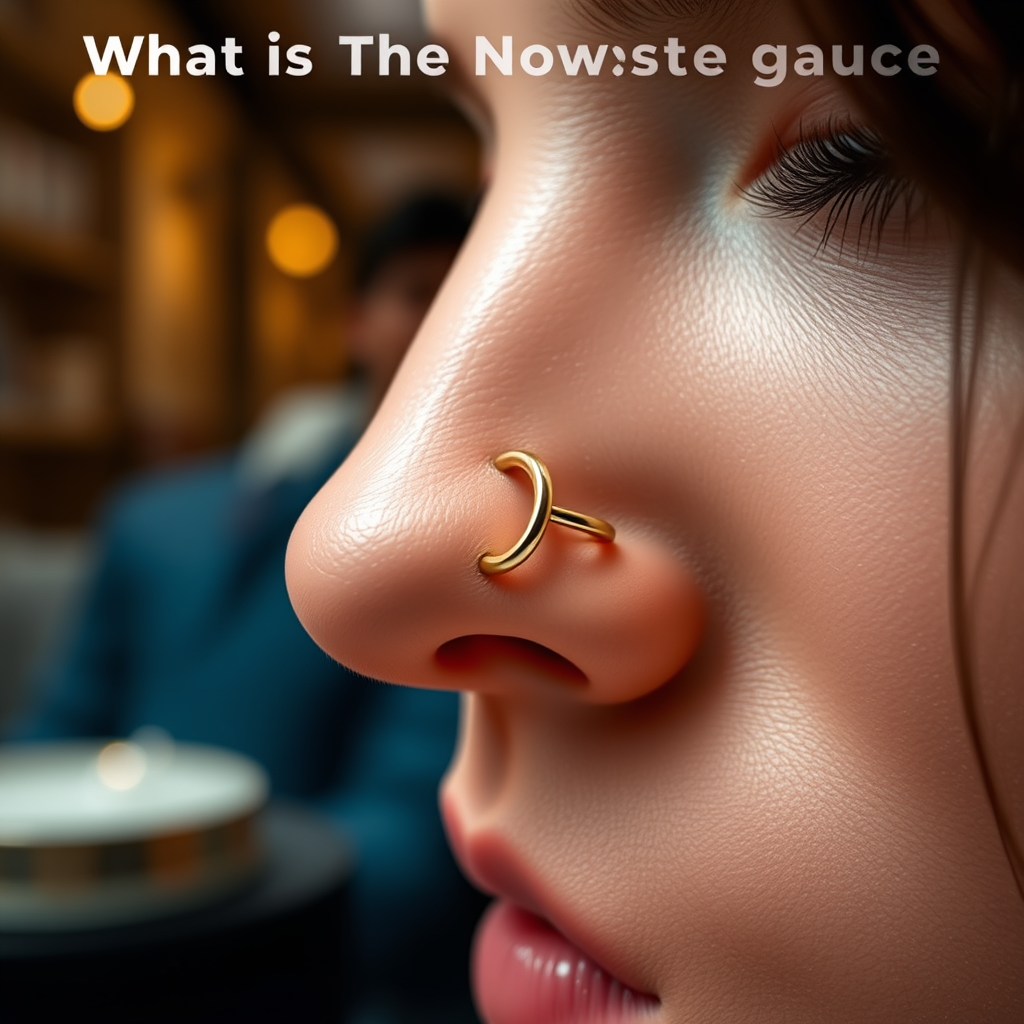
The smallest nose ring gauge typically measures 20 gauge (0.8 mm) or 22 gauge (0.6 mm), with 22 gauge being the more delicate option. Selecting the appropriate gauge for your nose ring is crucial not only for aesthetic purposes but also for ensuring comfort and proper healing. In this article, we will explore various aspects of nose ring gauges, including their sizes, types, and considerations for choosing the right one for your piercing.
Understanding Nose Ring Gauges
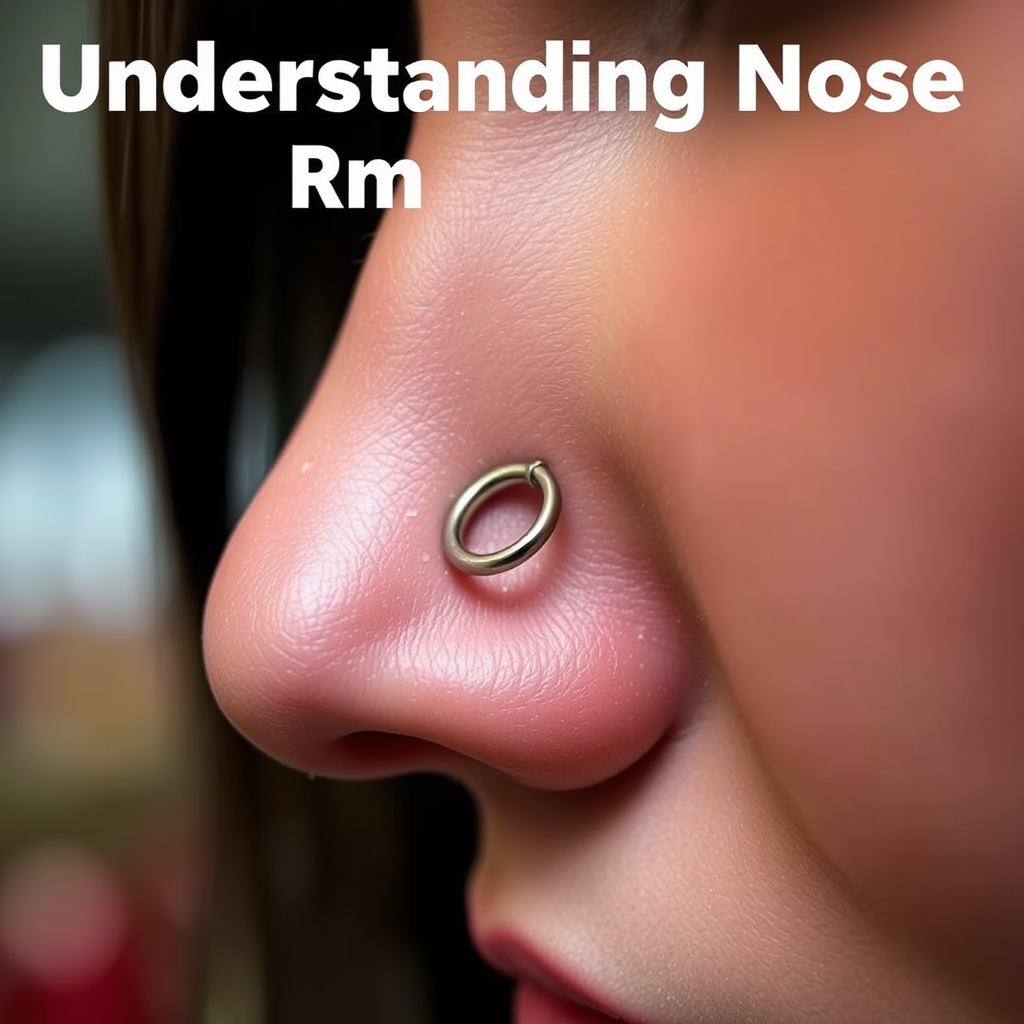
Gauge measurement indicates the thickness of the jewelry, which is a significant factor in both comfort and style. The gauge system is somewhat counterintuitive; a lower gauge number corresponds to a thicker piece of jewelry, while higher numbers indicate thinner jewelry. For instance, a 16-gauge piece (1.2 mm) is considerably thicker than a 20-gauge piece (0.8 mm). This system allows for a wide range of jewelry options, catering to different preferences and comfort levels. Understanding these measurements is essential for anyone considering a nose piercing or looking to change their existing jewelry.
Common Nose Ring Sizes
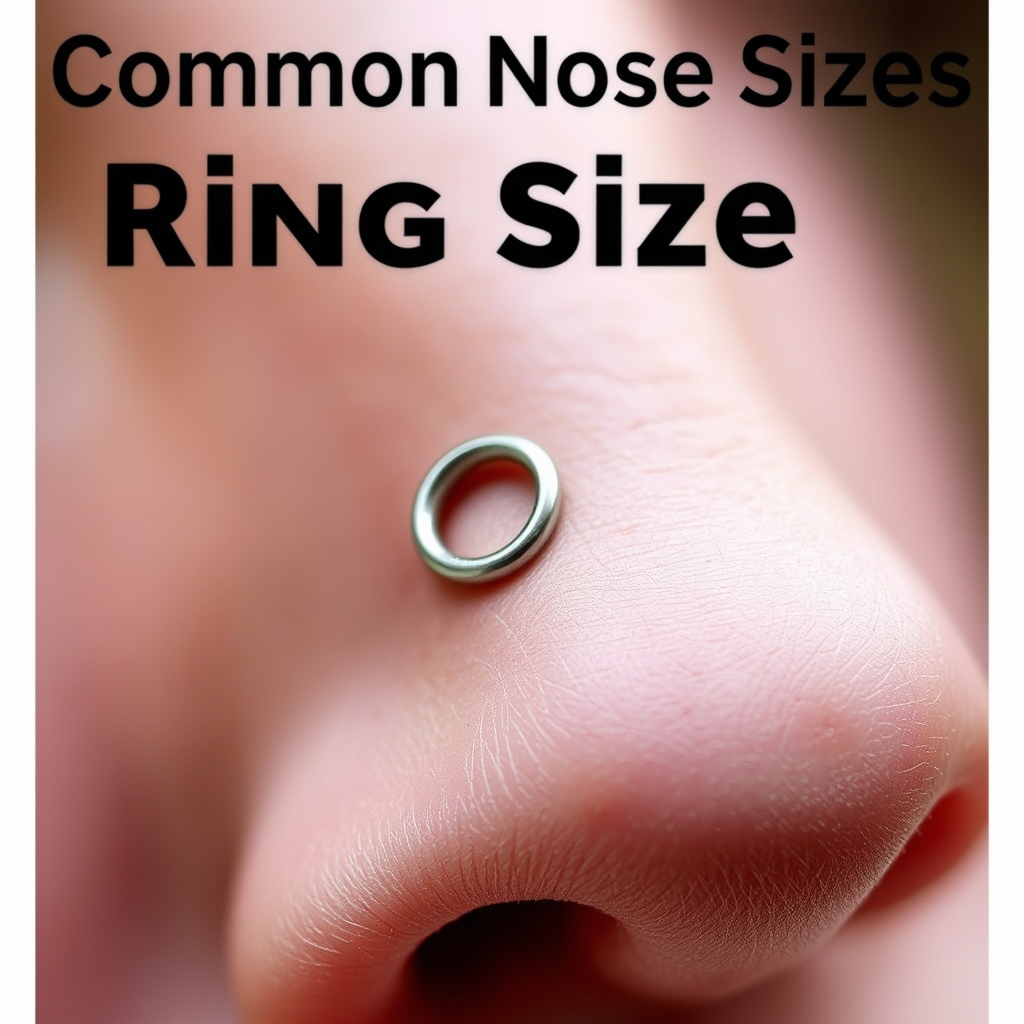
The standard size for most nostril piercings is 20 gauge, which is approximately 0.8 mm in thickness. This gauge offers a balance between durability and comfort, making it suitable for everyday wear. However, those with smaller nostrils or a preference for more delicate jewelry often opt for a 22-gauge nose ring, which measures around 0.6 mm. While 22 gauge is aesthetically pleasing and offers a delicate look, it may also be more prone to bending or breaking due to its thinner nature. It’s essential to consider both the size of your nostril and your personal style when selecting a gauge.
Factors to Consider When Choosing a Gauge
When selecting the appropriate gauge for your nose ring, several factors come into play. Personal comfort is paramount; individuals with sensitive skin or a history of irritation may find that a thicker gauge causes discomfort. Additionally, the size of the piercing itself must be considered. A larger gauge may not only affect the fit but can also impact the healing process, potentially leading to complications if the jewelry is too thick for the piercing.
Another vital consideration is the desired jewelry style. Some styles, such as hoops or elaborate studs, may require specific gauges to ensure proper fit and appearance. As a general rule of thumb, consult with your piercer to determine the best gauge for your unique anatomy and style preferences.
Types of Nose Rings Available
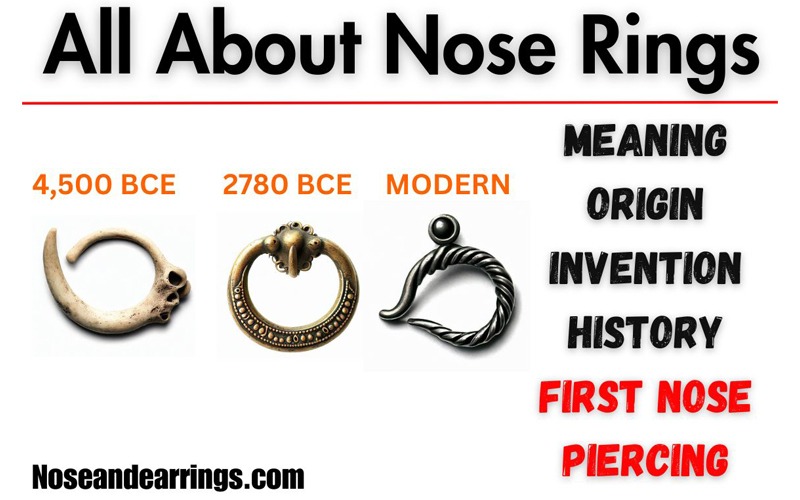
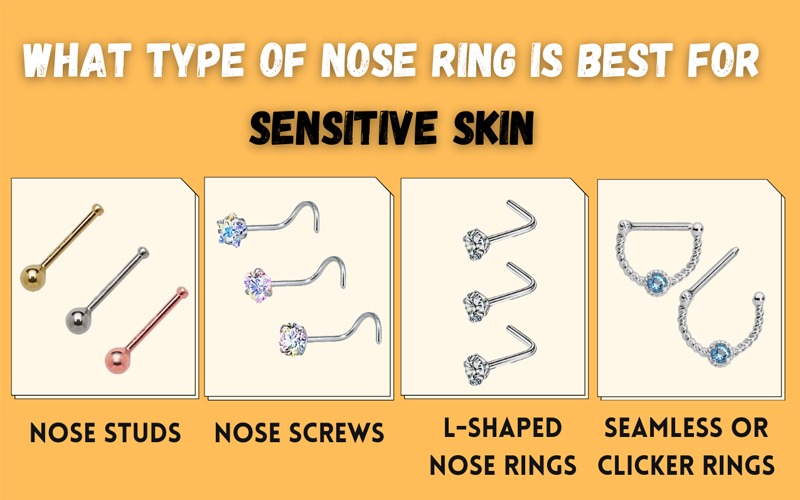
Nose rings come in various styles, each offering a distinct aesthetic and functionality. The most common types include hoops, studs, and screw-type nose rings.
– Hoops: These circular pieces are available in various sizes and can create a bold statement. They can be worn in both nostril and septum piercings, depending on the diameter and gauge.
– Studs: Typically featuring a decorative element, studs are a popular choice for nostril piercings. They come in various designs, from simple balls to intricate gems.
– Screw-type: These rings have a twist mechanism that secures the jewelry in place, making them a suitable option for those concerned about losing their piercings.
Materials also play a significant role in comfort and appearance. Common materials include medical-grade titanium, which is lightweight and hypoallergenic; gold, which is aesthetically pleasing but can cause allergic reactions in some individuals; and stainless steel, known for its durability and affordability. Choosing the right material is essential for both comfort and long-term wearability.
How to Measure Gauge Size
Accurate measurement of gauge size is critical for ensuring the right fit and comfort. For precision, a caliper or gauge tool can be used to measure the thickness of the jewelry. If you prefer a more hands-on approach, you can also find online gauge conversion charts that relate inches to gauge sizes. For example, a 20-gauge piece measures approximately 0.8 mm, while a 22-gauge piece measures around 0.6 mm.
Understanding the conversion between inches and gauge is beneficial, particularly when shopping online or at shops with varying standards. Being equipped with this knowledge will help you make an informed decision and avoid the pitfalls of incorrectly sized jewelry.
Aftercare Tips for New Piercings
Aftercare is a vital aspect of the piercing process. Keeping the area clean and moisturized is crucial for preventing infection and promoting healing. A saline solution or a specialized piercing aftercare spray can be beneficial for cleaning the piercing. It’s typically recommended to clean the area twice a day, avoiding over-cleaning, which can irritate the skin.
Additionally, avoid touching or changing the jewelry too soon. New piercings require time to heal, and introducing new jewelry or touching the area can lead to complications such as irritation or infection. Most professional piercers recommend waiting at least six to eight weeks before changing to a different gauge or style.
Common Mistakes to Avoid
When it comes to selecting and caring for your nose ring, several common mistakes can lead to discomfort or complications. One of the most frequent errors is choosing a gauge that is too small. Doing so can result in excessive pressure on the piercing, leading to irritation, pain, or even closure of the hole.
Ignoring aftercare guidelines is another common pitfall. Failure to follow proper cleaning and maintenance routines can result in infections or prolonged healing times. Always adhere to your piercer’s advice and be sure to ask questions if you’re unsure about any aspect of your care routine.
In summary, selecting the correct gauge for your nose ring is crucial for both comfort and aesthetic appeal. The smallest nose ring gauge typically falls between 20 and 22 gauge, with each offering its advantages depending on individual preferences and anatomical considerations. Take your time to choose the right size and type for your piercing, and don’t hesitate to consult with a professional piercer for personalized advice. For more information, consider visiting a local piercing studio or exploring reputable online sources.
Frequently Asked Questions
What is the smallest nose ring gauge available?
The smallest nose ring gauge typically available is 20 gauge (0.8 mm), which is popular for nostril piercings. Some professional piercers may offer even smaller gauges, such as 22 gauge (0.6 mm), but these are less common. It’s important to note that smaller gauges can be more delicate and may not be suitable for everyone, especially if you’re new to piercing.
How do I choose the right gauge for my nose ring?
Choosing the right gauge for your nose ring depends on several factors, including your piercing experience, the thickness of your skin, and personal comfort. If you’re new to nose piercings, starting with a standard 18 gauge (1.0 mm) is advisable, as it provides a balance between durability and ease of wear. Always consult with a professional piercer for personalized advice based on your anatomy and preferences.
Why does the gauge size matter for nose rings?
The gauge size matters for nose rings because it affects both the fit and the healing process of the piercing. A larger gauge (smaller number) provides more surface area, which can help with healing and reduce the risk of irritation. Conversely, a smaller gauge (larger number) may be more comfortable for some but can also lead to complications if the jewelry is too thin for your piercing.
What is the best material for a small gauge nose ring?
The best materials for a small gauge nose ring are typically surgical stainless steel, titanium, or gold (at least 14k). Surgical stainless steel and titanium are hypoallergenic and resistant to tarnishing, making them ideal for sensitive skin. Gold offers a stylish option but should be of high purity to minimize allergic reactions, especially for those with metal sensitivities.
Which nose ring styles are available in smaller gauges?
Smaller gauge nose rings are available in various styles, such as hoops, studs, and captive bead rings. While studs tend to be the most common for initial piercings due to their simplicity, hoops and captive bead rings can also be found in smaller sizes and can add a unique flair to your look. When selecting a style, consider both personal preference and the healing stage of your piercing, as some styles may be more conducive to healing than others.
References
- Nose piercing
- https://www.ncbi.nlm.nih.gov/pmc/articles/PMC3005634/
- Vitamin C (Ascorbic Acid) – StatPearls – NCBI Bookshelf
- https://www.healthline.com/health/nose-piercing-gauge-sizes
- https://www.verywellhealth.com/nose-piercing-5197589