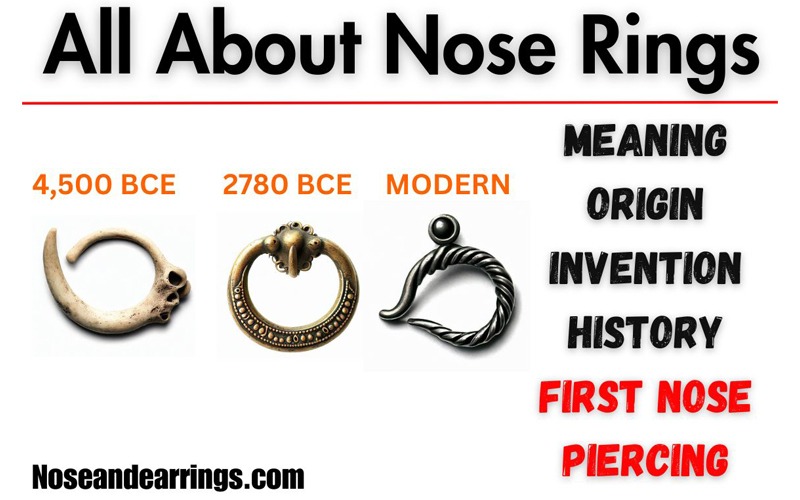
Changing your nose ring can typically be done after a healing period of 4-6 weeks following the initial piercing. This timeframe is essential for allowing the body to heal properly and reducing the risk of complications such as infection or irritation. In this article, we will delve into the intricacies of the healing process, identify signs indicating your piercing is ready for a change, and provide best practices for safely altering your nose jewelry.
Understanding the Healing Process
The average healing time for a nose piercing is approximately 4-6 weeks, although individual healing rates can vary significantly. Factors such as skin type, overall health, and adherence to aftercare guidelines all play a crucial role in determining how quickly your piercing heals. For example, individuals with sensitive skin may experience a longer healing process due to increased susceptibility to irritation.
During the healing phase, the body undergoes several biological processes aimed at closing the wound created by the piercing. This includes the formation of new tissue and the eventual sealing of the piercing channel. Proper aftercare, which involves keeping the area clean and avoiding unnecessary trauma, can significantly enhance healing experiences. It is also important to remember that while the outer layer may appear healed, the inner tissue can still be sensitive for several months.
Signs Your Piercing is Healed
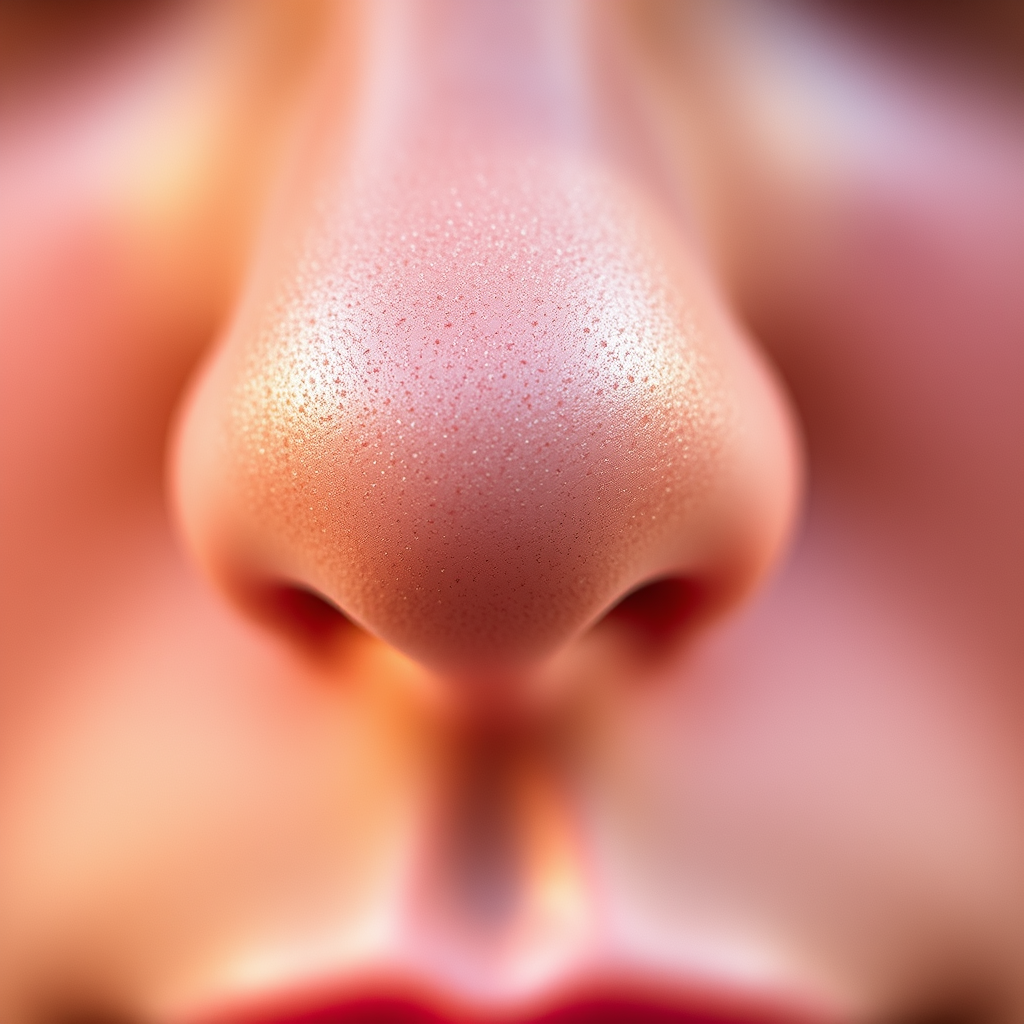
Recognizing when your piercing is fully healed is essential before making any changes to your nose ring. Key indicators include reduced redness and swelling around the piercing site. Initially, it is common for the area to be slightly inflamed, but as healing progresses, these symptoms should diminish considerably.
Another crucial sign of healing is the absence of pain. If you can touch the area gently without feeling discomfort, that generally indicates that the piercing has matured. Moreover, a lack of discharge, particularly any unusual or foul-smelling fluid, suggests that there is minimal risk of infection. A healed piercing will typically have a clean, smooth appearance, which is a good visual cue that it is ready for a new piece of jewelry.
Best Practices for Changing Your Nose Ring
When it comes time to change your nose ring, adhering to best practices is vital to ensure a safe transition. Begin by thoroughly washing your hands with soap and water to minimize the risk of introducing bacteria to the piercing site. It is equally important to clean the new jewelry with a saline solution or alcohol to eliminate any potential contaminants.
Before removing the existing nose ring, consider using a saline solution to rinse the piercing. This helps to further cleanse the area and can make the removal process smoother. When inserting the new jewelry, do so gently to avoid any unnecessary trauma to the healing tissue. After changing the ring, continue to apply a saline solution to the area for a few days to promote healing and reduce any irritation that may occur during the transition.
Types of Nose Rings to Consider
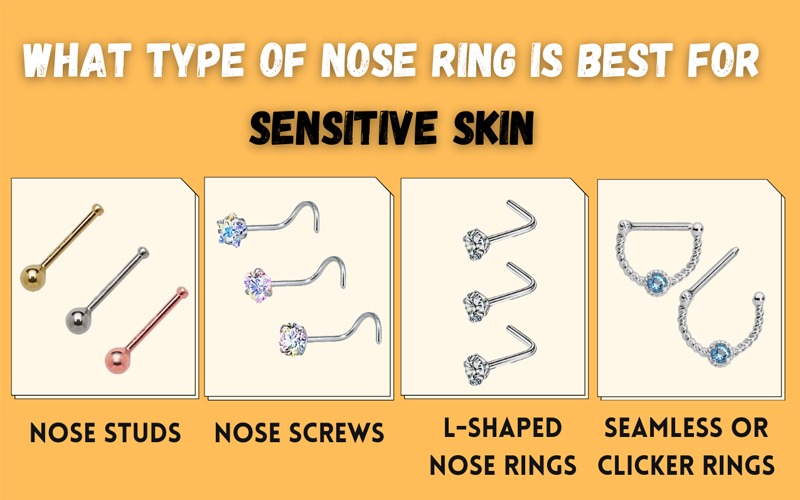
When selecting a new nose ring, you have various options to choose from, including studs, hoops, and screw types. Each style offers its own aesthetic appeal and comfort level. For example, studs are typically less intrusive and may be better suited for those new to nose piercings, while hoops can provide a bolder statement.
Material choice is also crucial in minimizing irritation. High-quality materials like titanium and surgical stainless steel are excellent options as they are hypoallergenic and less likely to provoke allergic reactions. Avoid costume jewelry or pieces made from non-sterile metals, as they can cause irritation and complications during the healing process. Moreover, ensure that the gauge of the new jewelry matches the original to prevent unnecessary stress on the piercing.
Aftercare Tips Post-Change
After changing your nose ring, it is essential to continue with diligent aftercare to maintain the health of your piercing. Regularly cleaning the area with a saline solution can help prevent infection and irritation. Aim to cleanse the piercing at least once daily, especially for the first two weeks after making the change.
Additionally, be cautious about touching your nose excessively, as this can introduce bacteria and disrupt the healing process. It is also advisable to avoid swimming in public pools or hot tubs for at least a month following the change, as these environments can harbor harmful bacteria that may compromise your healing.
Common Mistakes to Avoid
One of the most common mistakes individuals make is changing their nose ring too soon. Premature changes can lead to complications, including increased pain, swelling, and the potential for infection. Always adhere to the recommended healing timeframe and be attentive to your body’s signals.
Another frequent error is using inappropriate jewelry. Opting for low-quality materials can cause allergic reactions or irritation, leading to discomfort and prolonged healing. It is crucial to invest in high-quality jewelry specifically designed for body piercings to ensure a safe and enjoyable experience.
When to Seek Professional Help
If you encounter persistent pain, unusual discharge, or significant swelling after changing your nose ring, it is imperative to consult a professional piercer or healthcare provider. These symptoms may indicate complications that require immediate attention. A trained piercer can provide guidance, assess the situation, and offer solutions to mitigate any issues that arise during the healing process.
In conclusion, maintaining the health and appearance of your nose piercing is crucial for a positive experience. By understanding the healing process, recognizing signs of readiness, and following best practices for changing your nose ring, you can ensure a smooth transition. If you have further questions or need assistance, don’t hesitate to reach out to a professional piercer or consult reputable resources for more information. Your nose piercing can be a beautiful and expressive element of your style when cared for properly.
Frequently Asked Questions
When is it safe to change out my nose ring after getting pierced?
It is generally recommended to wait at least 2 to 3 months before changing out your nose ring after getting pierced. This timeframe allows the piercing to heal properly, reducing the risk of infection and irritation. Always ensure that the initial jewelry is made from hypoallergenic materials like surgical steel or titanium, which can help in the healing process.
How can I tell if my nose piercing is healed enough to change the ring?
You can determine if your nose piercing is healed by checking for signs such as the absence of redness, swelling, or discharge. The area should feel tender but not painful, and you should be able to move the jewelry without discomfort. If you notice any signs of irritation or infection, it’s best to wait longer before attempting to change the nose ring.
Why does my nose ring feel stuck, and what should I do before changing it?
A nose ring may feel stuck due to swelling, irritation, or a buildup of crust around the healing piercing. To address this, soak the area in saline solution or warm salt water to soften any crusts and gently twist the jewelry to see if it loosens. If it remains stuck or if you experience significant pain, consult your piercer or a healthcare professional for advice before attempting to change it.
What type of nose ring is best for sensitive skin or new piercings?
For sensitive skin or new piercings, the best types of nose rings are those made from materials like titanium, surgical stainless steel, or niobium. These hypoallergenic materials minimize the risk of allergic reactions and irritation. Avoid jewelry made from nickel or lower-quality metals, which are more likely to cause discomfort and prolong the healing process.
Which aftercare steps should I follow before and after changing my nose ring?
Before changing your nose ring, ensure that your hands and the new jewelry are clean to prevent infection. Use a saline solution to rinse the piercing site and the jewelry. After changing the ring, continue to clean the area regularly with saline or a gentle antibacterial solution, and avoid touching the piercing with dirty hands. Monitoring for any signs of irritation or infection is crucial during this time.
References
- https://www.verywellhealth.com/what-to-know-about-nose-piercings-5190481
- https://www.healthline.com/health/nose-piercing-aftercare
- https://www.medicalnewstoday.com/articles/nose-piercing-care
- https://www.clevelandclinic.org/health/diseases/21613-nose-piercing
- Antidepressants and weight gain: What causes it? – Mayo Clinic