Changing your nose ring is typically safe after 4 to 6 weeks of healing, but this timeframe can fluctuate based on various individual factors. Factors such as your body’s unique healing capabilities, the location of the piercing, and your aftercare practices all play a crucial role in determining when it’s appropriate to change your nose ring. Understanding the healing process, recognizing signs of readiness, and following best practices can help ensure a smooth transition to new jewelry.
Understanding the Healing Process

The average healing time for a nose piercing ranges from 4 to 6 weeks, but this is not a one-size-fits-all timeline. Individual healing can vary significantly due to several factors. For instance, younger individuals often heal faster than older adults, and those with a robust immune system may experience a quicker recovery. Additionally, the specific technique used during the piercing process can impact healing time; for example, a professional piercer will typically use a sterile technique that may lead to fewer complications.
Moreover, environmental factors such as exposure to irritants or allergens, lifestyle choices like smoking, and existing health conditions can also prolong healing. It’s essential to be mindful of these factors and practice patience, allowing your body the time it needs to heal properly.
Signs Your Piercing is Healed

As you approach the 4 to 6-week mark, it’s crucial to assess the healing status of your piercing. Look for key signs that indicate your piercing is ready for a change. Reduced swelling, redness, and tenderness around the piercing site are positive indicators. If you notice that the initial discomfort has subsided and the area feels normal to the touch, you may be on the right track.
Additionally, the absence of discharge or crusting around the piercing is a significant sign of healing. A healthy piercing should not produce pus, and any minor bleeding should have ceased. If you see any unusual symptoms—such as excessive swelling, persistent redness, or foul-smelling discharge—it may be wise to hold off on changing your jewelry and consult a professional.
Best Practices for Changing Your Nose Ring
When it comes time to change your nose ring, safety should be your top priority. Begin by ensuring that your hands are thoroughly washed to prevent introducing bacteria into the piercing. Additionally, clean the area around your nose with a saline solution or an antiseptic wipe to further minimize the risk of infection.
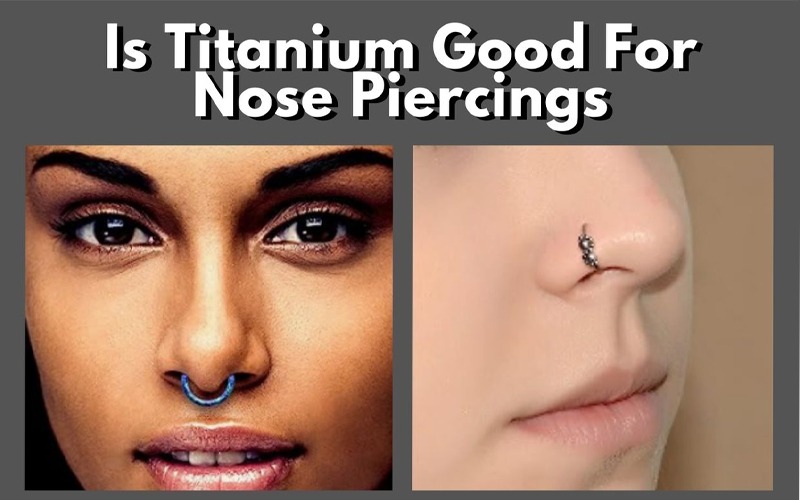
When selecting new jewelry, opt for clean, hypoallergenic materials to reduce the chance of irritation. Materials such as titanium, surgical stainless steel, or niobium are excellent choices as they are less likely to provoke allergic reactions. Avoid jewelry made from copper or nickel, as these can lead to complications such as dermatitis or infection.
Types of Nose Rings to Consider
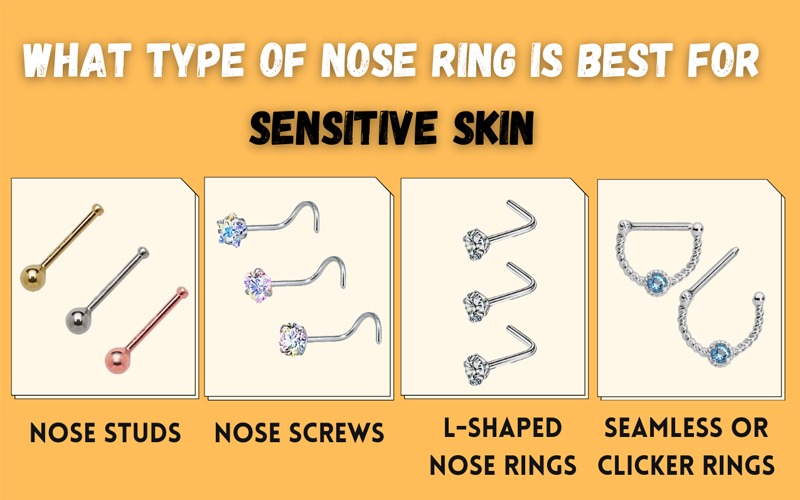
As you contemplate changing your nose ring, it’s essential to consider the different types of jewelry available and their respective healing implications. Studs, hoops, and screw-ons are among the most popular styles, each offering unique aesthetics and potential healing concerns.
Studs are generally more straightforward to manage during the healing phase, as they have a lower chance of getting caught on clothing or hair. Hoops can be stylish but may pose a risk of irritation if they move excessively during the healing process. Screw-on styles provide added security, minimizing the risk of losing jewelry, but may be more challenging to handle if you’re inexperienced.
Regardless of the style you choose, prioritize materials that promote healing. Titanium and surgical steel are highly recommended for their durability and biocompatibility. It’s also advisable to consult with a professional piercer for personalized recommendations based on your healing status and lifestyle.
Aftercare Tips for a Newly Changed Nose Ring
After changing your nose ring, adhering to a diligent aftercare routine is crucial to prevent infections and ensure proper healing. Start by cleaning the area gently but thoroughly. Use saline solution or a mild antiseptic, and avoid using alcohol or hydrogen peroxide, as these can be overly harsh and impede the healing process.
It’s also important to refrain from touching the new jewelry with dirty hands. Regularly clean your hands before any interaction with your face, and consider using a clean tissue or cotton swab when adjusting the jewelry. Keeping the area dry and free from irritants like makeup or hairspray is essential during this phase.
Establishing a consistent aftercare routine will help you monitor the healing progress and quickly address any concerning symptoms that may arise.
Common Mistakes to Avoid
Changing your nose ring too early can lead to complications that may extend the healing time or result in infections. Many individuals underestimate the time required for complete healing, which can lead to discomfort or painful experiences. It’s advisable to resist the temptation to change your jewelry at the first sign of impatience.
Another common pitfall is the selection of non-hypoallergenic materials for new jewelry. Using jewelry made from cheap metals can cause irritation, leading to redness, swelling, and potential infection. Always prioritize quality and consult a professional for suggestions on safe materials.
Finally, avoid over-cleaning your new piercing. While cleanliness is vital, excessive cleaning can strip the area of necessary healing oils and disrupt the natural healing process.
When to Consult a Professional
If you notice significant pain, prolonged redness, or unusual discharge after changing your nose ring, it is crucial to seek advice from a professional piercer or a healthcare provider. These symptoms may indicate an infection or an allergic reaction that requires immediate attention.
Regular check-ups with a professional can also be beneficial, especially if you are uncertain about your piercing’s healing status. They can provide valuable insights, assess any complications, and recommend appropriate treatments to ensure your piercing remains healthy.
Maintaining awareness of the healing process and following proper care guidelines can help you enjoy your new nose ring without complications. Always prioritize safety and consult with a professional if you have any concerns about your piercing. Remember, patience is key, and a well-cared-for piercing can lead to beautiful and long-lasting jewelry that enhances your style.
Frequently Asked Questions
How long should I wait before changing my nose ring after getting it pierced?
It is generally recommended to wait at least 2 to 3 months before changing your nose ring after getting it pierced. This waiting period allows the piercing to fully heal, which can vary depending on the individual’s healing rate and aftercare practices. Changing the jewelry too soon can lead to irritation, infection, or complications, so it’s crucial to follow your piercer’s advice.
What signs indicate that my nose piercing is healed enough to change my jewelry?
Signs that your nose piercing is healed enough to change jewelry include the absence of redness, swelling, and discharge. Additionally, there should be no pain or tenderness when touching the area, and the piercing should feel stable. If these signs are present, it’s a good indicator that you may be ready to change your nose ring, but always consult with your piercer if unsure.
Why is it important to use jewelry made from specific materials when changing my nose ring?
Using jewelry made from hypoallergenic materials, such as titanium, surgical stainless steel, or niobium, is essential when changing your nose ring. These materials are less likely to cause allergic reactions or irritations, especially in a freshly healed piercing. Choosing the right material helps maintain the health of your piercing and reduces the risk of infection or complications.
What is the best type of nose ring to use after the initial healing period?
The best type of nose ring to use after the initial healing period is typically a stud or a hoop made from surgical stainless steel, titanium, or gold. Studs are often recommended for their comfort and lower chance of snagging, while hoops can be stylish and versatile. Ultimately, the choice depends on personal preference and comfort, but ensuring the material is safe for your skin is key.
Which aftercare practices should I follow to ensure my nose piercing heals properly before changing my jewelry?
To ensure your nose piercing heals properly, follow a consistent aftercare routine that includes cleaning the area twice daily with saline solution or a gentle saline spray. Avoid touching or twisting the jewelry, and refrain from swimming in pools or hot tubs during the healing process. Additionally, maintaining a healthy lifestyle with balanced nutrition and hydration can support faster healing and minimize the risk of complications.
References
- https://www.healthline.com/health/body-piercing-aftercare
- https://www.medicalnewstoday.com/articles/nose-piercing-healing-time
- https://www.verywellhealth.com/nose-piercing-care-5076192
- https://www.americanacademyofdermatology.org/publications/dermatology-world/dermatology-world-archive/january-2021/nose-piercing-care
- https://www.ncbi.nlm.nih.gov/pmc/articles/PMC6466385/