Healing from a nose ring piercing typically takes about 4 to 6 months, though individual healing times can vary based on factors like aftercare and individual health. This healing period encompasses several stages, and understanding these can significantly enhance your overall experience. In this article, we’ll explore the stages of healing, factors that affect healing time, and essential care tips to ensure a smooth recovery.
Understanding the Healing Process

The healing process for a nose ring piercing involves several distinct stages that contribute to the overall recovery timeline. Initially, during the first week, you can expect some swelling and tenderness around the piercing site, which is a normal response as your body begins to heal. This initial phase is characterized by inflammation, where the body sends healing cells to the area.
Following this, the tissue regeneration phase takes place, where new tissue forms around the jewelry. During this stage, you may experience some discharge, which is typical but should be clear or slightly milky. It is crucial to avoid any activities that could disrupt healing, such as changing the jewelry too soon or exposing the piercing to unclean environments. The final stage, full recovery, often takes an additional few months, culminating in a piercing that feels comfortable and stable. By the end of the full healing period, the tissue should be well-formed, and the piercing should require minimal care.
Factors Affecting Healing Time
Several factors can impact the healing speed of your nose ring piercing, and it is essential to consider these when anticipating your recovery timeline. Individual health is a significant factor; conditions such as diabetes, autoimmune disorders, or skin sensitivity can slow down the healing process. For instance, those with compromised immune systems may find that their piercings take longer to heal due to the body’s reduced ability to fight off infections.
Lifestyle choices also play a crucial role in healing times. For example, smoking can constrict blood vessels and reduce oxygen flow, delaying healing. Similarly, a poor diet lacking essential vitamins and minerals, particularly vitamin C and zinc, can impair your body’s natural healing processes. It is advisable to maintain a healthy lifestyle, rich in nutrients, to support the healing of your piercing effectively.
Aftercare for Nose Ring Piercings
Proper aftercare is vital to ensure a smooth recovery for your nose ring piercing. Regular cleaning is essential; use a saline solution or a gentle, fragrance-free cleanser to keep the area free from bacteria and debris. It is recommended to clean the piercing twice a day during the initial healing period. When cleaning, avoid vigorous scrubbing; instead, gently pat the area with a clean cotton ball or gauze.Additionally, it is crucial to avoid touching or changing the jewelry until the piercing is fully healed. Frequent handling can introduce bacteria to the site and lead to irritation or infections. Finally, be cautious with makeup and skincare products around the piercing area, as they can contribute to irritation if they come into contact with the open wound.
Signs of Complications
While most nose ring piercings heal without issues, it is essential to be aware of signs that may indicate complications. Excessive redness, swelling, or discharge that is yellow or green can be signs of infection. If you notice these symptoms, it is advisable to consult a professional piercer or healthcare provider immediately.
Other signs of complications may include persistent pain beyond the initial healing phase or a fever, which could indicate a systemic infection. Early intervention is critical; addressing complications promptly can prevent further issues and ensure that your piercing heals correctly.
Jewelry Material and Its Impact
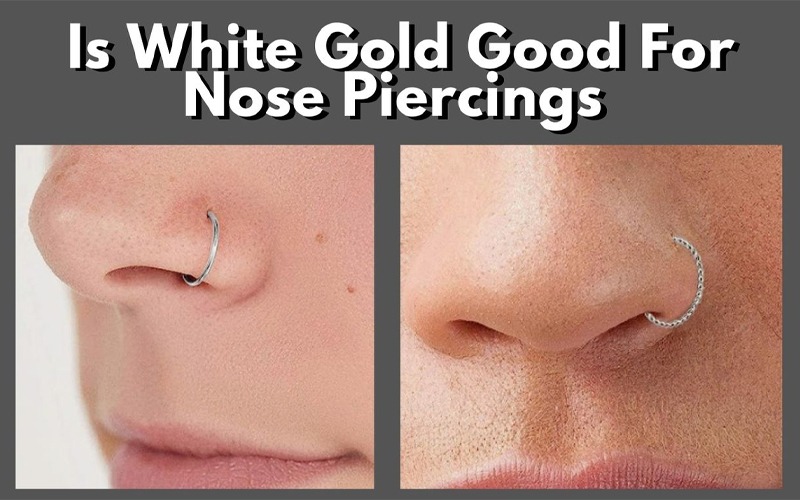
The type of metal used for your nose ring can significantly influence the healing process. For optimal healing, materials such as titanium and surgical-grade stainless steel are often recommended due to their biocompatibility and lower risk of causing allergic reactions. Titanium, in particular, is lightweight and non-corrosive, making it an excellent choice for new piercings.
Conversely, cheaper jewelry made from nickel or other porous materials can harbor bacteria and lead to irritation or allergic reactions. It is advisable to invest in high-quality jewelry to minimize the risk of complications and ensure a more comfortable healing experience. If you experience any irritation, consider switching to a hypoallergenic material as recommended by your piercer.
Timeline of Healing Stages
Understanding the timeline of healing stages can help set realistic expectations for your recovery. The initial healing phase lasts approximately 4 to 6 weeks. During this time, minor swelling and discomfort are common, but these symptoms should gradually decrease as your body begins to heal.
The full healing period, which can extend from 4 to 6 months, is when the piercing reaches complete recovery. At this stage, the piercing should feel stable, and you should be able to change your jewelry without discomfort. It’s important to note that even after the piercing has healed, some individuals may experience sensitivity, particularly if they switch to jewelry made from a less ideal material.
Maintaining Your Piercing After Healing
Even after your nose ring has healed, it is essential to continue caring for it to prevent future issues. Regular cleaning should be maintained, although the frequency can be reduced to a couple of times a week. Use a gentle cleanser or saline solution to keep the area clean, especially after exercising or swimming.
Additionally, consider scheduling periodic check-ins with your professional piercer. They can provide personalized advice on jewelry changes or care, ensuring that your piercing remains healthy over time. Staying proactive in your aftercare can help you enjoy your nose ring without complications in the long run.
Maintaining a healthy and well-cared-for nose ring piercing can lead to a successful healing process. By following proper aftercare and being mindful of potential complications, you can enjoy your new jewelry without unnecessary issues. If you’re considering a nose piercing or want to ensure yours is healing correctly, don’t hesitate to consult with a professional piercer for personalized advice.
Frequently Asked Questions
How long does it take for a nose ring to fully heal?
The healing time for a nose ring typically ranges from 2 to 6 months, depending on various factors such as the individual’s health, aftercare, and placement of the piercing. Generally, nostril piercings heal faster than septum piercings, which can take longer. It’s crucial to follow proper aftercare instructions to ensure a smooth healing process.
What are the signs that my nose ring is healing properly?
Signs of proper healing include reduced redness and swelling around the piercing site, minimal to no discharge, and a decrease in tenderness. It’s normal to experience some slight sensitivity during the healing period, but if you notice persistent pain, excessive bleeding, or signs of infection such as pus or increased swelling, it’s essential to consult a professional piercer or healthcare provider.
Why is my nose ring taking longer to heal than expected?
Several factors can contribute to a prolonged healing process for nose rings, including inadequate aftercare, using non-hypoallergenic jewelry, or underlying health issues that affect healing, such as diabetes. Additionally, irritation from changing the jewelry too soon or engaging in activities that could stress the piercing area can also delay healing. Maintaining a clean environment and following aftercare guidelines can help expedite the process.
What is the best way to care for my nose ring during the healing process?
The best care for your healing nose ring involves cleaning it gently with saline solution or a non-alcoholic sea salt mixture twice a day. Avoid touching or twisting the jewelry and refrain from changing it until it’s fully healed. Additionally, keeping the area dry and avoiding makeup or harsh chemicals around the piercing can prevent irritation and promote optimal healing.
Which type of jewelry is recommended for new nose piercings to ensure faster healing?
For new nose piercings, it’s recommended to use high-quality materials such as titanium, surgical stainless steel, or niobium, as these materials are less likely to cause allergic reactions and are more biocompatible. Avoid using cheap or costume jewelry, as these can irritate the piercing and lead to complications during the healing process. Always consult with a professional piercer about the best options for your specific needs.
References
- https://www.ncbi.nlm.nih.gov/pmc/articles/PMC2927001/
- https://www.healthline.com/health/body-piercing-healing-times
- https://www.webmd.com/beauty/what-to-know-about-nose-piercings
- https://www.verywellhealth.com/nose-piercing-5189604
- https://www.mayoclinic.org/diseases-conditions/piercing-ears-and-other-body-parts/care-at-mayo-clinic/mac-20347067
- https://www.piercing.org/aftercare/