To take out a screw nose ring, simply hold the ring steady with one hand while unscrewing the ball or end piece with the other hand. This method ensures you can remove it without causing discomfort or injury. In this article, you’ll learn the step-by-step process, essential tools, and tips for a smooth removal experience. Understanding the design of your screw nose ring and preparing adequately will not only facilitate a hassle-free extraction but also minimize the risk of complications.
Understanding Your Screw Nose Ring

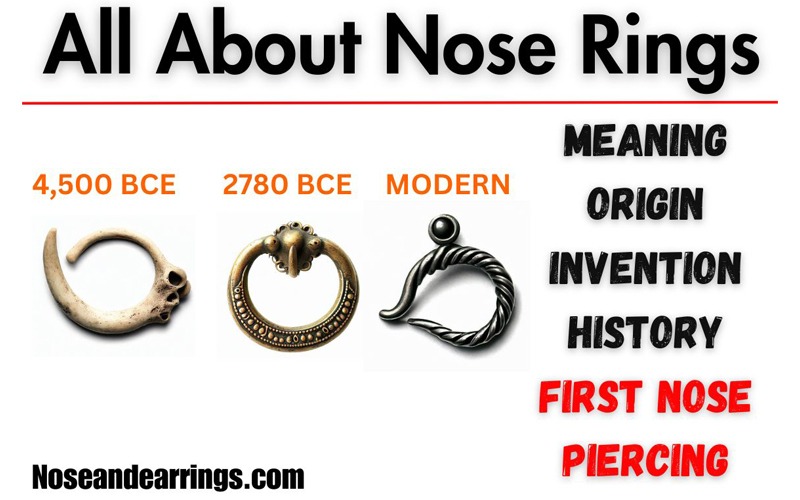
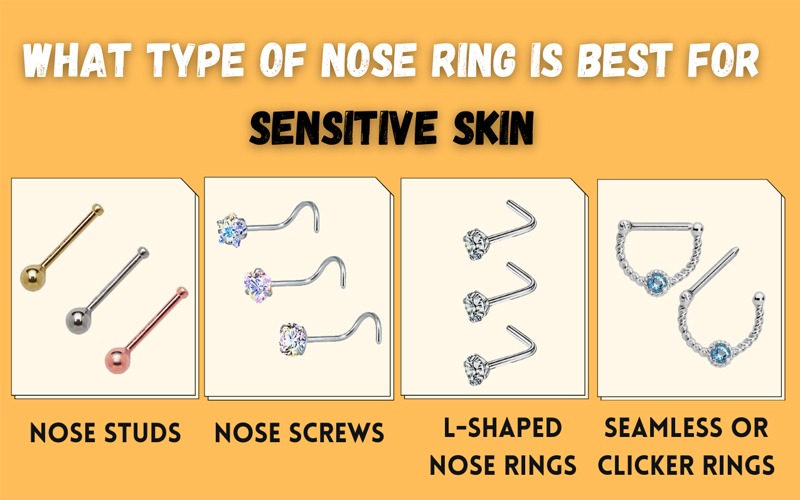
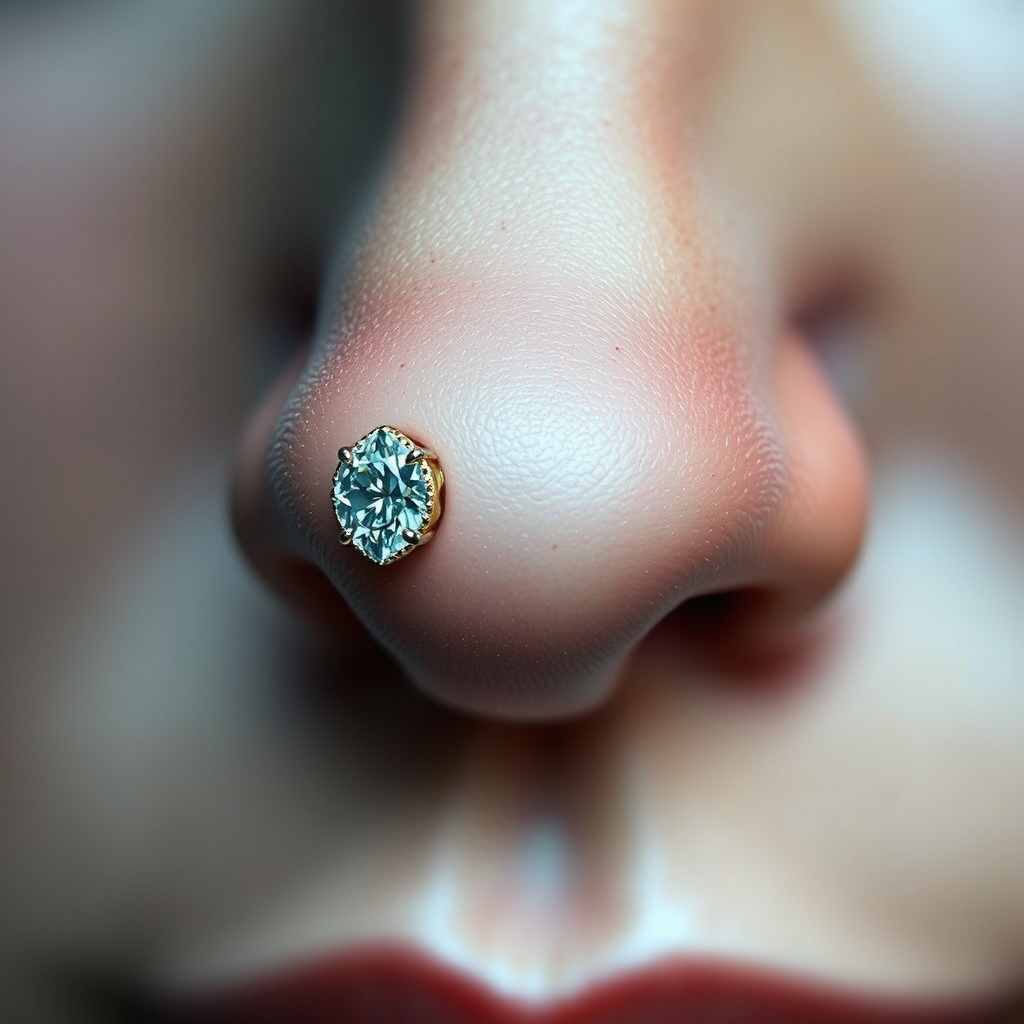
Screw nose rings are a popular choice for body piercings due to their secure fit and aesthetic appeal. They consist of a threaded post that is embedded in the nostril and a ball or decorative end that screws onto the post. This design helps to keep the ring in place while allowing for easy customization with various decorative elements. It is crucial to familiarize yourself with the specific type of screw nose ring you possess, as designs can vary significantly between different materials and styles. For example, titanium, surgical steel, and gold are common materials that offer different levels of comfort and aesthetic appeal, which can impact the removal process.
Understanding how your particular screw nose ring operates is vital. The threading may differ in tightness, and some designs may incorporate additional features, such as decorative threads or unique shapes. Knowing these details can help you navigate the removal process more effectively and avoid unnecessary damage to both the jewelry and your piercing.
Preparing for Removal
Preparation is key to a successful and safe removal of your screw nose ring. Start by washing your hands thoroughly with soap and water to eliminate any bacteria that could lead to infection. This step is especially important since the nose is a sensitive area that can easily become irritated.
Next, gather the necessary tools to facilitate the removal process. You will need a mirror to see your piercing clearly, which will help you maneuver your hands accurately. While gloves are optional, wearing them can provide an extra layer of cleanliness and reduce the risk of transferring oils or dirt from your hands to the piercing. Additionally, having a clean cloth nearby can offer comfort and a stable surface to rest your hand during the removal.
Step-by-Step Removal Process
Removing a screw nose ring can be straightforward if you follow these steps carefully. First, position yourself in front of a well-lit mirror to get a clear view of the piercing.
1. Hold the Ring Steady: Use one hand to gently grasp the ring itself, ensuring it remains stable and does not turn as you work on the screw.
2. Unscrew the Ball: With your other hand, carefully grip the ball or decorative end piece. Turn it counterclockwise to unscrew it from the post. Apply gentle pressure; do not force it, as this could lead to pain or injury.
3. Remove the Ring: Once the ball is completely unscrewed, you can easily slide the ring out of your piercing. If you encounter any resistance, stop and reassess your approach before proceeding.
By following these steps, you can minimize discomfort and ensure a smooth removal process.
Troubleshooting Common Issues
While most removals go smoothly, some common issues can arise. If the ball of your screw nose ring feels stuck, it may be due to buildup of skin oils or debris around the threading. In this case, applying a small amount of a water-based lubricant, like saline solution, can help loosen the connection. Be cautious not to use excessive force, as this could irritate your piercing.
If you experience pain or resistance during the unscrewing process, it is crucial to stop immediately. Pain can be a sign of inflammation or irritation, and continuing could exacerbate the issue. If removal proves challenging after several attempts, seeking professional help from a licensed piercer is advisable. They have the experience and tools necessary to assist without causing harm.
Aftercare Post-Removal
Once your screw nose ring is successfully removed, proper aftercare is essential to prevent infection and promote healing. Begin by cleaning the area around the piercing with an antiseptic solution. This step is crucial, as it helps eliminate any bacteria that could lead to complications.
In the days following the removal, monitor the site for any signs of irritation, such as redness, swelling, or discharge. If you notice any of these symptoms, consult with a healthcare professional for further guidance. Maintaining good hygiene during this period is vital; avoid touching the area unnecessarily and refrain from applying makeup or other products that could irritate the piercing.
When to Seek Professional Help
There are instances when professional assistance may be necessary. If you find yourself unable to remove the screw nose ring after several attempts, do not hesitate to reach out to a professional piercer. They can provide safe and effective removal, ensuring that your health is prioritized.
Additionally, if you experience excessive swelling, persistent redness, or pus around the piercing, these may be signs of infection. In such cases, it’s crucial to seek medical attention promptly to address any potential complications.
Removing a screw nose ring can be a simple process when done correctly. By following these steps, you can ensure a safe and effective removal. Remember to prepare adequately, troubleshoot any issues calmly, and practice appropriate aftercare. If you encounter any difficulties or concerns, don’t hesitate to reach out to a professional piercer for assistance. Taking these precautions will help you maintain the health of your piercing while enjoying the versatility that screw nose rings provide.
Frequently Asked Questions
How do I know if my screw nose ring is stuck?
If you’re having difficulty unscrewing your nose ring, it may be stuck due to a few reasons, such as a buildup of skin oils or jewelry grime. Signs that it’s stuck include resistance when twisting, pain during movement, or if the ring seems to be rotating but not loosening. If you suspect it’s stuck, apply a small amount of lubricant, like coconut oil or a lubricant designed for jewelry, to facilitate the process.
What tools do I need to take out a screw nose ring?
To remove a screw nose ring, you generally don’t need specialized tools; your fingers are usually sufficient. However, if the ring is particularly tight, a pair of latex gloves can improve grip. In some cases, using a pair of pliers with a soft cloth can help avoid damaging the jewelry, but be very careful to avoid applying too much pressure that could cause injury.
Why is my screw nose ring hard to remove?
A screw nose ring may be hard to remove for a variety of reasons, including swelling of the piercing, scar tissue formation, or the ring being overtightened during the initial insertion. Additionally, if the jewelry material is not compatible with your skin type, it can lead to irritation or swelling, making removal more difficult. If you experience persistent pain or trouble, consult a professional piercer for assistance.
What is the best way to clean a screw nose ring before removal?
Before removing a screw nose ring, it’s wise to clean the area to prevent infection. Use a saline solution or a mild, unscented soap and warm water to gently cleanse the piercing and the jewelry. This will help dissolve any buildup and make the removal process smoother while also minimizing the risk of irritation.
Which direction do I twist to remove a screw nose ring?
To remove a screw nose ring, you typically twist it counterclockwise (to the left) to unscrew it. It’s important to apply gentle, consistent pressure and avoid jerking motions, as this could cause discomfort or injury. If you’re unsure, look for any markings on the jewelry for guidance, and if difficulty persists, consider seeking help from a professional piercer.
References
- https://www.healthline.com/health/screw-nose-ring-removal
- Shaking hands (hand tremors): 14 causes and treatments
- https://www.ncbi.nlm.nih.gov/pmc/articles/PMC4560231/
- Soy: Does it reduce cholesterol? – Mayo Clinic
- https://www.verywellhealth.com/nose-piercing-care-5088434