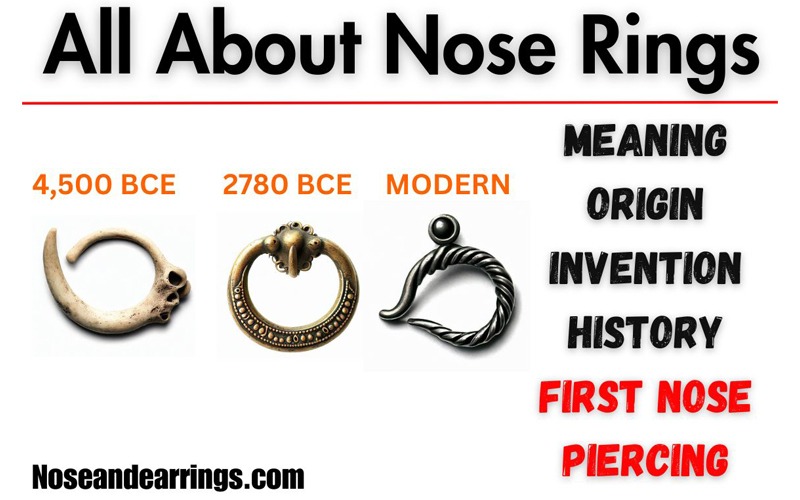
Understanding the standard nose ring size is essential for anyone considering a new piercing or looking to change their existing jewelry. The most common gauge for nose rings is 20 gauge (0.8 mm), but sizes can vary depending on personal preference and anatomy. This guide will provide you with essential information regarding the standard sizes, materials, and tips for choosing the right nose ring for your unique style and comfort.
Common Nose Ring Sizes

When it comes to nose rings, the most popular size is undoubtedly the 20 gauge (0.8 mm). This size strikes a balance between comfort and visibility, making it an ideal choice for both newcomers and seasoned jewelry wearers. In addition to the 20 gauge, other common sizes include the 18 gauge (1.0 mm) and the 22 gauge (0.6 mm).
The 18 gauge option is slightly thicker and may be preferred by individuals seeking a more substantial look or those with slightly larger piercings. Conversely, the 22 gauge, being thinner, is often favored by those with lighter piercings or who prefer a more delicate appearance. Understanding these variations is crucial, as the right size can enhance not only the aesthetic appeal of the jewelry but also the comfort and safety of the piercing.
Measuring Nose Ring Size
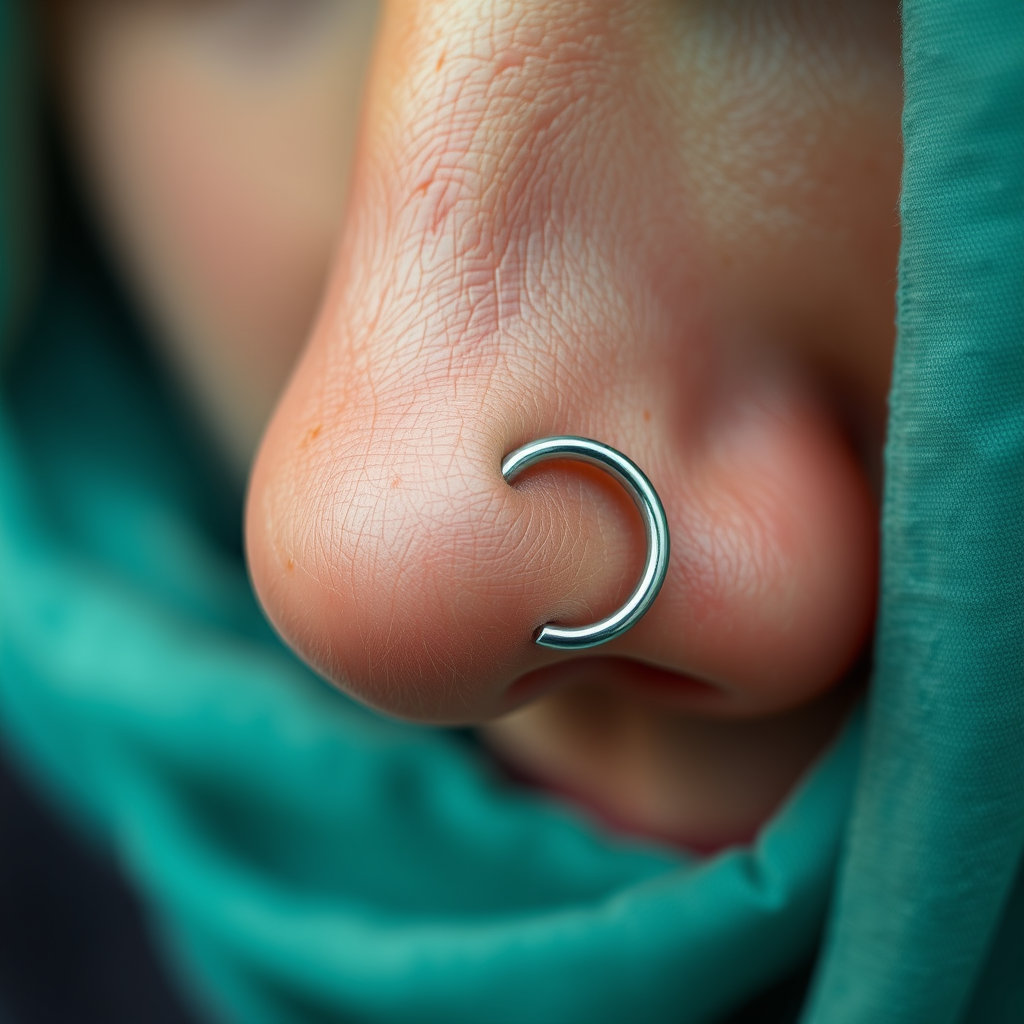
Nose ring sizes are typically measured in gauges, which is a standardized way to indicate thickness. In this system, a lower gauge number corresponds to a thicker piece of jewelry; thus, a 20 gauge is thicker than a 22 gauge. This measurement can be somewhat counterintuitive for those new to body jewelry, as it differs from the metric system, which measures in millimeters directly.
To ensure a proper fit, it’s important to measure both the gauge and the diameter of the jewelry. The diameter will determine how well the ring sits in the nostril, while the gauge ensures the thickness is comfortable and secure. If you are uncertain about your size, visiting a professional piercer can provide accurate measurements and recommendations based on your anatomy.
Types of Nose Rings
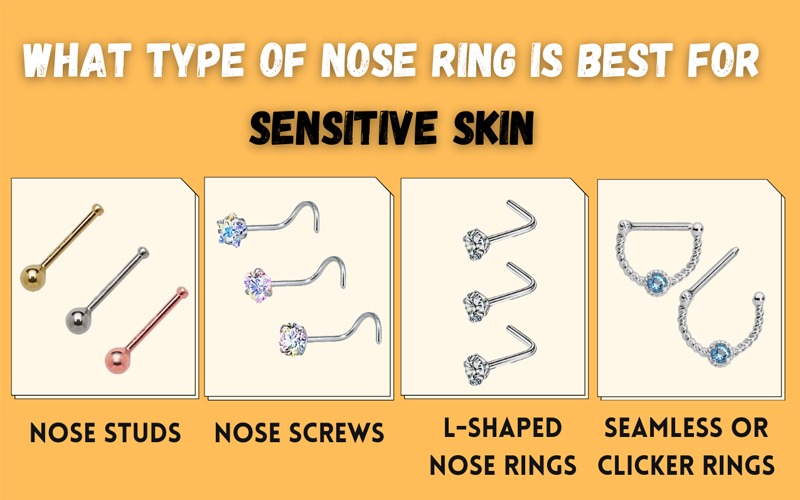
The variety of nose rings available today is extensive, with studs, hoops, and septum rings being the most common types. Each type comes in different gauges and styles, catering to a wide range of aesthetic preferences and lifestyles.
Nose studs are often the first choice for new piercings because they sit flush against the nostril, minimizing the risk of snagging. Hoops, on the other hand, can vary in size and style, offering a bolder look that can be dressed up or down depending on the occasion. Septum rings, which are designed for the cartilage in the septum, have gained popularity for their unique positioning and ability to make a statement.
Each type of nose ring can be further personalized with various designs, including gemstones, patterns, and finishes. Choosing the right type involves considering not only personal style but also how active your lifestyle is, as some designs may be more prone to snagging or discomfort.
Material Options for Nose Rings
The material of your nose ring plays a significant role in both the aesthetic and health considerations surrounding body jewelry. Common materials include surgical steel, titanium, and various forms of gold, each offering unique benefits.
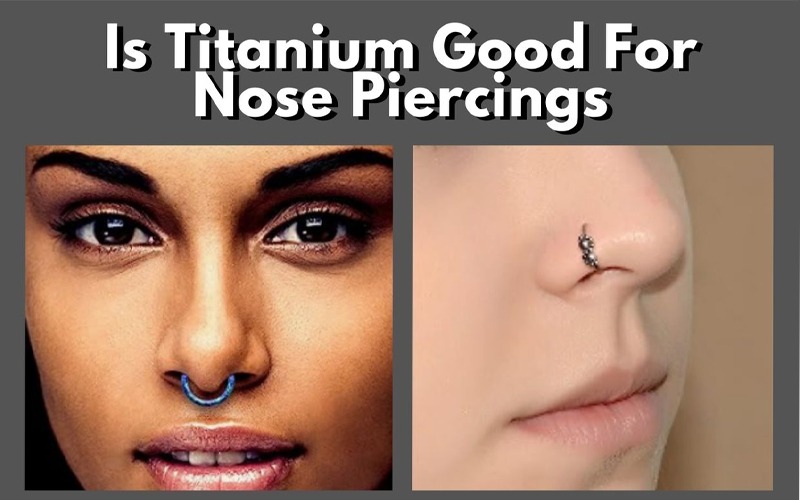
Surgical steel is a popular choice due to its durability and resistance to tarnish and corrosion. It is also relatively affordable, making it a go-to for many people. Titanium is another excellent option, particularly for those with sensitive skin, as it is highly biocompatible and less likely to cause allergic reactions. Gold, especially in higher karats, provides an attractive and luxurious appearance but may be more susceptible to tarnishing if not properly cared for.
When selecting a material, it’s crucial to consider hypoallergenic options, especially if you have a history of skin sensitivities or allergies. Choosing the right material not only enhances comfort but also contributes to the longevity of the jewelry.
Tips for Choosing the Right Nose Ring
Selecting the ideal nose ring involves several factors, including personal style, comfort, and lifestyle. When considering size and type, think about how you typically engage in daily activities. For instance, if you lead an active lifestyle, you might prefer a more secure stud rather than a hoop that can catch on clothing or hair.
It’s also advisable to consult with a professional piercer when choosing your jewelry. They can provide personalized advice, taking into account your anatomy and any specific preferences you might have. Additionally, they can discuss options for aftercare and maintenance to ensure that your piercing heals properly.
Finally, don’t hesitate to experiment with different styles and sizes. Body jewelry is a form of self-expression, and you might find that what you initially thought would suit you best does not resonate as strongly as you imagined.
Adjusting to a New Nose Ring
After getting a new nose ring, it is imperative to allow time for your piercing to heal before changing the jewelry. Healing times can vary, but generally, it may take anywhere from 4 to 6 weeks for a nostril piercing and up to 6 months for a septum piercing.
Following proper aftercare instructions is crucial to ensure healing and avoid complications. This includes cleaning the area with saline solutions, avoiding touching the piercing with unwashed hands, and steering clear of swimming pools or hot tubs until fully healed. If you experience any signs of infection, such as redness, swelling, or discharge, it is important to consult a healthcare professional promptly.
Once healed, you can confidently explore changing your nose ring to reflect your evolving style or mood. Regularly cleaning and maintaining your jewelry will also help in preventing irritation and prolonging its lifespan.
With a clear understanding of standard nose ring sizes and options available, you can confidently select the perfect jewelry for your piercing. Explore various styles and materials to express your personality while ensuring comfort and safety. Don’t hesitate to consult with a professional for more tailored advice and to enhance your piercing experience. Consider the factors discussed to make informed decisions that align with your aesthetic and lifestyle, allowing you to enjoy your nose ring to its fullest potential.
Frequently Asked Questions
What is the standard nose ring size for a nostril piercing?
The standard nose ring size for a nostril piercing typically ranges from 20 gauge (0.8 mm) to 18 gauge (1.0 mm). Most professionals recommend starting with a 20 gauge, as it provides a good balance between comfort and visibility. However, the choice may also depend on personal preference and the specific anatomy of the wearer.
How do I determine the right nose ring size for my piercing?
To determine the right nose ring size for your piercing, you can start by measuring the gauge of your existing jewelry or consult your piercer for recommendations. It’s important to consider both the gauge (thickness) and the diameter (the size of the hoop or stud) that fits comfortably within your nostril. A properly sized nose ring should sit snugly without causing irritation or discomfort.
Why is it essential to choose the correct nose ring size?
Choosing the correct nose ring size is essential to ensure comfort, prevent irritation, and promote proper healing. An incorrectly sized ring can lead to issues like migration, rejection, or increased risk of infection. Additionally, a well-fitted nose ring enhances the overall aesthetic, allowing you to showcase your style without compromising your health.
What is the best nose ring size for a septum piercing?
The best nose ring size for a septum piercing typically ranges from 16 gauge (1.2 mm) to 14 gauge (1.6 mm). Many people opt for a 16 gauge as it provides a good fit for most septum piercings. However, personal preferences and the anatomy of the individual may influence the choice, so it’s advisable to consult with your piercer for a tailored recommendation.
Which materials are recommended for nose rings of standard sizes?
Recommended materials for nose rings of standard sizes include surgical stainless steel, titanium, and gold (14k or higher), as these materials are hypoallergenic and suitable for sensitive skin. Avoiding nickel-containing metals is crucial to prevent allergic reactions. Additionally, for initial piercings, opting for high-quality materials ensures a smoother healing process and reduces the risk of irritation or infection.
References
- Nose piercing
- https://www.ncbi.nlm.nih.gov/pmc/articles/PMC6357318/
- https://www.healthline.com/health/nose-piercing
- https://www.britannica.com/topic/body-piercing
- https://www.verywellhealth.com/nose-piercing-5181490