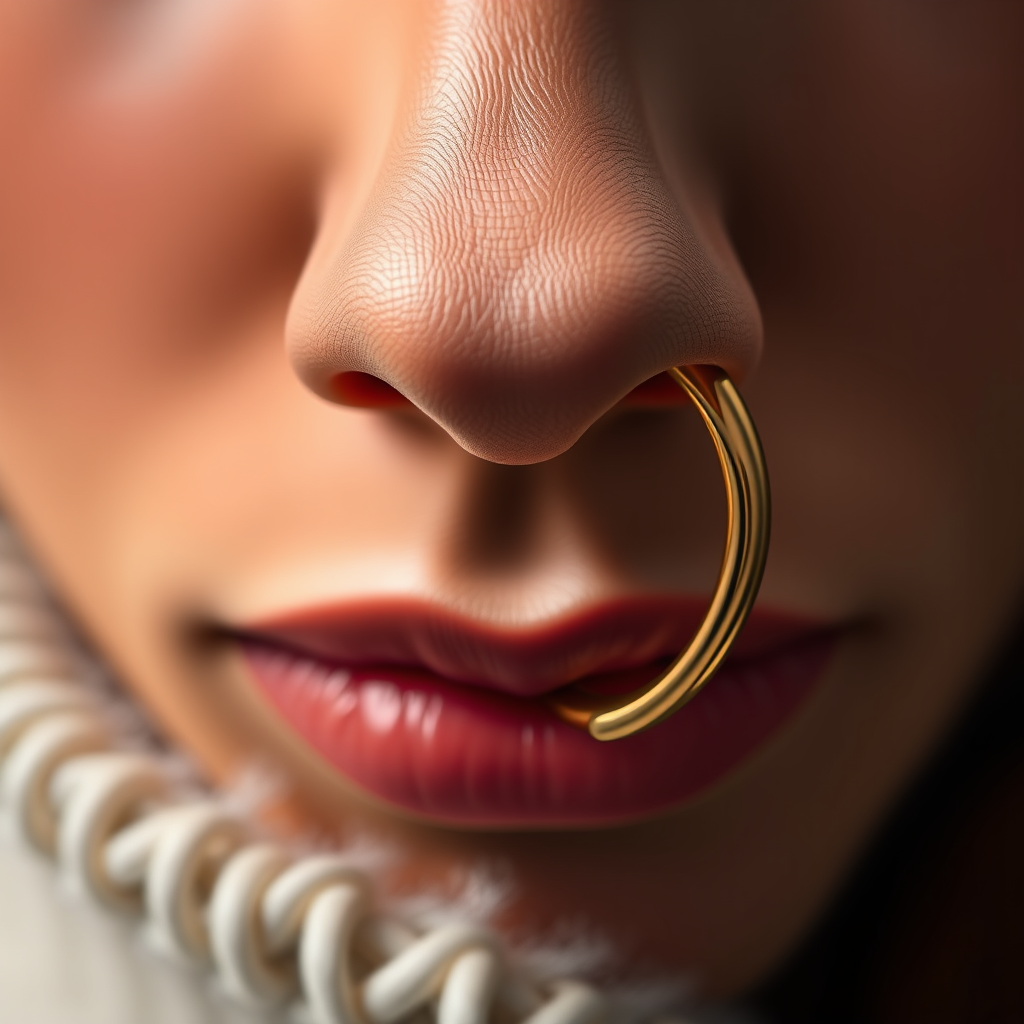
The bull ring nose piercing is commonly referred to as a “septum piercing.” This type of piercing goes through the cartilage wall that separates the nostrils, allowing for a variety of jewelry options, including circular barbells and retainers. Septum piercings have become increasingly popular over the years, symbolizing personal expression and style. In this article, you’ll learn more about the characteristics, styles, and care associated with septum piercings, as well as their cultural significance and the risks involved.
Understanding the Septum Piercing

The septum piercing is located in the nasal septum, which is the tissue that separates the nostrils. This unique position allows for a variety of visual effects depending on the jewelry chosen, making it a versatile option for many. The exact placement of the piercing can vary; some prefer it positioned higher up on the septum, while others may opt for a lower placement. The anatomy of an individual’s nose can influence this decision, as some people have thicker or thinner septal tissue. It is crucial to consult with a professional piercer who can guide you based on your specific anatomy and aesthetic preference.
The septum piercing can also accommodate various styles of jewelry, from subtle to bold, allowing individuals to express their personality. Additionally, the healing process varies considerably from person to person, and understanding the nuances of the piercing itself is essential for new owners.
Jewelry Options for Bull Ring Piercings
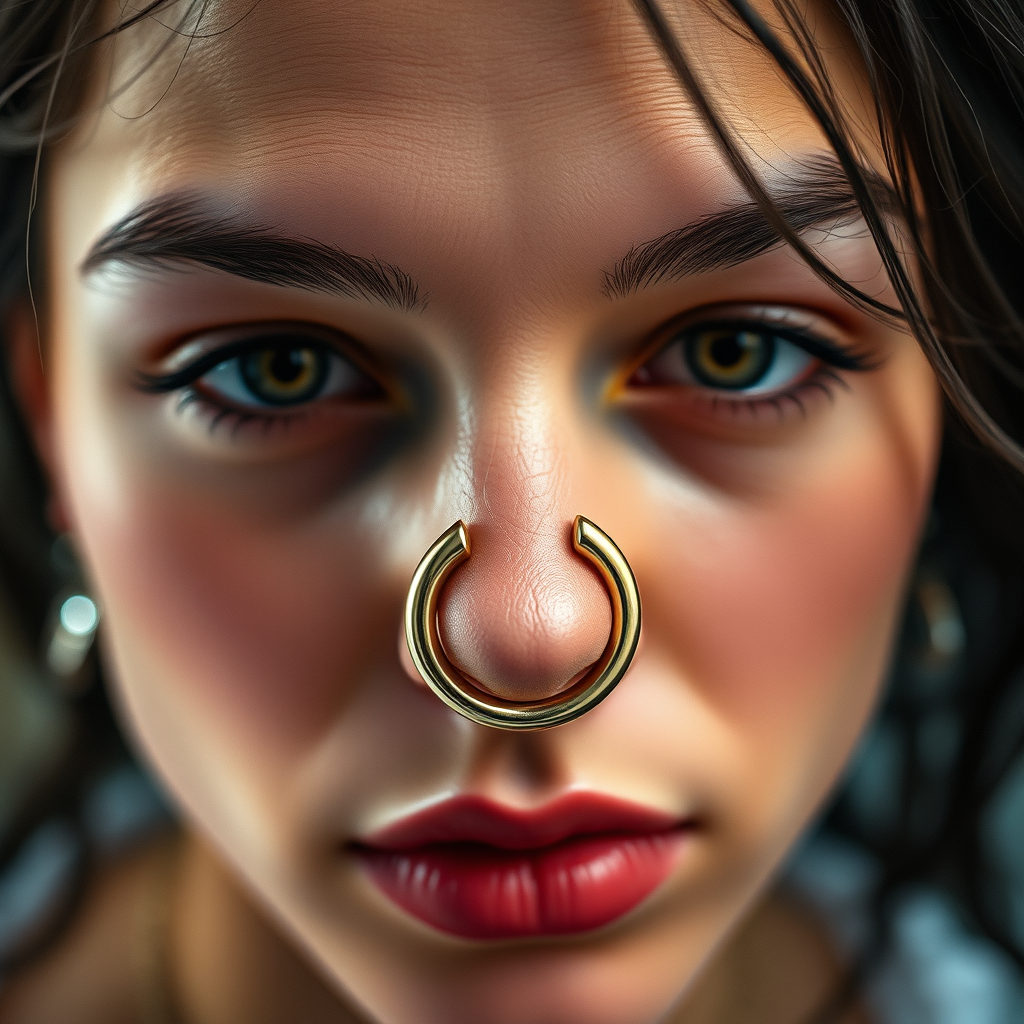
Common jewelry types for septum piercings include circular barbells, captive bead rings, and septum retainers. Circular barbells, usually made from surgical steel or titanium, are popular due to their ease of insertion and the variety of designs available. Captive bead rings feature a bead that secures the ring in place and can be embellished for added flair. Septum retainers are designed to keep the piercing discreet, making them ideal for those in professional settings or who prefer a more understated look.
Materials used for septum jewelry can range from high-quality surgical steel and titanium to organic materials like wood or bone. Each material offers different benefits. For example, titanium is known for its biocompatibility and resistance to corrosion, making it an excellent option for initial piercings. Organic materials, while aesthetically pleasing, may require more maintenance and care to ensure they remain hygienic.
Pain and Healing Process
Pain levels for septum piercings can vary among individuals, but they are generally considered moderate. Many describe the sensation as a quick pinch rather than a prolonged discomfort. It is also important to note that pain tolerance differs from person to person; what might be painful for one individual may be a mere discomfort for another.
The healing process for a septum piercing typically takes between 6 to 8 weeks, although complete healing can take longer. Factors such as individual care, hygiene practices, and lifestyle can significantly influence healing time. During the initial healing phase, it is advisable to avoid changing jewelry too soon, as this can irritate the piercing and lead to complications. Most piercers recommend waiting at least a few weeks before considering any changes to the jewelry.
Aftercare Guidelines
Proper aftercare is crucial for ensuring a smooth healing process for a septum piercing. It is essential to keep the area clean and avoid touching it with dirty hands to minimize the risk of infection. Cleaning the area with saline solutions or specific aftercare products recommended by your piercer can help promote healing.Avoid using alcohol or hydrogen peroxide, as these can dry out the piercing and delay healing. Instead, opt for a saline solution or an aftercare spray specifically designed for piercings. When cleaning, gently dab the area with a clean cotton ball or gauze; do not scrub, as this can cause irritation. Additionally, it is advisable to avoid swimming pools, hot tubs, and other bodies of water during the healing process to reduce the risk of infection.
Cultural Significance and Trends
Septum piercings have cultural roots in various societies, often symbolizing strength, resilience, and rebellion. In many Indigenous cultures, septum piercings have historical significance, serving as a rite of passage or a symbol of tribal affiliations. For instance, certain tribes in Africa and the Americas have historically incorporated septum piercings into their cultural practices, using them to signify maturity or social status.
In recent years, septum piercings have gained popularity in mainstream fashion, often seen as a bold expression of individuality. Celebrities and influencers sporting septum piercings have contributed to their acceptance in various social circles, transforming them into a fashionable accessory rather than just a body modification. As trends evolve, the septum piercing continues to be reimagined, with unique jewelry designs and styling options making it a staple in contemporary body art.
Risks and Considerations
While the septum piercing can be a beautiful form of self-expression, it is not without risks. Possible complications include infection, allergic reactions to jewelry materials, and scarring. To minimize these risks, it is essential to consult with a professional piercer who follows strict hygiene practices and uses high-quality materials. Ensure that the piercer is licensed and experienced, as their expertise can significantly affect the outcome of your piercing.
Following aftercare instructions is also crucial in preventing complications. If you notice unusual symptoms such as excessive swelling, prolonged pain, or discharge, it is vital to seek advice from a healthcare professional. Regularly inspecting the jewelry for signs of irritation or allergic reactions can also help in maintaining a healthy piercing.
The bull ring nose piercing, or septum piercing, has become a popular choice for many individuals looking to express their style. Understanding the anatomy, jewelry options, and care associated with this piercing can help you make informed decisions about your body modification journey. If you’re considering getting a septum piercing, remember to research reputable piercers, and don’t hesitate to ask questions about the procedure and aftercare. Ultimately, a thorough understanding of the process and its implications will lead to a more fulfilling and safe experience.
Frequently Asked Questions
What is the bull ring nose piercing called?
The bull ring nose piercing is commonly referred to as a “septum piercing.” This type of piercing is located in the cartilage between the nostrils and can be adorned with a variety of jewelry styles, including circular barbells or captive bead rings. The name “bull ring” often comes from the resemblance of the jewelry to the rings traditionally used to adorn bulls.
How do I care for a bull ring (septum) nose piercing?
Proper care for a septum piercing involves keeping the area clean and avoiding irritation. Clean the piercing with saline solution or a mild saline rinse twice daily, and avoid touching or twisting the jewelry. Additionally, avoid swimming in pools or hot tubs for at least a few weeks to minimize infection risk, and refrain from changing the jewelry until the piercing has fully healed, which can take 6 to 8 weeks.
Why is my bull ring nose piercing swollen or painful?
Swelling and pain in a bull ring (septum) nose piercing can be due to several factors, including an allergic reaction to the metal used in the jewelry, improper aftercare, or an infection. If the swelling persists or is accompanied by significant pain, pus, or fever, it’s essential to consult with a professional piercer or a healthcare provider to ensure proper treatment and care.
What is the best jewelry for a bull ring nose piercing?
The best jewelry for a bull ring (septum) piercing is typically made from body-safe materials like surgical stainless steel, titanium, or niobium. These materials are hypoallergenic and less likely to cause irritation during the healing process. Popular jewelry styles for septum piercings include circular barbells, seamless rings, and captive bead rings, allowing for both comfort and customization.
Which nose piercings are similar to a bull ring piercing?
Similar to a bull ring (septum) piercing are the “nostril piercing” and the “bridge piercing.” While nostril piercings are situated on the outer part of the nostrils, the bridge piercing is located on the bridge of the nose, between the eyes. Each type of piercing offers unique aesthetics and can be styled with various jewelry options, catering to individual preferences and facial features.
References
- Nose piercing
- https://www.healthline.com/health/bull-ring-nose-piercing
- https://www.verywellhealth.com/nose-piercings-5183073
- https://www.medicalnewstoday.com/articles/nose-piercings
- https://www.pennmedicine.org/for-patients/patient-information/conditions-treated-a-to-z/nose-piercing-and-infection
- https://www.ncbi.nlm.nih.gov/pmc/articles/PMC4981952/