Choosing a side for your nose ring is a personal decision that often reflects your style, cultural influences, and even societal norms. Generally, the left side is associated with femininity and empowerment, while the right side is linked to masculinity. Understanding these implications can help guide your choice, as well as provide insight into the cultural factors at play. This article will delve into the meanings behind each side, explore cultural perspectives, and offer tips for selecting the right side for you.
The Left Side: Meaning and Popularity

The left side of the nose has long been regarded as a symbol of femininity and beauty. In many cultures, particularly in Western societies, this side is favored by women who wish to express their style and personality. The left side is often seen as more aesthetically pleasing, particularly when complemented by traditional beauty standards that emphasize the left side of the face.
In Indian culture, the left side bears significant importance, especially regarding nose piercings. A nose ring on the left side is considered a symbol of strength and empowerment for women, often linked to the goddess Parvati, who embodies feminine power. Many Indian brides wear a nose ring on the left side, highlighting its importance during significant life events. This cultural perspective can be empowering, encouraging women to embrace the left side as a representation of their individuality and confidence.
Furthermore, the left side has gained popularity in modern fashion trends, with many celebrities opting for left-side piercings. This trend can inspire others to follow suit, creating a cycle of influence that reinforces the left side’s associations with femininity and beauty.
The Right Side: Significance and Trends

Conversely, the right side of the nose is often associated with masculinity. This connection is visible in various subcultures, particularly among men who choose to pierce their right nostril as a form of self-expression. The right side can signify rebellion against traditional norms, appealing to those who wish to stand apart from the mainstream.
In recent years, the trend of right-sided nose piercings has gained traction across diverse demographics. Many individuals choose the right side to embrace their uniqueness and challenge gender stereotypes. Additionally, some men wear a right-side nose ring as a symbol of their nonconformity, using it to express individuality in a world that often emphasizes conformity.
Fashion trends also play a significant role in the popularity of the right side. Influencers and celebrities who adopt right-side piercings can shift perceptions, making it a fashionable choice for everyone, regardless of gender. This evolving trend emphasizes the importance of personal expression, allowing individuals to select the right side based on their own aesthetic preferences rather than societal expectations.
Cultural Perspectives on Nose Rings
Nose piercings carry different meanings across cultures, and these perspectives can significantly influence your choice of side. For instance, in many cultures, a nose ring is not merely a fashion statement but a symbol of marital status. In Indian tradition, married women often wear a nose ring on the left side, while unmarried women may opt for the right side. This cultural nuance is vital for those who want to respect and honor these traditions when choosing their piercing.
In other cultures, such as among some Indigenous peoples in North America, nose piercings can represent rites of passage or cultural identity. The significance of these piercings can vary widely, making it essential to consider the cultural context when making your decision. By understanding these cultural implications, you can ensure that your choice resonates with your values and honors the traditions of those who came before you.
Furthermore, the growing global interconnectedness has led to a blending of cultural practices. This means that individuals today may draw from a variety of cultural influences, shaping their choices in unique ways. By exploring these cultural perspectives, you can gain a deeper appreciation for your decision and its potential significance.
Personal Preference and Identity
Ultimately, the side you choose for your nose ring should reflect your personal style and identity. While cultural and gender associations play a role, the most important factor is your comfort and how the piercing resonates with you. Spend time considering how each side feels aesthetically and emotionally. You might find that one side aligns more closely with your identity than the other.
In addition to aesthetics, think about how each side might complement your existing style. For instance, if you typically favor a more feminine look, a left-side piercing may enhance that image. Conversely, if you lean towards a more edgy or androgynous style, a right-side piercing may serve as a fitting expression of your individuality.
Consider experimenting with temporary jewelry, such as clip-on rings or stickers, to explore how each side feels before committing to a permanent piercing. This exploration allows you to assess your preferences without the pressure of a lasting decision. Seeking advice from peers who have experience with nose piercings can also provide insight and inspiration.
Aftercare for Your Nose Piercing
Regardless of which side you choose, proper aftercare is essential for ensuring a healthy healing process. Aftercare practices can prevent infections and complications, allowing you to enjoy your new piercing without worry.
One of the most effective aftercare methods is to clean the piercing with a saline solution. You can make this solution at home by mixing saline with distilled water or purchasing a pre-made saline solution from a pharmacy. Clean the area at least twice a day, ensuring that you gently clean away any crust or discharge without irritating the piercing.
Avoid touching your nose ring or changing the jewelry too soon, as this can disrupt the healing process. It’s advisable to wait at least six to eight weeks before considering changing your jewelry. Additionally, be cautious about exposure to bacteria in public places, such as pools or gyms, until your piercing has fully healed.
Listening to your body is crucial during this period. If you experience increased pain, swelling, or discharge that is not clear, it may be wise to consult a professional piercer or healthcare provider to ensure there are no complications.
Common Misconceptions About Nose Rings
There are several misconceptions surrounding nose rings that can lead to unnecessary concerns. One common myth is that nose piercings are inherently unsafe or unhealthy. While any body modification carries some risk, when performed by a professional in a sterile environment, nose piercings are generally safe.
Another misconception is that nose rings are only suitable for certain age groups or demographics. In reality, people of all ages and backgrounds can enjoy the aesthetic of a nose ring, and personal preference should dictate your choice rather than societal pressures.
Understanding these misconceptions and relying on credible sources can help alleviate any concerns you may have about getting a nose piercing. Engage with professional piercers, reputable piercing studios, and online communities to gather accurate information that promotes responsible practices.
Making Your Final Decision
Taking your time to decide on the side for your nose ring is crucial. Consider your personal preferences, cultural influences, and aesthetic considerations. Trying out temporary jewelry or stickers can help you visualize your choice without the permanence of a piercing.
Engaging with professionals in the piercing community can also provide valuable insights. Experienced piercers can offer advice based on industry standards and their own expertise, helping you to navigate your decision with confidence. Additionally, connecting with peers who have undergone similar experiences can offer practical tips and encouragement.
Ultimately, remember that your choice is a reflection of your unique identity. Whether you choose the left side, the right side, or decide to forgo a piercing altogether, ensure that your decision aligns with your values and enhances your personal style.
Choosing the side for your nose ring is a multifaceted decision that intertwines personal aesthetics, cultural significance, and identity. Whether you are drawn to the left for its associations with femininity and empowerment or the right for its ties to masculinity and rebellion, the choice should resonate with who you are. Consult with a professional piercer to ensure a safe and fulfilling experience, and embrace the unique look that reflects your individuality.
Frequently Asked Questions
What side does a nose ring typically go on?
Traditionally, a nose ring can be worn on either side of the nose, with no strict rules governing placement. However, many people choose to wear it on the left side, as it is often associated with femininity and beauty in certain cultures. Ultimately, the decision comes down to personal preference and comfort, so you should choose the side that feels right for you.
How do I decide which side to get my nose ring pierced on?
Deciding which side to get your nose ring pierced on can depend on various factors, including cultural significance, facial symmetry, and personal expression. Consider which side complements your features better, or if you have any existing piercings on one side that you want to match. Additionally, think about any cultural meanings associated with each side, as some traditions might influence your choice.
Why do some cultures prefer a specific side for nose rings?
In some cultures, the side on which a nose ring is worn can carry deep cultural significance and meaning. For instance, in Indian culture, it is often believed that wearing a nose ring on the left side is linked to fertility and marital status, while the right side may signify a more rebellious or modern approach. Understanding these cultural nuances can help you make an informed decision that resonates with your personal beliefs or heritage.
What is the best way to care for a new nose ring piercing?
To care for a new nose ring piercing, it is essential to keep the area clean and avoid touching it with dirty hands. Clean the piercing with a saline solution or a gentle soap recommended by your piercer, and avoid using alcohol or hydrogen peroxide, which can irritate the skin. Additionally, refrain from swimming in pools, hot tubs, or natural bodies of water during the healing process, which generally takes about 6 to 8 weeks.
Which type of nose ring is best for a first-time piercing?
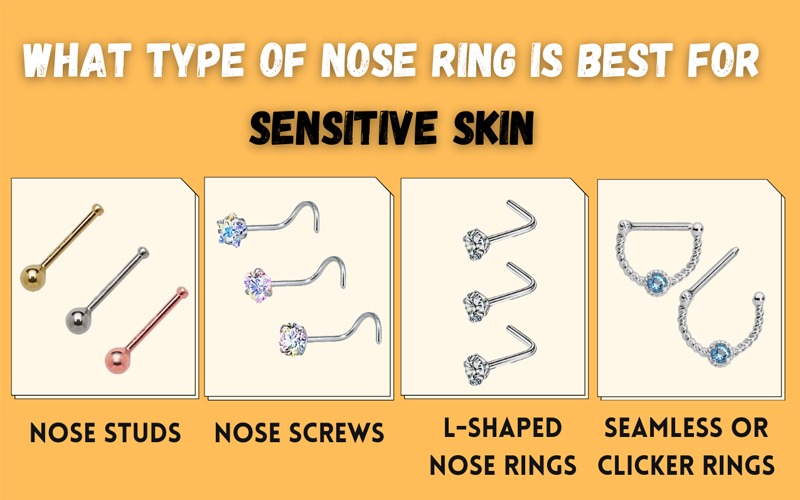
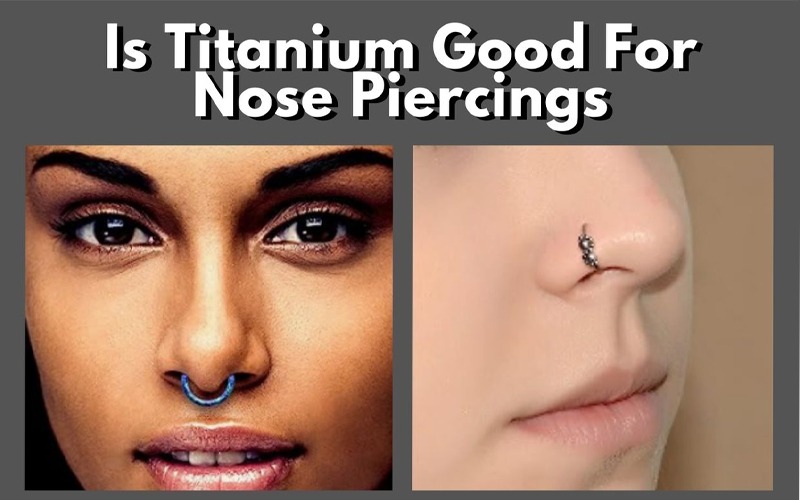
For a first-time nose piercing, it is best to choose a hoop or stud made from hypoallergenic materials like titanium or surgical stainless steel, as these are less likely to cause allergic reactions. A simple stud is often recommended for beginners since it minimizes the chances of catching on clothing or other objects during the healing process. Consulting with a professional piercer for recommendations tailored to your specific needs can also help ensure a positive experience.
References
- Body piercing
- https://www.ncbi.nlm.nih.gov/pmc/articles/PMC6513250/
- https://www.theguardian.com/lifeandstyle/2016/mar/01/what-does-your-body-piercing-say-about-you
- https://www.ncbi.nlm.nih.gov/pmc/articles/PMC6313802/
- https://www.healthline.com/health/nose-piercing-ideas
- https://www.womenshealthmag.com/beauty/a19960499/nose-piercing-guide/