Getting a nose ring first is absolutely possible, and many people choose to start their piercing journey with this option. A nose piercing can be a striking form of self-expression, and it often serves as a fashionable accessory that enhances one’s personal style. In this article, we’ll explore the considerations, preparation, and aftercare involved in getting a nose ring, helping you make an informed decision.
Understanding Nose Piercings

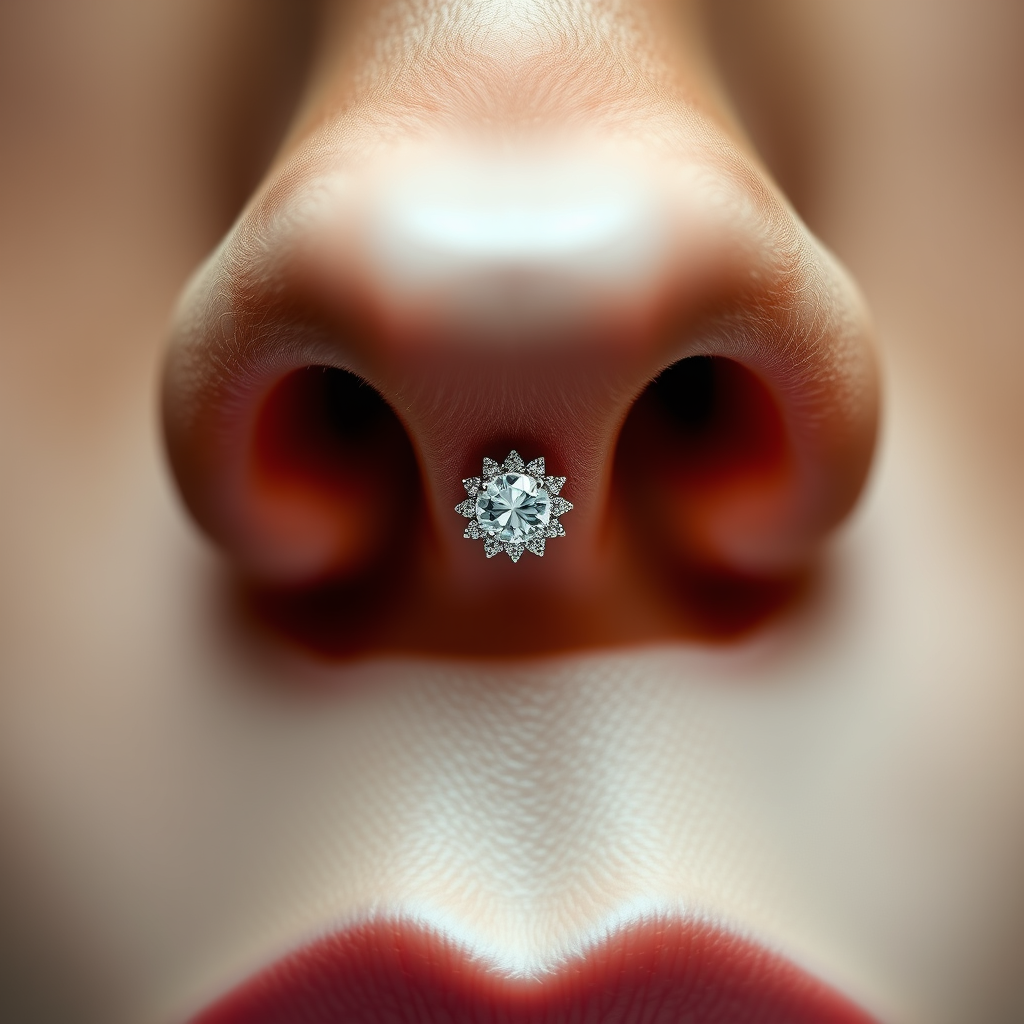
Nose rings have become increasingly popular as an initial piercing choice, particularly due to their visibility and the unique manner in which they can convey personal identity. The allure of nose piercings lies in their versatility; they can be worn in various styles, including studs, hoops, and even more intricate designs like septum rings. Each style offers a different aesthetic, allowing individuals to choose an option that resonates with their personal taste and complements their facial features.
Moreover, nose piercings have cultural significance in many societies, symbolizing everything from rebellion to tradition. For example, in certain cultures, nose rings are seen as symbols of maturity or marital status. As such, selecting a nose ring as your first piercing can be an empowering way to embrace cultural heritage while also expressing individuality.
Preparation for Getting a Nose Ring
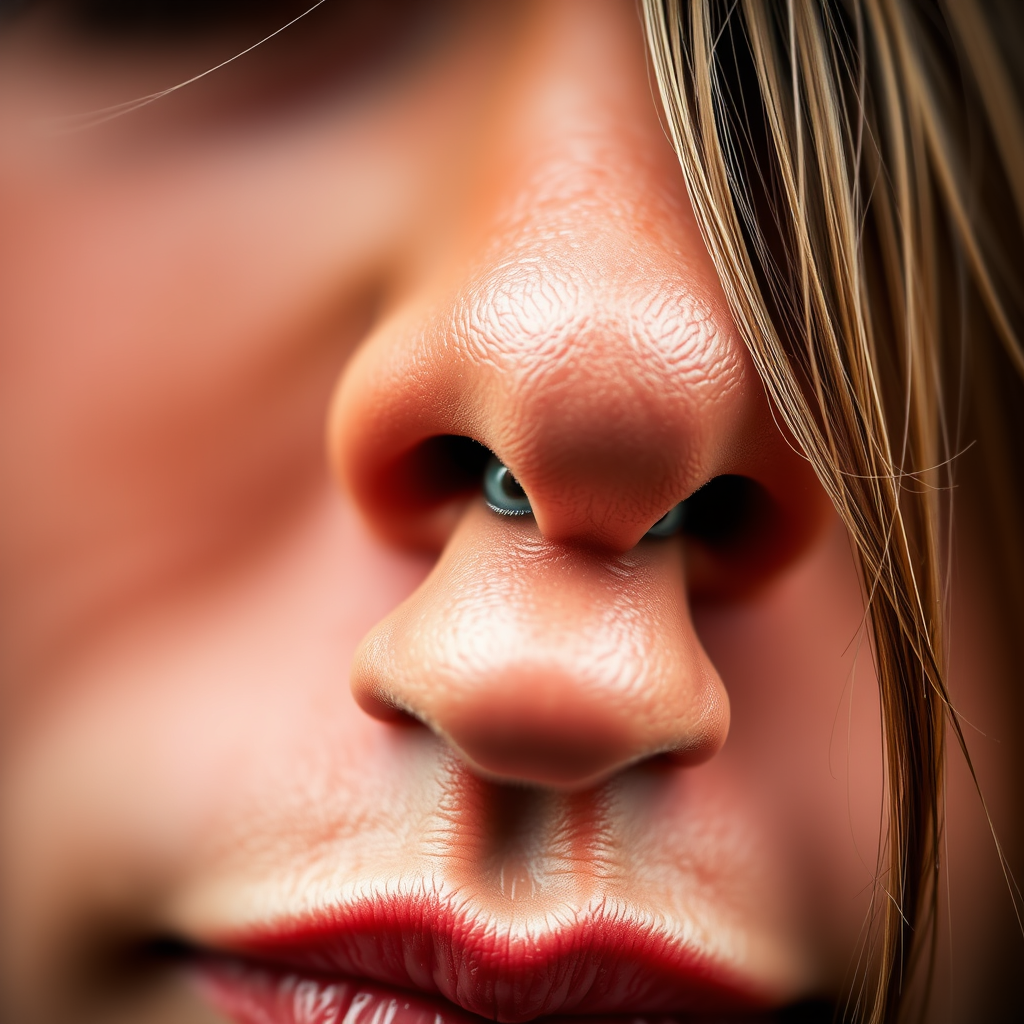
Proper preparation is crucial for ensuring a smooth piercing experience. First and foremost, it is essential to select a reputable piercing studio with certified professional piercers. Look for establishments with positive reviews, a clean environment, and knowledgeable staff who can guide you through the process. A good piercer will take the time to explain their methods and answer any questions you may have, ensuring you feel comfortable and informed.
Before the procedure, discuss any allergies or sensitivities you may have, particularly to nickel or other metals commonly used in jewelry. A professional piercer will provide you with options for hypoallergenic materials, such as titanium or surgical steel, which are less likely to cause irritation. Additionally, consider the timing of your piercing; avoid periods of high stress or significant life changes to ensure your body is in a good state for healing.
The Piercing Process Explained
Understanding the piercing process can alleviate anxiety and help you mentally prepare for the experience. Generally, the procedure involves several steps. First, the piercer will mark the selected spot on your nose, ensuring it aligns with your anatomy and desired aesthetic. They will then clean the area thoroughly and may apply a numbing agent, although many people find that the discomfort is minimal.
Once the area is prepared, the piercer will use a sterilized needle to create the hole. This step is usually completed quickly, and while you may experience a brief moment of discomfort, the procedure is far less painful than most anticipate. After the piercing is done, the piercer will insert your chosen jewelry and provide instructions for aftercare.
Aftercare for Your New Nose Ring
Aftercare is a critical component of the piercing experience, as it directly influences healing and reduces the risk of complications. To keep the area clean, use a saline solution, which can be purchased or made at home by mixing salt with distilled water. Clean the piercing twice a day, taking care not to touch it with dirty hands.
Moreover, it is essential to avoid swimming in pools, hot tubs, or natural bodies of water until the piercing has fully healed, which can take anywhere from six weeks to several months, depending on individual healing rates. Changing jewelry too soon can also lead to irritation or infection, so be patient before making alterations to your initial piece.
Common Concerns and FAQs
As with any body modification, potential concerns can arise when considering a nose ring as a first piercing. Common fears include pain levels, healing time, and complications such as infections. Most individuals report that the pain is brief and manageable, typically rating it lower than many expected.
Healing time for nose piercings can vary, but most people find that it takes about six to eight weeks for the initial healing process, with full healing potentially taking up to six months. Watch for signs of infection, including excessive redness, swelling, or discharge. If you experience any of these symptoms, it is crucial to consult with a medical professional.
It is also advisable to familiarize yourself with the signs of an allergic reaction to the jewelry, such as prolonged itching or irritation. If you suspect an allergy, contact your piercer for further advice.
Alternatives to Nose Rings
While nose rings can be an excellent first piercing, it’s worth considering alternatives, especially for those who may feel uncertain about the commitment. Ear piercings, such as lobe or cartilage piercings, are popular choices among first-timers because they are generally well-accepted and easier to care for during the healing process.
Each type of piercing comes with its own set of pros and cons. Earlobe piercings tend to heal more quickly and have a wide variety of jewelry options. In contrast, cartilage piercings can take longer to heal and may require more diligence in aftercare. Weighing these factors will help you determine the best piercing for your individual preferences and lifestyle.
Exploring Personal Style with Nose Rings
Choosing the right nose ring style is an exciting aspect of the piercing journey. Factors like face shape, personal aesthetics, and lifestyle should guide your decision. For instance, individuals with round faces may prefer studs that elongate their appearance, while those with more angular features might find hoops or septum rings to be flattering.
The variety of materials and designs available allows for a high degree of personalization. From minimalist studs to elaborate gemstone designs, the options are virtually limitless. Additionally, many people use their nose rings as a means of self-expression, reflecting their moods or interests through their choice of jewelry. This adds a layer of individuality to the piercing experience.
In conclusion, getting a nose ring first is a viable and popular option for those looking to express themselves through body piercings. Proper preparation, a clear understanding of the aftercare process, and an exploration of various styles are essential for a successful experience. If you’re ready to take the plunge, find a reputable piercer and start your body art journey today!
Frequently Asked Questions
Can you get a nose ring as your first piercing?
Yes, you can get a nose ring as your first piercing, but it’s essential to consider a few factors. Nose piercings can be more painful than earlobe piercings, so if you have a low pain tolerance, you might want to start with an easier piercing. Additionally, ensure you choose a reputable piercing studio that uses sterile techniques and high-quality jewelry to minimize the risk of infection.
What are the best types of nose rings for first-time wearers?
For first-time nose ring wearers, stud nose rings and hoop nose rings made of titanium or surgical stainless steel are highly recommended. These materials are hypoallergenic and reduce the risk of irritation or allergic reactions. A stud nose ring is often easier to manage during the healing process, while a small hoop can add a stylish touch once you’re comfortable.
How painful is a nose piercing compared to other piercings?
A nose piercing generally experiences moderate pain, which can be compared to getting your earlobe pierced but can feel sharper due to the sensitivity of the nasal area. The pain usually lasts only a few seconds during the actual piercing process, and most individuals report a quick throbbing sensation afterward that subsides within a short time. If you’re nervous about pain, consider discussing numbing options with your piercer.
Why is aftercare important for a new nose ring?
Aftercare is crucial for a new nose ring because it helps prevent infections and promotes proper healing. The nasal area is prone to bacteria, so keeping the piercing clean by using saline solution or a mild antiseptic can significantly reduce the risk of complications. Following the aftercare instructions provided by your piercer will ensure your nose piercing heals well and stays irritation-free.
Which factors should I consider before getting a nose ring?
Before getting a nose ring, consider factors such as your pain tolerance, job or school dress codes, and personal style. Additionally, think about your lifestyle and how a nose ring may affect it, including factors like sports or physical activities. Finally, research reputable piercing studios and check their hygiene practices to ensure a safe and positive experience.
References
- Body piercing
- https://www.ncbi.nlm.nih.gov/pmc/articles/PMC4044369/
- https://www.verywellhealth.com/piercings-5190765
- https://www.healthline.com/health/nose-piercing-guide
- https://www.aaoms.org/conditions/nose-piercing-infections