Changing a nose ring can typically be done after 2 to 3 months if the piercing has healed properly. However, healing times can vary based on individual factors and aftercare practices. It’s essential to monitor the healing process closely to ensure that your piercing is ready for a change. In this article, we’ll explore the healing process, signs your piercing is ready, and tips for changing your nose ring safely.
Understanding the Healing Process

The average healing time for a nose piercing ranges from 2 to 4 months. This timeframe can be influenced by several factors, including your body’s natural healing ability, the location of the piercing, and the type of jewelry used. For instance, individuals with robust immune systems and good overall health may experience quicker healing times compared to those with underlying health conditions. Additionally, the type of jewelry you choose can significantly impact healing; high-quality materials that are less likely to irritate the skin can facilitate a smoother healing process.
It’s also worth noting that the initial healing phase involves the formation of scar tissue, which can make the piercing sensitive. Therefore, patience is crucial as you wait for the area to heal completely. Those who rush the process may face complications such as infections or piercings that close up prematurely, necessitating a new piercing altogether.
Signs Your Nose Piercing is Healed
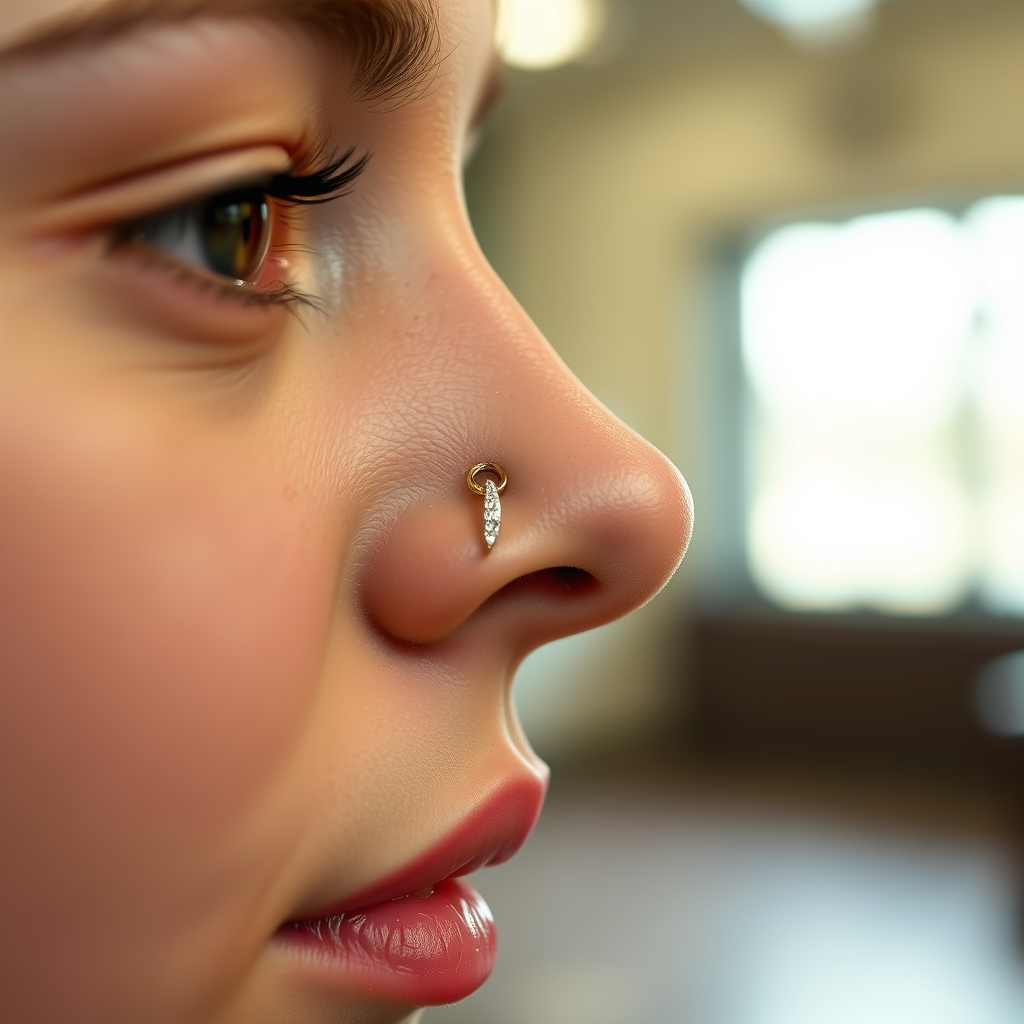
Recognizing when your nose piercing is ready for a change is vital for avoiding complications. Look for key signs of healing, including reduced tenderness in the area, minimal swelling, and a significant decrease in redness surrounding the piercing. Discharge is another important factor; ideally, any discharge should be minimal and clear. If you notice persistent or discolored discharge, it may indicate an infection or irritation, necessitating further care or professional consultation.
Other signs that your piercing may be healed include the absence of pain or discomfort when you touch the area. If you can easily rotate or move the jewelry without any resistance, it’s a good indication that the piercing has matured.
Importance of Proper Aftercare
Proper aftercare is critical for facilitating a smooth healing process. Keeping the area clean and avoiding irritants can significantly speed up healing. Daily cleaning of the piercing with saline solution or a recommended antiseptic can help prevent infection and irritation. It’s advisable to avoid touching the piercing with unwashed hands, as this can introduce bacteria.
Moreover, refraining from swimming in pools, hot tubs, or natural bodies of water until the piercing is fully healed can prevent exposure to harmful bacteria. If you choose to use makeup or skincare products, ensure they stay away from the area until healing is complete.
When to Consult a Professional
It is essential to monitor your piercing closely and seek professional guidance if you experience severe pain, significant swelling, or unusual discharge. These symptoms could indicate complications such as infections or allergic reactions to the jewelry material. Consulting a professional piercer or healthcare provider before attempting to change your jewelry is highly recommended if you are uncertain about the healing status of your piercing. They can provide insight and recommend whether it is safe to proceed or if further care is needed.
In some cases, professionals may offer to change the jewelry for you, ensuring it is done correctly and safely. This step can provide peace of mind, especially for individuals who are new to body piercings.
Choosing the Right Jewelry
Selecting the right jewelry for your healed piercing is crucial for both comfort and aesthetics. Opting for hypoallergenic materials, such as titanium or surgical steel, can help prevent irritation and allergic reactions. These materials are less likely to cause discomfort, especially in freshly healed piercings.
Additionally, consider the gauge size of the jewelry. A gauge that matches your healed piercing will ensure a proper fit without causing undue stress on the piercing. Styles vary widely, from studs to hoops, so choose a design that complements your personal style while also being practical for daily wear.
Steps for Changing Your Nose Ring Safely
When you’re ready to change your nose ring, following a few simple steps can help ensure the process goes smoothly. First, wash your hands thoroughly with soap and water to eliminate any harmful bacteria. Next, clean the area around your piercing with saline solution or an antiseptic wipe.
After ensuring both your hands and the piercing are clean, you can gently remove the old jewelry. Avoid using excessive force; if you encounter resistance, it may be a sign that the piercing is not yet fully healed. Once the old jewelry is out, carefully insert the new piece, ensuring it goes in smoothly and without pressure. Afterward, check that the jewelry is secure but not overly tight, as this can lead to irritation.
Finally, keep an eye on the piercing for the next few days. If you notice any signs of irritation or discomfort, consider consulting a professional for advice.
In summary, changing your nose ring can be a straightforward process if you adhere to proper guidelines. Waiting 2 to 3 months is advisable, but always listen to your body and monitor the healing process closely. Remember to prioritize aftercare, choose quality jewelry, and consult professionals when necessary. Following these steps will help ensure a safe and satisfying experience with your nose piercing.
Frequently Asked Questions
How long does it take for a nose piercing to fully heal before changing the nose ring?
A nose piercing typically takes about 4 to 6 months to fully heal, although some people might experience longer healing times depending on their body’s healing abilities and aftercare practices. It’s crucial to wait until the piercing is completely healed to avoid complications, such as infections or irritation, which can occur if jewelry is changed too early.
What are the signs that my nose piercing is ready for a new ring?
Before changing your nose ring, look for signs of complete healing such as no redness, swelling, or discharge around the piercing site. The area should feel comfortable with no pain or tenderness. If you can gently rotate the existing jewelry without discomfort and it’s been at least 4 months since the initial piercing, it’s likely safe to switch to a new nose ring.
Why is it important to wait before changing a nose ring?
Waiting to change a nose ring is essential to prevent issues like infection, scarring, or even the piercing closing up. Changing the jewelry too soon can disrupt the healing process, leading to complications that may require medical intervention. Proper healing ensures that your piercing is healthy and can accommodate new jewelry without adverse effects.
What is the best type of nose ring to use when changing jewelry for the first time?
The best type of nose ring to use when changing jewelry for the first time is a hoop or stud made from hypoallergenic materials like titanium, surgical steel, or gold. These materials are less likely to irritate the piercing compared to cheaper metals, ensuring a smooth transition and minimizing the risk of allergic reactions or infections as the piercing continues to heal.
Which method should I follow to safely change my nose ring?
To safely change your nose ring, start by washing your hands thoroughly and ensuring your new jewelry is clean. Gently remove the old nose ring using clean tools, if necessary, and carefully insert the new jewelry, making sure not to force it. After changing the ring, clean the area with saline solution or a recommended piercing aftercare product to minimize the risk of infection. Always consult with a professional piercer if you’re unsure about the process.
References
- https://www.ncbi.nlm.nih.gov/pmc/articles/PMC5403905/
- https://www.healthline.com/health/nose-piercing-care#changing-your-nose-ring
- https://www.mayoclinic.org/healthy-lifestyle/adult-health/in-depth/piercings-and-tattoos/art-20045897
- https://www.verywellhealth.com/nose-piercings-5180532
- Crohn’s Disease: Symptoms, causes, diagnosis, and more
- https://www.academyofpiercing.org/faq
- https://www.webmd.com/beauty/nose-piercings-what-to-know