Changing a corkscrew nose ring can be a straightforward process if you follow the right steps. In this guide, you’ll learn how to safely and effectively remove and replace your corkscrew nose ring, ensuring minimal discomfort and a smooth transition. Understanding the anatomy of your piercing and maintaining proper hygiene are crucial elements in this process, allowing you to enjoy your jewelry without complications.
Understanding Corkscrew Nose Rings
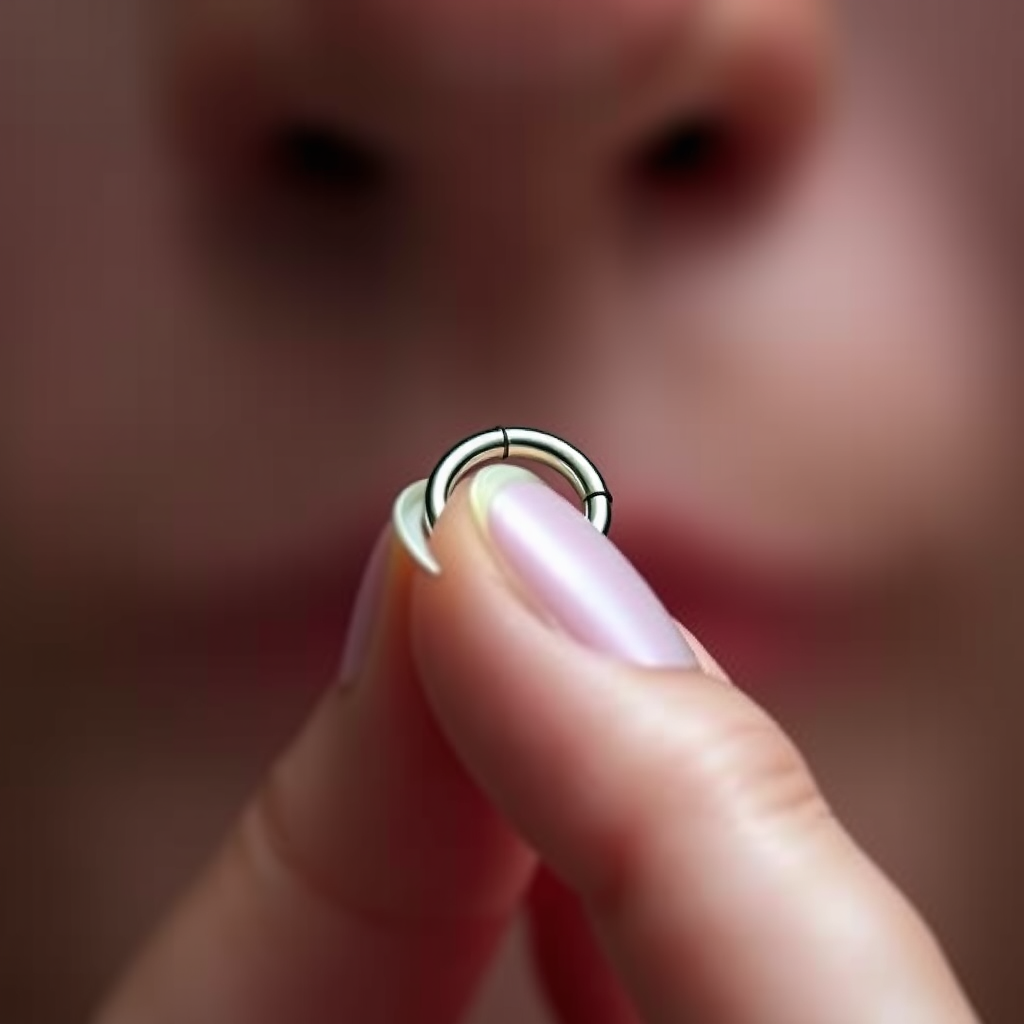
Corkscrew nose rings feature a unique twisted design that secures the jewelry in place, making them a popular choice among nose piercings. Their spiral shape allows for a snug fit, ensuring that the ring remains in place without the need for additional closures. Before attempting to change your corkscrew nose ring, it’s essential to familiarize yourself with the anatomy of your piercing. This includes knowing the angle and depth of the hole to ensure a smooth insertion of the new jewelry. Proper understanding will help you navigate the process with confidence and minimize the risk of injury or irritation.
Gather Your Supplies
Before beginning the process, it is crucial to gather all necessary supplies to ensure a hygienic and efficient change. First, have a clean pair of gloves on hand to prevent any bacteria from coming into contact with your piercing. Additionally, a saline solution or antiseptic should be prepared to clean both your nose and the jewelry. This step is vital for preventing infections and promoting healing. You may also want to have a pair of tweezers or a cotton swab handy, as these tools can assist in manipulating the jewelry without direct contact. Having everything ready will streamline the process and make it more comfortable for you.
Removing the Corkscrew Nose Ring
To remove your corkscrew nose ring, start by gently holding the base of the ring with one hand. This grip ensures you have control over the jewelry while minimizing movement in the piercing. With your other hand, rotate the corkscrew end counterclockwise to loosen it. This action helps to disengage the twisted design from your nose without causing unnecessary stress to the piercing. Once you feel the ring loosen, carefully pull it out while maintaining a steady grip on the base. Take your time during this step; rushing can lead to irritation or injury. If you experience any resistance, stop and check for any signs of swelling or discomfort before proceeding.
Inserting the New Corkscrew Nose Ring
After successfully removing your old corkscrew nose ring, it’s time to insert the new one. Begin by aligning the new ring with your piercing hole, ensuring that the corkscrew end is positioned correctly. Gently twist and push the corkscrew end into the piercing, following the natural curve of the jewelry to minimize discomfort. It’s important to be patient during this step; forcing the ring can cause pain or damage to the piercing. If you encounter difficulty, consider using a lubricant such as water or saline to ease the process. This will help the jewelry slide into place more smoothly, reducing any potential friction.
Securing the Corkscrew Nose Ring
Once the new corkscrew nose ring is in place, it’s essential to secure it correctly. Gently twist the ring to ensure it is snug against your nose, but be cautious not to overtighten it. An overly tight fit can lead to discomfort, swelling, or even damage to the tissue surrounding the piercing. After securing the ring, take a moment to check for any discomfort or signs of irritation. The jewelry should feel secure without causing pain; if you experience any issues, don’t hesitate to readjust or consult a professional piercer for assistance.
Aftercare for Your Nose Piercing
After changing your corkscrew nose ring, proper aftercare is vital to ensure the health of your piercing. Clean the area regularly with a saline solution to prevent infection and promote healing. This can be done by soaking a cotton ball or swab in saline and gently applying it to the area around your piercing. Avoid touching or changing your nose ring frequently; this can introduce bacteria and disrupt the healing process. Additionally, refrain from swimming in pools or hot tubs until your piercing is fully healed, as these environments can harbor bacteria that may lead to infection.
Troubleshooting Common Issues
Even with careful handling, you may encounter some common issues when changing your corkscrew nose ring. If you experience pain or discomfort, first check to ensure that the ring is not too tight against your skin. Adjust the fit as necessary, making sure it remains secure without causing irritation. If you have difficulty inserting the new ring, consider using a lubricant like water or saline, which can make the process easier. Should you encounter persistent issues, such as excessive swelling or pain, it is advisable to consult a professional piercer for guidance. They can provide expert advice and assistance, ensuring your piercing remains healthy.
By following these steps, you can successfully change your corkscrew nose ring with ease. Remember to prioritize hygiene and listen to your body throughout the process. Proper care and attention will not only enhance the longevity of your jewelry but also ensure a comfortable and enjoyable experience. If you have any concerns, don’t hesitate to consult a professional piercer for assistance. With the right approach, changing your corkscrew nose ring can be a quick and straightforward task.
Frequently Asked Questions
What is a corkscrew nose ring and how does it work?
A corkscrew nose ring is a type of piercing jewelry that features a twisted design resembling a corkscrew, allowing it to securely fit into the nostril. The corkscrew shape helps prevent the jewelry from falling out, making it an excellent choice for new piercings or for those who are active. To wear it correctly, the end of the corkscrew should be inserted into the piercing hole, and the spiral should rest snugly against the inside of the nostril.
How do I safely change a corkscrew nose ring?
To safely change a corkscrew nose ring, start by washing your hands thoroughly to prevent infection. Use clean, sterile tools, and gently twist the corkscrew out of your nose, being careful not to pull too hard. Once removed, you can insert the new corkscrew jewelry by gently guiding the end into the piercing and twisting it in place, ensuring that it feels secure and comfortable.
Why is it difficult to change my corkscrew nose ring?
Changing a corkscrew nose ring can be challenging due to its unique shape, which is designed to stay secure in the nostril. If you’ve recently had your piercing done, swelling or sensitivity may also make it tough to manipulate the jewelry. Additionally, if the jewelry is not well-lubricated or if the piercing has not fully healed, it can create friction and discomfort during the change.
What are the best materials for corkscrew nose rings?
The best materials for corkscrew nose rings include surgical stainless steel, titanium, and gold, as these options are hypoallergenic and less likely to irritate sensitive skin. Surgical stainless steel is durable and affordable, while titanium is lightweight and highly biocompatible, making it ideal for new piercings. Gold, specifically 14k or 18k, not only offers an elegant look but also minimizes allergic reactions.
Which size corkscrew nose ring should I choose for my piercing?
The size of the corkscrew nose ring you should choose depends on your nostril’s anatomy and the gauge of your piercing. Most nostril piercings are typically done with a gauge size of 20 to 18, so it’s important to select a corkscrew that matches this gauge for a proper fit. Additionally, consider the length of the post; too long can cause discomfort, while too short may not secure properly. It’s best to consult with your piercer for personalized recommendations based on your unique piercing.
References
- Nose piercing
- https://www.healthline.com/health/nose-piercing
- https://www.verywellhealth.com/nose-piercing-guide-5188948
- https://www.mayoclinic.org/healthy-lifestyle/adult-health/in-depth/piercings/art-20046030
- https://www.webmd.com/beauty/nose-piercing-guide
- https://www.ncbi.nlm.nih.gov/pmc/articles/PMC7481723/