Getting a nose ring is a straightforward process that requires careful consideration of jewelry options, selecting a qualified piercer, and adhering to aftercare protocols to ensure a successful healing journey. Whether you are new to body piercings or are adding to your collection, understanding the steps involved will help you make informed decisions and enjoy your new look with confidence.
Choosing the Right Type of Nose Ring

When selecting a nose ring, you have a variety of styles to choose from, including studs, hoops, and septum rings. Each type offers its unique aesthetic and can suit different personal styles.
– Studs are a popular choice for first-time piercings due to their simplicity and subtlety. They sit flat against the nostril, making them ideal for those who prefer a minimalist look.
– Hoops can range from small, delicate rings to larger, more statement-making pieces. They can be a fun option if you are looking to express your individuality and can add a touch of flair to your overall appearance.
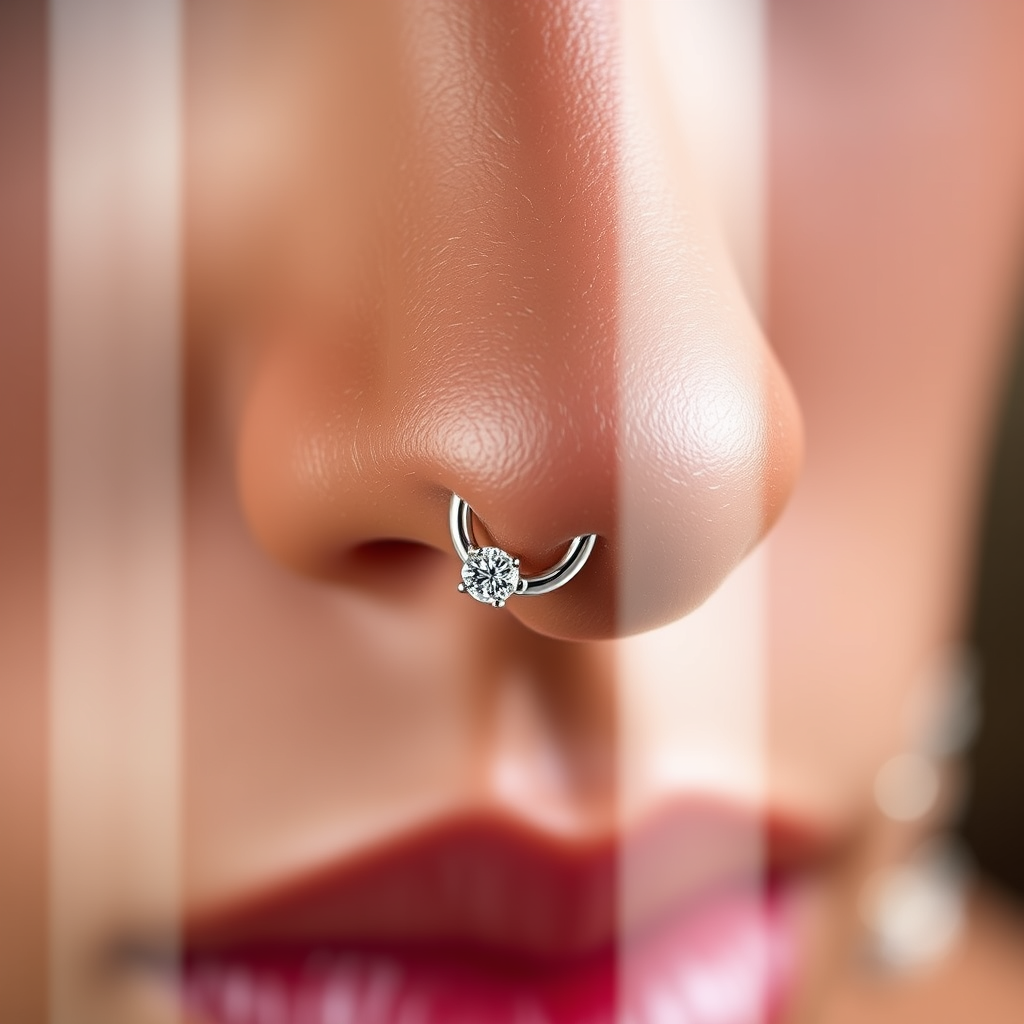
– Septum rings are worn through the thin piece of cartilage in the middle of the nose. This style has gained significant popularity in recent years and can be found in various designs, from simple circular rings to intricate, decorative pieces.
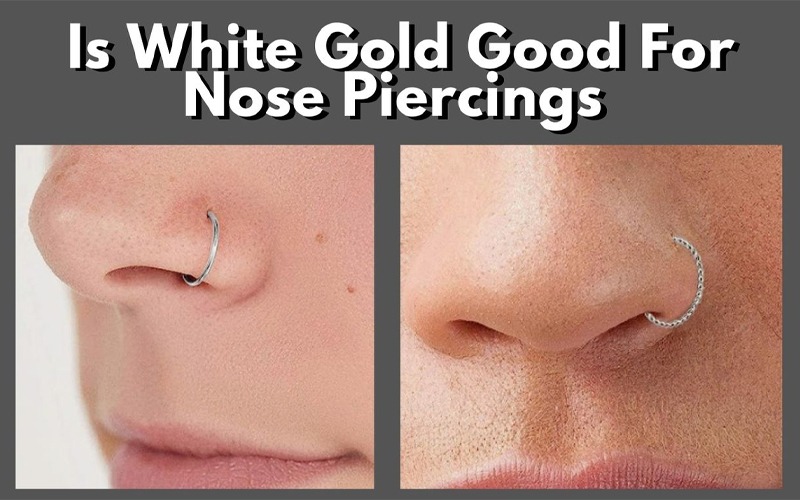
In addition to style, consider the size and material of the jewelry. Nose rings come in various gauges (thickness) and lengths, so it’s important to choose one that fits comfortably. Common materials include gold, silver, and surgical steel, as well as biocompatible options like titanium or niobium, which are ideal for those with sensitive skin. Choosing high-quality materials can reduce the risk of allergic reactions and irritation during the healing process.
Finding a Reputable Piercer

The next critical step is to find a reputable piercing studio. Research is essential; look for local piercing shops with positive reviews and high ratings on platforms such as Google, Yelp, or social media.
– Check Reviews and Ratings: Customer feedback can provide insight into the quality of service and cleanliness of the studio. Look for studios that have consistently positive reviews, particularly regarding their piercing techniques and aftercare services.
– Verify Credentials: Ensure that the piercer is certified and has experience in performing nose piercings. A professional piercer should be licensed and adhere to safety regulations. You can typically find this information on the studio’s website or by asking during your consultation.
Visiting the studio before your appointment can also help you assess the environment. A clean, welcoming space with friendly staff is a good indicator of a reputable establishment.
Preparing for Your Piercing Appointment
Preparation for your piercing appointment is crucial to ensure a smooth experience. Before your appointment:
– Discuss Your Preferences: Communicate with your piercer about your style preferences, any concerns, and questions you may have. This dialogue will help you and your piercer align on what to expect and ensure you feel comfortable with your choice.
– Understand the Procedure: Knowing what to expect during the piercing process can alleviate anxiety. Most piercers will explain the steps involved, including how they will clean the area, mark the spot for piercing, and use a sterilized needle to create the hole. Familiarizing yourself with the procedure can also help you feel more informed and in control.
The Piercing Process
The actual piercing process is relatively quick and typically involves the following steps:
1. Cleaning: The piercer will clean the area around your nostril with an antiseptic solution to minimize the risk of infection.
2. Marking: They will then mark the spot where the piercing will occur, giving you the opportunity to confirm that the placement is to your liking.
3. Piercing: Using a sterilized needle, the piercer will create a hole in the nostril. This step is generally painless, although you may feel a slight pinch or pressure.
The entire procedure usually takes no more than a few minutes, making it an efficient process. Once completed, the piercer will insert your chosen nose ring and provide you with aftercare instructions.
Aftercare Instructions
Proper aftercare is essential for a smooth healing process. Here are key aftercare instructions to follow:– Daily Care Routine: Clean your piercing with a saline solution at least twice a day to keep it free from bacteria. Avoid using alcohol or hydrogen peroxide, as these can irritate the skin and delay healing.
– Avoid Irritants: Be cautious with facial products, makeup, and hair products around the piercing site. It’s best to avoid touching or twisting the jewelry to prevent irritation and potential complications.
– Signs of Complications: Monitor your piercing for signs of infection, such as increased redness, swelling, pus, or severe pain. If you notice any of these symptoms, consult your piercer or a healthcare provider promptly.
Healing Timeline and Tips
The average healing time for a nostril piercing typically ranges from 4 to 6 months, although individual healing times may vary. To ensure a smooth healing process, consider the following tips:
– Avoid Changing Jewelry Too Soon: It’s important to keep the original jewelry in place for the full duration of the healing period. Changing jewelry too early can disrupt the healing process and lead to complications.
– Refrain from Swimming: Avoid swimming in pools, hot tubs, or natural bodies of water until your piercing has fully healed. These environments can introduce bacteria that may lead to infection.
Establishing a routine for cleaning and monitoring your piercing can significantly improve your healing experience.
Troubleshooting Common Issues
Despite your best efforts, you may encounter common issues during the healing process. Some potential complications include:
– Infections: If you suspect an infection, look for symptoms such as persistent redness, swelling, or discharge. It’s vital to seek help from your piercer or a healthcare provider if you experience these symptoms.
– Bumps: Keloids or hypertrophic scars can form around the piercing site. These bumps may not be harmful but can be unsightly. Consult with a professional if they become bothersome.
– Allergic Reactions: If you notice irritation or allergic reactions, it may be due to the material of the jewelry. Switching to a hypoallergenic metal may alleviate these symptoms.
Knowing when to consult a professional is crucial. If you have concerns about your piercing, don’t hesitate to reach out to your piercer for guidance or seek medical advice if necessary.
In summary, getting a nose ring involves several key steps: selecting the right jewelry, finding a qualified piercer, preparing for the appointment, understanding the piercing process, and following aftercare instructions. By adhering to these guidelines, you can enjoy your new piercing with confidence and ease. Always prioritize safety and professional advice throughout this process to ensure a successful and enjoyable experience.
Frequently Asked Questions
What are the different types of nose rings available?
There are several types of nose rings to choose from, including stud nose rings, hoop nose rings, and septum rings. Studs are typically simple and come in various styles, while hoops can range from small and subtle to large and ornate. Septum rings are designed to go through the cartilage in the septum of your nose. Each type offers unique aesthetics and may suit different preferences or occasions, so it’s essential to consider your personal style when selecting a nose ring.
How do I prepare for getting a nose ring?
Preparing for a nose ring involves several steps to ensure a safe and comfortable experience. Begin by researching reputable piercing studios and reading reviews to find a qualified piercer. It’s also advisable to avoid alcohol and blood thinners like aspirin a day before your appointment to minimize bleeding. Additionally, consider discussing any allergies or sensitivities with your piercer, and ensure you are well-hydrated and have eaten prior to your appointment for optimal comfort.
Why is aftercare important for a new nose piercing?
Aftercare is crucial for a new nose piercing because it helps prevent infections and promotes proper healing. Following your piercer’s aftercare instructions, which may include cleaning the piercing with saline solution and avoiding touching it with dirty hands, is essential. Neglecting aftercare can lead to complications such as irritation, swelling, or even the formation of keloids, which can affect the appearance and longevity of your piercing.
What materials are best for nose rings to avoid irritation?
The best materials for nose rings to avoid irritation include surgical stainless steel, titanium, and gold (14k or higher). Surgical stainless steel is hypoallergenic and widely used for initial piercings due to its durability. Titanium is another excellent choice for those with sensitive skin, while high-quality gold is not only aesthetically pleasing but also less likely to cause reactions. It’s advisable to avoid inexpensive metal or jewelry with nickel, as these can lead to allergic reactions and discomfort.
Which nose ring is best for a healing piercing?
The best nose ring for a healing piercing is typically a stud made from surgical stainless steel or titanium, as these materials are hypoallergenic and less likely to irritate the skin. A simple stud design minimizes movement and pressure on the piercing, allowing it to heal properly. Avoid wearing hoops initially, as they can catch on clothing or be bumped more easily, leading to complications during the healing process. Always consult with your piercer for their recommendations based on your individual situation.
References
- Nose piercing
- https://www.ncbi.nlm.nih.gov/pmc/articles/PMC6460957/
- https://www.healthline.com/health/nose-piercing-care
- https://www.mayoclinic.org/healthy-lifestyle/adult-health/in-depth/piercings/art-20045834
- https://www.webmd.com/beauty/nose-piercing-guide
- https://www.cdc.gov/nceh/hsb/chemicals/piercings.htm