Choosing the right gauge for a nose ring piercing is essential for both comfort and successful healing. The most common gauge used for nose piercings is 18 gauge (1.0 mm), but 20 gauge (0.8 mm) is also popular, particularly for individuals with more delicate anatomy or personal preferences. In this article, we will explore the different gauges available for nose rings, guide you on how to select the most appropriate one for your needs, and discuss the implications of your choice on your piercing experience.
Understanding Gauge Sizes
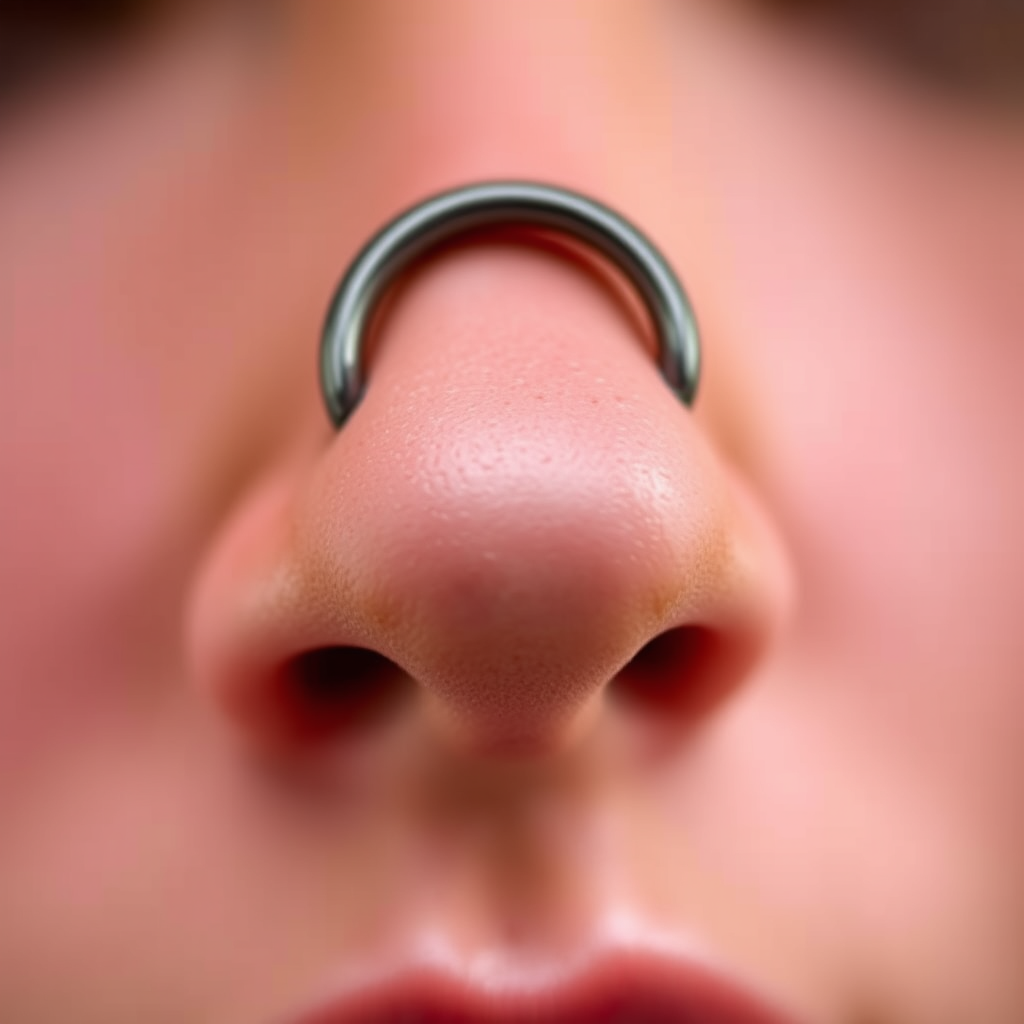
– 18 Gauge (1.0 mm): This is the standard and most widely accepted gauge for nose piercings. It offers a good balance between sturdiness and comfort, making it a preferred choice for many.
– 20 Gauge (0.8 mm): This gauge is slightly thinner and may be chosen for a more delicate look or for those with sensitive skin. It can also be a better option for initial piercings in individuals with narrower nasal anatomy.
In addition to these, 22 gauge (0.6 mm) is available for those looking for an even more delicate option. However, it is less common and typically recommended only for specific anatomical considerations. Understanding these gauge sizes is essential, as the choice you make can significantly affect your overall piercing experience.
Importance of Choosing the Right Gauge

Selecting the appropriate gauge for your nose ring is not just a matter of aesthetics; it has direct implications for the healing process and overall comfort.
– Healing Time: Thicker gauges, such as 18g, may take longer to heal due to the increased tissue trauma they can cause during the piercing process. Conversely, thinner gauges like 20g can often lead to a quicker healing experience, as they are less invasive.
– Risk of Complications: A properly sized gauge helps minimize the risk of irritation, infections, or migration of the jewelry. If the gauge is too thick for your anatomy, it can create unnecessary pressure on the surrounding tissue, leading to complications.
Choosing the right gauge is ultimately about ensuring a comfortable, healthy healing process that can set the foundation for years of successful jewelry wear.
Different Types of Nose Ring Materials
The material of your nose ring is just as important as the gauge you choose. Various materials offer different benefits and potential drawbacks during the healing process.
– Surgical Stainless Steel: This is one of the most common materials used for nose piercings due to its durability and resistance to corrosion. It’s generally well-tolerated by most individuals but may cause reactions in those with nickel sensitivities.
– Titanium: Considered the gold standard for piercing jewelry, titanium is lightweight, strong, and hypoallergenic, making it an excellent choice for those prone to allergic reactions.
– Gold: Solid gold, especially in higher karats (14k or 18k), is often favored for its aesthetic appeal. However, it can be more expensive and may contain other metals that could lead to an allergic reaction.
When selecting your nose ring material, prioritize hypoallergenic options to reduce the risk of irritation and ensure a more comfortable wearing experience.
Factors Influencing Gauge Choice
Several factors can influence your decision when selecting the appropriate gauge for your nose ring piercing.
– Personal Anatomy: The thickness of your nasal tissue and the overall size of your nostrils can significantly impact which gauge will work best for you. A professional piercer can assess your anatomy and recommend the most suitable gauge.
– Skin Type: Individuals with sensitive skin or a history of allergies may find thinner gauges, such as 20g, to be more comfortable. It’s essential to consider how your skin reacts to different materials and thicknesses.
– Lifestyle Considerations: Your daily activities and lifestyle can also play a role in your gauge choice. If you lead an active lifestyle or work in environments where your jewelry could be snagged, a thicker gauge may provide added security against dislodgment.
Consulting with a professional piercer is vital in assessing these factors, as their expertise can guide you toward the right decision for your unique needs.
Aftercare for Nose Piercing Gauges
Aftercare is crucial to prevent complications following your nose piercing, regardless of the gauge you choose. Following your piercer’s aftercare instructions can significantly enhance your healing experience.
– Cleaning: Regular cleaning with a saline solution or specialized piercing aftercare sprays is essential. This helps maintain hygiene and reduces the risk of infections. Avoid using alcohol or hydrogen peroxide, as these can irritate the piercing.
– Avoiding Touching: It is important to refrain from touching your piercing with unwashed hands to prevent introducing bacteria. Additionally, avoid changing your jewelry until the piercing has fully healed.
– Monitoring: Keep an eye on the piercing for any signs of infection, such as excessive redness or swelling. If you notice any concerning symptoms, consult your piercer or a healthcare professional immediately.
Proper aftercare will not only help you heal faster but also ensure that your piercing remains healthy in the long term.
Upgrading or Changing Gauge
If you are considering changing the gauge of your nose ring after the initial healing period, it is crucial to do so safely.
– Consult a Professional: Always consult with a professional piercer before making any changes to your gauge size. They can assess whether your piercing is ready for a gauge change and recommend the best course of action.
– Gradual Stretching: If you decide to move to a larger gauge, it is essential to stretch gradually. Abrupt changes can damage the tissue and lead to complications. A professional can help guide you through the stretching process to minimize the risk of injury.
Transitioning to a new gauge should be a deliberate process, ensuring that your nasal tissue remains healthy and intact throughout.
Choosing the right gauge for your nose ring piercing is a decision that impacts both your comfort and the healing process. By understanding gauge sizes, the importance of selecting the right material, and the factors influencing your choice, you can make an informed decision that suits your individual needs. Always prioritize aftercare and consult with a professional piercer to ensure a successful and enjoyable piercing journey.
Frequently Asked Questions
What gauge nose ring is typically used for piercings?
The most common gauge for nose piercings is 18 gauge (1.0mm), which strikes a balance between comfort and durability. Some piercers may also use 20 gauge (0.8mm) for a more delicate look, while 16 gauge (1.2mm) is sometimes preferred for larger or more decorative jewelry. It’s essential to consult with your piercer about the best gauge for your specific anatomy and jewelry preferences.
How do I choose the right gauge for my nose ring?
Choosing the right gauge for your nose ring depends on factors such as your personal style, the type of piercing, and the healing process. If you’re getting a new piercing, an 18 gauge is often recommended because it allows for easy insertion and healing. However, if you have an existing piercing and want to switch jewelry, you may consider the gauge of your current jewelry to avoid irritation and ensure a comfortable fit.
Why is the gauge size important for nose rings?
The gauge size of a nose ring is crucial because it affects both the comfort of wearing the jewelry and the healing process of the piercing. A gauge that is too thick may cause discomfort and irritation, while one that is too thin might not stay securely in place. Selecting the appropriate gauge size helps minimize the risk of complications such as infections or migration, ensuring a smooth healing experience.
What is the best material for nose rings at different gauges?
The best materials for nose rings, regardless of gauge, include surgical stainless steel, titanium, and 14k or 18k gold, as these are hypoallergenic and safe for most skin types. For newly pierced noses, titanium is often recommended due to its lightweight properties and resistance to corrosion. Additionally, if you have sensitive skin or a history of allergies, opting for implant-grade materials can help prevent adverse reactions.
Which gauge nose ring should I get for a septum piercing?
For septum piercings, the most commonly used gauge is 16 gauge (1.2mm), although some individuals prefer 14 gauge (1.6mm) for a thicker look. It’s essential to consult with your piercer to determine the best gauge based on your anatomy and personal style. A proper gauge ensures that the jewelry fits well, minimizes discomfort, and allows for easy healing after the procedure.
References
- Nose piercing
- https://www.ncbi.nlm.nih.gov/pmc/articles/PMC6677797/
- https://www.aafp.org/pubs/afp/issues/2013/0715/p115.html
- https://www.healthline.com/health/nose-piercing
- https://www.webmd.com/beauty/body-piercing-nose#1
- https://www.verywellhealth.com/nose-piercing-5116431