While a nose ring can indeed be too small, the perfect size largely depends on personal preference and facial anatomy. A nose ring that feels snug might cause discomfort or irritation, making it crucial to understand the implications of size before making a purchase. In this article, we’ll delve into the factors that influence whether a nose ring is too small, offer guidance on how to choose the right size, and provide tips for adjusting to your new jewelry.
Factors Influencing Nose Ring Size

The size of a nose ring is influenced by several factors, primarily the unique shapes and sizes of individual noses and personal style preferences. Human noses come in a variety of forms—some are wider, while others may be more narrow or angular. This variance means that what fits perfectly for one person may be uncomfortable for another.
When considering size, take into account the dimensions of your nostril. A ring that is too small may not only look out of place but can also lead to irritation as it presses against the sensitive skin inside the nostril. Conversely, some individuals may prefer a snug fit for aesthetic reasons or to ensure the ring stays in place.
Additionally, personal style plays a significant role in determining the ideal size. Some people favor minimalist jewelry, opting for smaller studs that sit close to the nostril, while others may prefer larger hoops that draw attention. Ultimately, the perfect size is a balance of comfort, anatomy, and personal expression.
Signs Your Nose Ring May Be Too Small
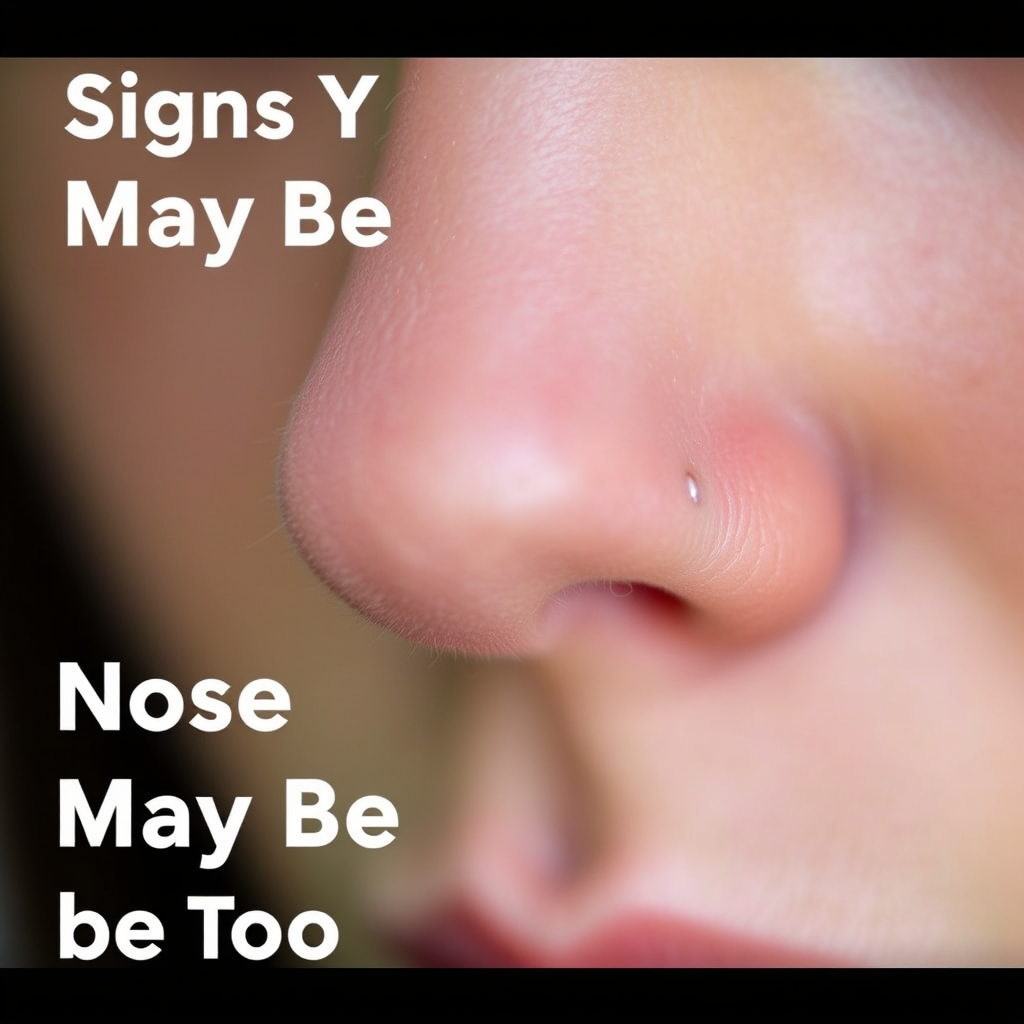
Identifying signs that your nose ring may be too small is vital for maintaining comfort and skin health. One of the most apparent indicators is discomfort or pain during wear. If you find yourself frequently adjusting the ring or experiencing soreness around the piercing, it may signify that the ring is too snug.
Another clear sign is difficulty inserting or removing the ring. A properly sized nose ring should slide in and out with relative ease. If you experience resistance or if the ring feels like it is pinching the skin, it is likely time to reassess the size. Furthermore, if you notice swelling or redness around the piercing, it’s essential to address the situation promptly to avoid infection or prolonged irritation.
Choosing the Right Size Nose Ring
Choosing the right size nose ring is crucial for both comfort and aesthetic appeal. A great way to start is by using a sizing guide or consulting a professional piercer who can provide accurate measurements. Professional piercers typically have the experience necessary to determine the best size based on your unique anatomy.
When selecting a nose ring, also consider the thickness of the material. Thicker rings may feel tighter even if they are the correct diameter. A standard nose ring typically ranges from 20 to 18 gauge, but individual comfort levels can vary. It’s also important to consider the length of the post for studs; if it’s too short, it may sit too tightly against the nostril.
Moreover, if you’re transitioning from one style of nose ring to another—say from a stud to a hoop—be mindful of how the sizing may differ. Each type of nose jewelry can have its own unique sizing specifications, so understanding those differences can help you make an informed choice.
Types of Nose Rings and Their Sizes
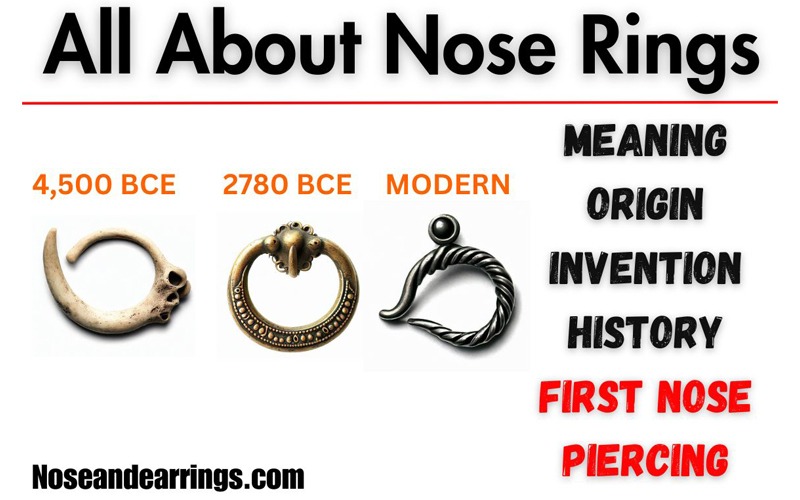
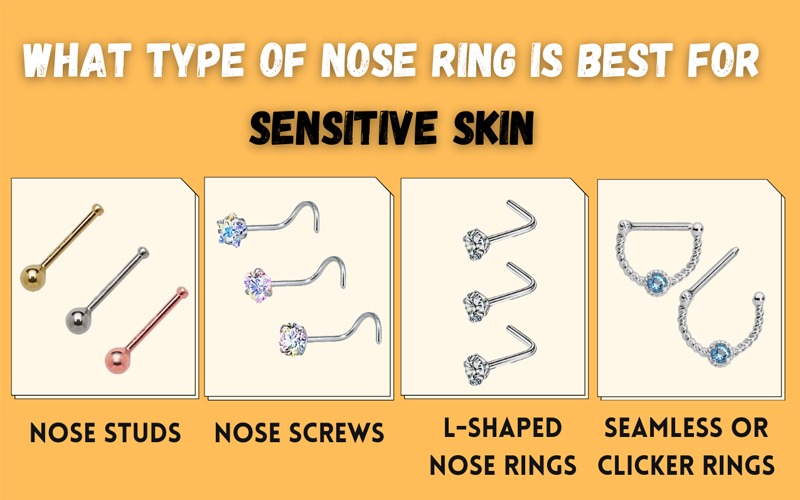
Nose rings come in various types, each with its own sizing standards and styles. The most common types include studs, hoops, and septum rings, and each serves a different aesthetic purpose.
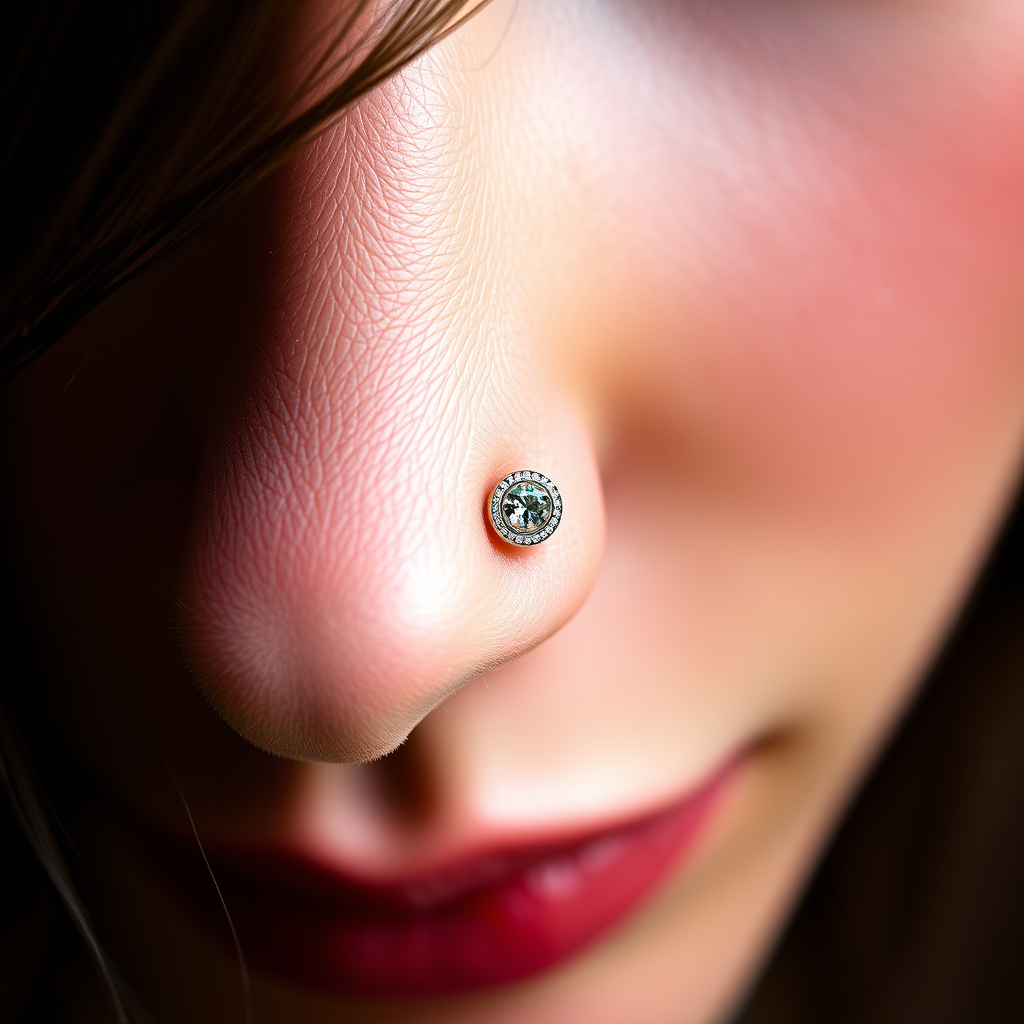
– Studs: Typically, nose studs have a small post that fits through the piercing and a decorative end that sits on the outside. The sizing can vary, with a common post length of 6mm to 8mm. If the post is too short, it may cause discomfort or irritation.
– Hoops: Nose hoops can range from small, tight-fitting rings to larger, more dramatic styles. They are often measured in diameter, and it is important to ensure that the hoop is not too tight against the nostril but also not so loose that it risks falling out.
– Septum Rings: These rings are designed to go through the septum, the cartilage that separates the nostrils. They come in various thicknesses and diameters, so it’s crucial to select one that is both stylish and comfortable.
By understanding the differences in sizing across these types, you can make a more informed decision when selecting your nose jewelry.
Adjusting to a New Nose Ring Size
Transitioning to a new nose ring size requires patience and care, especially if you are switching styles or materials. Allowing time for healing is essential if you’ve chosen a different size, as your skin may need to adjust to the new fit.
During this adjustment period, consider using saline solutions to help with irritation. A simple saline solution can be made at home by mixing one teaspoon of non-iodized sea salt in a cup of warm distilled water. Gently rinsing your piercing with this solution can help reduce inflammation and promote healing.
Additionally, pay attention to how your body reacts to the new size. If you continue to experience discomfort, it may be worth re-evaluating the size or consulting a professional piercer for further advice. Remember, comfort should always be a priority when wearing body jewelry.
Frequently Asked Questions About Nose Ring Sizing
Many individuals have common concerns regarding nose ring sizing and care. One frequently asked question is about healing times. Typically, a nose piercing can take anywhere from 2 to 4 months to fully heal, but this can vary based on individual healing rates and the type of jewelry used.
Another common concern involves changing sizes. Some individuals fear they might not be able to switch to a different size after initial healing. However, as long as the piercing remains healthy, you can often change jewelry sizes without issue.
Myths about nose ring sizes often circulate, such as the belief that larger rings are always more comfortable. In reality, comfort is subjective and varies widely among individuals. The key takeaway is to find a size that fits well with your anatomy and lifestyle.
In summary, while a nose ring can indeed be too small, the best approach is to find a size that complements your individual anatomy and style preferences. If you’re experiencing discomfort or have questions about sizing, consult with a professional piercer to ensure your nose ring is just right. Take the time to explore your options and find the perfect fit for your nose!
Frequently Asked Questions
Can a nose ring be too small for my piercing?
Yes, a nose ring can be too small for your piercing. If the jewelry is too small, it may cause discomfort or irritation, leading to potential complications such as inflammation or infection. It’s important to choose a nose ring that fits comfortably and allows for slight movement without causing pressure on the piercing site.
How do I know if my nose ring is the right size?
To determine if your nose ring is the right size, check for a snug yet comfortable fit that sits securely in the piercing without pinching or pulling on the skin. The ring should not move excessively, but it should also not feel overly tight. If you experience redness, swelling, or pain, it may indicate that the ring is too small.
Why is it important to choose the right size for a nose ring?
Selecting the right size for a nose ring is crucial for both comfort and health. An ill-fitting nose ring can lead to complications such as irritation, allergic reactions, or even migration of the piercing. Additionally, a properly sized nose ring enhances your overall look, allowing you to express your style without discomfort.
What are the best materials for a nose ring if I’m concerned about size?
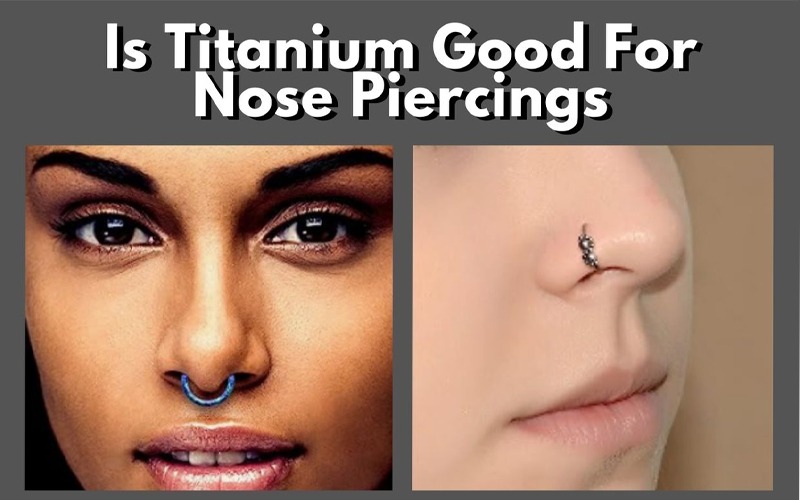
When considering size in relation to comfort, opt for materials like titanium, surgical stainless steel, or niobium, as these are hypoallergenic and less likely to irritate the skin. These materials can also be found in various sizes and styles, ensuring you can find the perfect fit without compromising on quality or comfort.
Which types of nose rings are best for smaller piercings?
For smaller piercings, consider using stud nose rings or delicate hoop styles that are designed to be lightweight and unobtrusive. Studs with a smaller gauge or thinner hoops will provide a subtle look while minimizing the risk of irritation. Always consult with your piercer to find the best style and size that suits your individual anatomy and aesthetic preferences.
References
- Nose piercing
- https://www.ncbi.nlm.nih.gov/pmc/articles/PMC5809770/
- https://www.healthline.com/health/nose-piercing-care
- https://www.verywellhealth.com/nose-piercing-5182353
- https://www.aafp.org/pubs/afp/issues/2018/0901/p331.html