If you’re considering putting a ring in your nose right after getting it pierced, the answer is generally no. It’s crucial to allow time for the piercing to heal properly before inserting jewelry. The healing process can be delicate, and changing jewelry too soon can lead to complications. In this article, we’ll explore the healing process, types of jewelry available, signs of infection to watch for, aftercare tips, alternatives to immediate jewelry changes, and when it is safe to switch to your desired ring.
Understanding the Healing Process

Healing time for nose piercings typically ranges from 2 to 6 months, depending on various factors such as individual healing rates, aftercare practices, and the specific location of the piercing. During the initial phase, expect some swelling and irritation, which are normal responses to the trauma caused by the piercing. This immediate reaction poses risks if you attempt to change jewelry prematurely, as it can lead to increased irritation, migration of the piercing, or even closure of the hole.
During the healing process, it is essential to be patient and allow your body the necessary time to recover. Keeping the piercing clean and free from irritants will facilitate healing. The tissue around a new piercing is particularly sensitive, and any disturbance can exacerbate discomfort or prolong the healing period. Thus, it’s advisable to avoid any changes until the piercing is fully healed.
Types of Nose Jewelry

When it comes to nose jewelry, various materials are available, each with its own set of advantages and disadvantages, especially for individuals with sensitive skin. Common materials include surgical steel, titanium, and gold.
1. Surgical Steel: This is a popular choice for initial piercings due to its durability and resistance to tarnishing. It is also relatively affordable. However, some individuals may experience allergic reactions to nickel, which is often present in lower-quality surgical steel.
2. Titanium: An excellent option for sensitive skin, titanium is hypoallergenic and less likely to cause irritation. It is also lightweight and available in various colors and finishes. However, it can be more expensive than surgical steel.
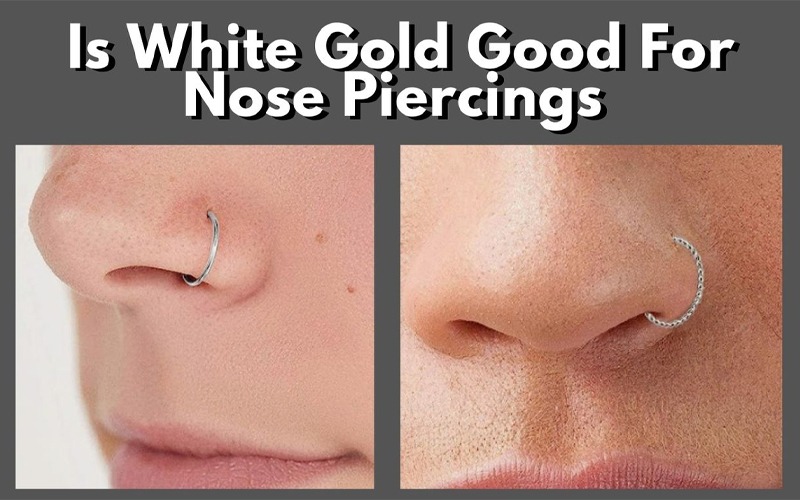
3. Gold: Solid gold (14k or higher) is a luxurious choice that is also less likely to cause skin reactions. It is a non-reactive metal, making it suitable for those with metal sensitivities. However, gold can be more susceptible to scratches and dents, and it is typically the most expensive option.
When selecting jewelry for your nose piercing, consider your skin type and any known allergies. Always opt for high-quality materials to minimize the risk of adverse reactions during the healing phase.
Signs of Infection to Watch For
During the healing process, it’s vital to remain vigilant for signs of infection. Common indicators include:
– Redness: While some redness is expected immediately after piercing, persistent or increasing redness around the piercing site can signal infection.
– Swelling: Swelling should gradually decrease over time. If swelling persists or worsens, it may be a cause for concern.
– Discharge: A small amount of clear or light yellow discharge is normal, but if it becomes thick, green, or foul-smelling, it could indicate an infection.
If you experience any of these symptoms, it is crucial to seek professional help. Early intervention can prevent the infection from worsening and may save the piercing.
Aftercare Tips for New Nose Piercings
Proper aftercare is essential for ensuring a smooth healing process. Here are some effective aftercare tips:
– Clean the Area Regularly: Use a saline solution or a gentle antiseptic to clean the piercing daily. This helps remove bacteria and promotes healing. Avoid using alcohol or hydrogen peroxide, as these can irritate the skin.
– Avoid Touching the Piercing: Limit contact with the piercing, as touching can introduce bacteria and irritate the healing tissue. If you must touch it, ensure your hands are clean.
– Do Not Change Jewelry Too Soon: It’s crucial to refrain from changing the jewelry until the piercing is fully healed to prevent irritation and complications.
– Watch Your Lifestyle Choices: Avoid swimming in pools, hot tubs, or natural bodies of water during the initial healing phase, as these environments can harbor bacteria that lead to infections.
By adhering to these aftercare practices, you can significantly reduce the risk of complications and facilitate a smoother healing process.
Alternatives to Changing Jewelry Immediately
If you find yourself wanting to change your nose ring immediately for aesthetic reasons, consider non-metal options like bioflex or glass.
– Bioflex: This flexible, biocompatible material is an excellent alternative for those with metal sensitivities. Bioflex can be shaped to fit comfortably and is less likely to irritate the skin during the healing process.
– Glass: Non-metal glass jewelry can also be an attractive choice, as it does not cause allergic reactions. However, be mindful that glass can be fragile and may break if not handled carefully.
Temporary jewelry options allow you to maintain your personal style while ensuring the safety and health of your piercing. Always consult with a professional piercer before making any changes to ensure that it’s appropriate for your specific healing stage.
When Is It Safe to Change Your Ring?
Knowing when it is safe to change your nose ring is critical for preserving the integrity of your piercing. Generally, it is advisable to wait at least 2 to 3 months before considering a change, but the optimal timing can vary based on individual healing rates.
Consulting with a professional piercer is vital before making changes. They can assess the condition of your piercing and provide personalized advice. Additionally, if you experience any complications or uncertainties, seeking professional guidance will help you make informed decisions moving forward.
In summary, the importance of proper healing and care cannot be overstated when it comes to nose piercings. Always consult with a professional piercer and follow aftercare instructions to ensure a smooth healing process. If you’re unsure about your piercing or have any concerns, don’t hesitate to reach out to a qualified piercer for guidance. By prioritizing healing and taking appropriate measures, you can enjoy your new nose piercing for years to come.
Frequently Asked Questions
Can I put a ring in my nose right after piercing?
It is not recommended to put a ring in your nose immediately after piercing. Most professional piercers suggest waiting at least 6-8 weeks before changing the jewelry to allow the piercing to heal properly. Inserting a ring too soon can irritate the piercing, increase the risk of infection, and prolong the healing process.
What type of jewelry is best for a new nose piercing?
For a new nose piercing, it’s best to use jewelry made from hypoallergenic materials such as titanium, surgical stainless steel, or gold. These materials minimize the risk of allergic reactions and irritation. Initially, a stud is usually recommended over a ring since it stays in place more securely and reduces movement, which can disrupt the healing process.
How long should I wait before changing my nose ring?
It is advisable to wait at least 6-8 weeks before changing your nose ring after the initial piercing. Healing times can vary based on individual factors such as skin type, aftercare, and the location of the piercing. Always consult with your professional piercer for personalized advice and to ensure the piercing is fully healed before considering any changes.
Why is it important not to change my nose jewelry too soon?
Changing your nose jewelry too soon can lead to several complications, including increased risk of infection, irritation, and scarring. The piercing needs time to heal, and introducing new jewelry can disturb the healing tissue, possibly leading to pain or prolonged healing. Proper aftercare and patience are crucial in ensuring a healthy and successful healing process.
Which signs indicate that my nose piercing is ready for a ring?
Your nose piercing may be ready for a ring when you notice that there is no redness, swelling, or discharge, and the area feels comfortable without pain. Additionally, if the piercing has been consistently clean and you have followed proper aftercare, it’s a good indicator that it may be healed. Always consult with a professional piercer before making any changes to ensure the best outcome for your piercing.
References
- https://www.ncbi.nlm.nih.gov/pmc/articles/PMC7503665/
- https://www.healthline.com/health/body-piercing
- Nonprescription laxatives for constipation: Use with caution – Mayo Clinic
- https://www.webmd.com/beauty/piercing-guide
- https://www.verywellhealth.com/nose-piercing-care-5182078