Getting a CT scan with a nose ring is generally not a problem, as most imaging centers allow patients to keep their piercings in place during the procedure. However, there are important considerations regarding safety and imaging quality that should be taken into account. In this article, we will explore the protocols surrounding CT scans and body piercings, ensuring you are well-informed before your appointment.
Understanding CT Scans and Metal Objects

CT scans, or computed tomography scans, utilize X-ray technology to produce detailed images of the body’s internal structures. The process involves taking multiple X-ray images from different angles and using computer algorithms to create cross-sectional views, which can help diagnose various medical conditions. While CT scans are incredibly useful for visualizing soft tissues, organs, and bones, the presence of metal objects, including body piercings, can potentially interfere with image quality.
Metal can create artifacts—unwanted distortions on the images—that may obscure critical details. However, not all metals have the same effect. Common materials used in body jewelry, such as titanium and surgical steel, are less likely to cause significant interference compared to ferromagnetic metals. Understanding the type of metal in your nose ring can help inform whether it is safe to keep it during the CT scan.
Safety Considerations for Nose Rings

When it comes to safety, most nose rings are constructed from materials that do not pose a significant risk during scanning. For instance, titanium is non-ferromagnetic and typically does not affect the imaging process. Additionally, many imaging facilities are equipped with advanced technology to minimize the impact of metal on image quality.
However, some medical centers may recommend removing jewelry to avoid any unnecessary issues, particularly if the CT scan is focused on areas near the nose or head. It is essential to consider the specific protocols of the imaging center where you will have the scan, as policies may vary.
When to Remove Your Nose Ring
While most patients can safely undergo a CT scan with a nose ring, certain situations warrant removal of the jewelry. If your nose ring is particularly large, made from magnetic materials, or embellished with intricate designs, it is advisable to consult with your healthcare provider or the imaging center about specific guidelines.
For instance, nose rings made from nickel or other ferromagnetic materials may pose a risk, especially if the CT scan involves areas close to the head or neck. Large jewelry pieces could obscure critical anatomical structures, leading to suboptimal imaging results. Always err on the side of caution and seek professional advice when in doubt.
Tips for Preparing for Your CT Scan
Preparation for a CT scan is vital to ensure a smooth process. One of the first steps is to inform the radiology staff about your nose ring and any other body piercings you may have. This communication allows the staff to assess whether your jewelry could interfere with the scan and to provide you with specific instructions.
Additionally, follow any pre-scan instructions provided by your medical team. This may include fasting for a certain period before the procedure or avoiding specific medications. Being well-prepared not only enhances your safety but also ensures high-quality imaging results.
Alternatives if You Need to Remove Your Nose Ring
If you find it necessary to remove your nose ring for the CT scan, consider using a retainer or a clear, non-metal option that allows you to keep the piercing open. Retainers can be made from materials such as medical-grade silicone or plastic, which are less likely to cause irritation and can be worn during medical procedures.
Check with your professional piercer for recommendations on safe substitutes during the procedure. They can provide guidance on materials that are suitable for use in a medical setting, ensuring that your piercing remains open and free from complications.
What to Expect During the CT Scan
The CT scanning process itself is quick, typically taking only a few minutes. Once you arrive at the imaging center, you will be asked to change into a hospital gown and lie on a movable table that slides into the CT scanner. The machine will rotate around you, capturing images from various angles.
During the scan, it is crucial to remain still to ensure the best quality images. You may hear a whirring noise as the machine operates, but the procedure is painless. In some cases, a contrast dye may be administered to enhance the visibility of certain structures, which will be discussed with you prior to the scan.
Post-Scan Care and Considerations
After the CT scan, you can usually put your nose ring back in immediately unless instructed otherwise by the medical staff. It is a good practice to monitor the piercing for any signs of irritation or infection after the procedure, especially if it was removed temporarily.
If you experience any unusual symptoms, such as redness, swelling, or discharge, contact your healthcare provider for advice. Maintaining good hygiene during the post-scan period is essential to ensure the health of your piercing.
In summary, you can typically get a CT scan with a nose ring, but it is essential to communicate with the imaging staff regarding your piercing. Understanding safety protocols and preparing accordingly will help ensure a smooth scanning experience. If you’re unsure about any aspect of the procedure, don’t hesitate to reach out to your healthcare provider for personalized advice.
Frequently Asked Questions
Can you get a CT scan with a nose ring?
Yes, you can typically get a CT scan with a nose ring; however, it is advisable to inform the imaging technician about your jewelry. While most CT scans can accommodate small metal objects, certain types of metal can interfere with image quality. Your technician may recommend removing the nose ring before the scan to ensure the best clarity of the images.
Why do I need to remove metal jewelry before a CT scan?
Removing metal jewelry, including a nose ring, before a CT scan is crucial because metals can cause artifacts in the imaging. These artifacts can obscure the view of internal structures, leading to less accurate results. Therefore, for the most effective imaging, it is often recommended to remove any non-essential metal items prior to the procedure.
What should I do if I cannot remove my nose ring before a CT scan?
If you are unable to remove your nose ring before your CT scan, inform the medical staff about your situation. They may have specific protocols for patients with piercings and can advise you on the best course of action. In some cases, they might proceed with the scan and assess if the jewelry affects the imaging quality, or they may suggest rescheduling after the jewelry is removed.
Are there any specific types of nose rings that are safer for CT scans?
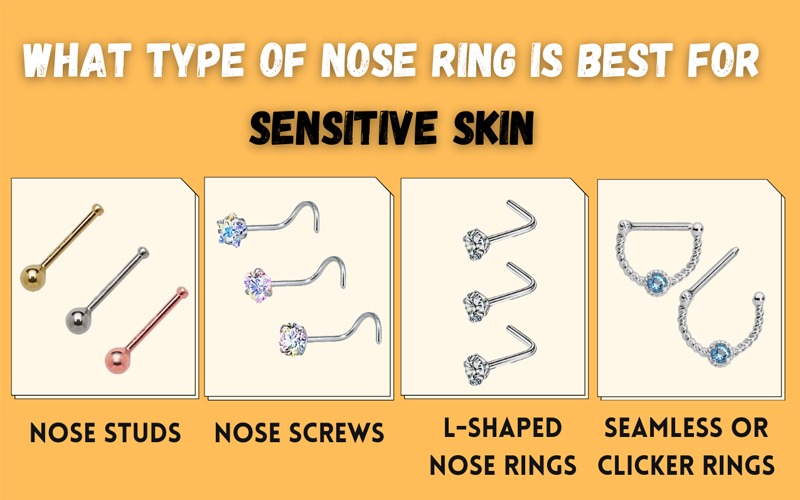
Generally, nose rings made from non-metal materials, such as plastic or silicone, are safer options for CT scans. If you have a metal nose ring, opting for one made from materials like titanium or surgical stainless steel may minimize interference with imaging. Always consult with your healthcare provider or radiology staff about the best type of jewelry to wear during a CT scan.
How can I prepare for a CT scan if I have facial piercings?
To prepare for a CT scan with facial piercings, it is best to plan ahead. Remove any removable jewelry, including nose rings, prior to your appointment. If you have permanent piercings and are unsure about their impact on the scan, contact the imaging facility beforehand for guidance. This proactive approach helps ensure that your CT scan results are accurate and reliable.
References
- https://www.ncbi.nlm.nih.gov/pmc/articles/PMC4671196/
- Pediatric CT
- https://www.mayoclinic.org/tests-procedures/ct-scan/about/pac-20387267
- CT Scans: Overview, Uses, Procedure, Risks, More
- https://www.verywellhealth.com/ct-scan-1735963
- https://www.cancer.gov/about-cancer/diagnosis-staging/imaging/ct-scan
- https://www.hopkinsmedicine.org/health/treatment-tests-and-therapies/ct-scan
- https://www.uhhospitals.org/health-info/health-library/article/health-library/ct-scan-what-to-expect-2017-08-25