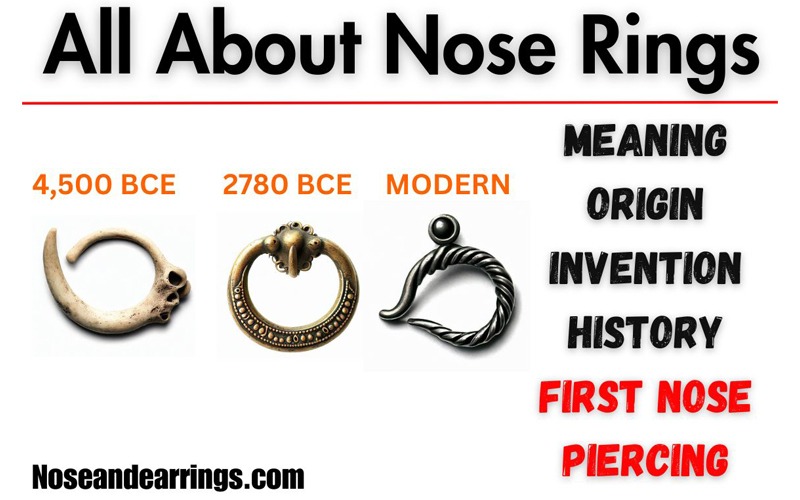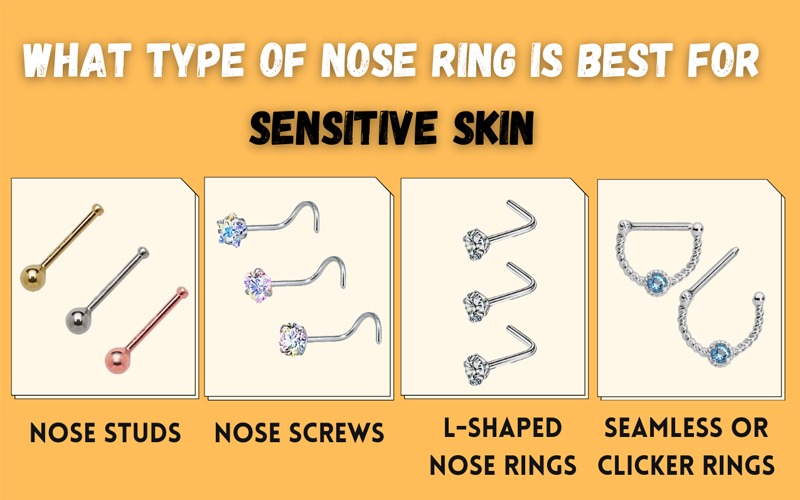
Cleaning your nose ring with peroxide is generally not recommended, as it can be too harsh and may irritate the piercing. This is primarily due to the fact that hydrogen peroxide can disrupt the healing process by killing healthy cells around the piercing site. Instead, there are safer alternatives that effectively clean your jewelry without risking irritation or prolonging healing. In this article, we’ll explore the best practices for cleaning your nose ring and discuss why using peroxide might not be the best choice.
Why Avoid Peroxide for Cleaning Nose Rings?
Hydrogen peroxide, while often touted as a disinfectant, has properties that can be detrimental to healing piercings. One of the primary reasons to avoid using peroxide is that it can kill not only harmful bacteria but also healthy cells essential for the healing process. This cellular damage can lead to delayed healing and increase the risk of complications, such as scarring or infection.
Furthermore, peroxide can cause irritation and dryness around the piercing site, leading to discomfort and potential inflammation. Skin around piercings is sensitive, and harsh chemicals can exacerbate this sensitivity, resulting in an adverse reaction. For these reasons, it’s advisable to consider gentler cleaning methods that will not compromise the integrity of your piercing.
Recommended Cleaning Solutions
When it comes to cleaning your nose ring, opting for gentler solutions can promote healing and maintain hygiene. Here are two highly recommended alternatives:
– Saline Solution: A saline solution is one of the best options for cleaning piercings. It consists of salt dissolved in distilled water, and it promotes healing by keeping the area hydrated while also helping to flush out any potential irritants. You can either purchase a pre-made saline solution from a pharmacy or create your own by mixing one-fourth teaspoon of non-iodized sea salt in eight ounces of distilled water. Apply this solution with a clean cotton ball or swab.
– Mild Soap and Water: Using a mild, fragrance-free soap mixed with warm water is another effective way to keep your nose ring clean. This method is particularly useful for daily cleaning. Simply lather the soap in your hands, gently clean the area around the piercing with your fingers, and rinse thoroughly with clean, warm water to remove any soap residue. Avoid any soaps with alcohol or fragrances, as these can irritate the skin.
Proper Cleaning Techniques
When cleaning your nose ring, the technique you employ is just as important as the cleaning solution you choose. Here are some proper cleaning techniques to ensure you do not cause further irritation:
– Application: Use a cotton swab or soft cloth to gently apply the cleaning solution. This approach minimizes direct contact with the piercing and reduces the risk of irritation. Ensure that the cotton swab or cloth is clean before use to avoid introducing bacteria.
– Gentle Handling: Avoid twisting or pulling the ring during cleaning. While it may be tempting to move the jewelry to ensure thorough cleaning, manipulating the ring can lead to irritation and even trauma to the piercing. Instead, focus on cleaning the area around the piercing gently without touching the jewelry itself.
Frequency of Cleaning Your Nose Ring
Maintaining a consistent cleaning routine is essential for the health of your nose ring. Here’s a guideline on how often you should clean your piercing:
– During the Healing Process: It is crucial to clean your nose ring daily while it is still healing. This period can range anywhere from a few weeks to several months, depending on individual healing rates and aftercare practices. Daily cleaning helps prevent the buildup of bacteria and promotes faster healing.
– After Healing: Once your nose ring has fully healed, you can reduce the frequency of cleaning to a few times a week. However, it is still important to maintain good hygiene practices to prevent any potential irritations or infections that could arise from everyday exposure to dirt and bacteria.
Signs of Infection to Watch For
It is vital to be vigilant for any signs of infection, especially during the healing process. Common symptoms include:
– Redness and Swelling: If the area around your nose ring becomes increasingly red or swollen, it could indicate an infection or irritation.
– Unusual Discharge: A small amount of clear or whitish discharge is normal, but yellow or green pus, particularly if accompanied by a foul odor, is a red flag that should not be ignored.
If you notice any of these symptoms, it is recommended to consult a professional piercer or a medical professional for proper evaluation and treatment. Prompt attention can prevent a minor issue from becoming a significant problem.
Aftercare Tips for Pierced Nose Rings
Proper aftercare is essential for ensuring your nose ring heals correctly and remains infection-free. Here are some essential aftercare tips:
– Avoid Touching: Resist the urge to touch your nose ring with dirty hands. This simple practice can significantly reduce the risk of introducing bacteria to the piercing site.
– Swimming Precautions: Avoid swimming in pools, hot tubs, or natural bodies of water until your piercing is fully healed. These environments can harbor bacteria that may lead to infections.
In addition to these tips, consider using a clean, breathable mask if you need to wear one, as masks can inadvertently irritate the piercing site.
Maintaining proper hygiene for your nose ring is essential for healing and overall health. If you’re considering cleaning options, stick to gentle methods like saline or mild soap. Always listen to your body and seek professional advice if you notice any signs of irritation or infection. By following these recommendations, you can ensure your nose ring remains a beautiful and healthy part of your appearance.
Frequently Asked Questions
Can you clean your nose ring with hydrogen peroxide?
While you can use hydrogen peroxide to clean your nose ring, it is generally not recommended. Hydrogen peroxide can be too harsh for fresh piercings and may cause irritation or dryness. Instead, opt for saline solution or a gentle, alcohol-free cleanser specifically designed for body piercings to maintain hygiene without damaging the skin.
What is the best way to clean a nose ring?
The best way to clean a nose ring is to use a saline solution or a non-alcoholic, gentle soap. First, wash your hands thoroughly to prevent introducing bacteria. Soak a clean cotton ball in the saline solution, gently clean the area around the piercing, and rinse with water. This method helps prevent infection and promotes healing while keeping your jewelry looking its best.
Why should you avoid using hydrogen peroxide on piercings?
Hydrogen peroxide can be detrimental to new piercings because it is a strong antiseptic that can kill both harmful and beneficial bacteria necessary for the healing process. It may also lead to dryness and irritation, which can delay healing and increase the risk of infection. Therefore, it’s advisable to use milder cleaning solutions that promote healing without disrupting the skin’s natural barrier.
How often should I clean my nose ring?
You should clean your nose ring at least once a day, especially during the healing period, which can last several weeks. Regular cleaning helps prevent infection and irritation. If you notice any signs of infection, such as increased redness or discharge, you may want to clean it more frequently and consult a professional piercer or a healthcare provider for advice.
Which cleaning products are safe for nose rings?
Safe cleaning products for nose rings include saline solutions, witch hazel, or specialized piercing aftercare solutions. Look for alcohol-free options, as alcohol can irritate the skin. Additionally, using a gentle, unscented soap can also be effective, but always ensure to rinse thoroughly to avoid residue buildup.
References
- https://www.ncbi.nlm.nih.gov/pmc/articles/PMC1634713/
- https://www.healthline.com/health/piercing-care
- https://www.webmd.com/beauty/piercing-care
- https://www.mayoclinic.org/healthy-lifestyle/adult-health/in-depth/piercings/art-20045362
- https://www.aad.org/public/cosmetic/tattoo-piercing/piercing-care