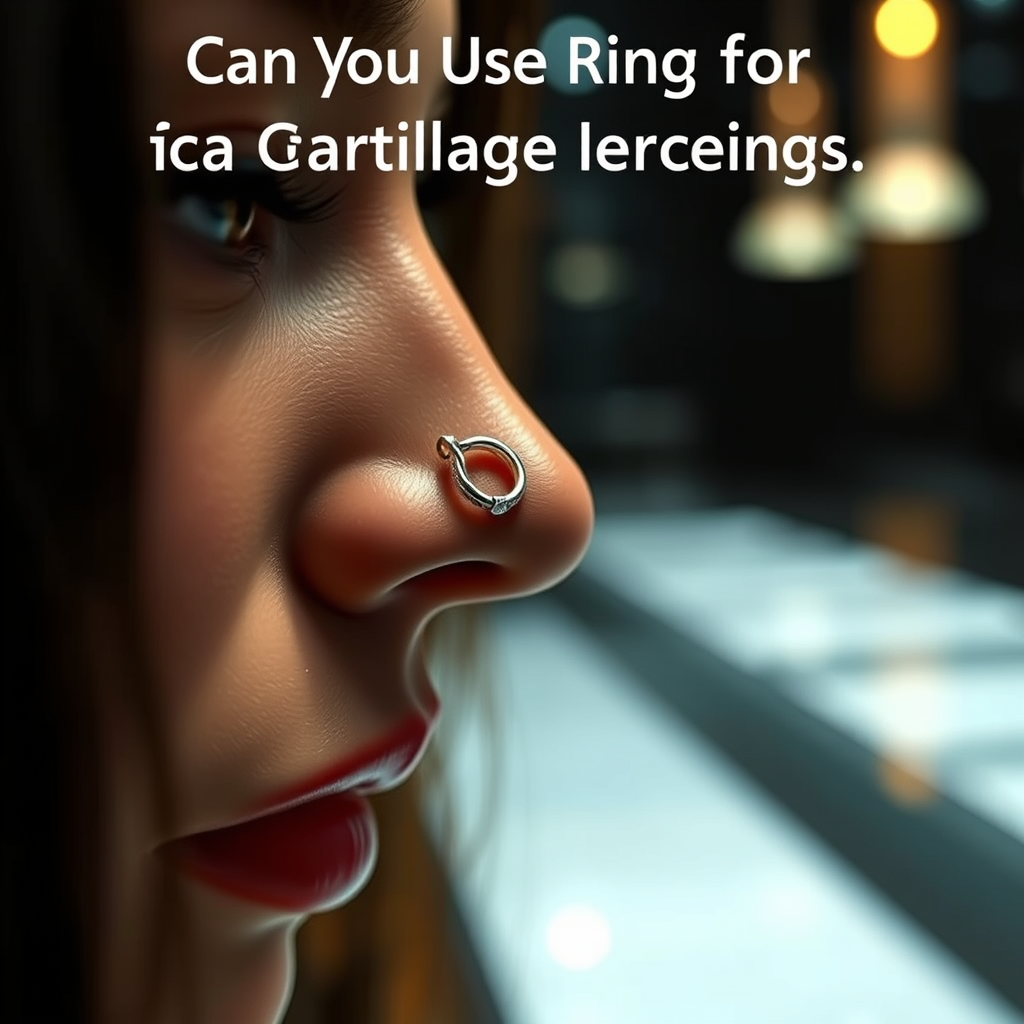
Using a nose ring for cartilage piercings is generally not recommended due to differences in design and fit. While certain styles of nose rings may occasionally be suitable, the risks associated with using inappropriate jewelry often outweigh the benefits. In this article, we’ll explore the compatibility of nose rings with cartilage piercings, the potential risks involved, and some suitable alternatives to help ensure a safe and comfortable piercing experience.
Understanding Cartilage Piercings

Cartilage piercings are distinct from standard lobe piercings, as they involve the thicker, firmer tissue in the ear. There are various types of cartilage piercings, each with unique characteristics. The helix piercing is located on the upper outer rim of the ear, while the tragus piercing goes through the small flap of cartilage that partially covers the ear canal. The conch piercing, on the other hand, is situated in the inner shell of the ear.
Healing times for cartilage piercings can vary, typically ranging from six months to a year, depending on the specific location and individual healing processes. Aftercare is crucial during this period, as cartilage piercings are more prone to complications than lobe piercings. Gentle cleaning with saline solution, avoiding touching the piercing with dirty hands, and refraining from sleeping on the side of the piercing are essential practices to promote healthy healing.
Nose Ring Design Variations

Nose rings come in several common styles, including hoops, studs, and septum rings, each designed specifically for the anatomy of the nose. Hoops are circular and can vary in thickness, while studs have a post and a decorative end. Septum rings are designed for a piercing through the nasal septum, creating a unique look.
The fit and comfort of these designs are critical when considering their use for cartilage piercings. For instance, hoops might not sit securely in a helix piercing, leading to discomfort and increased risk of movement or irritation. Studs, while often more secure, may still be too long or too short for the anatomy of the cartilage, affecting healing and overall comfort. Understanding these nuances is essential when selecting jewelry for cartilage piercings.
Compatibility Issues
Utilizing a nose ring in a cartilage piercing can present various compatibility issues. One of the primary concerns is the size and shape of the jewelry. Nose rings are often designed for the softer tissue of the nose, which can differ significantly from the firmer cartilage of the ear. This mismatch can lead to irritation, migration of the jewelry, or even rejection by the body.
Moreover, the weight and balance of the nose ring may not be appropriate for cartilage piercings, which can affect the alignment and integrity of the piercing over time. Incorrect jewelry can also exacerbate issues such as keloids or hypertrophic scars, which are common in cartilage piercings. For these reasons, it is advisable to avoid using nose rings for cartilage piercings.
Safe Alternatives to Nose Rings
For those considering cartilage piercings, opting for jewelry specifically designed for this purpose is crucial. Recommended types of jewelry include studs and captive bead rings, which offer a snug and secure fit that promotes proper healing. These jewelry types are less likely to shift or cause irritation, making them suitable for various cartilage piercings.
When selecting jewelry, it is essential to use body-safe materials. Titanium and surgical steel are excellent choices, as they are hypoallergenic and less likely to cause adverse reactions in sensitive skin. Avoiding jewelry made from nickel or other reactive materials can significantly reduce the risk of complications during the healing process.
Aftercare Tips for Cartilage Piercings
Proper aftercare is vital for ensuring a successful healing process for cartilage piercings. Essential practices include cleaning the area with a saline solution or a mild antiseptic recommended by a professional piercer. It’s best to clean the piercing at least twice daily, using a clean cotton swab or gauze to avoid introducing bacteria.
Avoiding unnecessary touching or twisting of the jewelry is also crucial, as this can disrupt the healing tissue. Additionally, wearing loose clothing to prevent friction against the piercing and ensuring a clean sleeping environment can further promote healing.
It is important to be vigilant for signs of complications, such as excessive redness, swelling, or discharge. If any of these symptoms occur, consulting a healthcare professional or a qualified piercer is advisable to address potential infections or other issues promptly.
Personal Experiences and Recommendations
There are numerous accounts of individuals experimenting with nose rings for cartilage piercings, with mixed outcomes. Some have reported successful experiences, while others experienced complications, such as irritation and prolonged healing times.
Experts generally recommend sticking to jewelry specifically designed for cartilage to avoid these pitfalls. Professional piercers emphasize that proper fitting, material choice, and aftercare are paramount for a successful piercing experience. Consulting with a professional piercer before making a jewelry choice can provide personalized insights tailored to your anatomy and piercing type.
Using a nose ring for cartilage piercings can lead to complications, and it’s essential to choose the right type of jewelry for optimal healing and comfort. Consider the specific design, material, and aftercare required for your piercing type. If you’re unsure, consult a professional piercer for personalized advice. Making informed choices will ultimately enhance your piercing experience and ensure lasting satisfaction.
Frequently Asked Questions
Can you use a nose ring for cartilage piercings?
Yes, you can use a nose ring for cartilage piercings, but it’s important to choose the right style and size. Nose rings, typically designed for nostril piercings, may not fit well in cartilage piercings due to their shape and thickness. If you decide to use a nose ring for cartilage, ensure that it has a secure closure and is made from body-safe materials like titanium or surgical steel to avoid irritation.
What types of jewelry are best for cartilage piercings?
The best types of jewelry for cartilage piercings include studs, hoops, and huggie earrings made from hypoallergenic materials. Surgical steel, titanium, and 14k gold are ideal choices as they minimize the risk of infections and allergic reactions. It’s crucial to choose jewelry with a smooth finish and appropriate gauge size to ensure comfort and proper healing of your cartilage piercing.
How do I care for a cartilage piercing if I use a nose ring?
Caring for a cartilage piercing with a nose ring involves keeping the area clean and avoiding unnecessary irritation. Clean the piercing twice a day with a saline solution or an antiseptic recommended by your piercer. Be cautious not to twist or pull on the jewelry, as cartilage piercings can be sensitive. If you notice any signs of infection, such as redness or swelling, consult a professional piercer or healthcare provider immediately.
Why is it not recommended to use a nose ring in a cartilage piercing?
Using a nose ring in a cartilage piercing is not typically recommended due to its design and potential for irritation. Nose rings are often thicker and may not align properly with the anatomy of the cartilage, leading to discomfort. Additionally, the movement and friction caused by the nose ring can delay the healing process and increase the risk of complications, such as infections or keloids.
Which styles of nose rings are suitable for cartilage piercings?
If you wish to use a nose ring for a cartilage piercing, opt for styles that are lightweight and have a smaller gauge, such as seamless hoops or minimalist studs. Look for designs that sit flush against the skin to reduce movement and irritation. Always consult with your piercer to ensure that the chosen style is appropriate for your specific cartilage location and healing needs.
References
- Nose piercing
- https://www.ncbi.nlm.nih.gov/pmc/articles/PMC6169934/
- https://www.healthline.com/health/nose-piercing
- https://www.verywellhealth.com/nose-piercing-5075165
- https://www.mayoclinic.org/tests-procedures/piercing/about/pac-20377471
- https://www.aad.org/public/diseases/a-z/piercing-infections
- Anatomy, Bony Pelvis and Lower Limb: Thigh Quadriceps Muscle – StatPearls – NCBI Bookshelf
- https://www.cdc.gov/niosh/topics/bodyart/piercing.html