If you’re struggling to get your nose ring in, don’t worry; this is a common issue many face. The key is to remain calm and follow a few simple steps, such as assessing the situation and employing effective techniques. In this article, we’ll explore the reasons why you might be having difficulty and offer practical solutions to help you successfully insert your nose ring.
Understanding the Problem

Common Causes
The difficulty in inserting a nose ring can stem from several factors. One of the most frequent issues is swelling, which can occur after the initial piercing or due to irritation from jewelry changes. Swelling can make the piercing hole smaller, making it challenging for the jewelry to fit. Another common cause is choosing the incorrect size of the nose ring; if the gauge is too thick or the length is unsuitable, it can lead to complications during insertion. Additionally, improper technique can contribute to the problem; lack of experience or unfamiliarity with the jewelry type can cause unnecessary frustration.
Initial Reactions
It’s also important to recognize that initial reactions such as anxiety or stress can exacerbate the situation. When you feel anxious about inserting your nose ring, you may become tense, which can make the process even more difficult. This tension can lead to clumsiness or hasty movements that may harm the piercing or injure yourself. Therefore, taking a moment to breathe and approach the task with a calm mindset can significantly improve your chances of success.
Preparing for Insertion

Choose the Right Environment
Creating a suitable environment for inserting your nose ring is crucial to success. Choose a well-lit area where you can see clearly, as good visibility is essential to navigate the piercing accurately. Additionally, ensure that the space is comfortable and free from distractions; this will help you maintain focus and reduce the likelihood of making mistakes during the process.
Gather Necessary Tools
Before attempting to insert your nose ring, gather all necessary tools to facilitate the process. A small mirror will allow you to see your nostril from different angles, making it easier to position the ring. Having saline solution or a water-based lubricant on hand can also be beneficial, as they can help ease the insertion and minimize discomfort. Being prepared will help streamline the process and reduce stress.
Techniques for Insertion
Gentle Pressure
When inserting your nose ring, it’s essential to apply gentle pressure rather than forcing it into place. Begin by positioning the ring at the entrance of the piercing hole and slowly pushing it in. If you encounter resistance, stop and reassess rather than pushing harder. Sometimes, just adjusting the angle slightly can make all the difference. Remember, the goal is to guide the ring into place without causing pain or irritation.
Use a Lubricant
Employing a lubricant can make a significant difference in the ease of insertion. A water-based lubricant or saline solution can reduce friction and help the ring slide into the piercing more smoothly. Simply apply a small amount of lubricant to the tip of the nose ring and the piercing area, and then proceed with the insertion. This technique can not only make the process easier but also help prevent irritation to the sensitive skin around the piercing.
When to Seek Help
Signs of Infection or Complications
There are specific signs that indicate you should seek professional assistance with your nose ring. If you experience excessive pain, swelling that does not subside, or unusual discharge (especially if it’s green or foul-smelling), these could be symptoms of an infection or other complications. It is crucial to address these issues promptly to prevent further health concerns.
Consulting a Piercer
If your attempts to insert the nose ring continue to fail, do not hesitate to reach out to a professional piercer. They have the expertise and experience to assist you, provide guidance on proper techniques, and help identify any underlying issues with your piercing. Visiting a piercer can also reassure you and ensure that your piercing remains healthy and free from complications.
Maintaining Nose Ring Health
Aftercare Tips
Proper aftercare is essential for maintaining the health of your nose ring and preventing infections. Clean the area around the piercing daily with a saline solution or a gentle antiseptic recommended by your piercer. Avoid touching the piercing with dirty hands, and refrain from changing the jewelry too frequently until the piercing has fully healed, which can take several weeks to months. Following these aftercare tips will help ensure a smooth healing process.
Regular Check-Ins
It’s also a good practice to regularly check the fit of your nose ring. As your piercing heals, the size of the hole may change, potentially affecting the fit of your jewelry. If the ring feels too tight or is difficult to insert, consider consulting your piercer for recommendations on adjusting the size or type of jewelry you are using. Staying proactive about the condition of your piercing can help you avoid future issues.
Alternatives to Traditional Nose Rings
Consider Different Styles
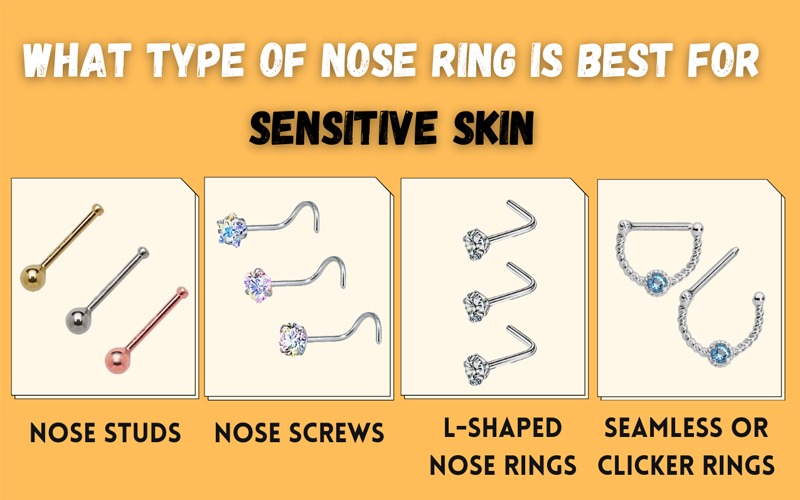
If traditional nose rings continue to pose a challenge, consider exploring different styles of nose jewelry. Some options, such as clip-ons or hoops, may be easier to handle and more comfortable for you. These alternatives often come in various designs that can add unique flair to your look while being simpler to insert and manage.
Temporary Options
For individuals who struggle with traditional piercings, temporary jewelry might be the perfect solution. Magnetic nose rings or adhesive options can provide a fashionable alternative without the need for an actual piercing. These styles can be especially appealing for special occasions or for those who are hesitant about committing to a permanent piercing.
Properly inserting a nose ring can be tricky, but with the right techniques and a little patience, you can overcome this challenge. By understanding the potential causes of difficulty and preparing adequately, you can make the process smoother and ensure your piercing remains healthy. Remember to seek professional help if you encounter persistent issues and to maintain diligent aftercare for your nose ring. With these tips in mind, you can wear your nose jewelry with confidence and ease.
Frequently Asked Questions
Why can’t I get my nose ring in after piercing?
If you’re having difficulty getting your nose ring in after a piercing, it may be due to swelling, which is common in the healing process. Additionally, the jewelry may be too thick or the angle may not align properly with your piercing hole. Ensure that your piercing is fully healed and consult with a professional piercer if you’re experiencing persistent issues.
What should I do if my nose ring is stuck?
If your nose ring feels stuck, avoid pulling or forcing it, as this can cause injury or infection. First, try to gently twist the ring back and forth to loosen it. If it still won’t budge, consider applying a small amount of lubricant, such as a saline solution or a specialized piercing lubricant. If the problem persists, it’s best to consult a professional piercer for safe removal.
How can I make it easier to put in my nose ring?
To make inserting your nose ring easier, ensure that you are in a well-lit area and have a mirror handy. Clean your hands and the jewelry with an antiseptic solution to prevent infection. If your piercing is still tender, consider using a saline spray or a warm compress to help relax the area before attempting to insert the ring.
What type of nose ring is best for first-time wearers?
For first-time wearers, a nose ring made from surgical stainless steel, titanium, or gold is ideal, as these materials are hypoallergenic and less likely to cause irritation. Opt for a simple stud or a hoop with a smooth edge to minimize discomfort during insertion and healing. Always check for a secure closure mechanism to avoid losing the jewelry.
Why does my nose piercing hurt when trying to insert my ring?
Pain during the insertion of a nose ring can occur if the piercing is not fully healed, if there is irritation or inflammation, or if the jewelry is too thick for your piercing. It’s crucial to wait until the piercing has healed completely, which can take several weeks to months. If the pain persists, consider visiting a professional piercer or a healthcare provider for advice.
References
- Nose piercing
- https://www.ncbi.nlm.nih.gov/pmc/articles/PMC5606941/
- https://www.healthline.com/health/nose-piercing-care
- https://www.americanaddictioncenters.org/rehab-guide/nose-piercing
- https://www.webmd.com/beauty/nose-piercing-guide