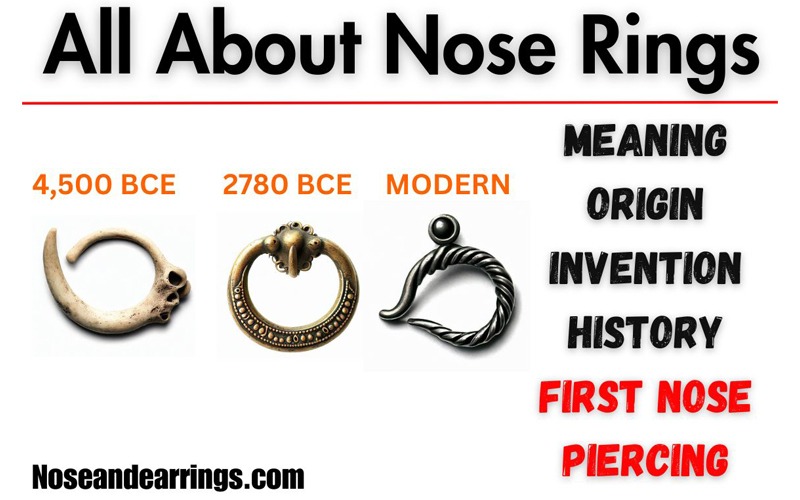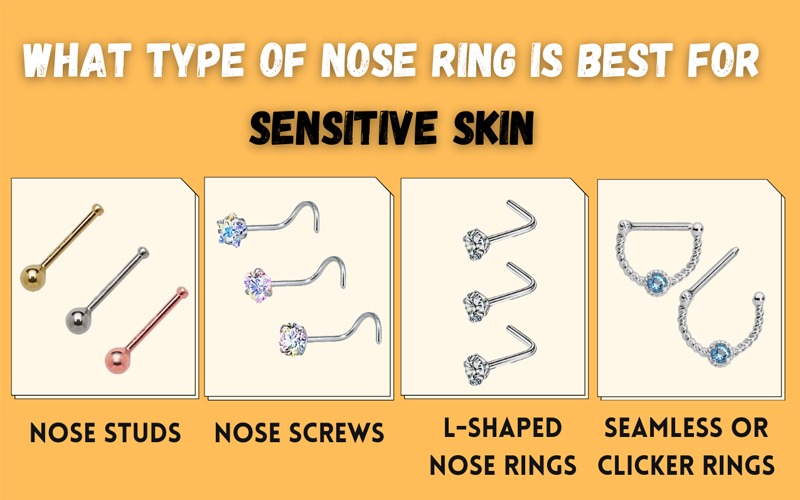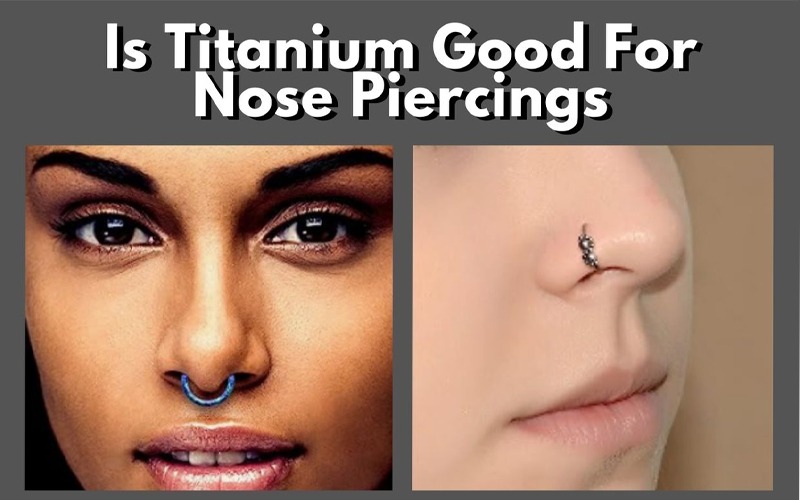
An infected nose ring typically appears red, swollen, and may produce pus or discharge. Recognizing these symptoms early is crucial to prevent further complications and ensure a smooth healing process. In this article, we will explore the visual indicators of an infected nose ring, the causes of infection, and how to care for your piercing effectively to maintain its health.
Signs of Infection

One of the first visual signs of an infected nose ring is redness around the piercing site. This inflammation is often accompanied by swelling and tenderness in the area, which can be alarming for individuals who have recently had their nose pierced. The redness can range from a light pink hue to a more intense, fiery red, indicating varying degrees of irritation.
Swelling may cause the skin to feel tight around the jewelry, and sensitivity can increase, making routine activities uncomfortable. It’s essential to monitor these symptoms closely; while some redness and swelling can be typical during the initial healing phase, any persistent or worsening symptoms should not be overlooked.
Discharge and Odor
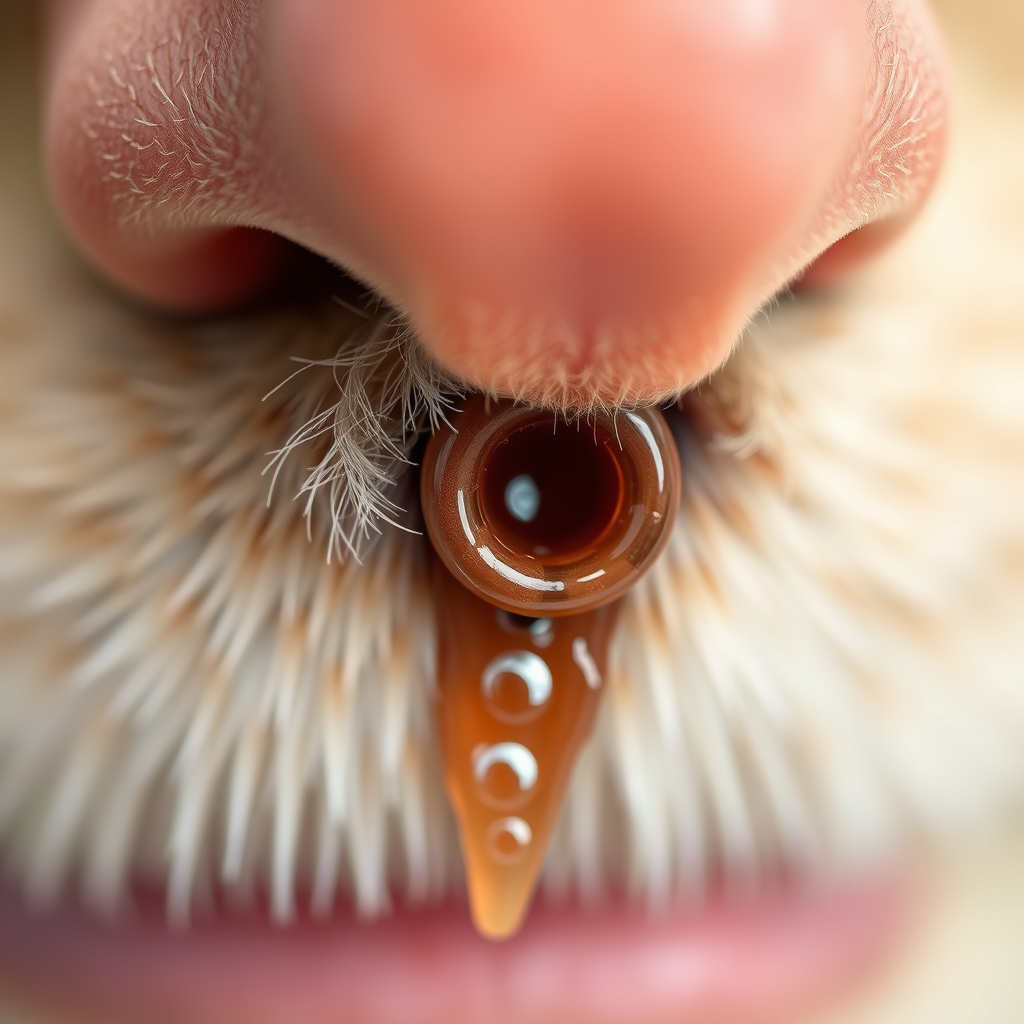
Another significant indicator of infection is the presence of discharge. In a healthy piercing, you should expect minimal to no discharge, perhaps a clear fluid during the initial healing. However, if you’re noticing pus or a yellowish discharge, this is a strong indication of infection. Pus can vary in consistency and color, and if it has a thick, clotted appearance, it’s often a sign of bacterial growth.
In addition to discharge, an unpleasant odor may emanate from the piercing. This odor can be quite distinctive and is often described as foul or putrid. The presence of both discharge and odor is a clear signal that the body is fighting an infection, and it warrants immediate attention to avoid further complications.
Pain and Discomfort
Pain and discomfort are common experiences for anyone with a newly pierced nose, but the nature of the pain can help distinguish an infection. Increased pain when touching or moving the ring can indicate that something is wrong, especially if the discomfort is disproportionate to the initial sensitivity of the piercing.
Additionally, individuals may experience throbbing sensations near the piercing. This throbbing can be persistent and may worsen over time, often indicating a more severe infection. Monitoring the level of pain and how it changes over time can provide insight into the severity of the situation and whether medical attention is necessary.
Causes of Nose Ring Infections
Understanding the causes of nose ring infections is vital for prevention and management. One of the primary causes is poor hygiene practices during cleaning. If the piercing is not cleaned properly or regularly, bacteria can accumulate, leading to inflammation and infection.
Another significant factor is the material of the jewelry itself. Jewelry made from non-hypoallergenic materials can provoke allergic reactions in some individuals. Common materials that cause problems include nickel, certain alloys, and low-quality metals. Choosing jewelry made from high-quality, hypoallergenic materials like titanium or surgical steel can significantly reduce the risk of infection.
Prevention Tips
Preventing an infected nose ring begins with diligent aftercare. Using a saline solution or antiseptic specifically designed for piercings can help keep the area clean and reduce the risk of infection. Saline solutions can be made at home by mixing non-iodized sea salt with distilled water, ensuring that the solution is gentle and effective.
It’s also crucial to choose high-quality jewelry materials. Investing in jewelry made from titanium or surgical steel minimizes the risk of allergic reactions and ensures a more comfortable healing process. Avoid changing the jewelry too soon; allow sufficient time for your piercing to heal, which typically ranges from 6 to 12 weeks for nose piercings.
Additionally, maintaining overall hygiene is essential. Regularly washing your face and avoiding touching your piercing with dirty hands can prevent the introduction of harmful bacteria.
Treatment Options
If you suspect your nose ring is infected, treatment options are available. For severe cases, consulting a healthcare professional is essential. They may prescribe antibiotics or recommend more intensive treatments based on the severity of the infection.
For mild infections, home care measures can be quite effective. Applying warm compresses to the area can help reduce swelling and promote healing. Additionally, rinsing the piercing with a saline solution or saltwater can help cleanse the area and draw out any infection. It’s vital to avoid using alcohol or hydrogen peroxide, as these can irritate the piercing further and delay healing.
When to Seek Professional Help
While many infections can be managed at home, certain situations require professional intervention. If symptoms persist for more than a few days, despite home treatment, it’s time to consult a healthcare professional.
Additionally, if you develop a fever or notice spreading redness away from the piercing site, these could be signs that the infection is becoming systemic or more serious. Early intervention can prevent complications and facilitate a quicker recovery.
Maintaining proper hygiene and using the right materials can significantly reduce the risk of infections. If symptoms persist or worsen, don’t hesitate to consult a healthcare professional for further assistance.
In summary, recognizing the signs of an infected nose ring is crucial for prompt action. Look for signs such as redness, swelling, discharge, odor, and increased pain. Understanding the causes of infection and implementing preventive measures can help maintain your piercing’s health. If you experience persistent symptoms, seeking professional medical advice is always the best course of action.
Frequently Asked Questions
What does an infected nose ring look like?
An infected nose ring typically presents with redness, swelling, and tenderness around the piercing site. You may also notice pus or a yellowish discharge, which can have an unpleasant odor. In some cases, the surrounding skin may feel warm to the touch, and you might experience increased pain or discomfort, indicating a need for prompt treatment.
How can I tell if my nose ring is infected?
To determine if your nose ring is infected, look for common signs such as persistent redness, swelling, or pain that worsens over time. Additionally, if you observe any discharge that is green, yellow, or has a foul smell, this could indicate an infection. It’s essential to monitor the area closely and consult a healthcare professional if symptoms persist or escalate.
Why does my nose ring look infected after just a few days?
An infection can occur shortly after getting a nose ring due to various factors, including improper aftercare, using non-sterile jewelry, or an allergic reaction to the metal. Additionally, touching the piercing with unwashed hands or exposing it to irritants can introduce bacteria, leading to infection. Following proper care instructions and ensuring your jewelry is made from hypoallergenic materials can help prevent this issue.
What is the best way to treat an infected nose ring?
The best way to treat an infected nose ring is to keep the area clean and avoid removing the jewelry, as this can cause the hole to close and trap bacteria inside. Clean the piercing gently with saline solution or a mild antibacterial solution recommended by a healthcare professional. If the infection does not improve within a few days or worsens, seek medical advice for possible antibiotics or further treatment.
Which types of nose ring materials are less likely to cause infection?
Nose rings made from materials like surgical stainless steel, titanium, or gold (14k or higher) are less likely to cause infections, as they are hypoallergenic and resistant to corrosion. Avoid jewelry made from nickel or lower-grade metals, as these can lead to allergic reactions and increase the risk of infection. Always ensure that new piercings use high-quality materials to promote healing and minimize complications.
References
- https://www.ncbi.nlm.nih.gov/pmc/articles/PMC5029423/
- https://www.healthline.com/health/piercing-infection
- https://www.mayoclinic.org/diseases-conditions/piercing-infection/symptoms-causes/syc-20380295
- https://www.webmd.com/skin-problems-and-treatments/piercing-infection
- https://www.cdc.gov/niosh/docs/2008-105/pdfs/2008-105.pdf