While nose ring holes can close, the time it takes for them to do so varies depending on several factors, including how long the piercing has been in place and individual healing responses. Understanding these variables is crucial for anyone considering the permanence of their nose piercing. This article will delve into the factors influencing closure, outline the healing process, and provide insights on what to expect if you decide to remove your nose ring.
Factors Influencing Closure

The closure of a nose ring hole is influenced by multiple factors, primarily the duration of the piercing and individual healing responses.
– Duration of the Piercing: The length of time a nose ring has been worn significantly impacts its likelihood of closing. Generally, if the piercing has been in place for an extended period—say, more than a year—the hole is less likely to close immediately after the jewelry is removed. This is because the tissue around the piercing has had ample time to adapt and stabilize around the jewelry.
– Individual Healing: Each person’s body responds differently to healing processes. Factors such as age, overall health, skin type, and lifestyle can influence how quickly or slowly a piercing may close. For example, younger individuals often heal faster than older adults, and those with a robust immune system may experience quicker healing times. Additionally, individuals prone to keloids or hypertrophic scarring may find that their piercings heal differently, potentially leading to more noticeable scarring if the hole closes.
Understanding these factors can help you make informed decisions about your piercing and its future.
Healing Process Overview
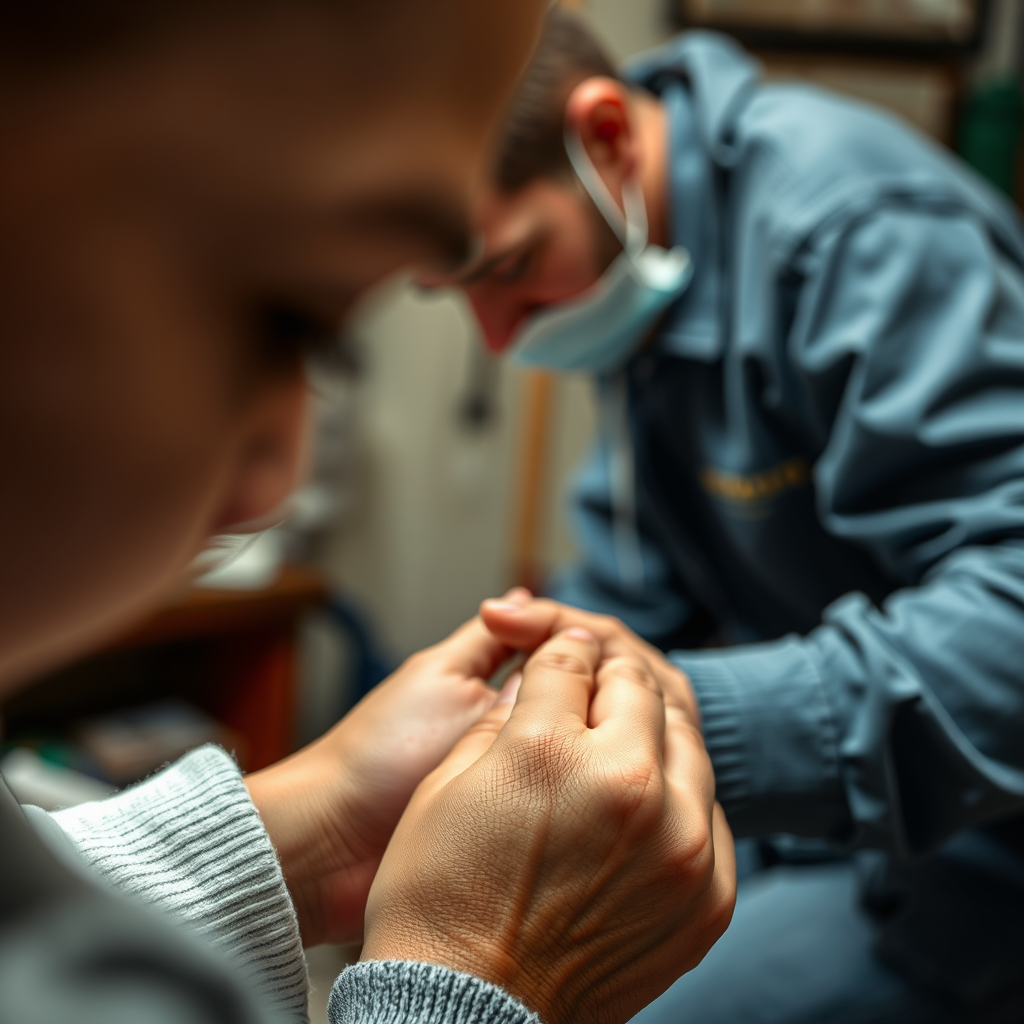
The healing process for a nose piercing is intricate and varies from person to person.
– Initial Healing Time: Typically, nose piercings take approximately 2 to 4 months to heal completely. During this time, it is essential to follow aftercare guidelines to ensure proper healing and minimize complications such as infections or irritation. Most piercers recommend cleaning the area with saline solution or a mild saline spray to keep the piercing free from bacteria while it heals.
– Changes Over Time: After the initial healing period, the skin around the piercing can still be sensitive. Although the piercing may appear healed, the body may still react to the absence of jewelry. If the jewelry is removed, the hole can begin to close within hours, especially if it has not been worn for a long time. This is why many individuals choose to keep jewelry in their piercings, even if they are not actively wearing visible adornments.
Awareness of the healing timeline can help you manage your expectations and care for your piercing effectively.
What Happens After Removal?
When it comes to the aftermath of removing a nose ring, several stages of closure can be expected.
– Immediate Effects: Upon removing the nose ring, the body can start the closure process almost immediately. The skin around the piercing may begin to swell slightly, and the hole can start to shrink. Within hours, you may notice that the hole appears smaller than it was when the jewelry was in place.
– Long-term Closure: Depending on various factors, such as the duration of the piercing and individual healing characteristics, it may take anywhere from a few days to a couple of weeks for the hole to completely close. For some individuals, particularly those with longer-standing piercings, the hole may never fully close but instead form a small dimple or scar. This is particularly common in individuals who have had their piercings for years.
Understanding the timeline for closure can help you make decisions about wearing jewelry and managing your piercing.
Signs of Piercing Closure
Recognizing the signs of closure can help you understand the state of your piercing.
– Skin Texture Changes: As the piercing heals and begins to close, you may notice changes in the skin texture around the hole. This can include swelling or redness, which are signs that the body is reacting to the absence of the jewelry. Additionally, the area may become itchy, which is a normal part of the healing process.
– Complete Closure: When a nose ring hole has completely closed, it typically appears as a small dimple or a flat scar on the skin. In some cases, the closure may be so subtle that it is barely noticeable, while in others, it may leave a prominent mark. Regularly checking the area can help you monitor these changes.
Recognizing these signs can provide peace of mind and help you gauge the healing progress of your piercing.
Care Tips for Pierced Noses
Proper care of a nose piercing is fundamental to ensure a smooth healing process and avoid complications.
– Cleaning Routine: Establishing a routine for cleaning your piercing is crucial. Regularly clean the area with a saline solution or a gentle antiseptic cleaner recommended by your piercer. Avoid using harsh chemicals or alcohol-based products, as these can irritate the skin and delay healing.
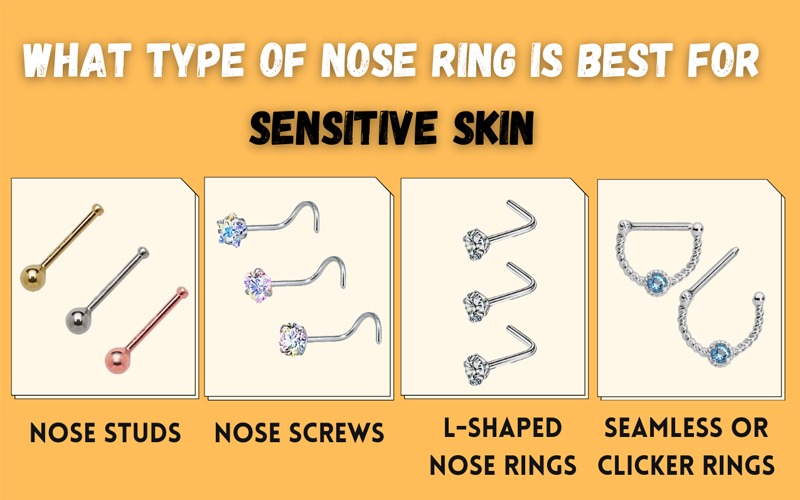
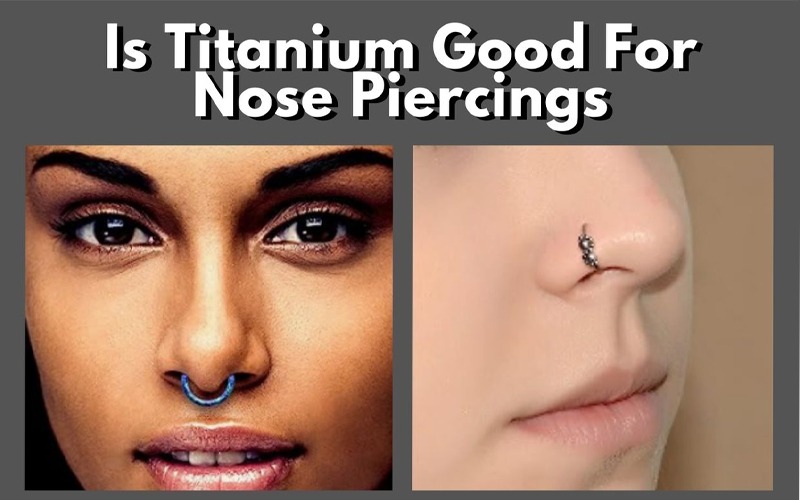
– Jewelry Choice: Choosing high-quality jewelry made from materials such as titanium, surgical stainless steel, or gold can minimize irritation and promote better healing. Opting for high-quality materials can also reduce the risk of allergic reactions, which can complicate the healing process.
Adhering to these care tips can help maintain the health of your piercing and ensure it heals properly.
What to Do If You Want to Keep the Hole Open
If you decide that you want to keep your nose ring hole open but are considering removing your jewelry, there are steps you can take.
– Replacing Jewelry: One effective method is to replace your nose ring with a retainer or a smaller piece of jewelry. Retainers are designed to be discreet and can help maintain the hole without drawing attention. This approach allows the piercing to remain open while minimizing the risk of closure.
– Professional Advice: Consulting with a professional piercer is always a good idea if you have any concerns about your piercing. They can provide personalized recommendations based on your specific situation and help you select appropriate jewelry that will not irritate the hole.
Taking these proactive measures can help you maintain your piercing without the need for jewelry that may be more visible or cumbersome.
Understanding the complexities of nose ring holes and their closure process can empower you to make informed decisions regarding your piercing. Whether you are considering removal or simply want to maintain your piercing, being aware of the healing process, care tips, and signs of closure will help you navigate your journey with confidence.
In conclusion, while nose ring holes can close, the timeline for this process varies based on factors like the duration of the piercing and individual healing responses. By practicing proper aftercare and understanding the signs of healing, you can effectively manage your piercing and make informed choices about your jewelry. Whether you wish to keep your nose ring in or remove it, knowledge is key to a successful piercing experience.
Frequently Asked Questions
Do nose ring holes close up if I take my nose ring out?
Yes, nose ring holes can close up if you remove your nose ring, especially if the piercing is new. Typically, fresh piercings can start to close within a few hours to a few days after removing the jewelry. For older piercings, the hole may remain open for several months or even years, but it’s still possible for it to shrink or close over time if jewelry is not worn consistently.
How long does it take for a nose ring hole to close completely?
The time it takes for a nose ring hole to close completely varies based on how long the piercing has been in place. Generally, for fresh piercings (less than a year old), closure can occur within days to weeks. For established piercings (over a year old), it may take several months for the hole to close, but it can sometimes remain open indefinitely.
Why do nose piercings sometimes leave scars after healing?
Nose piercings can leave scars due to a variety of factors, including the body’s healing response, the technique used during piercing, and aftercare practices. If the piercing becomes infected or is not cared for properly, it can result in scarring. Additionally, some individuals have a genetic predisposition to keloid formation, leading to raised scars around the piercing site.
What can I do to prevent my nose ring hole from closing?
To prevent your nose ring hole from closing, it is essential to keep wearing jewelry consistently, even if it’s a small stud. If you need to remove your nose ring for any reason, consider inserting a retainer, which is a clear or skin-tone piece of jewelry designed to keep the hole open. Proper aftercare and maintaining the health of the piercing can also help it remain open longer.
Which type of jewelry is best for preventing nose ring holes from closing?
The best types of jewelry for preventing nose ring holes from closing are those made from biocompatible materials, such as titanium, surgical stainless steel, or gold. These materials are less likely to cause irritation or allergic reactions, helping to keep the piercing healthy. Additionally, using thicker or longer-lasting jewelry can help maintain the integrity of the hole, reducing the chances of closure.
References
- Body piercing
- https://www.ncbi.nlm.nih.gov/pmc/articles/PMC6091268/
- https://www.healthline.com/health/nose-piercing-care
- https://www.verywellhealth.com/nose-piercing-5114147
- https://www.aad.org/public/diseases/skin-cancer/prevention/nose-piercing
- https://www.cdc.gov/niosh/topics/bodyart/piercings.html
- https://www.webmd.com/beauty/what-to-know-about-nose-piercings