Bulls do have nose rings, and they serve practical purposes in farming and handling. Primarily, these rings are employed to facilitate control and management of these powerful animals. The use of nose rings allows farmers and handlers to lead or restrain bulls more effectively, making it easier to manage their behavior during various operations, including veterinary care and breeding. In this article, we’ll delve into the purpose of nose rings, the insertion process, their benefits, potential pain concerns, alternatives, and the regulatory and welfare considerations surrounding their use.
The Purpose of Nose Rings in Bulls
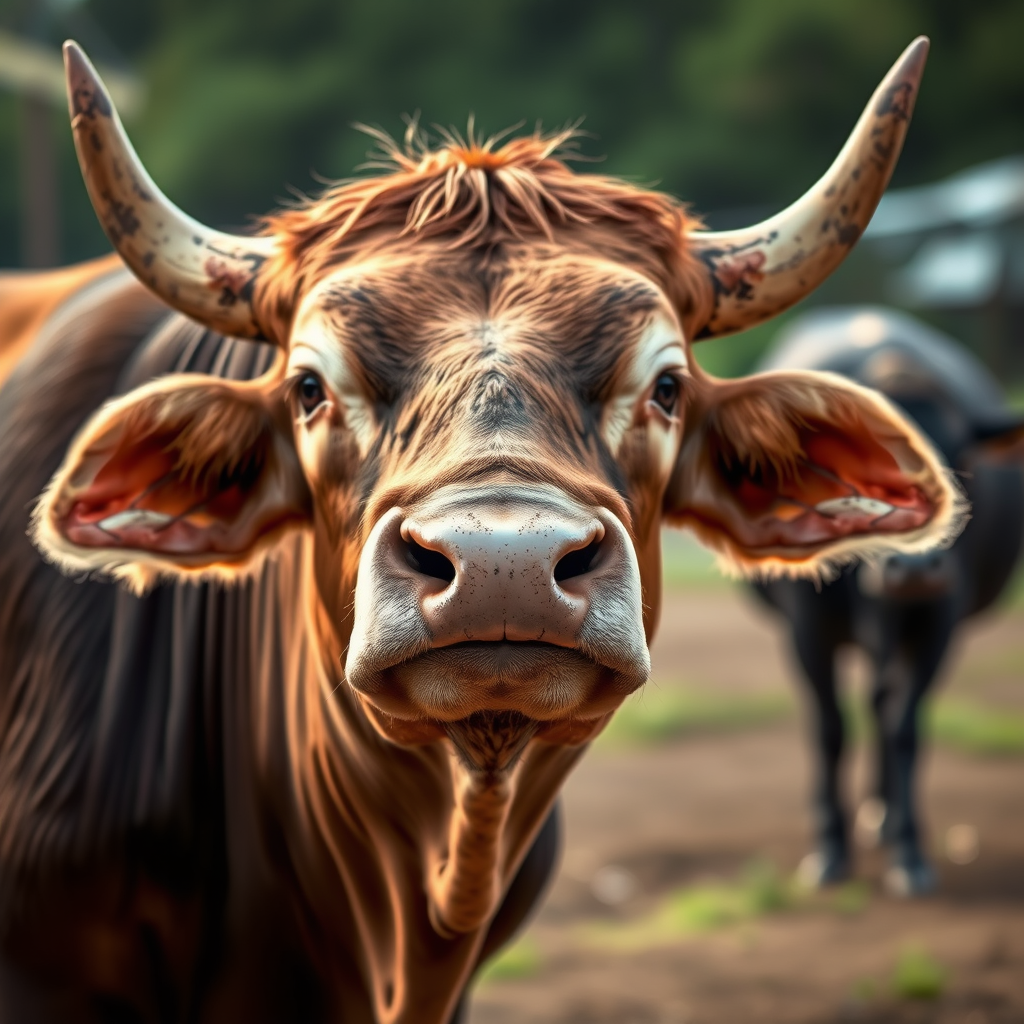
Nose rings play a critical role in the management of bulls, particularly in controlling aggressive behavior. Bulls can display unpredictable tendencies, especially during breeding season or when they feel threatened. A properly fitted nose ring allows handlers to exert physical control over the animal by providing a point of leverage. This is particularly crucial in environments where safety is paramount, such as during veterinary examinations or when transporting bulls.
Additionally, nose rings facilitate easier handling and restraint during essential procedures. For instance, veterinarians often require bulls to be restrained for vaccinations, examinations, or surgical interventions. A nose ring can simplify this process, allowing practitioners to ensure both their safety and that of the animal. By using a nose ring, farmers can maintain better control over bulls that are otherwise difficult to manage due to their size and strength.
How Nose Rings Are Inserted
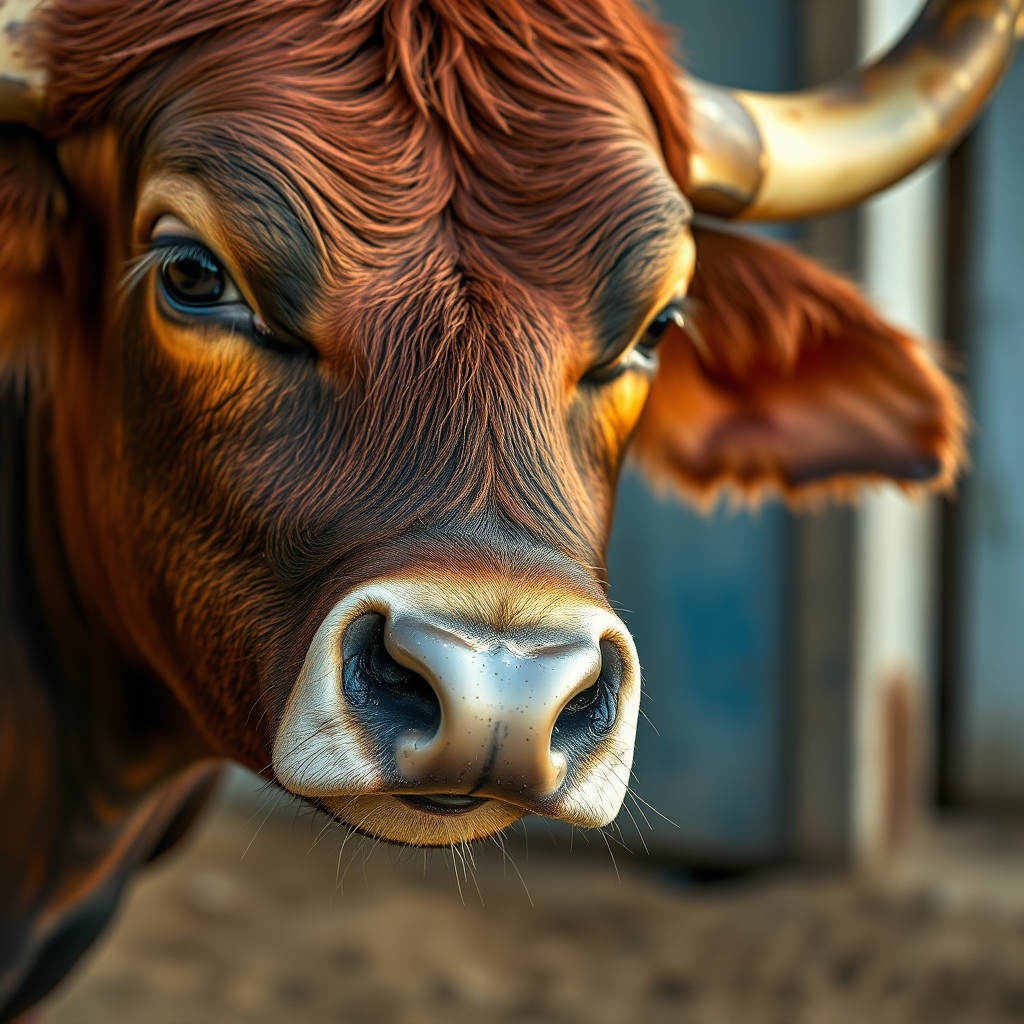
The insertion of a nose ring is a straightforward yet precise procedure typically performed by a veterinarian or a trained professional. The process begins with the application of a local anesthetic to minimize discomfort. A specialized instrument is then used to pierce a hole through the bull’s nasal septum, which is the cartilage dividing the nostrils. Once the hole is created, the nose ring is inserted and secured in place.
It’s essential that this procedure is done correctly to prevent complications or infections. The use of clean, sterile instruments and proper handling techniques is critical in ensuring the well-being of the bull. This procedure generally takes only a few minutes, and when performed by experienced personnel, the animal experiences minimal stress.
Benefits of Using Nose Rings
The advantages of using nose rings are multifaceted, significantly enhancing both safety and management practices in bull handling. One of the primary benefits is increased safety for handlers. Bulls are large, powerful animals that can pose risks when they exhibit aggressive behavior. A nose ring gives handlers a means to control the animal without relying solely on physical strength, which can lead to injuries.
Furthermore, nose rings improve the ability to manage bulls in breeding or show environments. In competitive scenarios, where calm and controlled behavior is crucial, a nose ring allows handlers to guide the bull effectively, promoting a smoother experience for both the animal and the handler. This control not only benefits the handler but also contributes to the overall welfare of the bull, as it reduces stress during high-pressure situations.
Are Nose Rings Painful for Bulls?
The insertion of a nose ring is generally a quick procedure, but the level of discomfort can vary. Immediately after the piercing, bulls may experience a moment of pain akin to a quick pinch. However, the use of local anesthetics significantly mitigates this discomfort, ensuring that the process is as humane as possible.
Post-procedure care is crucial for minimizing any lingering discomfort. Ensuring that the area is clean and free from infection is essential for the bull’s recovery. With proper handling and attention to the animal’s needs, the discomfort associated with nose rings can be effectively managed. It is also important for handlers to monitor bulls closely after the insertion to ensure they adapt well to the new equipment.
Alternatives to Nose Rings
While nose rings are a common method of managing bulls, several alternatives exist that can also be effective in maintaining control and ensuring safety. For instance, halters are widely used to lead and restrain bulls. These are typically softer and can be more comfortable for the animal, allowing for gentle handling without the need for a piercing.
Additionally, some farms are increasingly adopting training techniques that emphasize behavior modification without physical restraints. These methods focus on building trust between the handler and the animal, encouraging compliance through positive reinforcement rather than coercion. Such techniques not only promote better management but also align with contemporary animal welfare standards that prioritize the psychological well-being of livestock.
Regulations and Animal Welfare Considerations
Understanding local regulations regarding the use of nose rings is essential for any cattle operator. Many regions have specific guidelines that govern the management of farm animals, including the use of physical restraints like nose rings. Compliance with these regulations is not only a legal obligation but also reflects a commitment to ethical animal handling practices.
Ethical considerations in bull management emphasize humane treatment and minimal stress. The growing movement towards animal welfare has led many farmers to explore alternatives to nose rings, seeking methods that uphold the dignity and comfort of the animals in their care. By prioritizing the welfare of bulls, handlers can foster healthier, more productive relationships with their livestock while adhering to best practices in animal husbandry.
In summary, bulls do have nose rings that serve essential functions in their management and handling. By understanding their purpose, the insertion process, the benefits, pain considerations, alternatives, and the relevant regulations, stakeholders can make informed decisions about the use of nose rings in bull management. It is imperative to balance operational needs with the ethical treatment of animals, ensuring that practices not only comply with legal standards but also align with the principles of humane care and animal welfare.
Frequently Asked Questions
Do bulls have nose rings, and if so, why are they used?
Yes, bulls can have nose rings, which are typically used in livestock management. The rings are inserted into the bull’s nostrils to help control the animal, making it easier to lead or restrain them. This practice is particularly common in cattle farming to ensure safety for both the handler and the animal, as bulls can be aggressive.
How do nose rings affect a bull’s behavior?
Nose rings can significantly influence a bull’s behavior by providing a means of control. When a bull has a nose ring, it can be easier to guide them, especially during handling or transportation. However, the use of nose rings should be approached with care, as improper handling can lead to stress or discomfort for the animal.
What are the different types of nose rings for bulls?
There are primarily two types of nose rings used for bulls: the simple ring and the studded or clamp ring. The simple ring is a basic metal loop that fits through the nostril, while studded rings have spikes or clamps that secure the ring in place. Farmers often choose the type based on the bull’s temperament and the intended use, with studded rings offering more security during handling.
Why do some farmers choose not to use nose rings on bulls?
Some farmers opt not to use nose rings due to concerns about animal welfare and stress. Nose rings can cause pain or discomfort if not properly fitted, leading to negative behavioral issues or aggression. Additionally, some farmers prefer training methods that do not rely on physical restraints, focusing instead on building a trusting relationship with their livestock.
What are the best practices for caring for bulls with nose rings?
To ensure the well-being of bulls with nose rings, farmers should regularly inspect the rings for signs of irritation or injury. It is also crucial to handle the bulls gently and to use rewards-based training techniques to reduce stress. Proper hygiene practices, such as cleaning the area around the nose ring, can help prevent infections and ensure the health of the animal.
References
- Nose ring
- https://www.ncbi.nlm.nih.gov/pmc/articles/PMC5695606/
- https://www.theguardian.com/environment/2019/aug/09/why-do-farm-animals-have-nose-rings
- https://www.aaep.org/education/podcasts/animal-welfare-nose-rings-and-their-uses
- https://www.vet.cornell.edu/news/2020/nose-rings-cattle-and-animal-welfare
- https://www.treesearch.fs.fed.us/pubs/55452