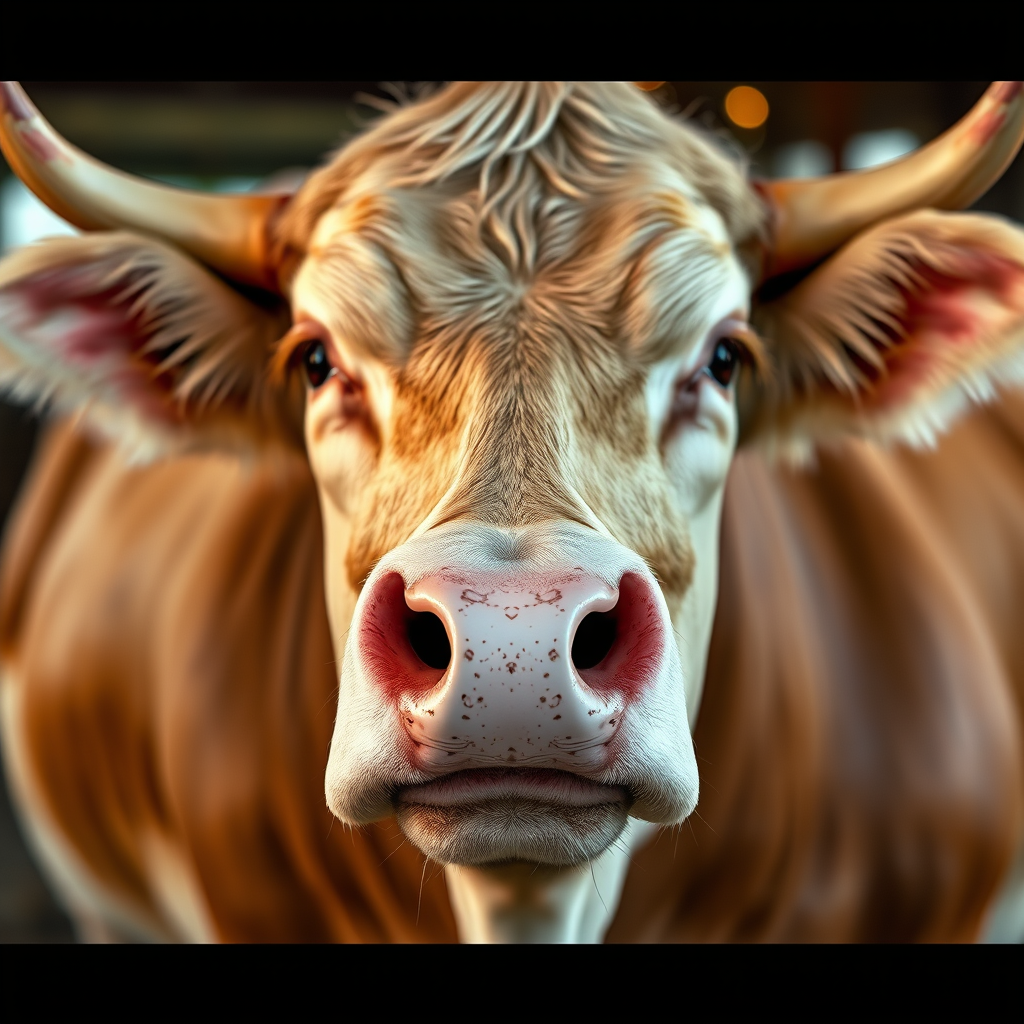
Nose rings can indeed cause discomfort to cows, but the level of pain experienced varies significantly among individual animals and is influenced by the installation method. Understanding the implications of using nose rings is crucial for farmers and animal welfare advocates alike, as it encompasses behavioral management, potential pain factors, and overall animal health. This article delves into the reasons for using nose rings, examines the pain associated with their installation, compares them to alternative restraint methods, and highlights important animal welfare considerations.
Reasons for Using Nose Rings
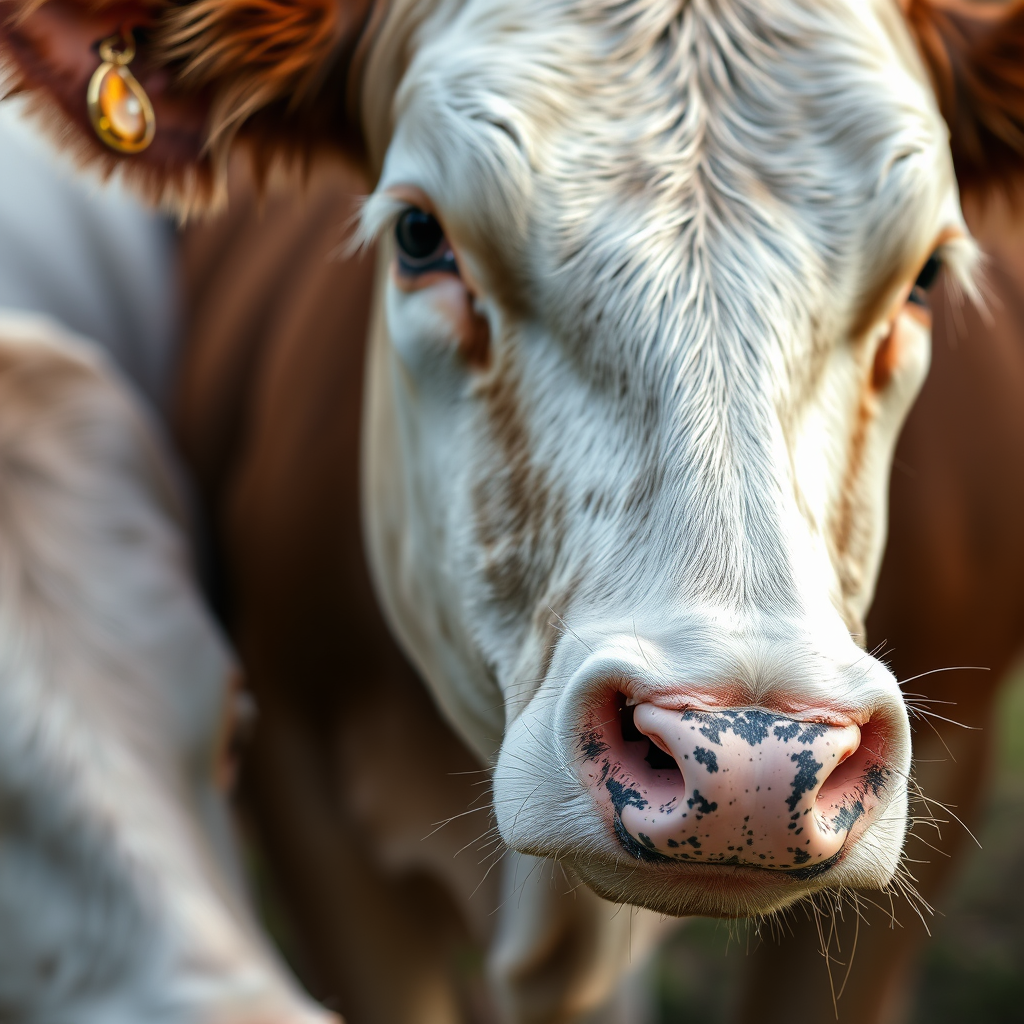
Nose rings serve several practical purposes in cattle management. Primarily, they are utilized to control aggressive behavior in cattle, especially in bulls, who are more prone to display dominance and aggression. The presence of a nose ring can deter aggressive interactions among animals and between animals and handlers, thereby enhancing safety within the farm environment.
In addition to behavior management, nose rings can assist farmers in managing breeding practices. For instance, when dealing with breeding bulls, nose rings can help prevent excessive mating and maintain better control over breeding schedules. Moreover, in certain cases, nose rings can prevent excessive feeding by limiting the animal’s ability to graze freely in a pasture, thereby aiding in weight management. Overall, while nose rings can be effective tools for managing cattle, the ethical implications of their use must be critically evaluated.
Installation Process and Pain Factors
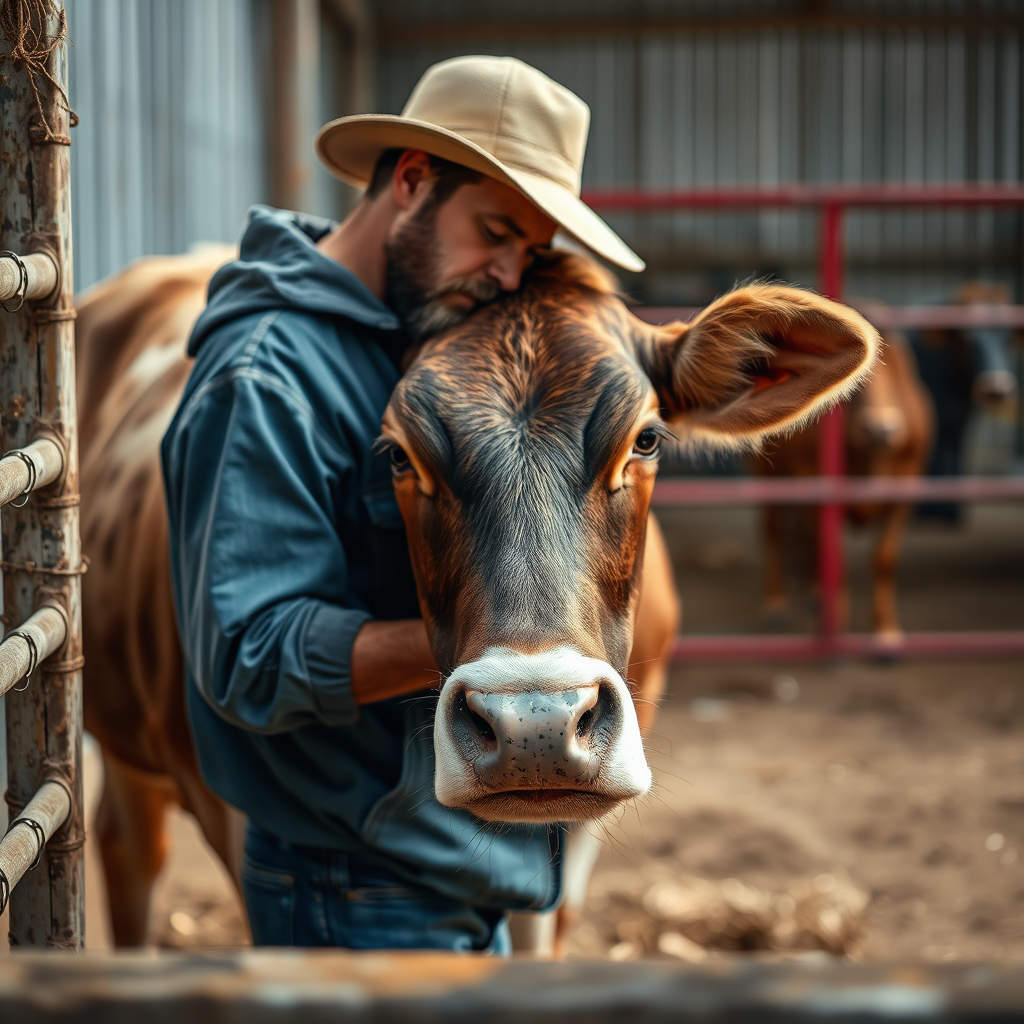
The installation process of a nose ring can be daunting for the animal, often causing immediate discomfort and stress. This process typically involves piercing the nasal septum with a specialized instrument, which can evoke a natural flight response in the cow. The pain experienced during the insertion can vary based on several factors, including the technique employed and the handler’s experience. A skilled handler may minimize distress by using a quick and efficient method, while an inexperienced one may cause unnecessary pain and anxiety.
Pain levels can also be affected by the individual animal’s temperament and pain threshold. Some cows may exhibit signs of distress, while others may tolerate the procedure with less visible discomfort. Additionally, the type of nose ring used—such as a simple ring versus a more complex device—can influence the level of pain and subsequent healing time. Recognizing these factors is essential for farmers to ensure the humane treatment of their livestock.
Comparing Nose Rings to Other Restraint Methods
When evaluating the efficacy of nose rings, it is critical to compare them with alternative restraint methods such as halters and chutes. Halters are often preferred for routine handling and can provide control with less invasive measures. They allow for better communication between the handler and the animal, fostering a more trusting relationship. Chutes, on the other hand, can safely restrain animals for various procedures without the need for painful piercing.
While nose rings can offer immediate control over aggressive behaviors, they come with inherent risks of pain and distress. Farmers must weigh the benefits of using nose rings against the potential stressors and pain associated with them. The decision should hinge on the specific circumstances of each animal, including its behavior and temperament, and the goals of the farmer.
Animal Welfare Considerations
Understanding the psychological impact of nose rings on cows is paramount in discussions about animal welfare. Cows are social animals that thrive in environments where they can express natural behaviors. The introduction of nose rings may restrict certain behaviors, leading to increased stress and anxiety levels.
Farmers are encouraged to critically evaluate the necessity of nose rings against the potential pain and stress inflicted on the animals. This involves considering alternative management strategies that promote animal welfare without compromising behavioral control. Engaging with veterinary professionals and animal behaviorists can provide insights into best practices for managing cattle without resorting to invasive measures.
Best Practices for Handling Cows with Nose Rings
To minimize stress during both the installation of nose rings and daily management, farmers should adopt proper handling techniques. This includes ensuring a calm environment during the installation process, using appropriate restraint methods to prevent sudden movements, and employing skilled handlers who can perform the procedure quickly and efficiently.
Moreover, regular checks of the nose ring and the surrounding area are essential to ensure that it does not cause injury or undue discomfort. Signs of irritation or infection should be addressed promptly to prevent further complications. By implementing best practices, farmers can enhance the welfare of their cows while achieving their management goals.
Signs of Discomfort in Cows
Recognizing the signs of discomfort in cows is crucial for effective management. Cows may exhibit various indications of pain or stress, such as vocalization, restlessness, or abnormal feeding behavior. Behavioral changes, such as decreased social interactions or reluctance to move, can also signal distress.
Farmers should remain vigilant in observing their animals and be prepared to address any signs of discomfort. Early intervention can prevent more severe health issues and improve the overall welfare of the herd. Utilizing regular health checks and maintaining open lines of communication with veterinarians can further support the well-being of cattle under management.
In summary, while nose rings can be effective for managing cattle, they do have the potential to cause pain and discomfort. It is vital for farmers to weigh the benefits against the welfare implications and to consider alternative methods when possible. For those considering nose rings, ensure you follow best practices and monitor your animals closely. By prioritizing animal welfare, farmers can create a more humane environment while still achieving their operational goals.
Frequently Asked Questions
Do nose rings hurt cows during the piercing process?
Yes, nose rings can cause pain to cows when they are initially pierced. The procedure involves using a sharp instrument to create a hole in the nasal septum, which can lead to discomfort and stress. However, many farmers use pain relief methods or conduct the procedure in a calm environment to minimize suffering.
Why do farmers put nose rings on cows?
Farmers typically use nose rings on cows for several reasons, including managing behavior, preventing excessive grazing, and promoting safety. The rings can help control aggressive or overly curious animals, making it easier to handle them. Additionally, nose rings can deter cows from consuming certain plants or feed that may be harmful.
How long does it take for a cow’s nose ring to heal?
The healing time for a cow’s nose ring can vary, but it typically takes about 2 to 4 weeks for the initial piercing to heal completely. During this period, proper care and monitoring are essential to prevent infection and ensure that the cow adjusts to the ring without complications.
What are the best practices for caring for a cow with a nose ring?
To care for a cow with a nose ring, it is important to keep the area clean and monitor for signs of infection, such as swelling or discharge. Regularly check the fit of the ring to prevent irritation, and ensure that the cow’s living environment is free from sharp objects that could snag the ring. Providing a calm and stress-free environment can also help the cow adjust to the nose ring.
Which type of nose ring is best for cows?
The best type of nose ring for cows depends on the specific needs of the animal and the purpose of the ring. Common options include circular and stud rings, with circular rings often preferred for their ease of handling and lower risk of injury. It’s important to choose a high-quality, durable ring that is appropriately sized for the cow to ensure comfort and effectiveness.
References
- https://www.ncbi.nlm.nih.gov/pmc/articles/PMC4508447/
- https://www.sciencedirect.com/science/article/abs/pii/S0168159117301652
- https://www.researchgate.net/publication/327281023_Animal_welfare_and_the_use_of_nose_rings_in_ruminants
- https://www.animalsciencepublications.org/publications/jas/articles/87/14/4711
- https://www.dpi.nsw.gov.au/__data/assets/pdf_file/0007/626135/Nose-rings-for-cattle.pdf
- https://www.ncbi.nlm.nih.gov/books/NBK204829/
- https://www.theguardian.com/environment/2021/jul/05/cattle-nose-rings-animal-welfare-issues