Getting a nose ring can lead to scarring in some cases, but it largely depends on individual healing processes and aftercare. While many people enjoy the aesthetic appeal of nose piercings without experiencing significant marks, others may find that their skin’s response to the piercing results in visible scars. In this article, we will explore how nose rings can affect your skin, the factors that influence scar formation, and tips for proper care to minimize any potential scars.
Understanding Scarring from Piercings

Scarring occurs when the skin heals after an injury, and piercings can create such injuries. The body’s natural response to injury involves the formation of new collagen, which can lead to scarring if the healing process is complicated or if the skin is particularly sensitive. The type of piercing can influence the likelihood and visibility of scars; for instance, a nostril piercing, which is generally less traumatic than a septum piercing, may result in less scarring. Additionally, the placement of the piercing can also affect how prominent any scarring may be. For example, piercings positioned in less visible areas may not be as noticeable even if they do leave scars.
Factors Influencing Scar Formation

Several factors contribute to the likelihood of scar formation after getting a nose ring. One of the most significant factors is genetics. Individuals with a family history of keloids or hypertrophic scars may be more prone to developing noticeable scars. The healing time also plays a critical role in scar formation; skin that heals quickly may be less likely to develop scars compared to skin that takes longer to recover. Furthermore, the way you care for your piercing during the healing phase can dramatically influence the outcome. Proper aftercare can significantly reduce the risk of infection, which is a common cause of scarring.
Other factors include skin type and overall health. For instance, individuals with oily or acne-prone skin may experience increased irritation during the healing process, potentially leading to scarring. Similarly, underlying health conditions, such as diabetes, can impair healing and increase the risk of complications.
Proper Aftercare to Minimize Scarring
To minimize the risk of scarring from a nose ring, proper aftercare is essential. One of the most effective methods is to clean the piercing regularly with a saline solution or an alcohol-free antiseptic. This practice helps prevent infection, which is one of the most common culprits behind scarring. It is advisable to clean the area at least twice a day, especially during the initial healing period, which can last anywhere from six weeks to several months, depending on the individual.
Avoiding touching or playing with the piercing is another critical aspect of aftercare. Frequent touching can introduce bacteria and lead to irritation, which may complicate the healing process and increase the risk of scarring. If you find yourself tempted to touch your piercing, consider wearing gloves or using a tissue until it has fully healed. Additionally, avoiding makeup and skincare products around the piercing during the healing process can prevent irritation and potential allergic reactions that might lead to scarring.
The Role of Piercing Technique
The technique used by a professional piercer can significantly affect healing outcomes and the potential for scarring. Skilled piercers are trained to use methods that minimize trauma to the skin, which can help reduce scarring. For example, using a needle instead of a gun to create the piercing allows for a cleaner hole and less tissue damage, leading to a more controlled healing process.
When choosing a piercer, it is crucial to check their credentials and reviews. A reputable piercer should maintain a sterile environment and follow best practices for hygiene and aftercare advice. Taking the time to select a qualified professional can pay off in the long run, as it can lead to a more successful healing experience with minimal scarring.
When to Consult a Professional
Monitoring the healing process of your new nose ring is vital. If you notice excessive redness, swelling, or discharge, it may be a sign of infection, and you should consult a healthcare professional immediately. Early intervention can prevent complications that may lead to scarring.
Additionally, if you are concerned about persistent scars after the healing period, it may be worth seeking advice from a dermatologist. They can provide options for scar reduction treatments, such as silicone gel sheets, laser therapy, or corticosteroid injections, which can help improve the appearance of scars over time.
Alternatives to Traditional Nose Rings
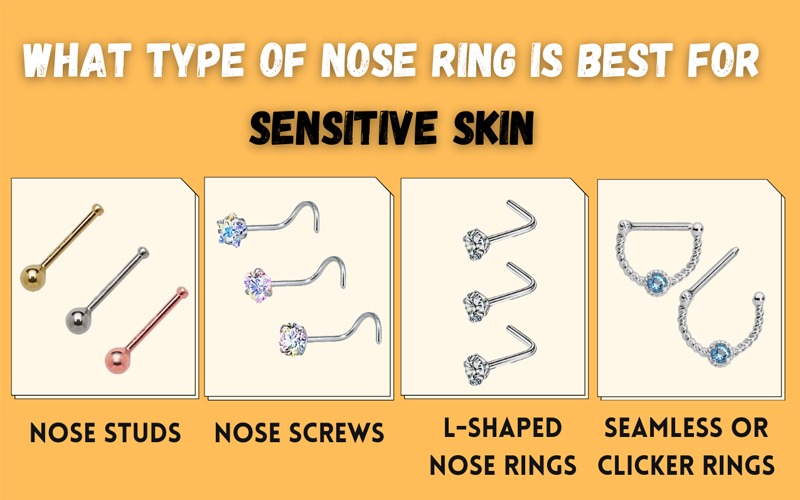
For individuals who are particularly concerned about scarring or have sensitive skin, considering alternatives to traditional nose rings may be beneficial. Retainers made from biocompatible materials can provide a lower-risk option for those who want to maintain the look of a piercing without the commitment of a permanent jewelry piece. Clear jewelry can also be less irritating and more discreet, minimizing the potential for scarring.
For those looking for non-invasive options, temporary tattoos or body art can provide a similar aesthetic without the risks associated with piercing. These options allow for flexibility in style while avoiding the long-term implications of scarring.
The potential for scarring from a nose ring depends on various factors, including individual skin types and aftercare practices. By understanding these aspects and following proper care guidelines, you can significantly reduce the risk of scars. If you’re considering getting a nose ring or have concerns about scarring, it’s essential to consult with a professional piercer or dermatologist for personalized advice. Remember, informed choices and diligent care are key to enjoying your piercing while minimizing any unwanted side effects.
Frequently Asked Questions
Do nose rings leave a scar after removal?
Yes, nose rings can leave a scar after removal, especially if the piercing was done improperly or if there were complications during the healing process. Scarring is more likely to occur if the piercing was infected or if the jewelry was changed too soon. However, with proper aftercare and if the piercing is well-healed, the scar may be minimal or even unnoticeable.
How can I minimize scarring from a nose ring piercing?
To minimize scarring from a nose ring piercing, it’s crucial to follow proper aftercare practices. Keep the area clean and avoid touching it with dirty hands. Using a saline solution can promote healing, and applying a silicone gel or ointment after the piercing has fully healed may help reduce the appearance of scars. Additionally, avoiding sun exposure can prevent scars from becoming more prominent.
Why do some people develop noticeable scars from nose piercings?
Some individuals may develop noticeable scars from nose piercings due to various factors, including skin type, the healing process, and how well they care for the piercing. People with keloid-prone skin or those who experience infections during the healing phase are more susceptible to scarring. Additionally, excessive irritation from jewelry or improper aftercare can exacerbate scarring.
What is the best jewelry material to reduce the risk of scarring from a nose ring?
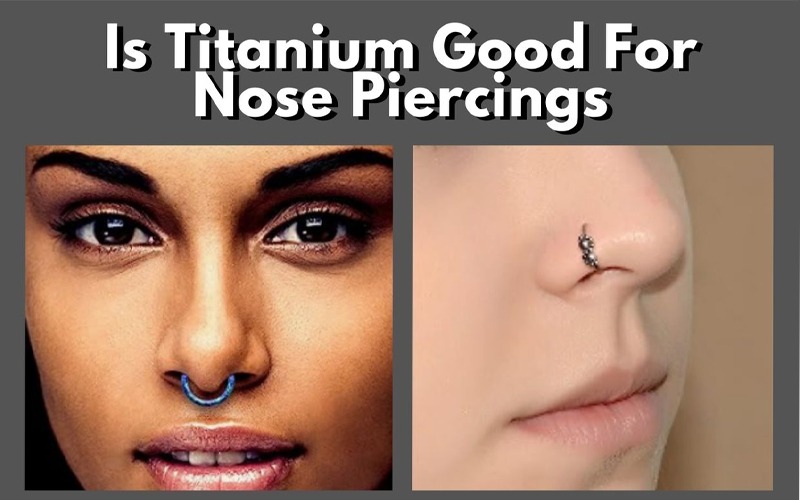
The best jewelry materials to reduce the risk of scarring from a nose ring include surgical stainless steel, titanium, or niobium. These hypoallergenic materials are less likely to cause irritation or allergic reactions, which can lead to complications and scarring. It’s essential to choose high-quality jewelry to ensure a smooth healing process and minimize the risk of scars.
Which steps should I take if my nose piercing scars are raised or discolored?
If your nose piercing scars are raised or discolored, it’s important to consult a dermatologist for professional advice. They may recommend treatments such as silicone sheets, corticosteroid injections, or laser therapy to help flatten and fade the scars. In the meantime, keeping the area moisturized and protected from the sun can aid in reducing their appearance.
References
- Body piercing
- https://www.ncbi.nlm.nih.gov/pmc/articles/PMC7236368/
- https://www.mayoclinic.org/tests-procedures/piercing/about/pac-20382356
- https://www.webmd.com/beauty/piercing
- https://www.verywellhealth.com/nose-piercing-care-5198693
- https://www.healthline.com/health/nose-piercing-care
- https://www.aafp.org/pubs/afp/issues/2007/0801/p467.html