If your nose ring is infected, the first step is to clean the area gently with saline solution or a mild antiseptic. It’s crucial to avoid removing the ring, as this can trap bacteria inside the piercing and exacerbate the infection. In this article, you will learn how to identify symptoms of infection, effective care tips, and when to seek professional help, ensuring that your healing process is as smooth and uncomplicated as possible.
Recognizing the Symptoms of Infection

Identifying the symptoms of an infected nose ring is essential for timely treatment. Common indicators include:
– Redness and Swelling: Inflammation around the piercing site is often the first sign of infection. You may notice the skin becoming noticeably red and swollen, which is a natural response of your body to fight off infection.
– Increased Pain or Tenderness: A healthy piercing should be relatively painless after initial healing. If you experience heightened pain or tenderness when touching the area, it may be a sign of infection.
Other symptoms may include warmth around the piercing, pus or discharge, and even fever in more severe cases. Being vigilant about these signs allows you to take action before the infection worsens.
Immediate Care Steps
When faced with an infected nose ring, immediate care is paramount. Here are some effective steps to manage the situation:
– Clean the Area with Saline Solution Twice a Day: Use a saline solution (a mixture of salt and water) to gently cleanse the infected area. This will help flush out any bacteria and promote healing. Make sure to use a clean cotton ball or swab to avoid introducing further contaminants.
– Avoid Using Alcohol or Hydrogen Peroxide: While it may be tempting to use stronger disinfectants, these substances can irritate the skin and delay the healing process. Stick to gentle cleaning methods to ensure the skin does not become overly dry or damaged.
Home Remedies for Mild Infections
In cases of mild infections, several home remedies can provide relief and promote healing:
– Use Chamomile Tea Bags as Compresses: Chamomile has natural anti-inflammatory properties that can help soothe the area. Brew a chamomile tea bag, let it cool, and apply it as a compress to the infected site for 10-15 minutes. This can reduce swelling and discomfort.
– Apply a Diluted Tea Tree Oil Solution: Known for its antibacterial properties, tea tree oil can be effective in treating minor infections. Mix a few drops of tea tree oil with a carrier oil (like coconut or olive oil) and apply it sparingly to the affected area. Always do a patch test first to ensure your skin does not react negatively.
When to Seek Medical Attention
While many infections can be managed at home, certain situations warrant professional medical attention:
– If You Experience Fever or Worsening Symptoms: A fever can indicate that the infection is spreading, and worsening symptoms such as increased pain, swelling, or discharge should prompt an immediate visit to a healthcare provider.
– If the Infection Does Not Improve Within a Few Days of Home Care: If you’ve been following home care steps but see no improvement after three days, it’s essential to consult a healthcare professional. They may prescribe antibiotics or perform a drainage procedure if necessary.
Preventing Future Infections
Once you’ve addressed the current infection, taking steps to prevent future complications is crucial:
– Follow Aftercare Guidelines from Your Piercer: Every piercer provides specific aftercare instructions based on the type of jewelry and piercing. Adhering to these guidelines is key for healthy healing.
– Avoid Touching the Piercing with Dirty Hands: Bacteria from unwashed hands can easily transfer to the piercing, increasing the risk of infection. Always wash your hands thoroughly before handling the area, and avoid touching it unnecessarily.
Choosing the Right Jewelry
The choice of jewelry can significantly impact the health of your piercing. Consider the following:
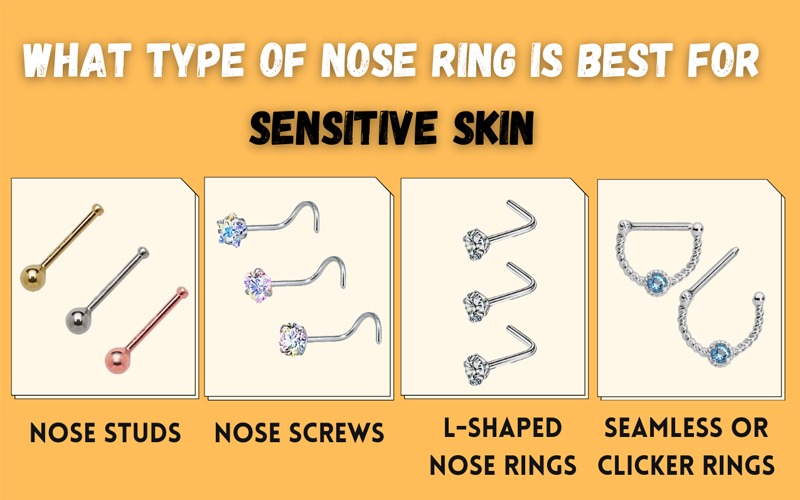
– Opt for Hypoallergenic Materials: Jewelry made of surgical steel, titanium, or gold can reduce the risk of allergic reactions and infections. Avoid materials that may cause irritation, such as nickel or certain plated metals.
– Ensure the Jewelry Is the Correct Size: Ill-fitting jewelry can lead to irritation and infection, as it may rub against the skin or become embedded. Consult with your piercer to ensure that your jewelry is the appropriate gauge and size for your piercing.
Aftercare Tips for Healthy Healing
Maintaining proper aftercare is essential for the healing process of a nose piercing:
– Keep the Area Clean and Dry: Regularly clean the area as recommended, and make sure it remains dry. Moist environments can promote bacterial growth, leading to infections.
– Avoid Swimming in Pools or Hot Tubs: During the healing process, refrain from swimming, as pools and hot tubs can harbor bacteria that increase the risk of infection. Stick to showers until your piercing has fully healed.
By implementing these practices, you can significantly enhance your chances of a healthy recovery and avoid future complications.
Addressing an infected nose ring promptly and effectively is vital for ensuring a smooth healing journey. By recognizing the symptoms early, following proper care techniques, and seeking medical attention when necessary, you can manage the situation effectively. Moreover, adhering to preventive measures and aftercare tips will help you maintain your nose piercing in excellent condition for years to come. Always prioritize your health and well-being, and don’t hesitate to consult with a healthcare professional should the need arise.
Frequently Asked Questions
What are the signs that my nose ring is infected?
Common signs of an infected nose ring include redness, swelling, pus or drainage, increased warmth around the piercing, and persistent pain. If you notice these symptoms, it’s crucial to take action promptly, as delaying treatment can lead to more severe complications.
How can I treat an infected nose piercing at home?
To treat an infected nose piercing at home, begin by cleaning the area gently with a saline solution or a mix of warm water and non-alcoholic soap. Avoid removing the jewelry, as this can trap bacteria inside the wound. Apply an over-the-counter antibiotic ointment and monitor the infection for signs of improvement; if it worsens, consult a healthcare professional.
Why did my nose ring get infected in the first place?
Infections in nose piercings often occur due to poor hygiene, touching the piercing with dirty hands, using non-sterile jewelry, or exposure to irritants like makeup or skincare products. Additionally, wearing tight or poorly fitting jewelry can cause friction, leading to irritation and an increased risk of infection.
What is the best way to prevent infection after getting a nose ring?
To prevent infection after getting a nose ring, ensure you follow your piercer’s aftercare instructions diligently. Regularly clean the piercing with saline solution, avoid touching it with unwashed hands, and refrain from swimming in pools or hot tubs until it’s fully healed. Choosing high-quality, hypoallergenic jewelry can also minimize irritation.
Which symptoms indicate that I should see a doctor for my infected nose ring?
You should see a doctor if you experience severe pain, significant swelling, fever, or if the infection does not improve after a few days of home care. Additionally, if you notice streaks of redness spreading from the piercing or if there is a foul odor, seeking professional medical advice is essential to prevent complications.
References
- https://www.healthline.com/health/nose-piercing-infection
- https://www.medicalnewstoday.com/articles/nose-piercing-infection
- https://www.ncbi.nlm.nih.gov/pmc/articles/PMC5924730/
- https://www.mayoclinic.org/diseases-conditions/piercing-infection/symptoms-causes/syc-20306454
- https://www.cdc.gov/nceh/ehs/ehsnet/faq/piercing.html
- https://www.aafp.org/pubs/afp/issues/2015/1015/p0001.html