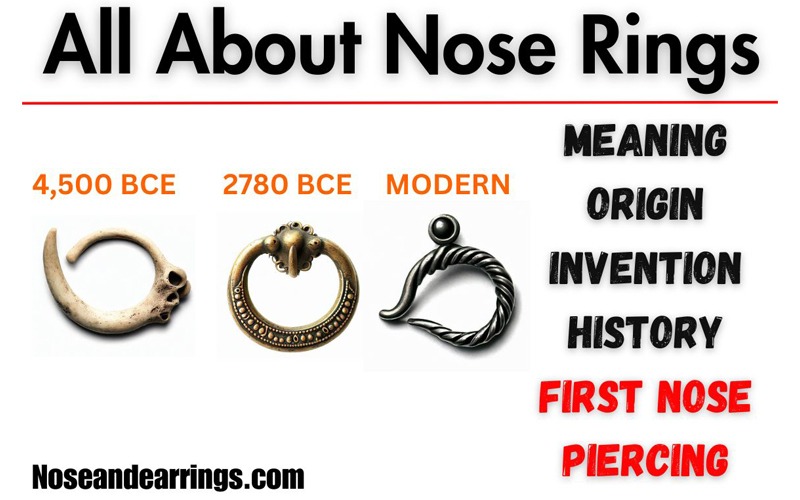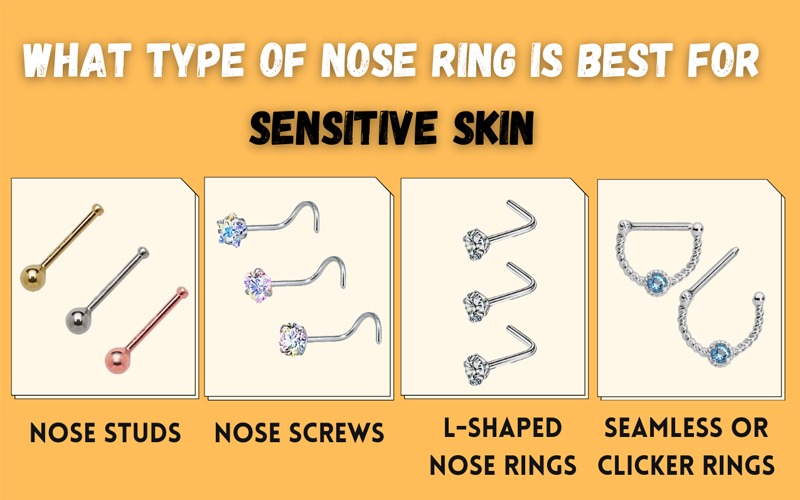
Getting a nose ring does not necessarily require a stud beforehand; however, it can be beneficial depending on the type of piercing you choose. When embarking on the journey of body modification, understanding the various options available for nose piercings is crucial. A stud may be recommended for certain types of piercings to ensure comfort and promote healing. In this article, we will explore the different types of nose piercings, the advantages of starting with a stud, alternative jewelry options, and important factors to consider before getting your piercing.
Understanding Nose Piercing Types
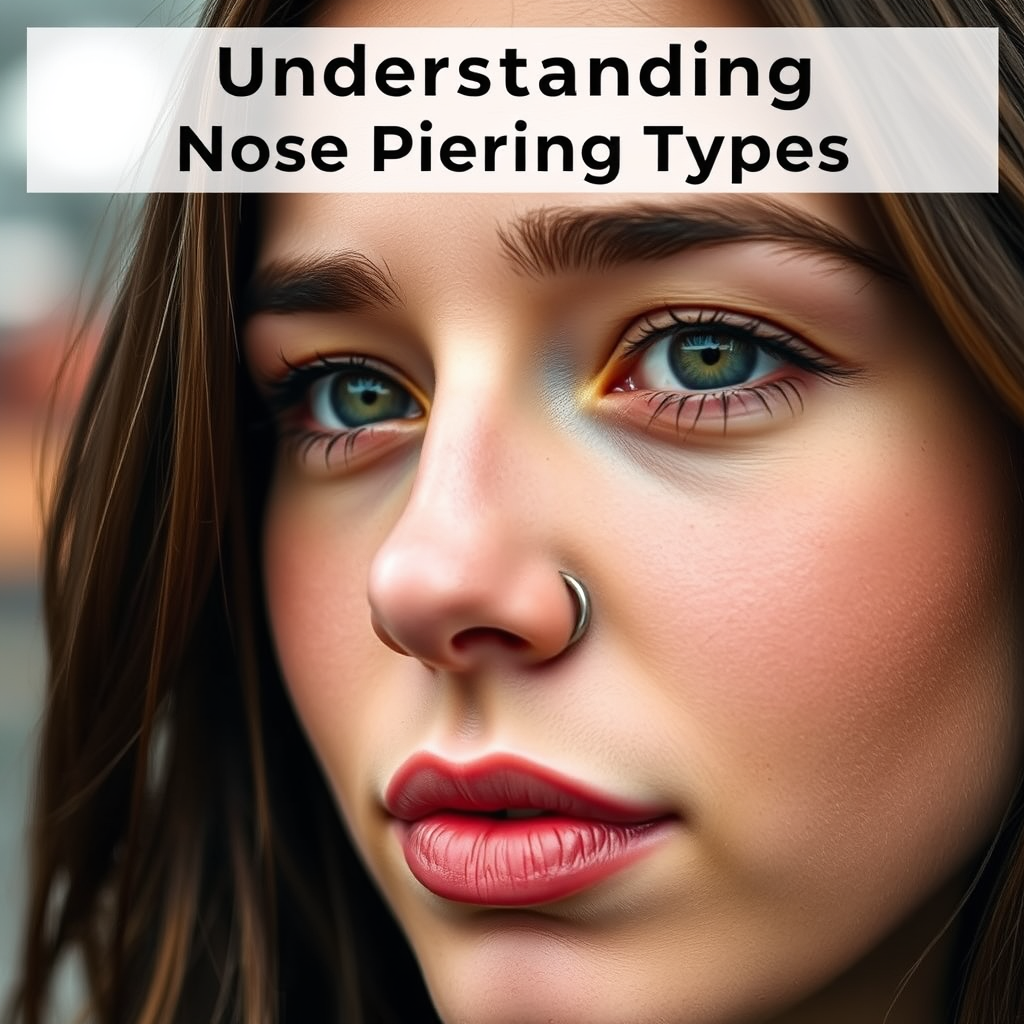
Nose piercings come in several styles, each offering unique aesthetic and practical considerations.
– Septum Piercings: A septum piercing, which is located through the thin piece of cartilage that separates the nostrils, typically does not require a stud as the initial jewelry. Instead, individuals can opt for a variety of adornments right away, including circular barbells, captive bead rings, or even clickers. Many people find septum piercings versatile, as they can transition between different styles with ease.
– Nostril Piercings: In contrast, a nostril piercing is usually the most common type of nose piercing and generally benefits from starting with a stud. A stud is often the preferred initial jewelry due to its design, which allows it to sit comfortably against the nostril without causing unnecessary irritation. This is especially important during the healing process, as the nostril area is prone to movement and external contact.
Understanding these differences is essential when deciding on the type of jewelry for your nose piercing.
Benefits of Using a Stud

Choosing a stud for your initial nose jewelry offers several notable benefits, particularly during the healing period.
– Healing Period: The healing process for nose piercings can vary, typically lasting anywhere from 4 to 6 months for nostril piercings and up to 8 weeks for septum piercings. During this time, a stud generally causes less irritation than other types of jewelry. Its fixed position helps to minimize movement, which can lead to discomfort and complications such as infection or migration of the piercing.
– Stability: A stud provides greater stability compared to hoop styles, which can easily shift or snag on clothing, hair, or other items. This stability is crucial, especially for individuals who lead active lifestyles or frequently engage in physical activities. The risk of snagging is significantly lower with a stud, allowing for a smoother healing experience.
By choosing a stud, you are taking a proactive step towards a successful and uncomplicated healing process.
Alternative Jewelry Options
After the healing period, various alternative jewelry options become available, each with its own set of advantages and considerations.
– Hoops: Hoop earrings can be used for nostril piercings once fully healed. They offer a stylish and trendy look but should be approached with caution initially. Due to their circular shape, they are more susceptible to snagging, which can lead to irritation or even injury. It is essential to allow the piercing to fully heal before transitioning to this style.
– Rings: Continuous rings, which are seamless and can be aesthetically pleasing, are another option for expressing personal style. These rings can be used after the healing process is complete, but like hoops, they may not be ideal for initial use. Starting with a stud allows the piercing to heal properly before experimenting with more dynamic styles.
Understanding the variety of jewelry options available post-healing can help you curate a collection that reflects your personal style while ensuring comfort and safety.
Factors to Consider Before Piercing
Before deciding on a nose piercing, there are several important factors to contemplate.
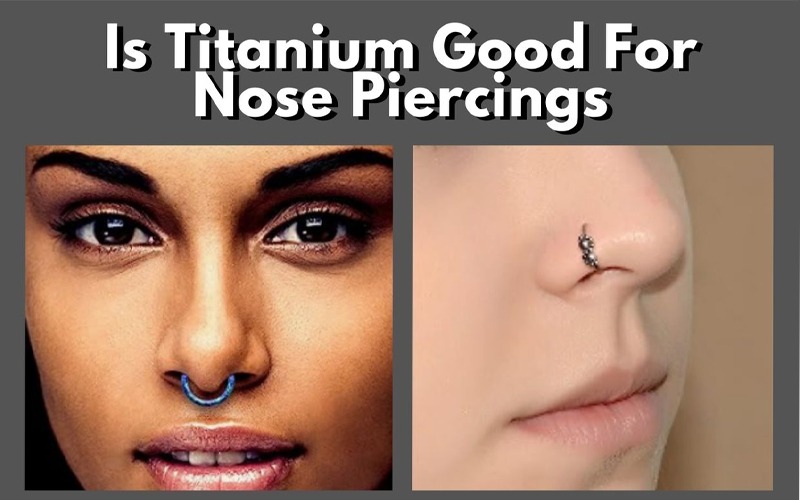
– Skin Sensitivity: Individuals with sensitive skin or allergies may particularly benefit from starting with a stud. Materials like titanium or surgical steel are hypoallergenic and can reduce the risk of irritation or allergic reactions. Consulting with a professional piercer about your skin type can help you select the most suitable jewelry.
– Lifestyle: Your lifestyle also plays a crucial role in determining the initial jewelry choice. If you lead an active lifestyle or work in environments where physical contact is common, opting for a stud can provide extra safety. It minimizes the risk of snagging during workouts, sports, or routine activities, ensuring that your piercing remains intact.
Taking these factors into account is vital for making an informed decision that aligns with your body and lifestyle.
Aftercare for Nose Piercings
Proper aftercare is essential to promote healing and prevent complications following a nose piercing.
– Cleaning Routine: Establishing a cleaning routine is crucial for maintaining hygiene. It is typically recommended to clean the piercing twice a day using saline solution or a gentle antiseptic. Avoid touching the piercing with dirty hands, and refrain from changing the jewelry until the piercing has fully healed.
– Jewelry Change: Patience is key when it comes to changing your initial jewelry. Most piercers suggest waiting until the piercing is completely healed before swapping a stud for other styles, such as hoops or rings. Prematurely changing the jewelry can lead to irritation, infection, or complications, which can prolong the healing time.
Adhering to a diligent aftercare routine can make a significant difference in the success of your nose piercing.
Seeking Professional Advice
When it comes to body modifications such as nose piercings, seeking professional advice is paramount for ensuring a safe and successful experience.
– Consult a Piercer: Always consult with a professional piercer before making any decisions regarding jewelry selection or aftercare. Experienced piercers can provide personalized recommendations based on your anatomy, skin type, and lifestyle, catering to your specific needs.
– Follow Guidelines: It’s crucial to follow the aftercare guidelines provided by your piercer meticulously. These instructions are designed to optimize healing and minimize complications, contributing to the long-term success of your nose piercing.
Engaging with a professional not only enhances your experience but also empowers you with the knowledge needed for ongoing care.
The decision to use a stud before getting a nose ring largely depends on the type of piercing and personal preferences. If you prefer a comfortable and low-maintenance option, starting with a stud is advisable. Remember to consider your lifestyle and consult with a professional to ensure a successful piercing experience. By understanding the nuances of nose piercings, you can confidently adorn your nose with a beautiful accessory that aligns with your style while promoting health and safety.
Frequently Asked Questions
Do you need a stud before getting a nose ring?
Yes, most piercers recommend using a stud for your initial nose piercing. A stud is typically more comfortable and less likely to get caught on clothing or hair, minimizing the risk of irritation as your piercing heals. Once the healing process is complete, you can switch to a nose ring or hoop if you prefer that style.
How long should you wait before switching from a stud to a nose ring?
It’s generally advised to wait at least 6 to 8 weeks before switching from a stud to a nose ring. This allows sufficient time for the piercing to heal, reducing the risk of complications such as infection or irritation. Always consult with your professional piercer for personalized advice based on your specific healing progress.
Why is a stud preferred for initial nose piercings?
A stud is preferred for initial nose piercings because it has a low-profile design that minimizes the chance of snagging and irritation during the healing process. Additionally, studs often have a smooth back, which helps prevent discomfort against the sensitive skin in and around the nose. This makes it easier for the piercing to heal without complications.
What type of stud is best for a nose piercing?
The best type of stud for a nose piercing is typically made from hypoallergenic materials, such as surgical stainless steel, titanium, or gold. These materials are less likely to cause allergic reactions and are known for their durability and resistance to tarnishing. Choosing a stud with a flat back can also enhance comfort during the healing period.
Which factors should you consider when choosing a nose ring after healing?
When choosing a nose ring after your piercing has healed, consider factors such as material, design, and size. Opt for high-quality materials like titanium or gold to avoid allergic reactions. Additionally, select a design that suits your personal style while ensuring the gauge size matches your healed piercing to prevent discomfort or injury.
References
- Nose piercing
- https://www.ncbi.nlm.nih.gov/pmc/articles/PMC4588863/
- https://www.healthline.com/health/nose-piercing-types
- Antidepressants: Selecting one that’s right for you – Mayo Clinic
- https://www.medicalnewstoday.com/articles/nose-piercing-tips
- https://www.cdc.gov/nceh/lead/lead_in_piercings.htm
- https://www.verywellhealth.com/nose-piercing-5190132